
 Pin this recipe
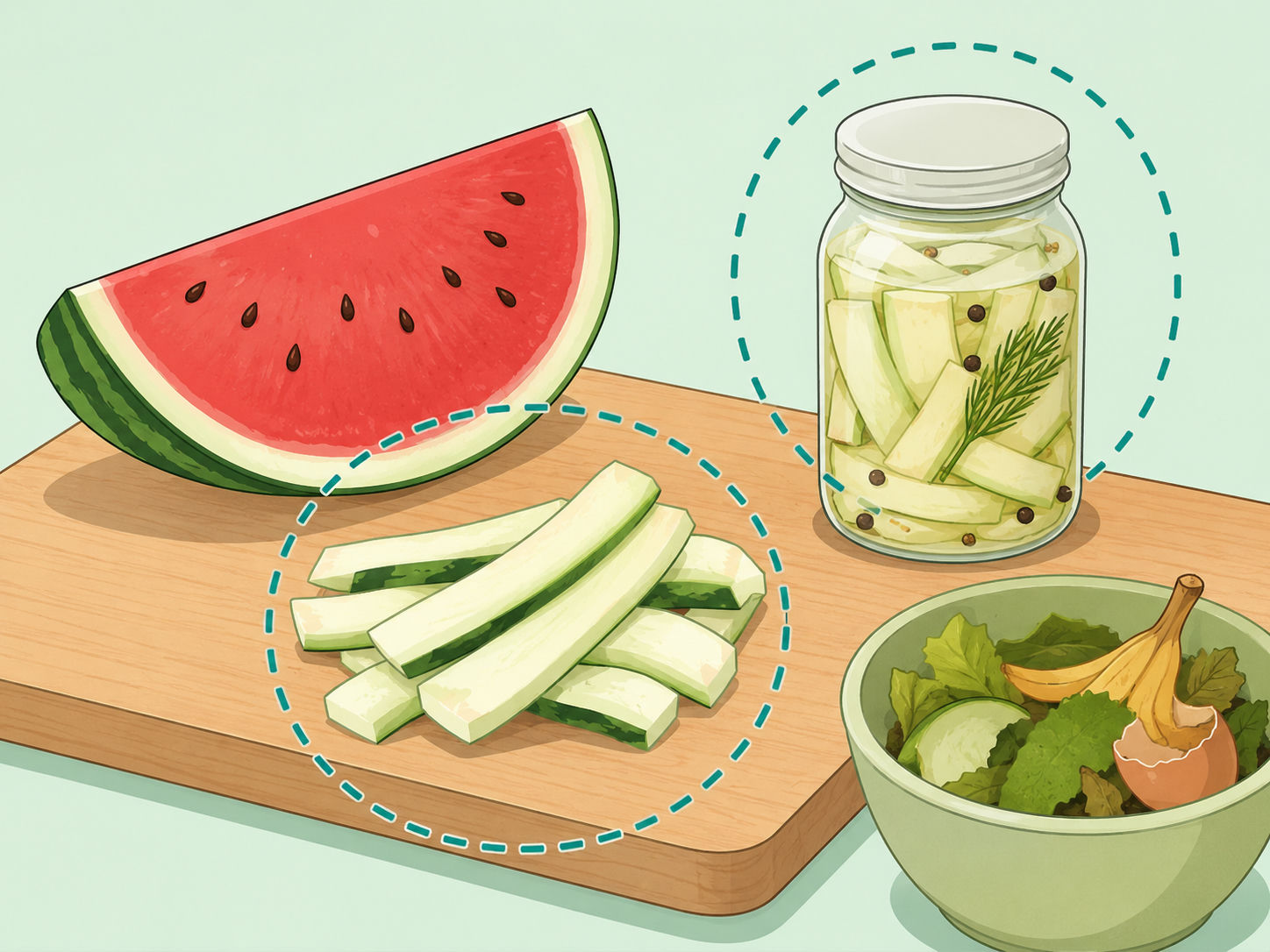
Watermelon rind is easy to overlook, but the firm white layer between the pink flesh and green skin can be used in practical kitchen ways. This guide explains how to clean, prep, cook, pickle, store, and compost watermelon rind safely. It also covers why starting small matters, since the rind is fibrous and can bother some stomachs.
Wash the whole watermelon before cutting
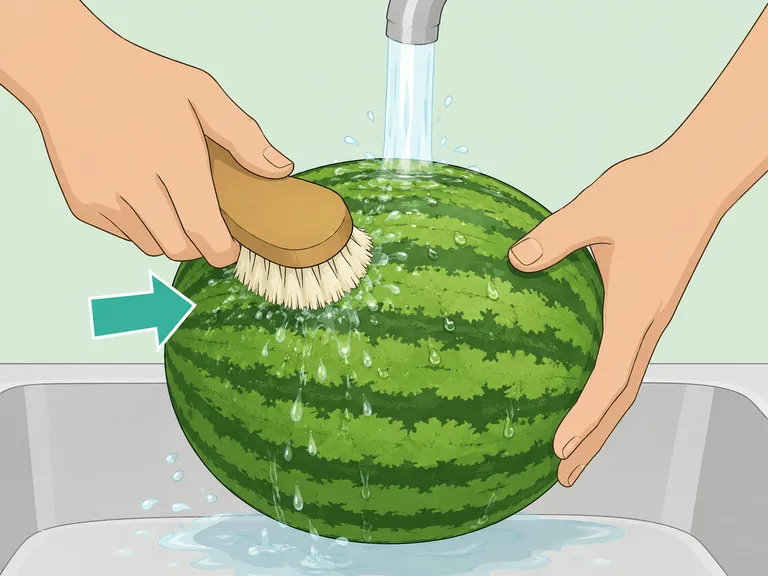
Rinse the watermelon under running water and scrub the firm outer surface with a clean produce brush before your knife touches it. The FDA advises washing even produce with skin you do not plan to eat, because dirt and bacteria can move from the surface to the inside during cutting. Dry it with a clean towel before placing it on your cutting board.
Separate the white rind from the green skin
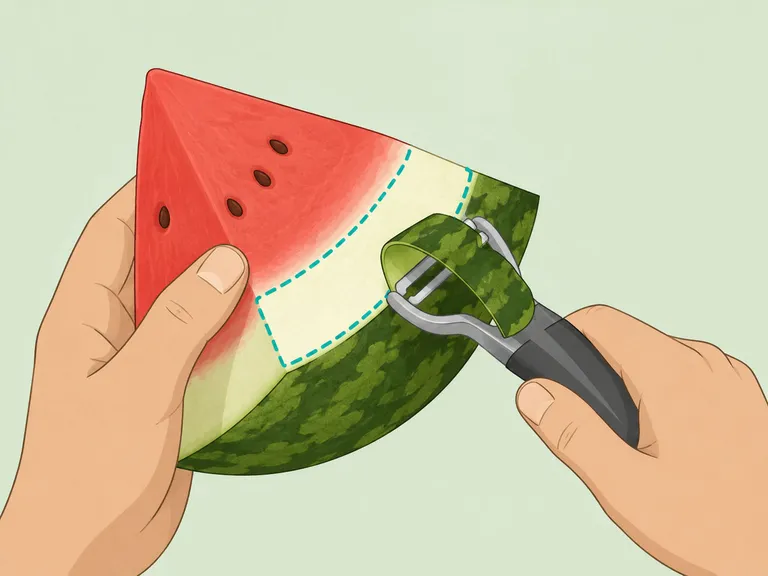
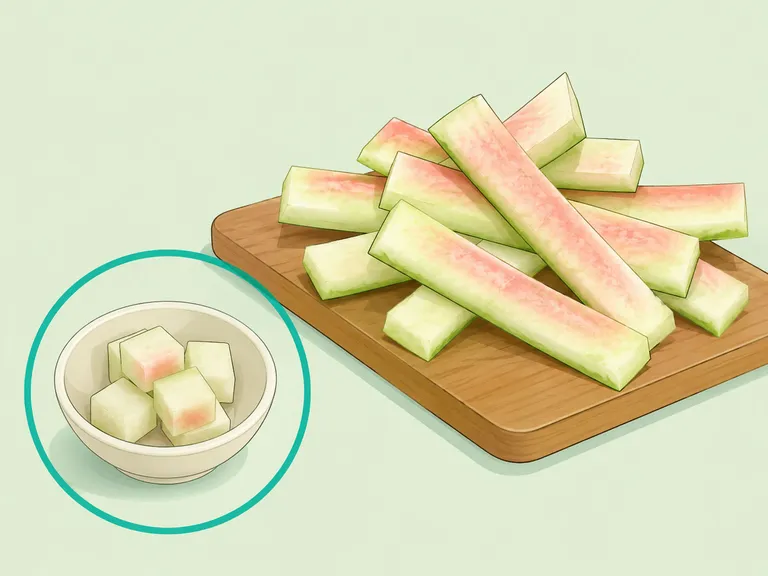
Cut the watermelon into wedges, slice off most of the pink flesh, and use a sturdy peeler or knife to remove the dark green outer skin. The part to save is the pale white rind, which registered dietitians describe as edible and useful in cooked, pickled, or blended dishes. Cut it into strips, cubes, or shreds depending on how you plan to use it.
Start with a small serving
Try a few pieces before making rind a regular ingredient. Watermelon rind is fibrous, and dietitians note that eating too much at once may cause gas or bloating in some people. If it agrees with you, increase the amount gradually and keep portions modest.
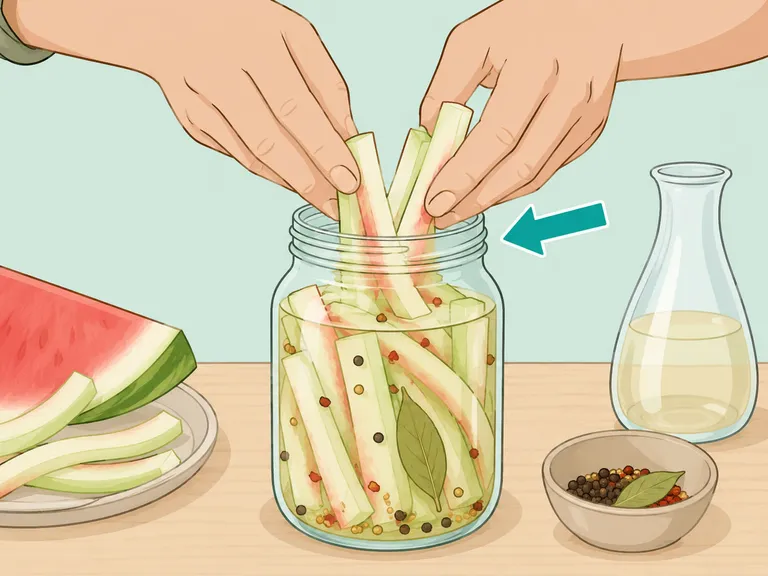
Pickle the rind for a crunchy condiment
Watermelon rind takes well to vinegar, salt, sugar, and warm spices because its mild flavor absorbs brine. For shelf-stable canning, follow a tested formula such as the National Center for Home Food Preservation watermelon rind pickles, which gives exact ingredients and boiling-water processing times. For a quick refrigerator pickle, keep it chilled and treat it as a fresh perishable food.
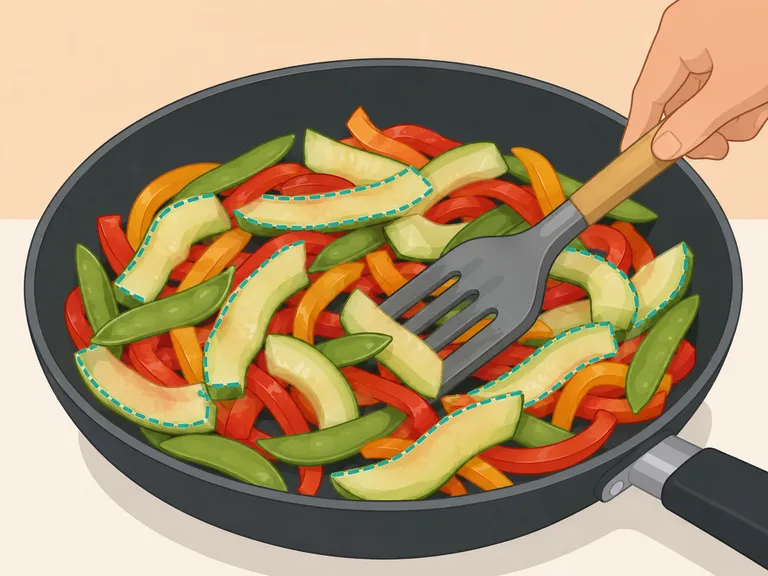
Cook it in savory dishes
Add thin slices or small cubes of peeled rind to stir-fries, curries, stews, or sautéed vegetables. Cooking softens the firm texture and makes the rind easier to enjoy, and kitchen guides describe it as a practical substitute where you might use crisp vegetables like cucumber or squash. Keep the seasoning balanced, since salty sauces and pickling brines can add a lot of sodium.
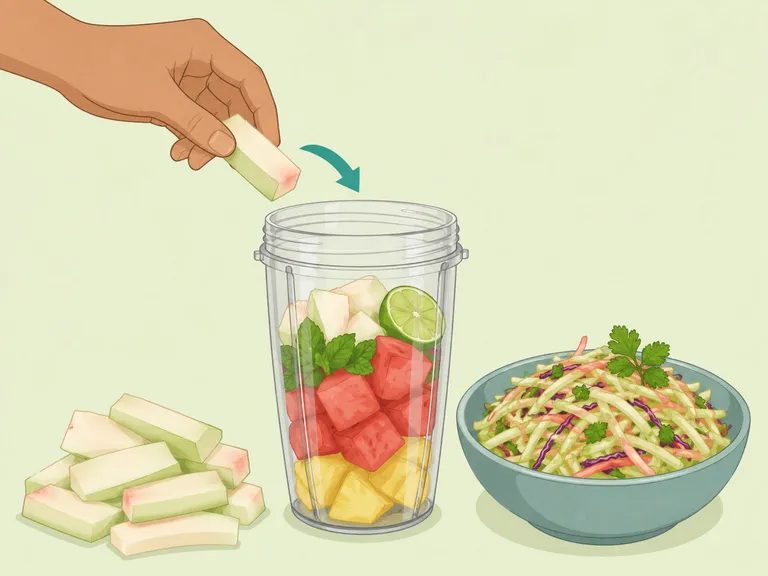
Blend or shred it into cold dishes
Use peeled rind in smoothies, gazpacho, salsa, or slaw when you want crunch and moisture without much sweetness. Food editors and watermelon-use guides suggest smoothies, slaws, gazpacho, baking, and stir-fries as simple ways to use the white rind. Blend it with stronger flavors like citrus, mint, ginger, cucumber, or berries so the texture feels intentional.
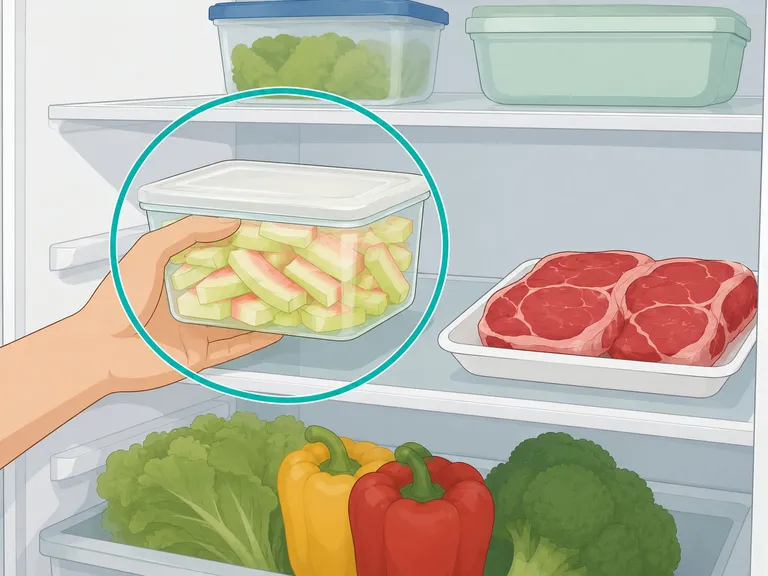
Refrigerate cut rind promptly
Once the melon is cut, store usable rind in a clean, covered container in the refrigerator. The FDA recommends refrigerating cut or packaged produce and keeping produce separate from raw meat, poultry, and seafood. Discard rind that smells sour, feels slimy, shows mold, or has been left out too long.
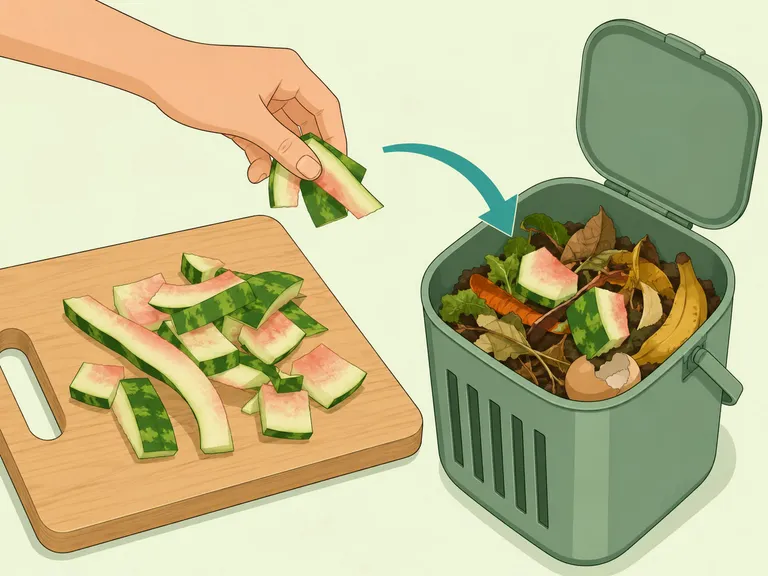
Compost the pieces you cannot use
If you have more rind than you can eat safely, compost it instead of tossing it in the trash. The EPA recommends using edible parts when safe and composting food scraps when you cannot reduce the waste. Chop thick rinds into smaller pieces so they break down faster in a home compost bin.
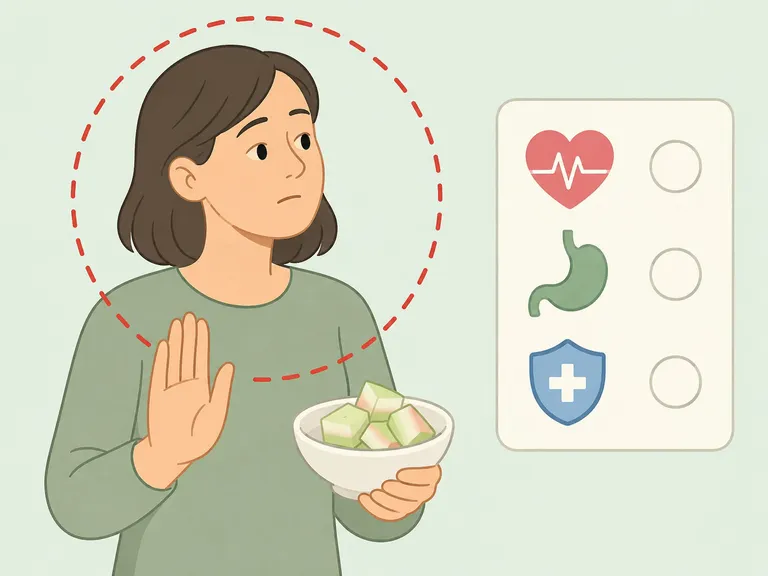
Know when to skip it or ask for advice
Skip watermelon rind if it causes repeated digestive symptoms, if the melon was moldy or rotten, or if safe washing and refrigeration were not possible. People with medical conditions that require a restricted diet should ask a qualified health professional before adding large amounts of a new high-fiber food. If you think you have food poisoning after eating produce, contact a healthcare provider, especially for severe diarrhea, vomiting, fever, dehydration, pregnancy, older age, or a weakened immune system.
Article Summary
The bottom line: do not throw away watermelon rind automatically. Wash the melon well, use the mild white rind in pickles, stir-fries, slaws, or smoothies, and compost any pieces you cannot safely eat.
Frequently Asked Questions
- Can you eat watermelon rind raw?
Yes, the white rind can be eaten raw after the melon is washed and the tough green skin is removed. Many people prefer it pickled, cooked, or shredded because raw rind is firm and mild rather than sweet.
- Which part of the watermelon rind should I use?
Use the pale white layer between the pink flesh and the dark green outer skin. The green skin is tough and bitter, so most preparations remove it before eating.
- Does watermelon rind taste like watermelon?
Not really. The white rind is mild, crisp, and closer to cucumber than to sweet watermelon flesh, which is why it works well with vinegar, salt, spices, herbs, and stir-fry sauces.
- Can watermelon rind upset your stomach?
It can if you eat a lot at once, especially if you are not used to high-fiber foods. Start with a small serving and stop eating it if it causes gas, bloating, diarrhea, or discomfort.
- Can I can watermelon rind pickles at home?
Yes, but use a tested preservation recipe from a reliable source. The National Center for Home Food Preservation provides a watermelon rind pickle method with specific vinegar, sugar, headspace, and processing instructions.
- What should I do with rind I do not want to eat?
Compost it if your local system allows food scraps, or add small pieces to a home compost bin. Composting is a better last step than sending safe, usable produce scraps straight to the trash.
References
Trusted culinary resources helped guide and refine this article.
- https://www.fda.gov/food/buy-store-serve-safe-food/selecting-and-serving-produce-safely
- https://www.verywellhealth.com/watermelon-rinds-surprising-health-benefits-11764368
- https://www.southernliving.com/can-you-eat-watermelon-rind-11953452
- https://nchfp.uga.edu/how/pickle/fruit-pickles/watermelon-rind-pickles
- https://www.epa.gov/recycle/preventing-wasted-food-home
- https://www.allrecipes.com/how-to-eat-watermelon-rinds-8658538