
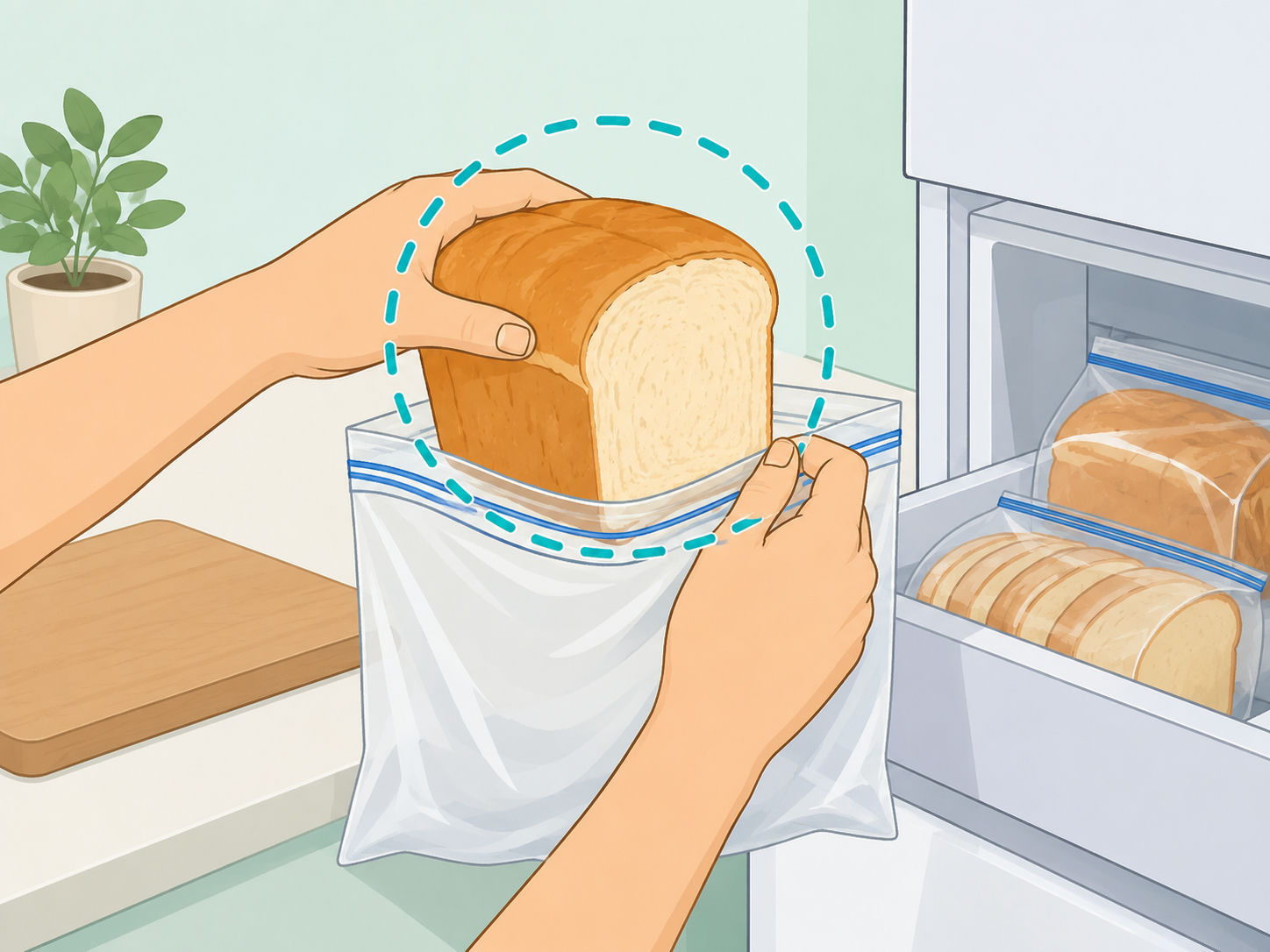
 Pin this recipe
If you keep bread in the freezer, a few small habits make the difference between fresh-tasting toast and dry, freezer-burned slices. This guide explains how to freeze, label, thaw, and check bread without wasting a loaf. It also covers the food-safety points that matter when bread has mold or when your freezer warms up.
Freeze bread while it is still fresh
Put bread in the freezer before it goes stale or damp, because freezing preserves quality but does not improve bread that is already past its best. FoodSafety.gov notes that freezer storage times are mainly about quality when food is kept continuously at 0°F or below. For homemade or bakery bread, freeze what you will not eat within the next day or two.
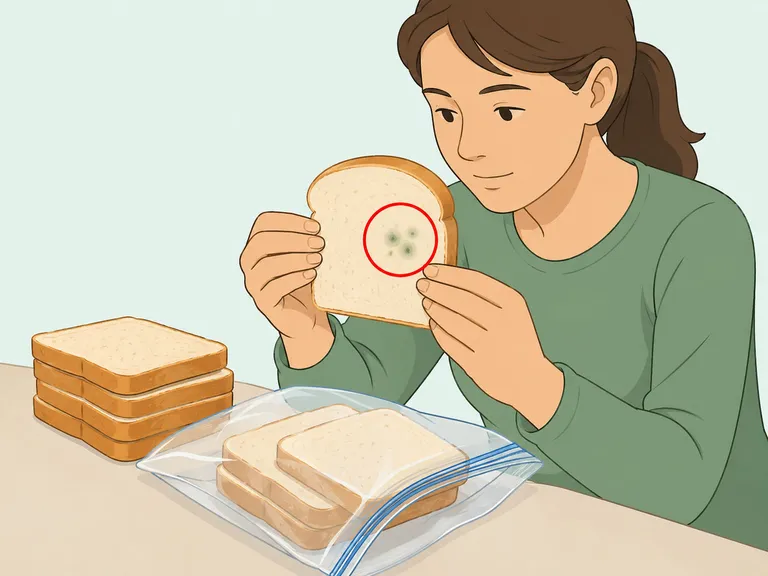
Check the loaf for mold before freezing
Look over the crust, cut sides, and inside of the bag before the bread goes into the freezer. If you see mold, do not cut off the spot and save the rest; food-safety experts explain that mold can extend through porous bread beyond what you can see. Throw away the loaf instead of freezing it.
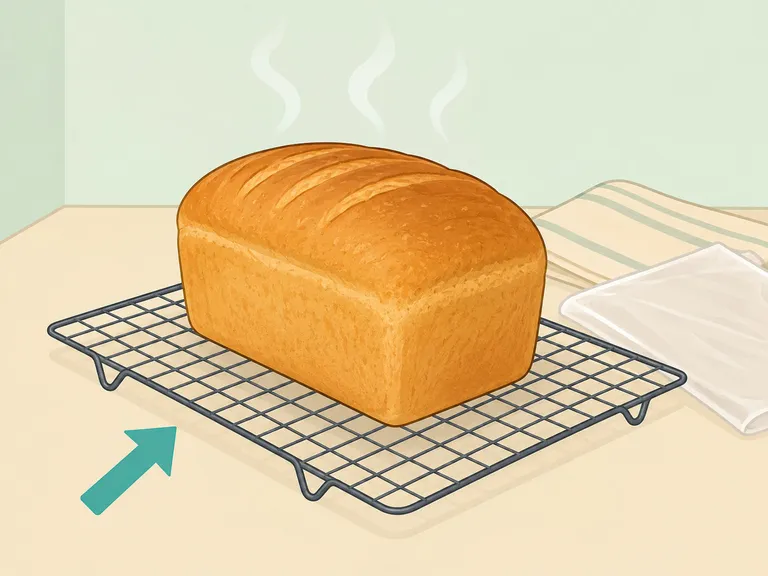
Let homemade bread cool completely
Cool baked bread fully before wrapping it so steam does not get trapped inside the package. Extra moisture encourages ice crystals and can make thawed bread soggy. Clemson Cooperative Extension recommends cooling foods before packaging and freezing promptly.
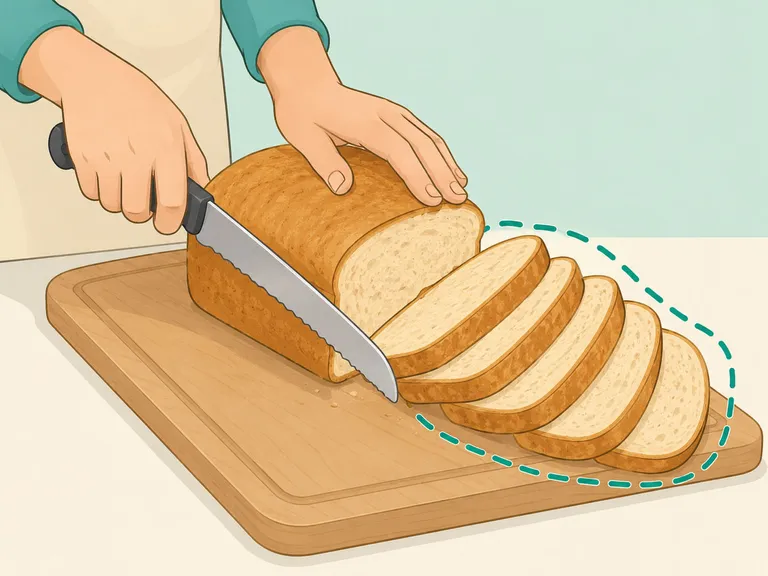
Slice or portion the bread before wrapping
Cut sandwich loaves, rolls, or baguettes into the amounts you normally use at one time. Portioning helps you thaw only a few slices instead of the entire loaf. It also makes weeknight toast, sandwiches, and breadcrumbs easier to pull together.
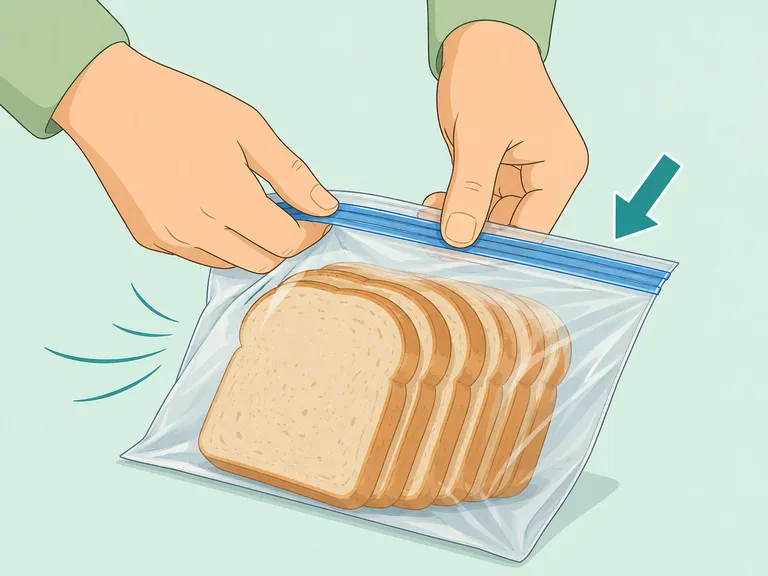
Wrap the bread tightly against air
Use a freezer bag, freezer-safe wrap, foil, or another moisture- and vapor-resistant covering. Press out as much air as you can before sealing, because air exposure dries bread and causes freezer burn. Clemson Extension advises using freezer containers or wrappings that resist moisture and vapor.

Label the package with the date
Write the date and type of bread on the bag before it goes into the freezer. Labels help you use older bread first, which keeps quality from slipping. The USDA-developed FoodKeeper guidance is designed to help people track storage for freshness and quality.
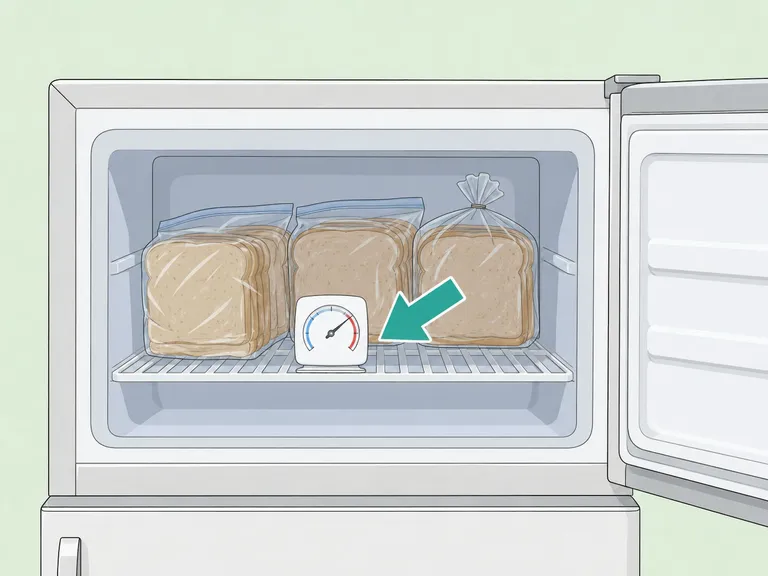
Keep the freezer at 0°F or below
Set your freezer to 0°F (-18°C) or below and use an appliance thermometer if the setting is uncertain. FoodSafety.gov recommends this temperature for proper freezing and explains that freezing keeps food safe but does not destroy all harmful germs. Store bread away from the door when possible, where temperatures fluctuate more.

Thaw only what you plan to use
Toast individual slices directly from frozen, or thaw wrapped bread at room temperature until soft. Keeping the bread wrapped while it thaws helps limit drying. For baked breads and rolls, Clemson Extension lists thawing in the wrapping or reheating in foil as practical options.
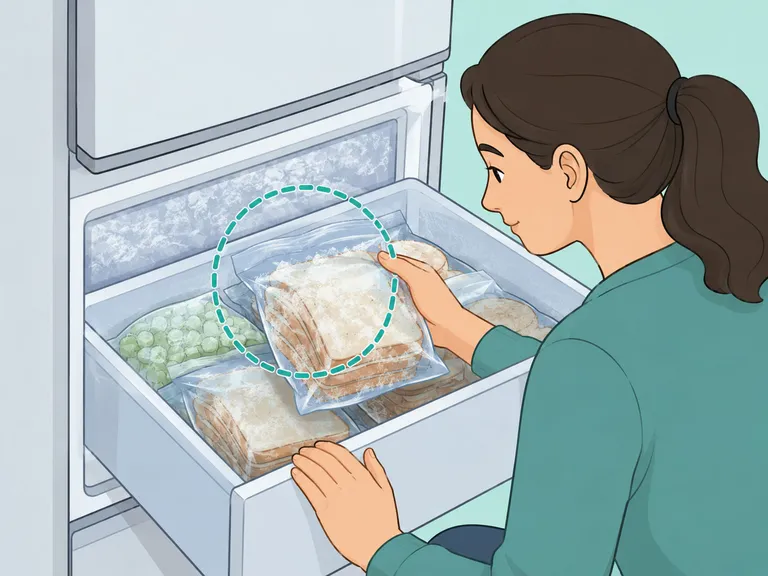
Know what to do after a freezer outage
If the freezer loses power, keep the door closed and check the food once power returns. FoodSafety.gov says a full freezer can hold a safe temperature for about 48 hours if the door stays shut, and plain breads without custard or cheese fillings can often be refrozen. When in doubt, throw questionable food out.
Article Summary
The bottom line: freeze bread while it is fresh, protect it from air, label the package, and thaw only what you need. Frozen bread can stay safe in a properly cold freezer, but quality is best when you rotate it and discard any bread that shows mold.
Frequently Asked Questions
- Can you put a whole loaf of bread in the freezer?
Yes, but slicing or portioning it first is more practical. You can pull out only what you need and avoid thawing the same loaf repeatedly.
- How long is frozen bread good for?
FoodSafety.gov says foods kept continuously at 0°F or below can be kept indefinitely for safety, but quality declines over time. For best texture, use frozen bread within a few months and rotate older packages first.
- Can you toast bread straight from frozen?
Yes. Individual slices can usually go straight into a toaster or toaster oven, though they may need slightly more time than fresh bread.
- Should you refrigerate bread instead of freezing it?
Freezing is usually better for longer storage. Refrigeration may slow mold, but it often makes bread taste dry or stale faster than freezing.
- Can you eat the rest of a loaf if one slice has mold?
No. Bread is porous, so mold can spread beyond the visible spot. The safer choice is to discard the whole loaf.
- Can thawed bread be refrozen?
Plain bread can often be refrozen from a safety standpoint if it has stayed cold and shows no mold or spoilage, but the texture may become drier. Refreeze only if the bread still looks and smells normal.
References
Trusted culinary resources helped guide and refine this article.
- https://www.foodsafety.gov/food-safety-charts/cold-food-storage-charts
- https://www.foodsafety.gov/keep-food-safe/4-steps-to-food-safety
- https://www.foodsafety.gov/food-safety-charts/food-safety-during-power-outage
- https://hgic.clemson.edu/factsheet/freezing-prepared-foods
- https://www.health.com/can-you-eat-bread-with-mold-11905487