
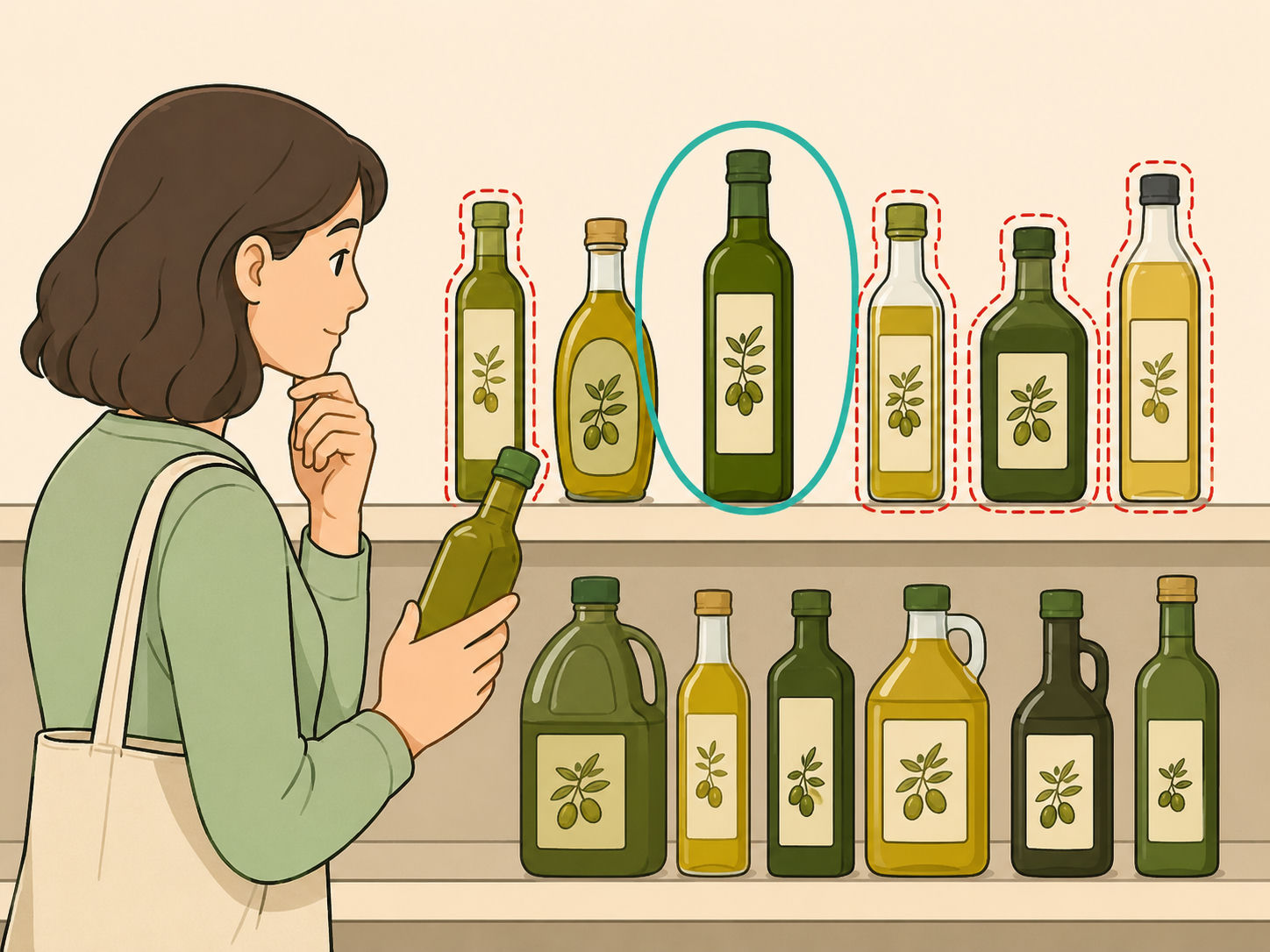
 Pin this recipe
Olive oil is a kitchen staple, but a 60 Millions de Consommateurs test reported unwanted plasticizers or mineral-oil hydrocarbons in many bottles sold in France. This guide explains how to use those findings without overreacting or relying on unverified viral lists. It also shows what to check on the label, how to store olive oil, and when to ask a health professional for personal nutrition advice.
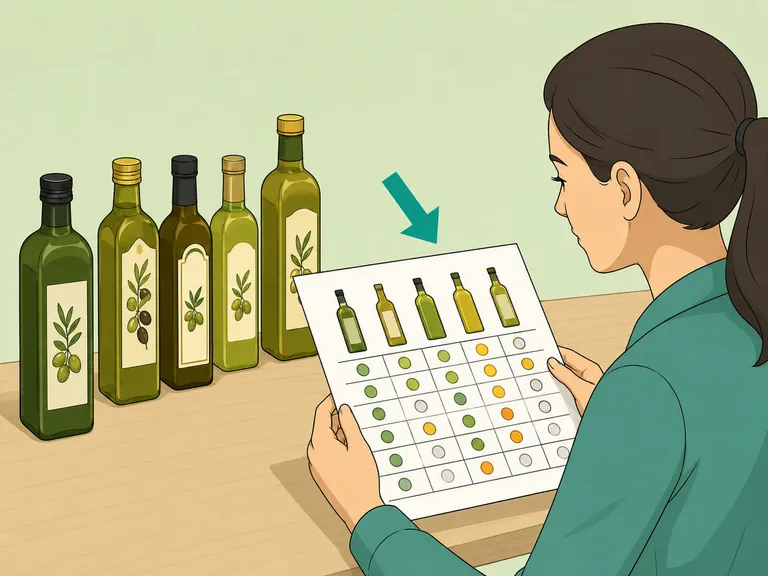
Start with what the 60 Millions test actually found
Use the test as a shopping clue, not as a permanent blacklist for every future bottle. Public reporting on the June 2023 60 Millions de Consommateurs survey says 24 popular olive oils were tested and that many contained plasticizers or mineral-oil hydrocarbons, including 23 references with one to three plasticizers according to Top Santé's summary of the test. Batches, suppliers, and packaging can change, so combine the ranking with current label checks.
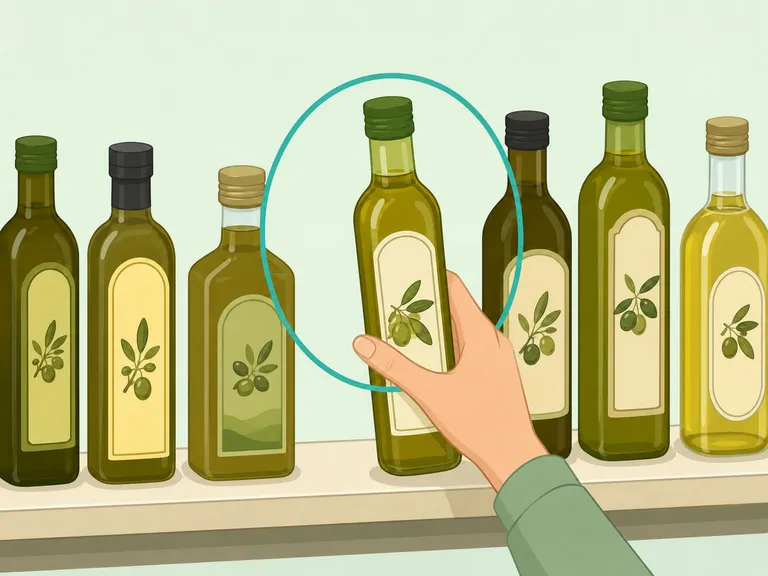
Put the cleanest reported bottle at the top of your list
If you shop where it is available, start by checking Lidl's Primadonna olive oil from Spain. Top Santé reports that this bottle received the best score, 16/20, and was the only tested oil without detected pollutants in that survey. Before buying, confirm that the bottle in your hand has the same product identity, a clear origin statement, and a date that gives you enough time to use it.
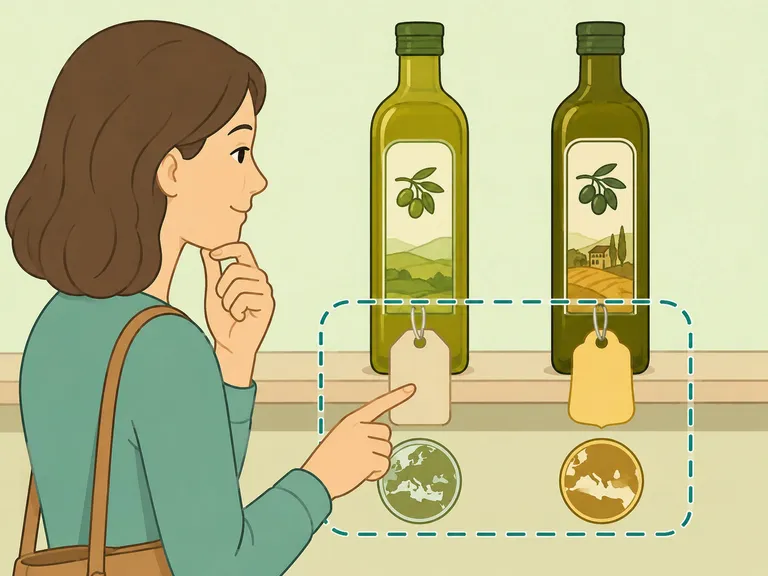
Compare the next strong pick before paying more
For a second option, compare Carrefour Reflets de France Huile de Provence AOP, which was reported in second place with a 15/20 score. The same report notes that it cost far more per liter than the top Lidl bottle, so only choose it if the flavor, origin, and budget make sense for you. If you want a third bottle for your shortlist, pick one that matches the same practical standards rather than trusting an unsourced top-three claim.
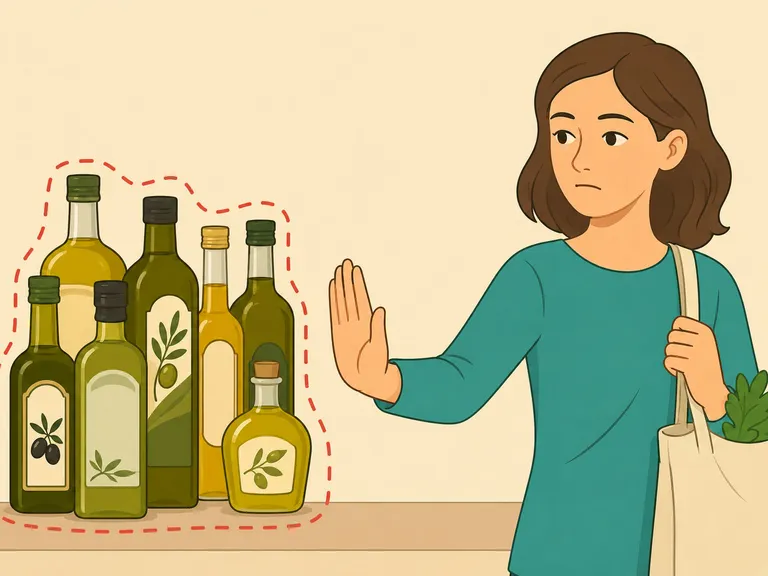
Avoid the bottles flagged for DEHP and DBP
Skip the specific bottles that public reports say were singled out for the more concerning phthalates DEHP and DBP: Naturalia Vierge Extra Like a Virgin, La Vie Claire Vierge Extra, Cauvin Bio La Bio, and Terra Delyssa Vierge Extra. The same findings were also summarized by HuffPost Spain. If a brand later publishes newer independent testing, use the newer batch-specific evidence.
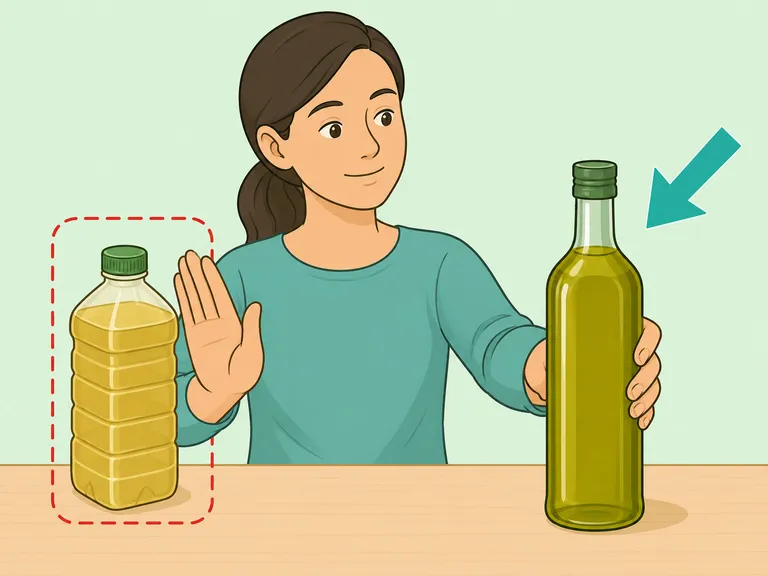
Treat plasticizer findings as a reason to reduce exposure
Do not panic over one serving of olive oil, but do take repeated exposure seriously. The National Institute of Environmental Health Sciences explains that phthalates are plasticizers found in some food packaging and that endocrine-disrupting chemicals may interfere with hormone systems. Choosing cleaner tested products is a sensible way to lower avoidable exposure.
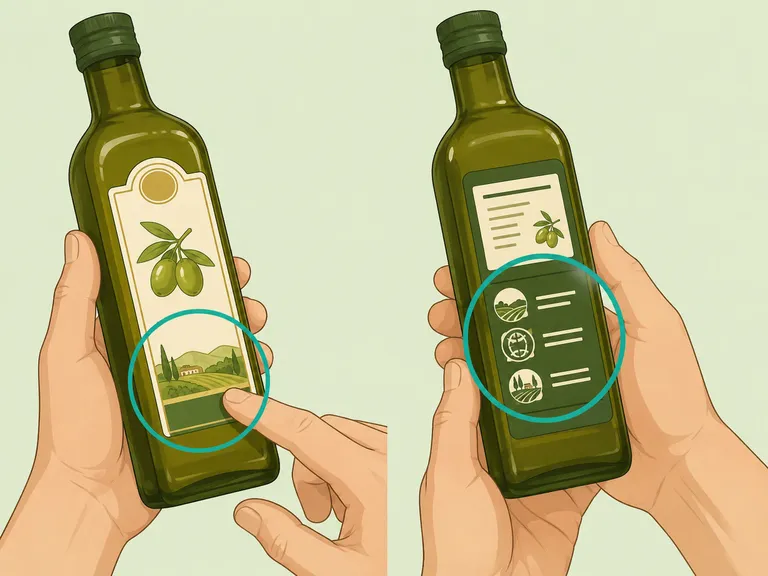
Choose a clearly labeled extra virgin or virgin oil
Look for a precise grade such as extra virgin olive oil or virgin olive oil, plus a clear harvest, origin, or best-before date. The International Olive Council defines virgin oils as oils obtained from olives by mechanical or physical means, and extra virgin oil has stricter chemical and sensory limits. In the United States, the USDA grade standards similarly set extra virgin olive oil at no more than 0.8 grams free fatty acid per 100 grams.
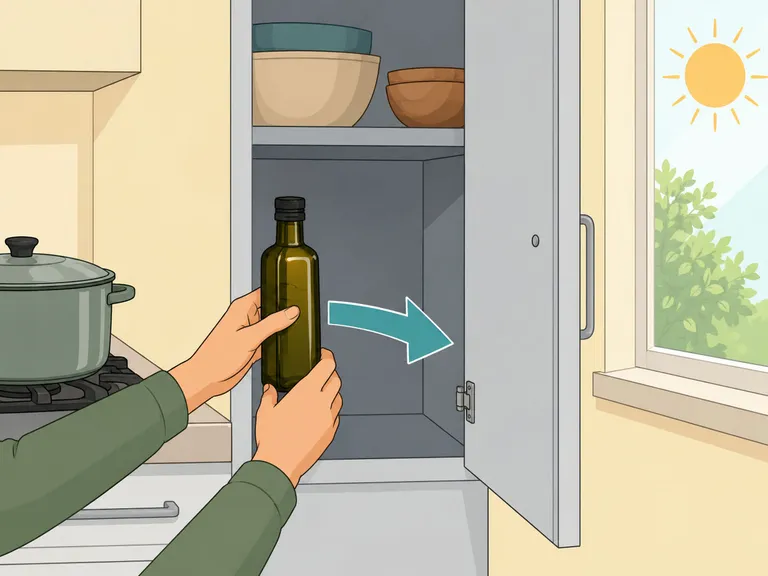
Buy small dark bottles and store them cool
Pick a bottle size you can finish while it still tastes fresh, especially if you cook with olive oil only occasionally. The International Olive Council advises storing olive oil away from excessive heat, air, humidity, and especially light, while the American Heart Association recommends discarding oil that smells bad and buying smaller containers if you do not use oil often. Keep the cap tight and store the bottle in a cool cupboard, not beside the stove.
Ask a health professional about major diet changes
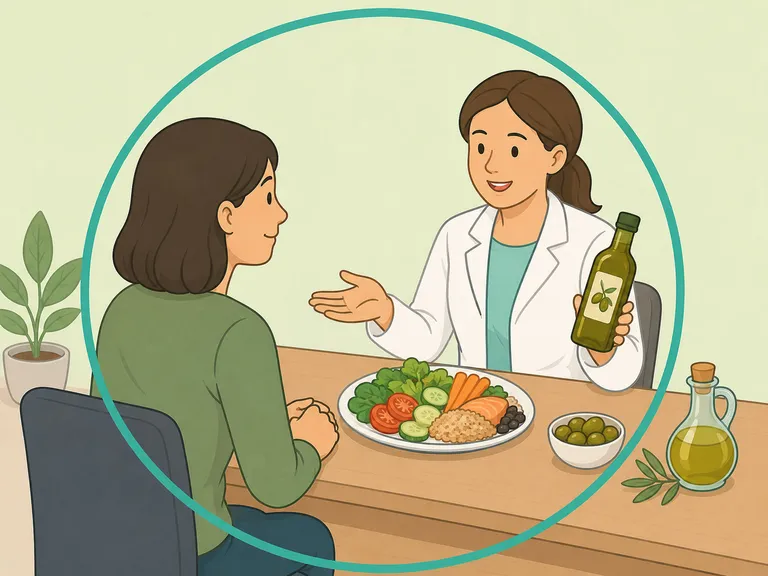
Olive oil can be part of a balanced diet, but it is still calorie-dense fat and should fit your personal health needs. Talk with a doctor or registered dietitian if you have heart disease, diabetes, high cholesterol, digestive symptoms, a pregnancy-related concern, or a medically prescribed eating plan. Do not replace medication or treatment with olive oil or any single food.
Article Summary
The bottom line: use the 60 Millions findings as a practical shopping filter, not as a permanent verdict on every batch. Favor the cleanest reported picks when available, avoid the bottles specifically flagged for more concerning plasticizers, and choose fresh, clearly labeled extra virgin oil in small dark bottles.
Frequently Asked Questions
- What olive oil was rated best in the reported 60 Millions test?
Accessible reporting names Lidl's Primadonna conventional olive oil from Spain as the top-rated bottle, with a score of 16/20 and no pollutants detected in that test. Always check the current label and batch because consumer-test results can change over time.
- What was the next strong pick?
Top Santé reported Carrefour Reflets de France Huile de Provence AOP in second place with 15/20. It was much more expensive than the Lidl pick, so compare price, freshness, and how quickly you will use the bottle.
- Did public reporting verify a full top three?
The accessible reports reviewed here clearly named the top Lidl oil and the second-place Carrefour oil. They did not provide enough verified detail to name a third ranked bottle responsibly, so build a third choice from label quality, freshness, and storage clues rather than an unsourced ranking.
- Which olive oils were flagged to avoid?
The reports flagged Naturalia Vierge Extra Like a Virgin, La Vie Claire Vierge Extra, Cauvin Bio La Bio, and Terra Delyssa Vierge Extra because they contained DEHP and DBP in the tested samples.
- Is extra virgin olive oil always better?
Extra virgin olive oil has the strictest common quality category for flavor and acidity, but it still needs to be fresh, well stored, and from a reliable bottle. A poor or old extra virgin oil can taste flat or rancid.
- Should I stop using olive oil for health reasons?
Most people can use olive oil as one of several liquid plant oils in a balanced diet. If you have a medical condition or need a specific diet plan, ask a doctor or registered dietitian before making major changes.
References
Trusted culinary resources helped guide and refine this article.
- https://www.topsante.com/nutrition_et_recettes/manger_equilibre/les-4-huiles-dolive-a-ne-pas-acheter-selon-60-millions-de-consommateurs-871348
- https://www.huffingtonpost.es/life/consumo/francia-entera-pide-consumir-aceites-oliva-indeseables-rinde-aceite-espanol.html
- https://www.internationaloliveoil.org/olive-world/olive-oil
- https://www.ams.usda.gov/grades-standards/olive-oil-and-olive-pomace-oil-grades-and-standards
- https://www.heart.org/en/healthy-living/healthy-eating/eat-smart/fats/healthy-cooking-oils
- https://www.niehs.nih.gov/health/topics/agents/endocrine