
 Pin this recipe
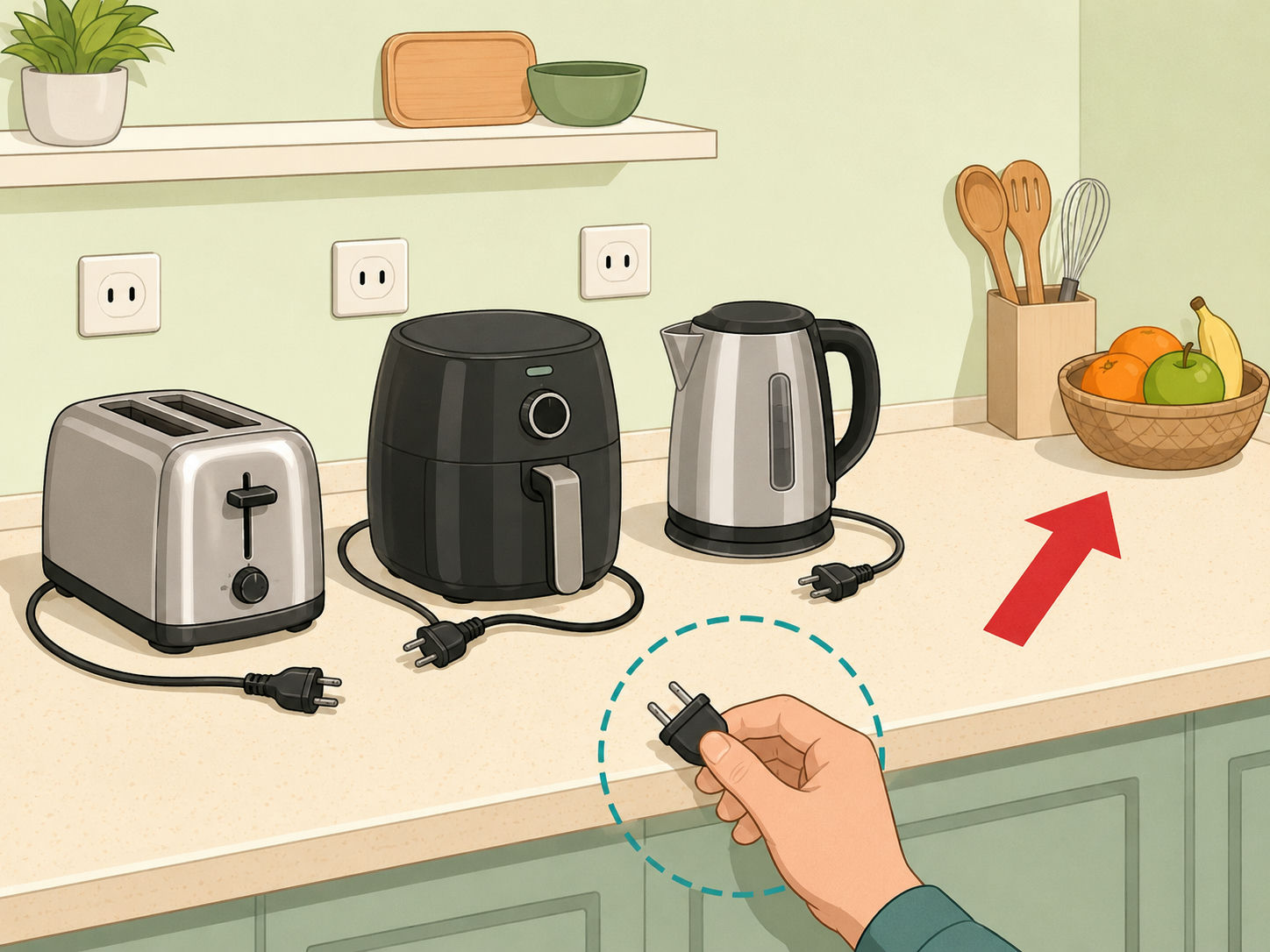
Toasters, toaster ovens, air fryers, kettles, and coffee makers are easy to leave plugged in all day. The biggest concern is not ordinary use, but heat, crumbs, damaged cords, overloaded outlets, accidental activation, and summer storms. This guide shows how to reduce fire risk with simple habits that take less than a minute.
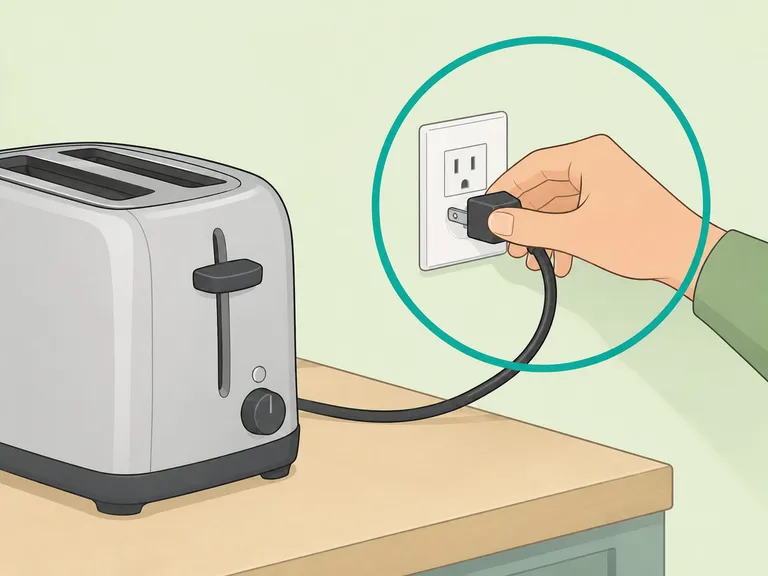
Unplug heat-producing appliances after each use
Make toasters, toaster ovens, air fryers, electric kettles, hot plates, and coffee makers part of your after-cooking shutdown. The U.S. Fire Administration advises unplugging small appliances when they are not in use. Wait until the appliance is off, then pull the plug itself rather than yanking the cord.
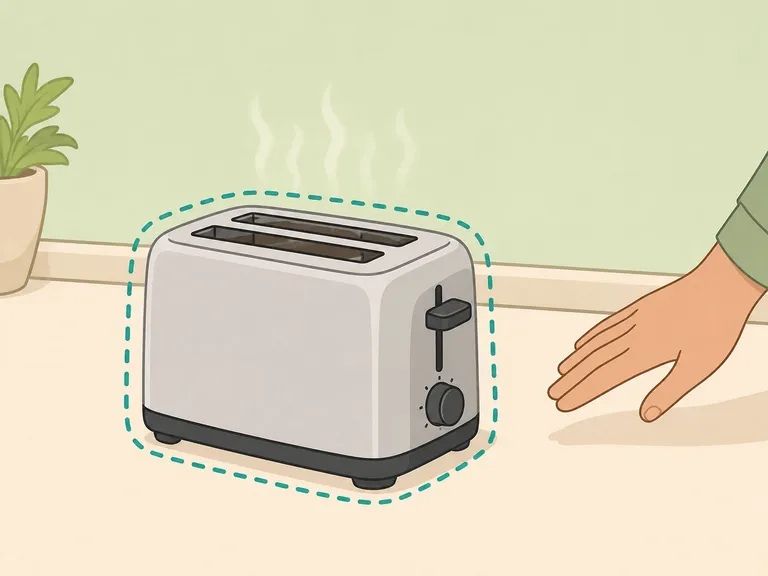
Let the appliance cool before cleaning or storing it
Do not wrap the cord, move the appliance into a cabinet, or cover it while it is still hot. A toaster or air fryer can stay warm after cooking, and heat trapped against plastic, paper, or fabric can raise the risk of damage. Leave it on a clear, heat-safe surface until it is fully cool.
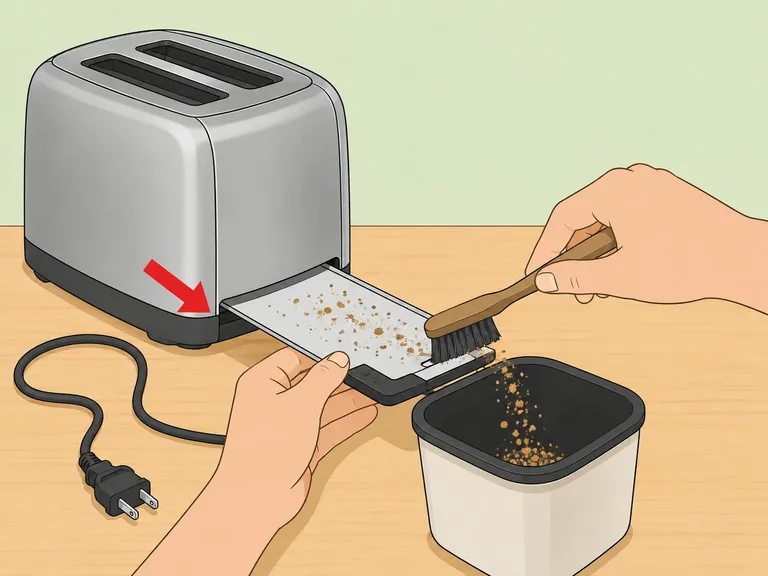
Empty crumbs, grease, and food bits regularly
Crumbs in a toaster tray and grease in an air fryer basket can burn the next time the appliance heats up. Unplug the appliance first, then clean removable trays and baskets according to the manual. Keeping cooking equipment clean supports the broader cooking fire safety goal of reducing fuel near heat.
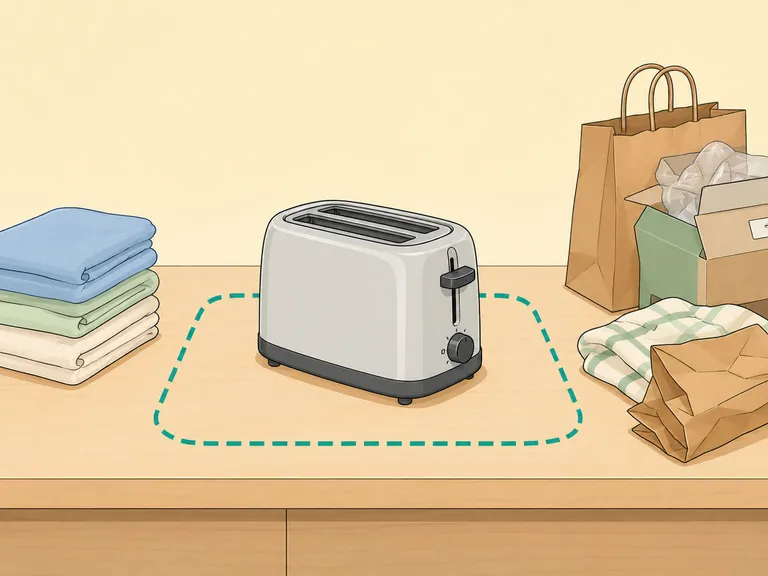
Keep towels, bags, and paper away from the appliance
Clear the counter around any appliance that gets hot. Move dish towels, paper towels, bread bags, recipe cards, packaging, and curtains away before cooking and before you leave the kitchen. The safer setup is a bare space around the appliance with nothing that can burn touching it or hanging over it.
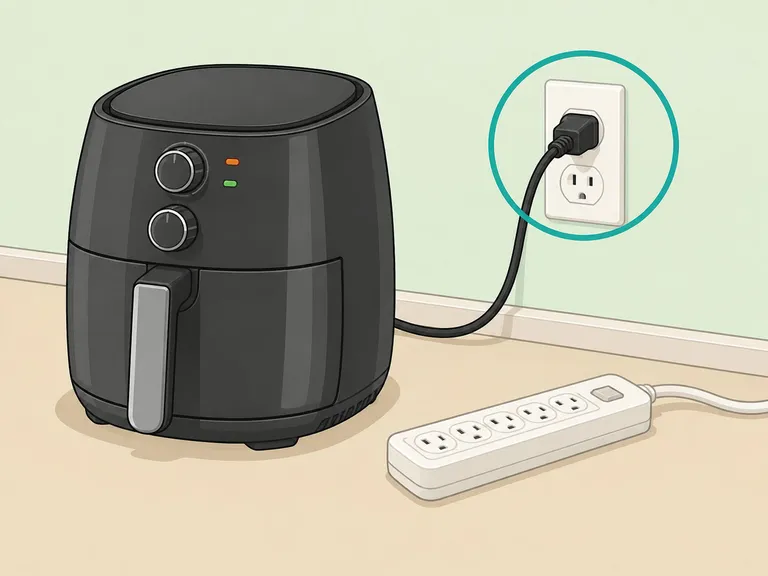
Use one wall outlet for one heat-producing appliance
Plug countertop cooking appliances directly into a wall outlet when you use them, and avoid running more than one high-heat appliance from the same outlet. The USFA warns against overloaded outlets and power strips. If plugs feel loose in the outlet, have the outlet replaced.
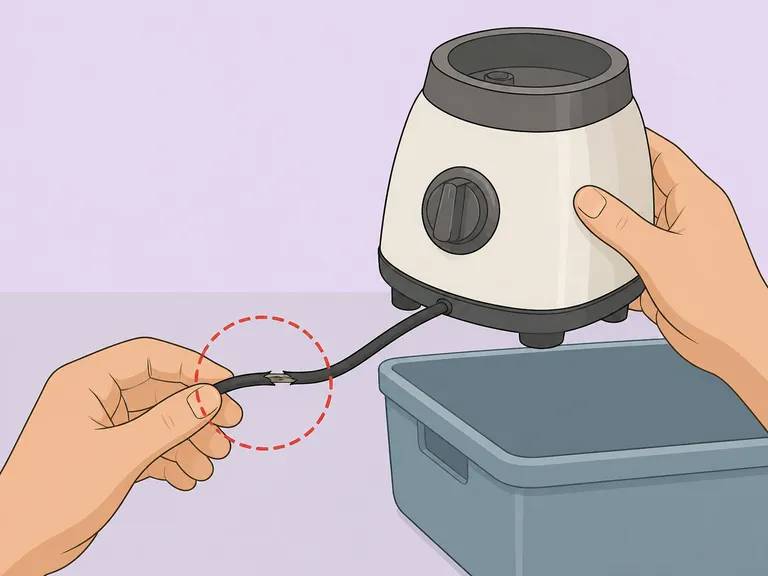
Replace appliances with damaged cords or loose plugs
Before summer heavy-use periods, check the cord, plug, and outlet area. Stop using an appliance if the cord is cracked, frayed, loose, pinched, or unusually warm, because the USFA says appliances with damaged or loose cords should be replaced. Do not repair a heat-producing appliance with tape or keep using it while waiting for a problem to get worse.
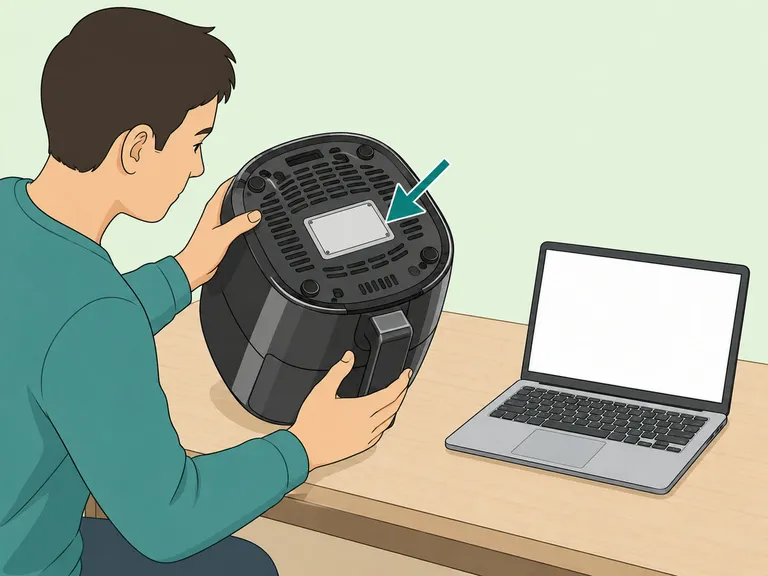
Check recalls before using older air fryers or toaster ovens
Look up the brand and model number if an appliance is older, secondhand, overheating, or behaving strangely. The CPSC has reported recalls for air fryers that could overheat, melt, or catch fire. If your model is recalled, stop using it and follow the official recall instructions.
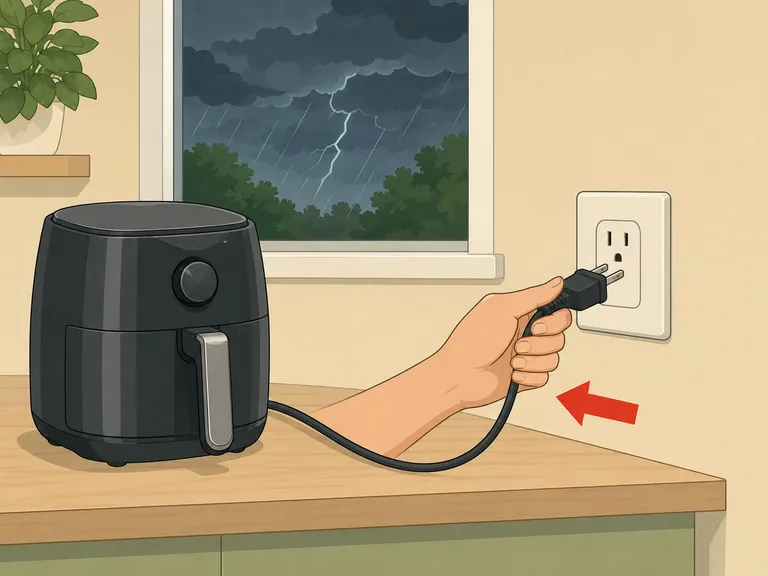
Unplug appliances before summer thunderstorms when you can
Summer storms add another reason to disconnect small appliances before they are needed again. The CDC says lightning can travel through electrical systems and advises avoiding devices connected to outlets during thunderstorms. Unplug before the storm arrives, not while lightning is close.
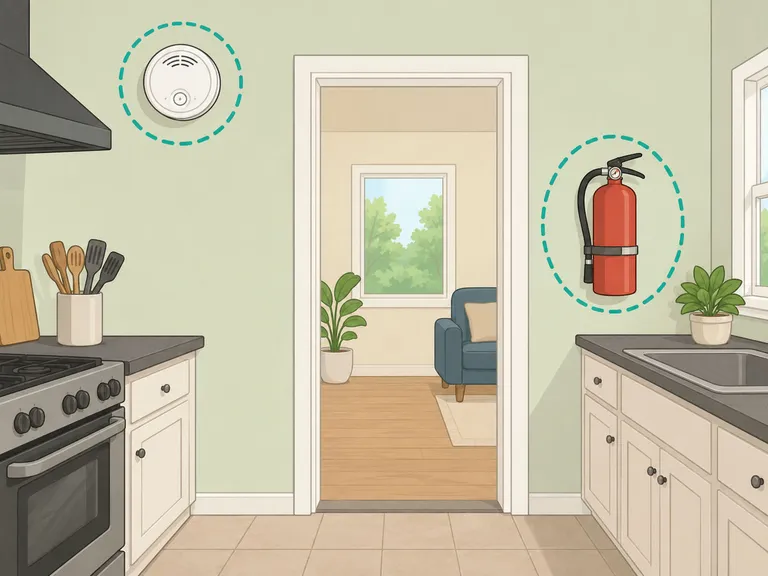
Prepare alarms, extinguishers, and an escape plan
Test smoke alarms, keep exits clear, and know when to leave instead of fighting a fire. A home extinguisher can help only when the fire is small, you have alerted others, someone has called the fire department, and you have a clear escape route, according to USFA extinguisher guidance. If you are unsure, leave the building and call 911.
Article Summary
The bottom line: treat any countertop appliance that makes heat as something to unplug, clean, and keep clear when you are done with it. A clean counter, a sound cord, a single wall outlet, working alarms, and a clear escape plan do more for safety than relying on memory alone.
Frequently Asked Questions
- Which kitchen appliance is riskiest to leave plugged in?
- Any small appliance with a heating element deserves extra caution, especially toasters, toaster ovens, air fryers, electric kettles, hot plates, and coffee makers. The safer habit is to unplug them after use once you can do so safely.
- Do I need to unplug my toaster every time?
- Yes, it is a good everyday habit. The U.S. Fire Administration advises unplugging small appliances when they are not in use, and toasters can hold crumbs that may burn if the appliance malfunctions or turns on accidentally.
- Should I unplug my air fryer after cooking?
- Yes. Let it finish its cycle, turn it off, and unplug it when it is safe to touch the plug. Keep the basket and heating area clean so grease and food particles do not build up.
- Can I plug a toaster or air fryer into a power strip?
- Use a wall outlet instead of a power strip or extension cord whenever possible. Heat-producing appliances draw a lot of power, and overloaded strips or damaged cords can overheat.
- What should I do if my appliance smells hot or the cord is damaged?
- Stop using it, unplug it if it is safe, and replace the appliance or have it repaired by a qualified professional. Do not keep using an appliance with a cracked, loose, frayed, or unusually hot cord.
- What should I do if a plugged-in appliance catches fire?
- Alert everyone, get out if the fire is spreading or you are unsure, and call 911. Only use a fire extinguisher if the fire is small, you have been trained, and you have a clear escape route.
References
Trusted culinary resources helped guide and refine this article.
- https://www.usfa.fema.gov/prevention/home-fires/prevent-fires/appliance-and-electrical
- https://www.usfa.fema.gov/prevention/home-fires/prevent-fires/cooking
- https://www.usfa.fema.gov/prevention/home-fires/prepare-for-fire/fire-extinguishers
- https://www.cdc.gov/lightning/safety/index.html
- https://www.cpsc.gov/Recalls/2024/Best-Buy-Recalls-Insignia-Air-Fryers-and-Air-Fryer-Ovens-Due-to-Fire-Burn-and-Laceration-Hazards