
 Pin this recipe
An electric kettle is simple to use, but a few common habits can make it less efficient, harder to clean, or less safe. This guide shows you how to avoid the mistakes people often make with their kettle, from overfilling it to ignoring limescale. The goal is cleaner water, better-tasting drinks, and a kettle that lasts longer.
Start with fresh cold water
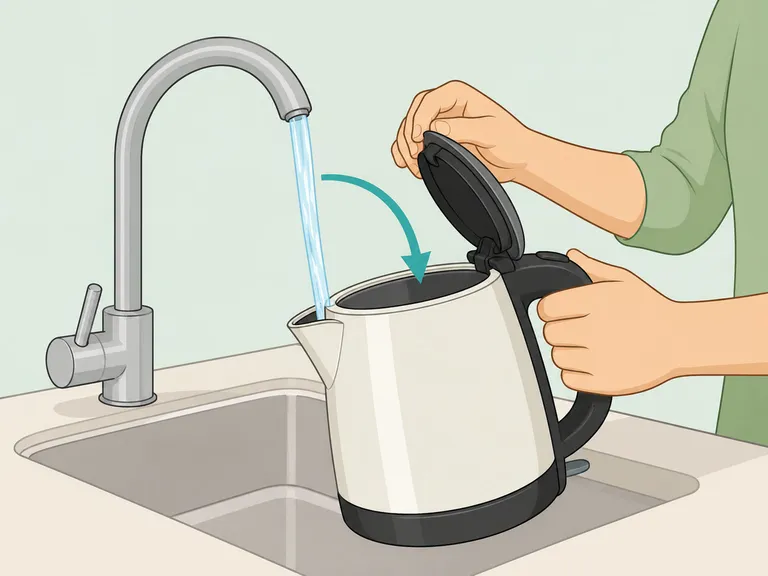
Fill the kettle from the cold tap instead of the hot tap. The EPA advises using only cold water for drinking and cooking because plumbing temperature affects how metals can enter water, and boiling does not remove lead. Let the tap run briefly if water has been sitting in the pipes for several hours.
Fill only to the amount you need
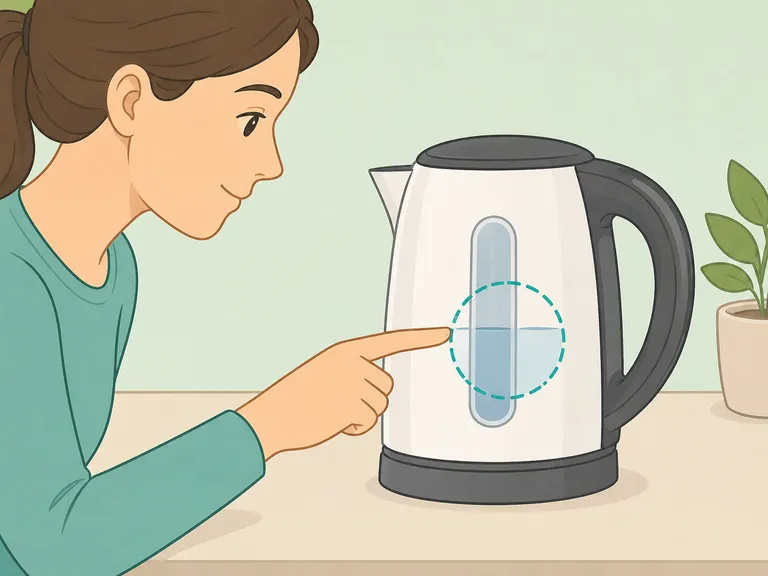
Check the water window and stay between the kettle's minimum and maximum fill marks. Boiling extra water wastes electricity, and the Department of Energy recommends operating appliances efficiently as part of reducing household electricity use. Overfilling can also make boiling water spit from the spout or lid.
Empty leftover water instead of topping it off
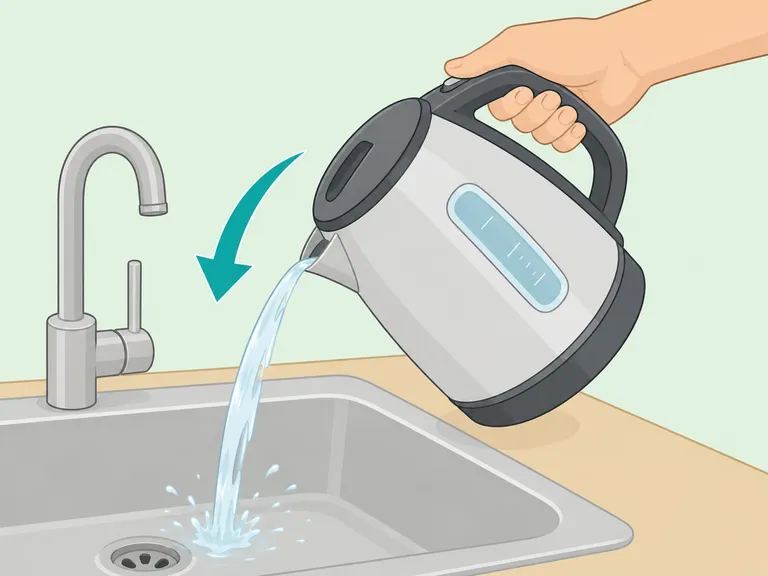
After you make tea or coffee, pour out the leftover water once it cools. The USGS explains that hard water contains dissolved calcium and magnesium, and when hard water is heated, solid calcium carbonate deposits can form. Starting fresh slows the cycle of concentrated minerals building up inside the kettle.
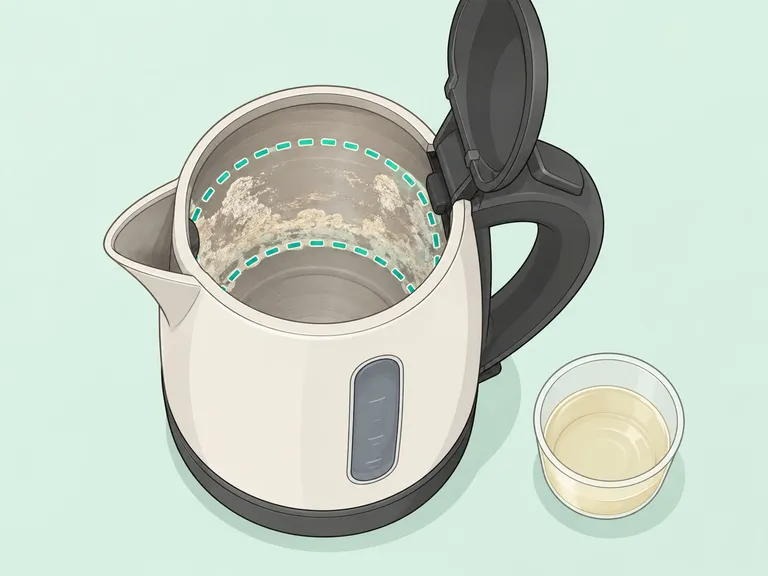
Descale before the buildup gets thick
Look inside the kettle every week or two for chalky white or gray deposits. Mineral scale can lower heating efficiency and raise the cost of heating water, according to the USGS water hardness guide. Use the descaling method approved in your manual, then rinse thoroughly and boil plain water once or twice before making drinks.
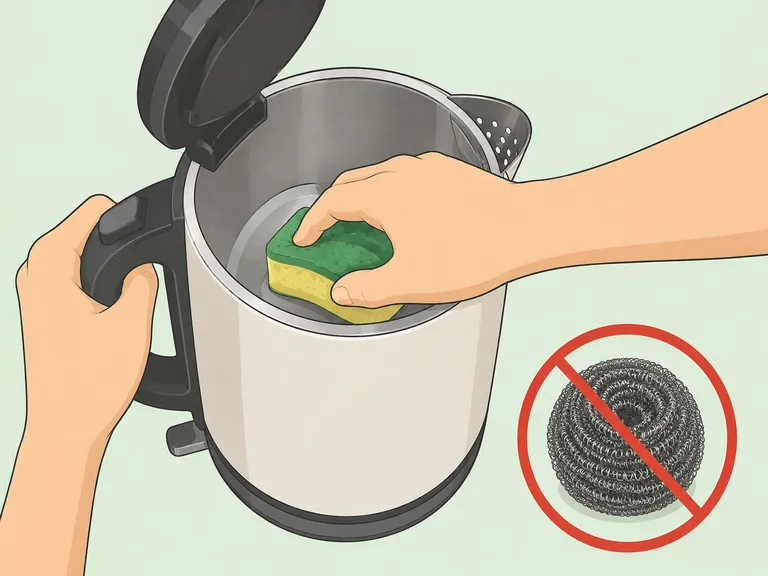
Avoid harsh scrubbing inside the kettle
Do not scrape the inside with steel wool, knives, or abrasive pads. A mild acid such as vinegar can help dissolve mineral particles, as the USGS notes in its explanation of vinegar and mineral buildup. Let the descaler do the work, then wipe gently with a soft cloth or sponge.
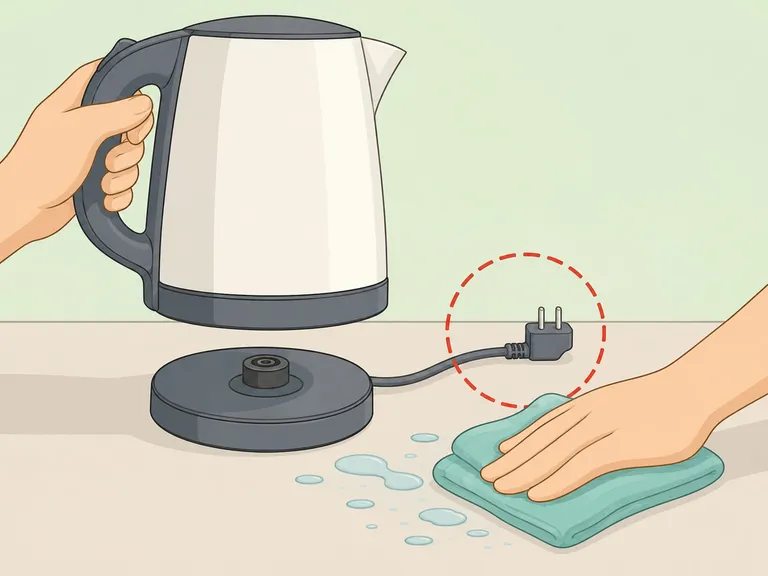
Keep the base, cord, and outlet dry
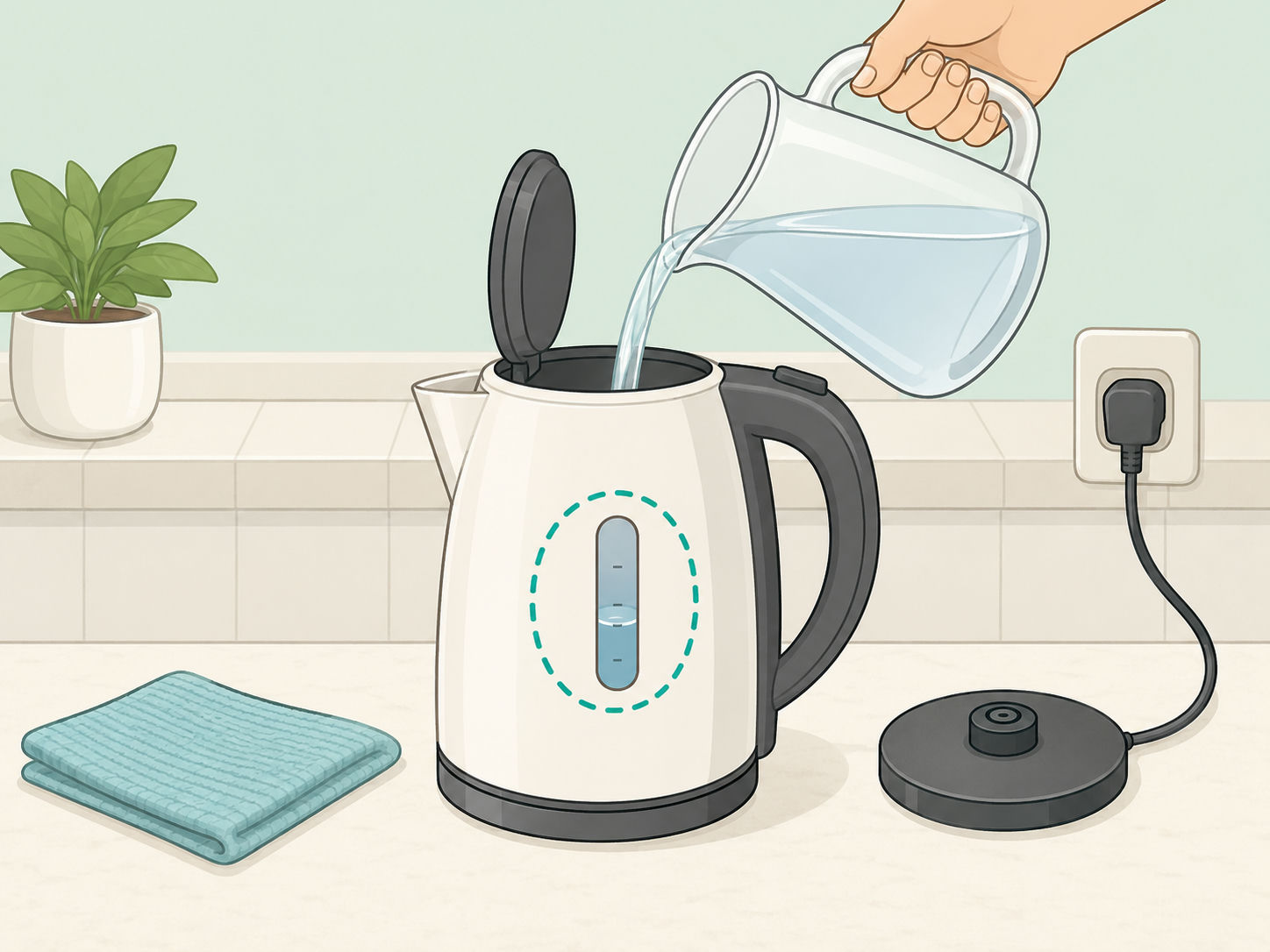
Lift the kettle off the base before filling it, and wipe drips before setting it back down. Electrical malfunctions are a major home fire risk, and ESFI recommends watching for warning signs such as tripping breakers, buzzing outlets, and underpowered appliances in its home electrical safety guidance. Stop using the kettle if the plug, cord, base, or outlet looks damaged.
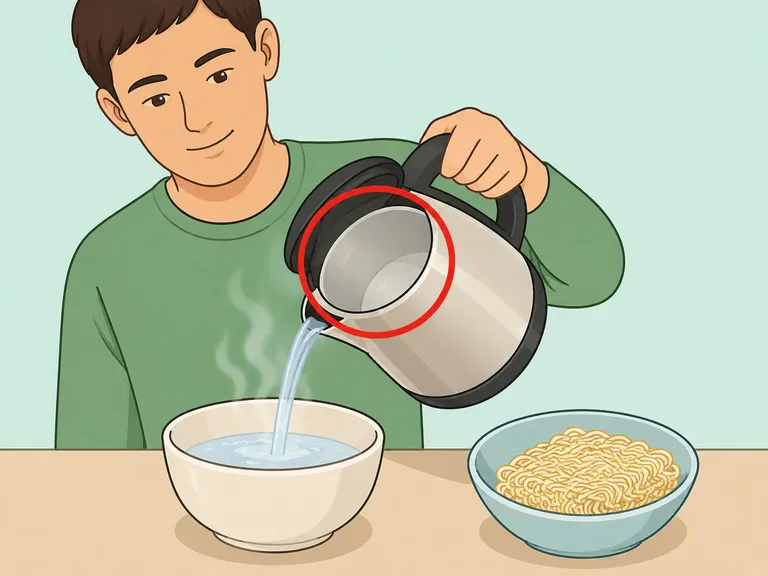
Use the kettle for water only
Unless the manufacturer specifically says otherwise, do not heat milk, soup, coffee, noodles, or seasoned liquids directly in the kettle. These can foam, burn onto the heating surface, clog the filter, and leave odors that are difficult to remove. Boil water first, then pour it into a mug, bowl, or pot.
Follow boil-water advisories correctly
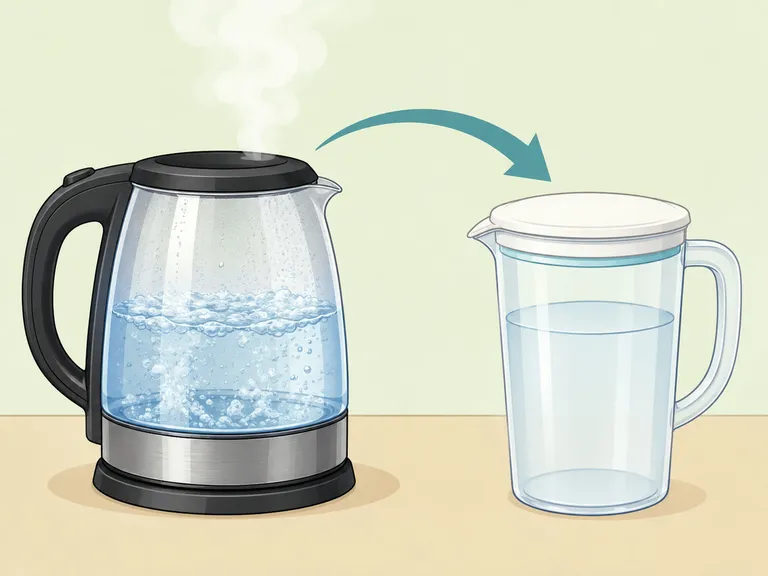
If local officials issue a boil-water advisory, do not assume a quick kettle cycle is enough unless the water reaches a rolling boil. The EPA says emergency drinking water should be brought to a rolling boil for at least one minute, or three minutes above 5,000 feet, then cooled and stored in clean covered containers. If officials warn about chemical contamination, follow their instructions because boiling does not remove most chemicals or heavy metals.
Article Summary
The bottom line: treat your kettle like a small heating appliance, not just a jug. Fresh cold water, correct fill levels, regular descaling, and dry electrical parts prevent most everyday kettle problems.
Frequently Asked Questions
- Is it bad to reboil water in a kettle?
- Reboiling once is not usually a problem, but it is better to empty leftover water and start fresh. Repeated topping off can leave more mineral residue behind as water evaporates.
- How often should I descale my kettle?
- Descale when you see white, gray, or chalky buildup inside. In hard-water areas or with daily use, that may mean monthly; in softer-water areas, every few months may be enough.
- Can I use vinegar to descale an electric kettle?
- Often, yes, but check your kettle manual first. If vinegar is allowed, rinse and boil fresh water afterward until there is no vinegar smell or taste.
- Should I fill the kettle with hot tap water to make it boil faster?
- No. Use cold tap water for drinking and cooking, then heat it in the kettle. Hot tap water can contain more metals from plumbing, and boiling does not remove lead.
- Can I cook noodles or soup directly in an electric kettle?
- Do not do this unless your model is specifically designed for food. Starch, milk, oils, and seasoning can foam, scorch, clog filters, and make the kettle harder to clean.
- What should I do if my kettle smells burnt or the cord looks damaged?
- Stop using it, unplug it, and replace it or have it checked by a qualified repair professional. A damaged cord, plug, or base is not worth the electrical risk.
References
Trusted culinary resources helped guide and refine this article.
- https://www.epa.gov/ground-water-and-drinking-water/basic-information-about-lead-drinking-water
- https://www.energy.gov/energysaver/reducing-electricity-use-and-costs
- https://www.usgs.gov/water-science-school/science/hardness-water
- https://www.esfi.org/home-electrical-safety
- https://www.epa.gov/ground-water-and-drinking-water/emergency-disinfection-drinking-water