
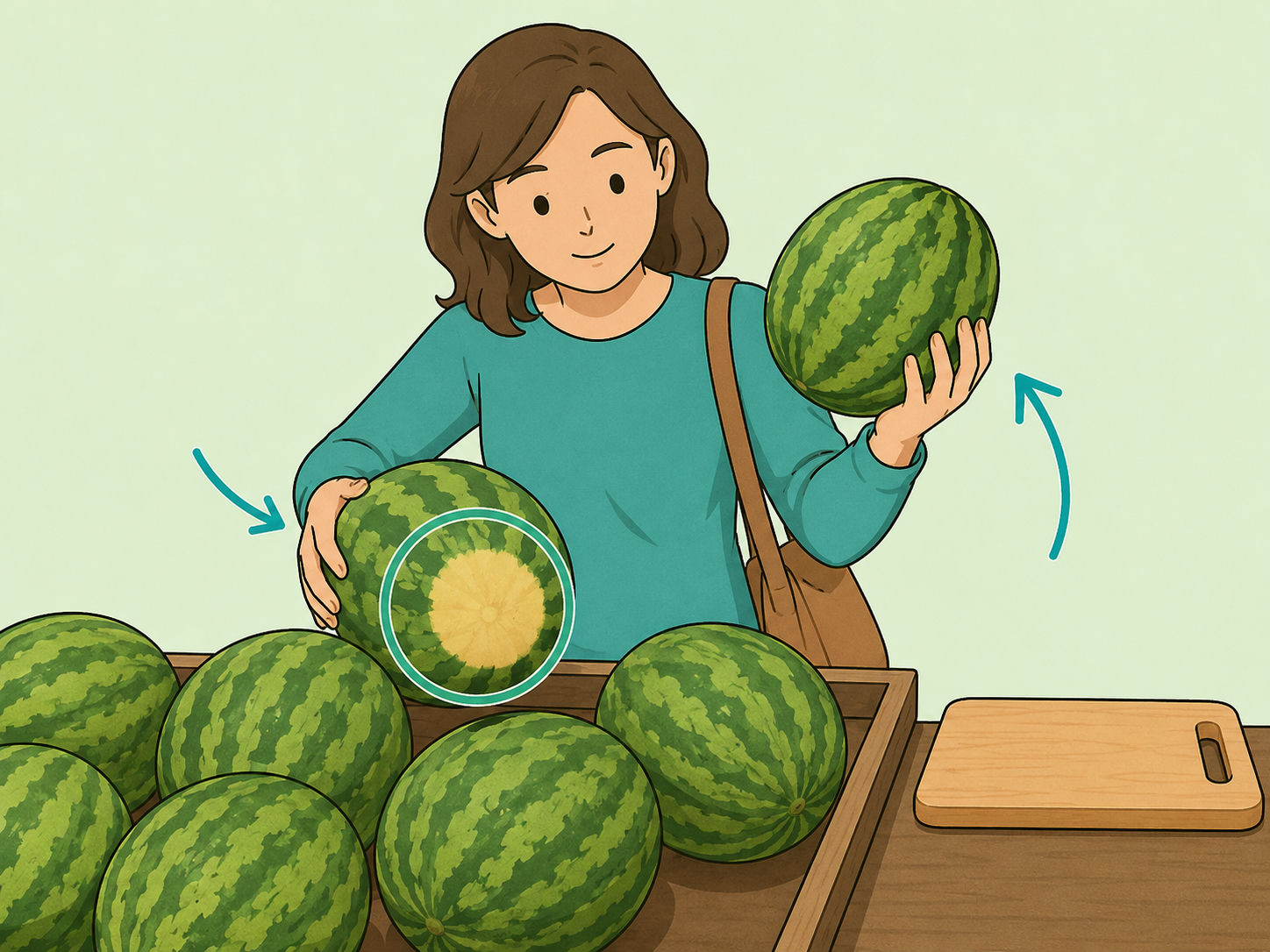
 Pin this recipe
A good watermelon should be sweet, juicy, and safe to cut into. You cannot see the flesh before buying a whole melon, but a few simple checks can help you choose better. This guide shows you what to look for at the store or farmers market and how to handle the melon once you bring it home.
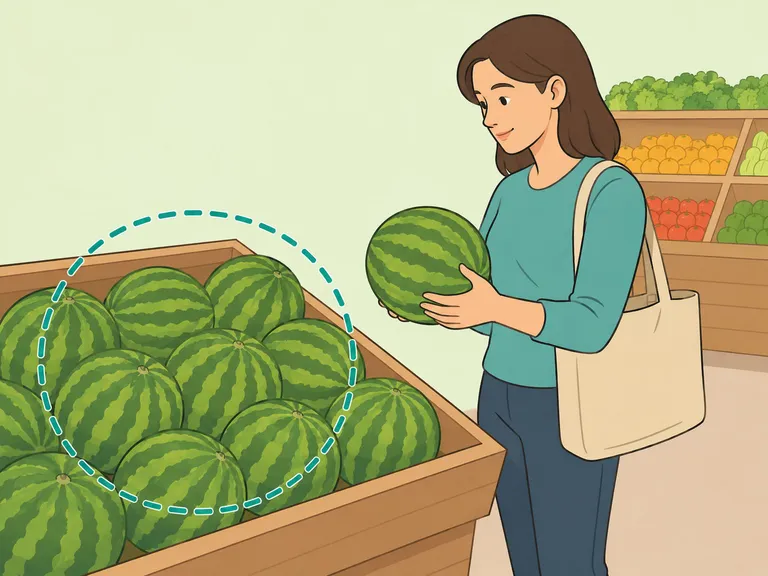
Compare watermelons from the same pile
Start by comparing melons that are about the same size and variety, since rind color and shape can vary. The Watermelon Board recommends the simple “look, lift, turn” method: inspect the melon, lift it, then check the underside. Using several clues together is more reliable than picking the first large melon you see.
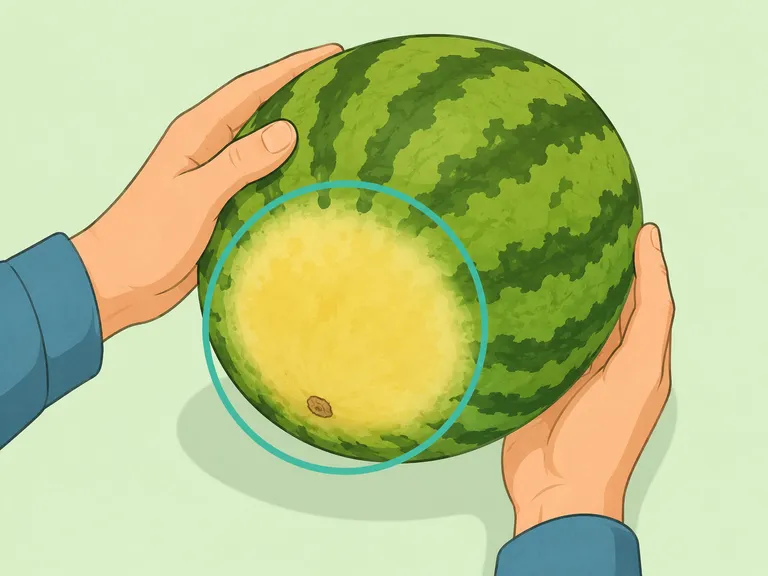
Look for a creamy yellow field spot
Turn the watermelon over and find the pale patch where it rested on the ground. A creamy yellow or golden field spot is a strong sign the melon ripened in the sun, while a white or greenish spot can point to an underripe melon, according to Good Housekeeping’s ripeness guide. Skip melons with no clear field spot if better options are available.
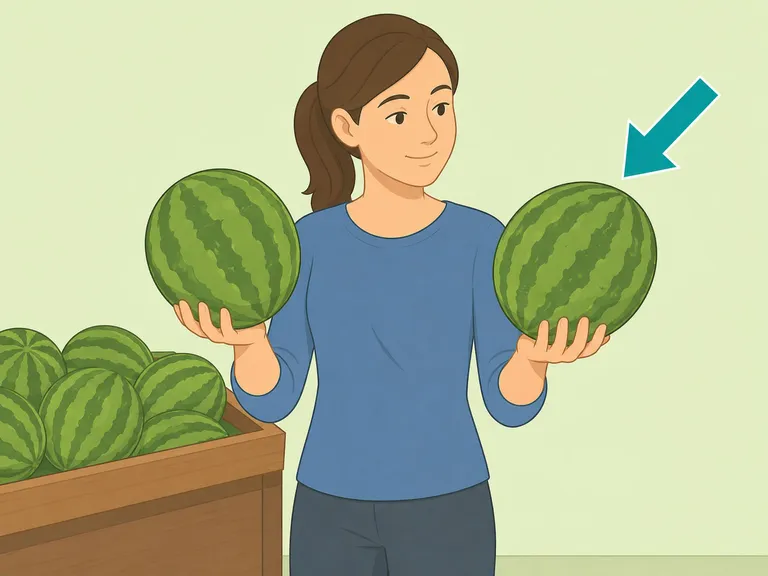
Pick one that feels heavy for its size
Lift two similar-size melons and choose the one that feels heavier. Watermelon is mostly water, so a heavy feel for its size usually points to juicier flesh. If a melon feels surprisingly light, it may be dry, underripe, or past its best.
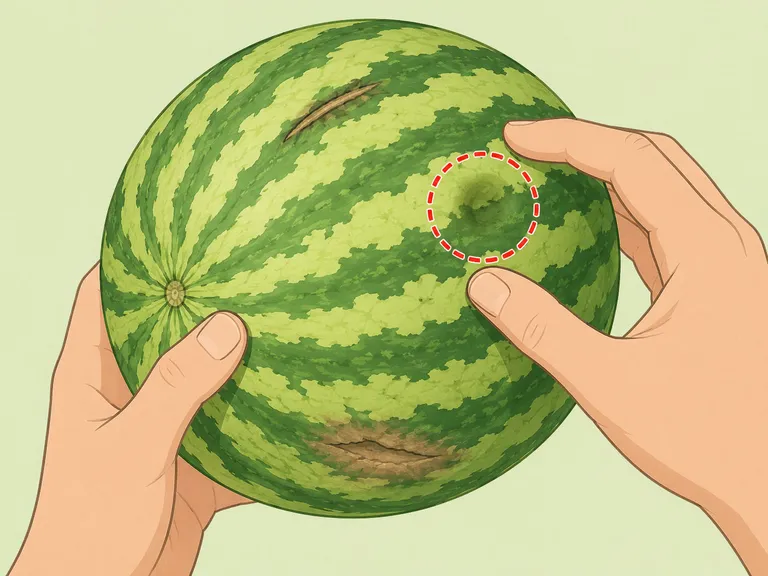
Choose a firm, undamaged rind
Look over the whole surface before putting the melon in your cart. A good watermelon should be firm and free from deep bruises, cuts, dents, cracks, or soft spots, which are warning signs noted by Allrecipes’ selection guide. Small surface scratches are usually fine as long as the rind is not broken.
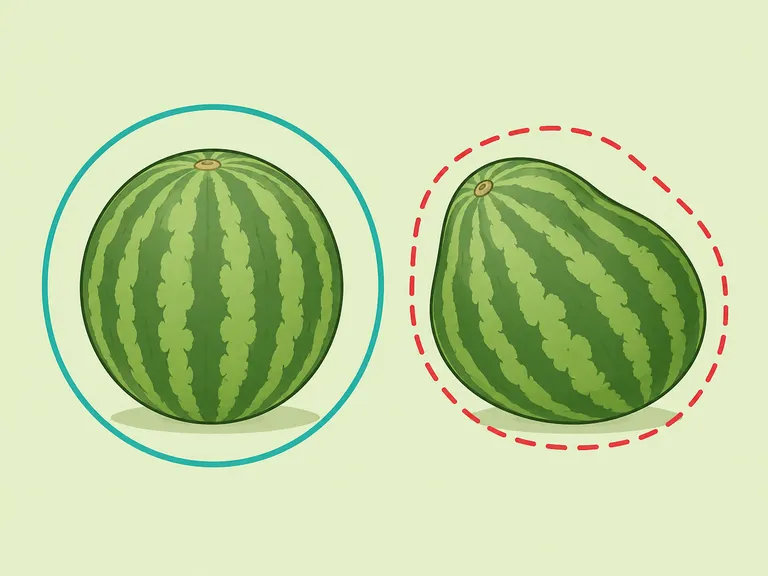
Favor a balanced, even shape
Choose a round or oval melon that looks symmetrical and evenly filled out. Flat sides, large lumps, or a lopsided shape can suggest uneven growing conditions, and The Spruce Eats notes that a good whole watermelon should be symmetrical and heavy for its size. Shape alone does not prove sweetness, but it helps you rule out weaker choices.
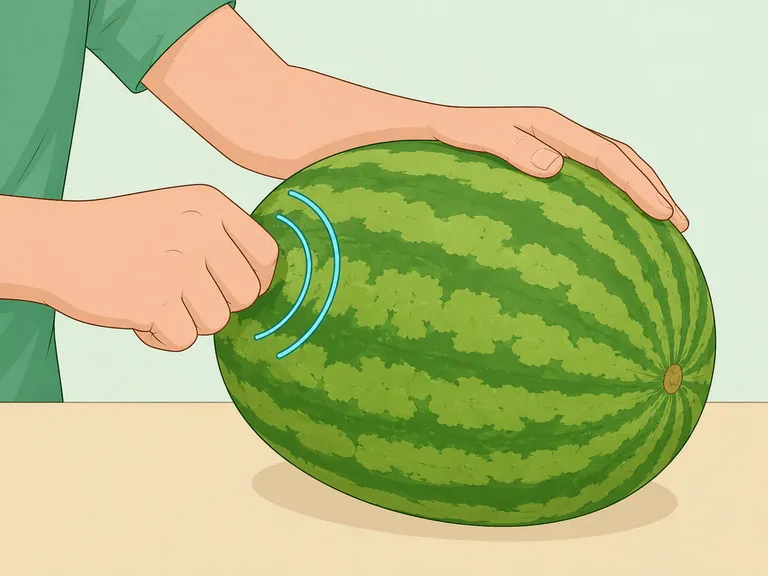
Use the tap test as a tie-breaker
Tap the melon gently with your knuckles and listen for a deep, hollow, drum-like sound. Better Homes & Gardens explains that a flat or dead thud can suggest bruising, overripeness, or poor juiciness. Treat sound as a final check, not a replacement for the field spot and weight tests.
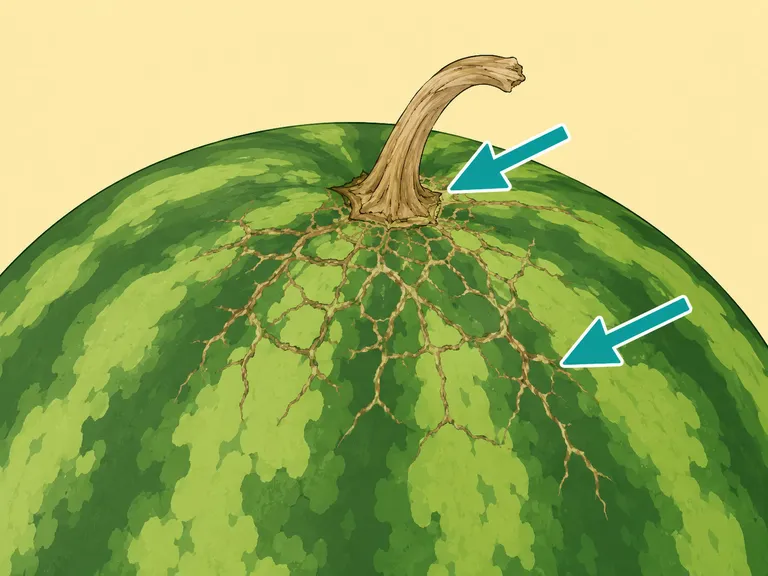
Check the stem and webbing last
If a stem is still attached, a dry brown stem is a better sign than a green one, but many store-bought watermelons have little stem left. Brown web-like marks on the rind can also be a promising clue, though Good Housekeeping describes these as supporting signs rather than the main test. Let the field spot, weight, and rind condition decide if these clues conflict.
Wash and store it safely before cutting
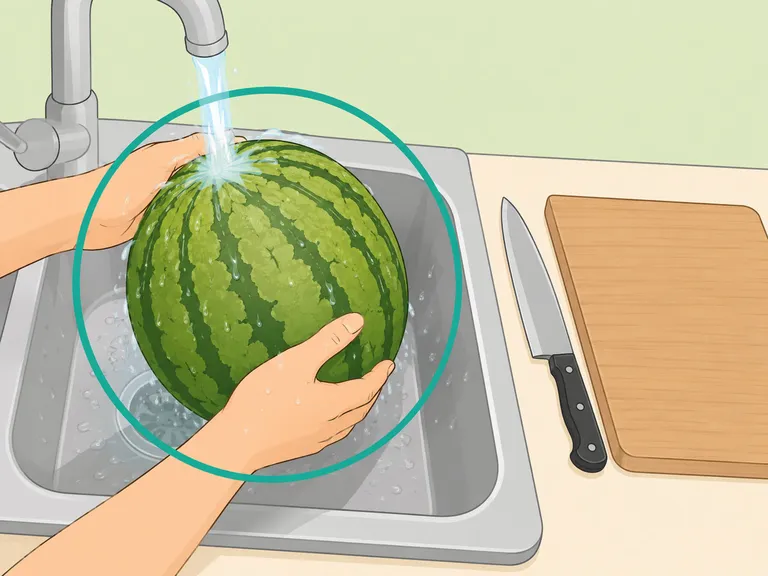
Rinse the outside under running water, scrub the firm rind if needed, and dry it before slicing. A knife can move bacteria from the rind into the flesh, so safe handling advice recommends washing, using clean tools, and refrigerating cut watermelon within 2 hours. Store cut pieces in a sealed container in the refrigerator.
Article Summary
The bottom line: use several clues together instead of trusting one trick. A firm rind, heavy feel, creamy yellow field spot, and clean storage habits give you the best chance of bringing home a sweet, juicy watermelon.
Frequently Asked Questions
- What is the best sign of a ripe watermelon?
- A creamy yellow field spot is one of the most useful signs. It shows where the watermelon rested on the ground while ripening, and a white or greenish spot usually means it was picked too early.
- Should a watermelon sound hollow when tapped?
- A deep, hollow sound can be a helpful extra clue, but it should not be your only test. Use it after checking the field spot, weight, firmness, and rind condition.
- Does watermelon ripen after you buy it?
- No. Watermelons are picked when ripe, so an underripe melon will not become sweeter on the counter. That is why choosing carefully at the store matters.
- Is a shiny watermelon good or bad?
- A very shiny rind can be a sign that the melon is underripe. Look for a firm rind with a natural, slightly dull or waxy finish rather than a glossy one.
- Can I buy pre-cut watermelon instead?
- Yes, but choose pieces with bright, fresh-looking flesh and avoid containers with lots of liquid, dryness, cracking, or an off smell. Keep pre-cut watermelon refrigerated.
- Do I need to wash a watermelon if I do not eat the rind?
- Yes. Wash and dry the rind before cutting because a knife can carry bacteria from the outside into the edible fruit.
References
Trusted culinary resources helped guide and refine this article.
- https://www.watermelon.org/the-slice/how-to-choose-a-watermelon
- https://www.goodhousekeeping.com/food-recipes/cooking/a71162887/how-to-tell-if-watermelon-is-ripe
- https://www.allrecipes.com/article/how-to-pick-watermelon
- https://www.bhg.com/recipes/seasonal/watermelon-tricks
- https://www.verywellhealth.com/watermelon-prep-food-poisoning-12012570
- https://www.thespruceeats.com/watermelon-storage-and-selection-1807930