
 Pin this recipe
A toaster is easy to overlook because it sits quietly on the counter, but it is still a heat-producing electrical appliance. This guide shows you how to reduce fire risk from the toaster and other small kitchen appliances during busy summer routines, vacations, and stormy weather. The habits are simple: unplug, clean, inspect, and prepare your kitchen for a fast response.
Unplug the toaster after every use
Make unplugging the toaster part of the same routine as removing the toast. The U.S. Fire Administration advises unplugging small appliances when they are not in use, and a toaster is one of the easiest appliances to disconnect. Let it cool before moving it or storing it.
Empty the crumb tray regularly
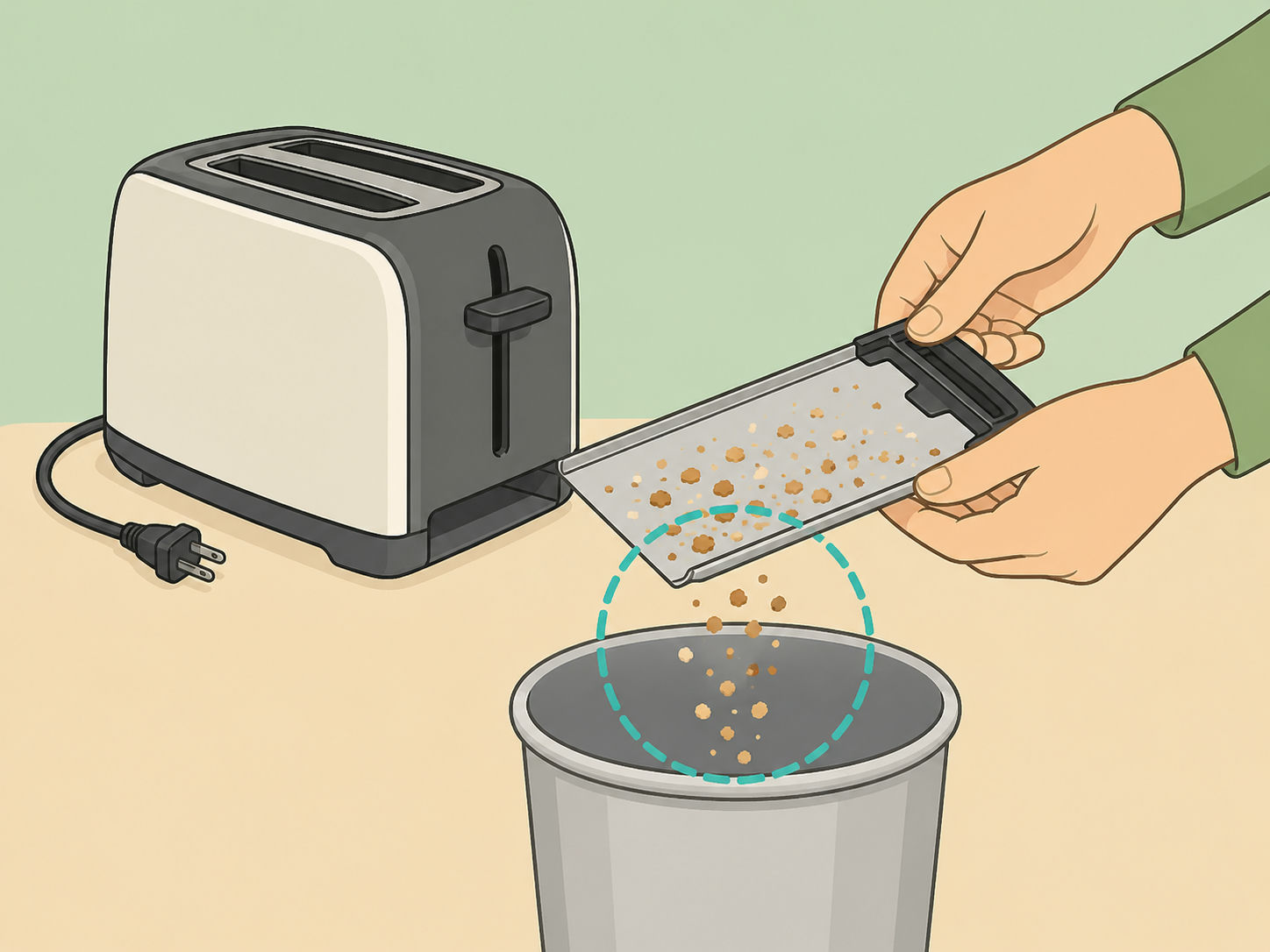
Pull out the crumb tray when the toaster is unplugged and fully cool, then shake crumbs into the trash. Crumbs and stuck food can smoke, scorch, or ignite near heating elements, so keeping the toaster clean supports the broader cooking fire safety goal of controlling heat and fuel sources. Never rinse the toaster body or put the appliance in water.
Keep towels and packaging away from the toaster
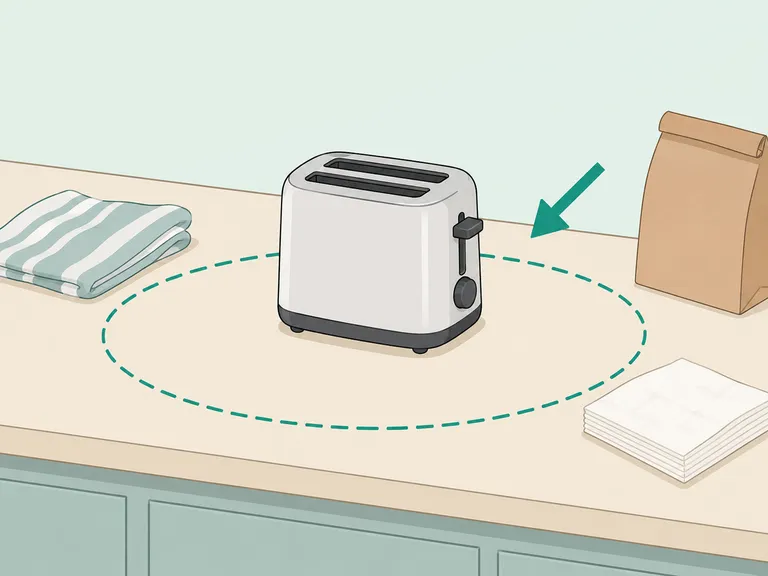
Clear dish towels, paper towels, bread bags, napkins, and cardboard away from the toaster before you push the lever down. Fire safety guidance warns to keep anything that can burn away from heat sources, and kitchen counters often collect exactly those items. Leave open space around the toaster so heat can escape.
Check the cord and plug before summer travel
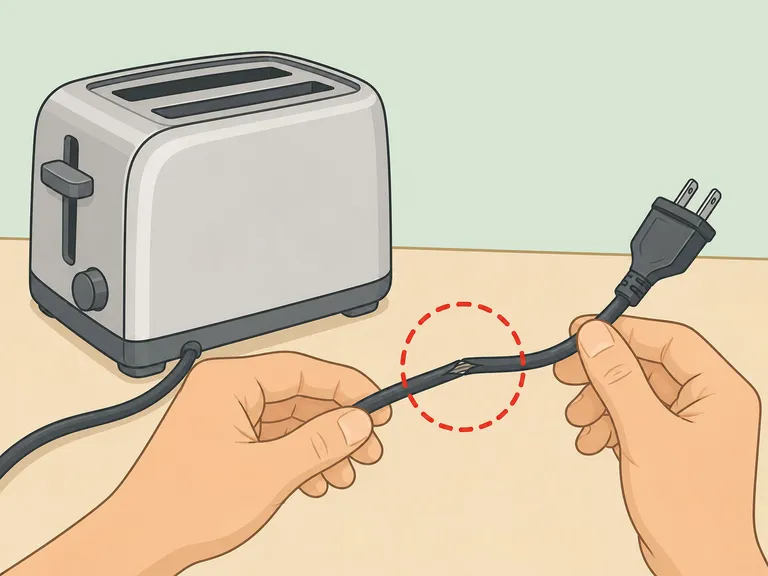
Before a trip or a long day out, look at the toaster cord, plug, and outlet. Replace the appliance if the cord is cracked, loose, scorched, or damaged, because damaged appliance cords are a fire-safety concern. Make sure the plug fits firmly in the outlet and is not partly hanging out.
Avoid overloading the outlet
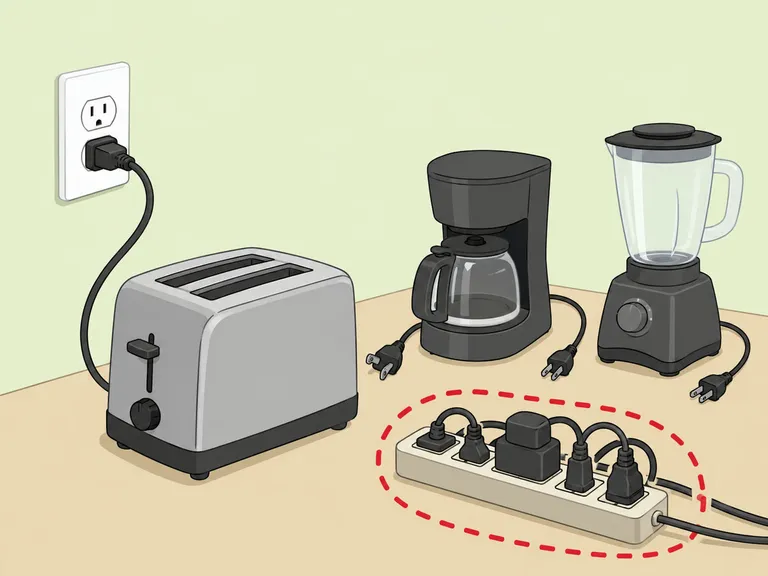
Do not run the toaster, air fryer, kettle, and coffee maker from the same overloaded outlet or power strip. The U.S. Fire Administration says not to overload outlets and to insert plugs fully into sockets, which is especially important for heat-producing appliances. If breakers trip, outlets feel warm, or plugs fit loosely, stop using that outlet and contact a qualified electrician.
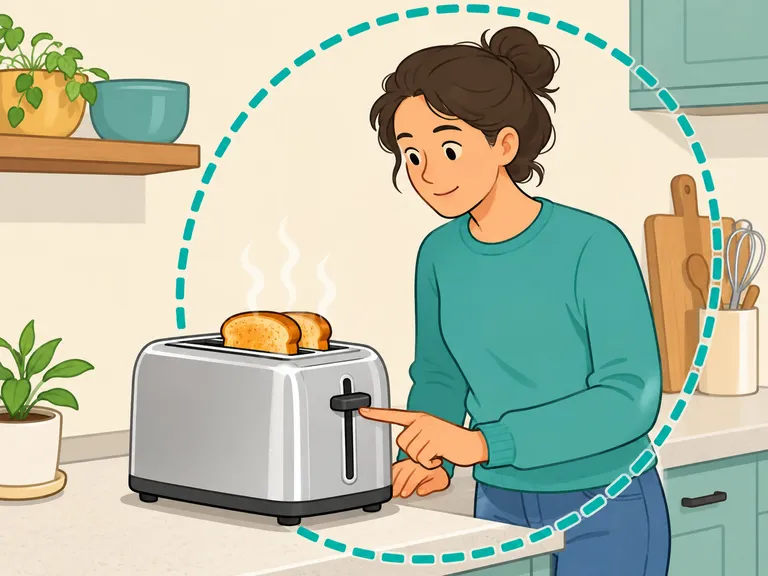
Stay nearby while the toaster is heating
Do not start toast and leave the kitchen, especially when children, pets, or guests are moving around. Cooking is the leading cause of home fires and home fire injuries, and unattended equipment is a major factor in cooking fires. If you need to step away, cancel the cycle and unplug the toaster.
Test smoke alarms before the season gets busy
Working alarms give you time to react if something overheats or starts smoking. Install alarms inside and outside sleeping areas and on every level of the home, and test them monthly as recommended in USFA smoke alarm guidance. Replace smoke alarms that are past the manufacturer date or no longer test properly.
Keep a safe response plan ready
Know when to leave instead of trying to fight a fire. The USFA notes that residents may have less than 2 minutes to escape once a smoke alarm sounds, so keep exits clear and choose an outside meeting place. If you keep a fire extinguisher, choose one rated for the likely fire type and learn how to use it before an emergency; Class C extinguishers are intended for energized electrical equipment.
Article Summary
The bottom line: treat your toaster like any other heat-producing appliance. Unplug it after use, keep crumbs and clutter away from the heating area, use a safe outlet, and make sure alarms and an escape plan are ready before you need them.
Frequently Asked Questions
- Should I unplug my toaster every day?
- Yes. The U.S. Fire Administration advises people to unplug small appliances when they are not being used, and a toaster is a small appliance with a heating element.
- Is turning the toaster off enough?
- Unplugging is safer because it removes power from the appliance. This is especially useful before leaving home, going to bed, cleaning the toaster, or leaving for vacation.
- How often should I empty the crumb tray?
- Empty it often, especially if you use the toaster daily. Crumbs and stuck food can smoke or burn, so clean the tray whenever you notice buildup.
- Can I plug a toaster into a power strip?
- Use a wall outlet whenever possible and avoid overloading outlets or power strips. Heat-producing kitchen appliances can draw a lot of current, so follow the toaster manual and the outlet safety guidance from fire-safety authorities.
- What are signs that a toaster should be replaced?
- Replace it if the cord is cracked, loose, scorched, or damaged, if the plug does not fit snugly, or if the toaster sparks, smokes after cleaning, or turns on unpredictably.
- What should I do if my toaster catches fire?
- If there is any doubt about safety, leave immediately and call emergency services. Only consider using a suitable extinguisher if the fire is small, contained, you have a clear escape route, and you know how to use the extinguisher.
References
Trusted culinary resources helped guide and refine this article.
- https://www.usfa.fema.gov/prevention/home-fires/prevent-fires/appliance-and-electrical
- https://www.usfa.fema.gov/prevention/home-fires/prevent-fires/cooking
- https://www.usfa.fema.gov/prevention/home-fires/prepare-for-fire/smoke-alarms
- https://www.usfa.fema.gov/prevention/home-fires/prepare-for-fire/fire-extinguishers
- https://www.usfa.fema.gov/prevention/home-fires/prepare-for-fire/home-fire-escape-plans