
 Pin this recipe
You do not need oil to make an egg release cleanly from the pan, but you do need the right pan, gentle heat, and a little steam. This guide shows a simple water-steam method for fried or lightly set eggs, plus the safety and cleanup habits that keep the result reliable. It is not a magic trick; it is a controlled way to cook the egg before it has a chance to stick.
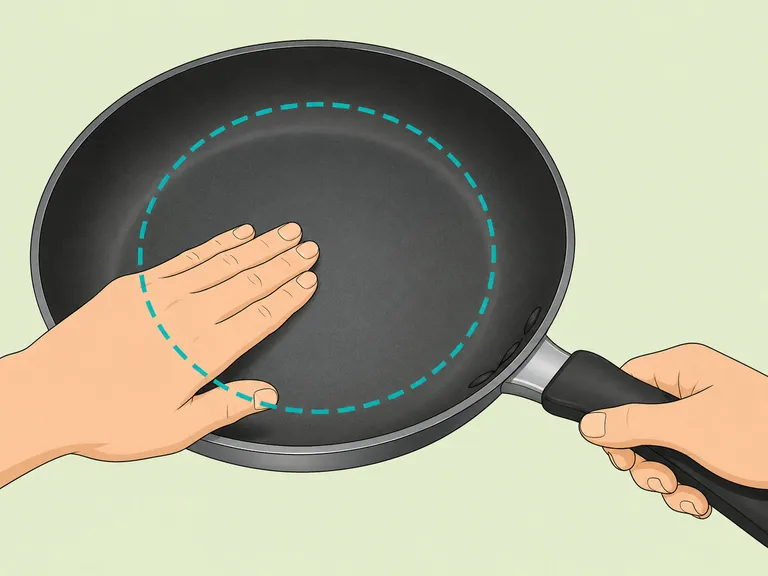
Choose a clean nonstick skillet
Use a small, smooth nonstick pan with no peeling, deep scratches, or sticky residue. Nonstick skillets are especially useful for delicate foods like eggs, but they perform best when the coating is intact and clean, as Serious Eats notes in its nonstick pan care guide.
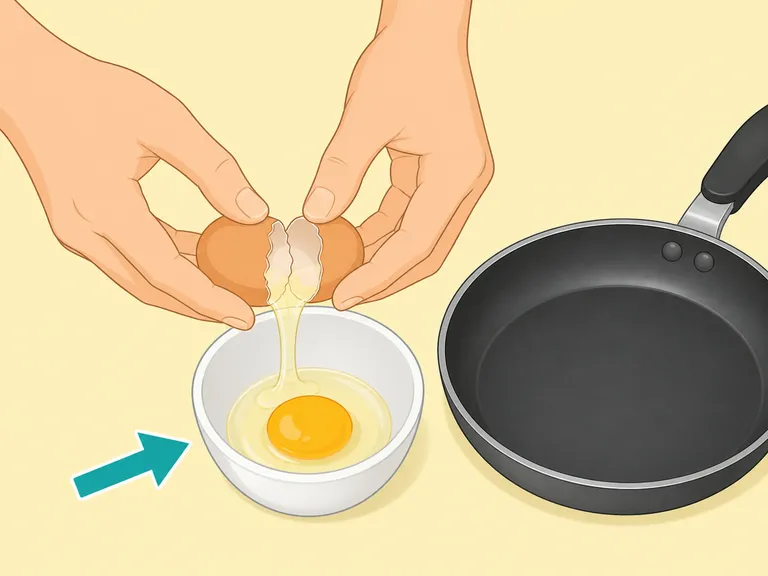
Crack the egg into a small bowl first
Crack the egg into a ramekin or small bowl before it goes into the pan. This lets you remove shell pieces, check that the egg looks normal, and slide it into the skillet gently. The FDA recommends careful handling of raw eggs because even clean, uncracked eggs can carry Salmonella.
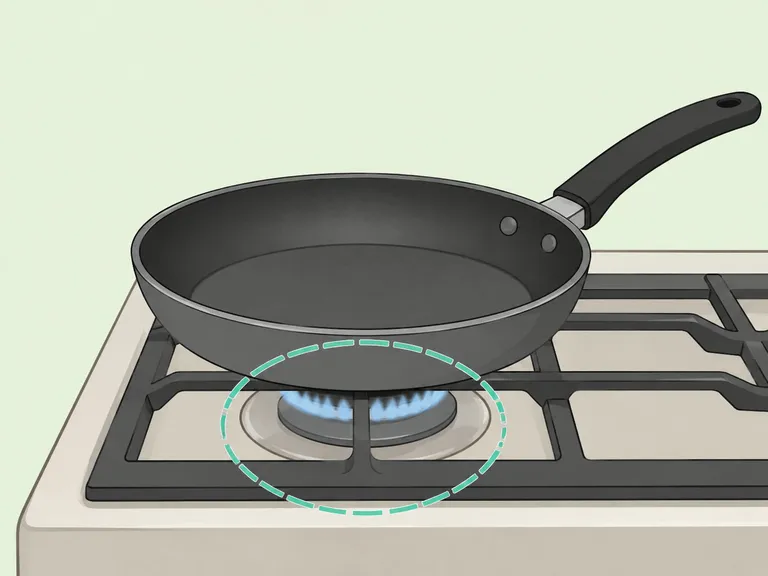
Warm the pan over low to medium-low heat
Set the empty pan over low or medium-low heat for a short, gentle warmup. Avoid high heat with nonstick cookware because overheating can damage the coating, and nonstick pans perform best away from high heat. The goal is a warm surface, not a smoking-hot one.
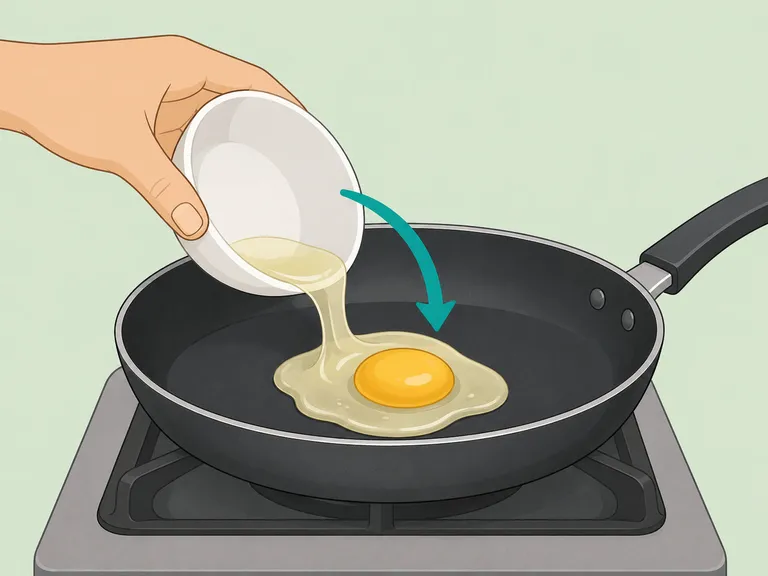
Slide the egg into the pan gently
Tip the bowl close to the pan and let the egg slide in without splashing. Keep the yolk centered and avoid moving the egg for the first few seconds so the bottom can begin setting. Eggs are a source of protein and other nutrients, but Harvard's Nutrition Source points out that they are best considered in the context of the whole meal, including what you serve with them.
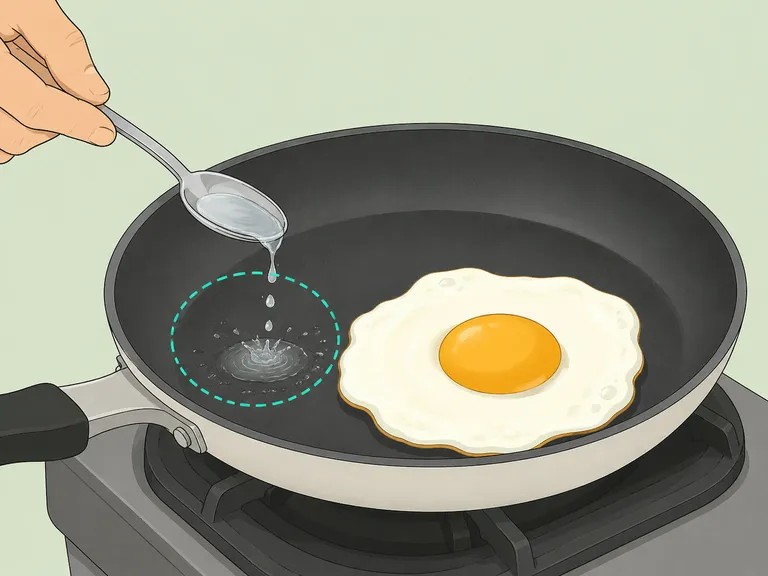
Add a teaspoon of water beside the egg
Pour 1 teaspoon of water near the edge of the skillet, not directly onto the egg. The water should sizzle softly and create steam, which helps cook the top of the egg without oil. This is the same basic idea behind the fry-steam method for setting egg whites.
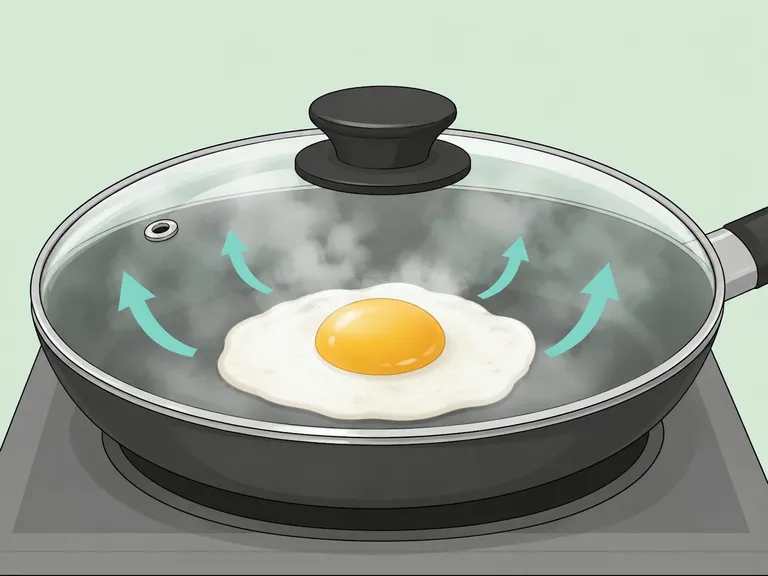
Cover the pan to trap steam
Put on a lid and cook the egg gently until the white turns opaque. Steam cooks from above while the pan cooks from below, so the egg sets more evenly without flipping. For the most conservative food-safety target, FoodSafety.gov says raw eggs should be cooked until both yolk and white are firm.
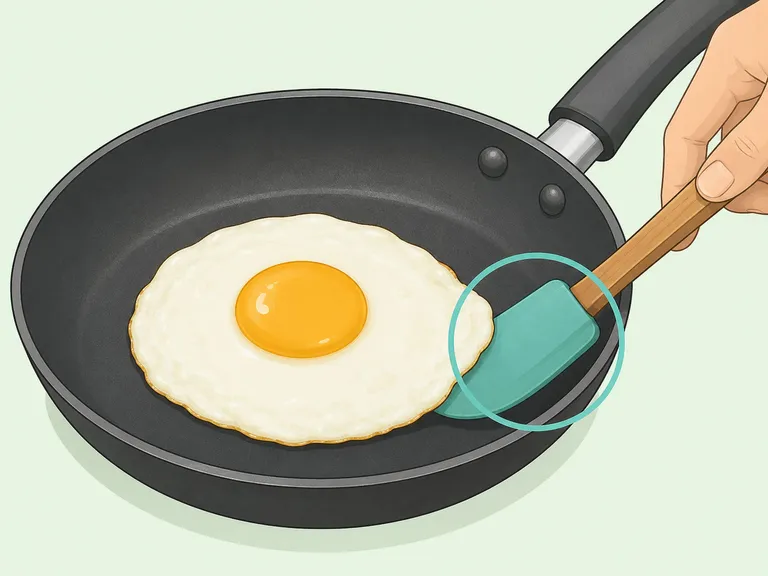
Loosen the edges with a silicone spatula
When the white is set, slide a thin silicone spatula around the edge of the egg. If it resists, cover the pan for another 15 to 30 seconds instead of scraping hard. Soft utensils help protect nonstick coatings, while metal tools can scratch them.
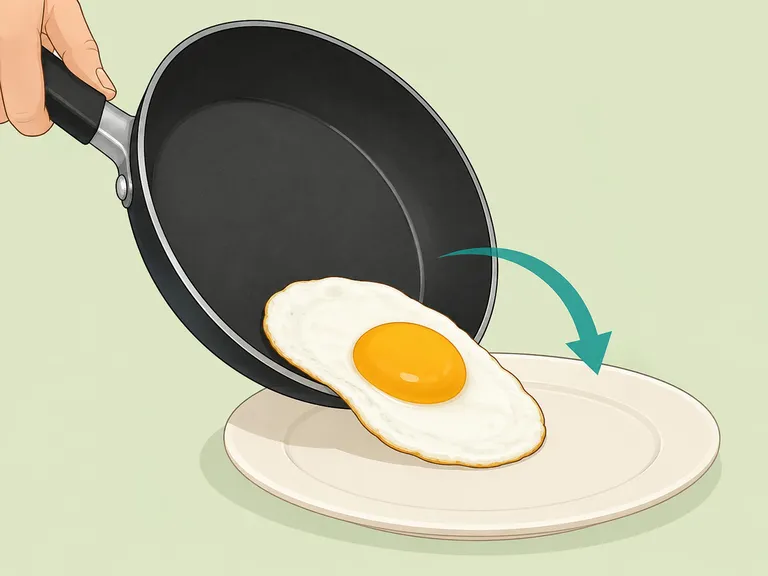
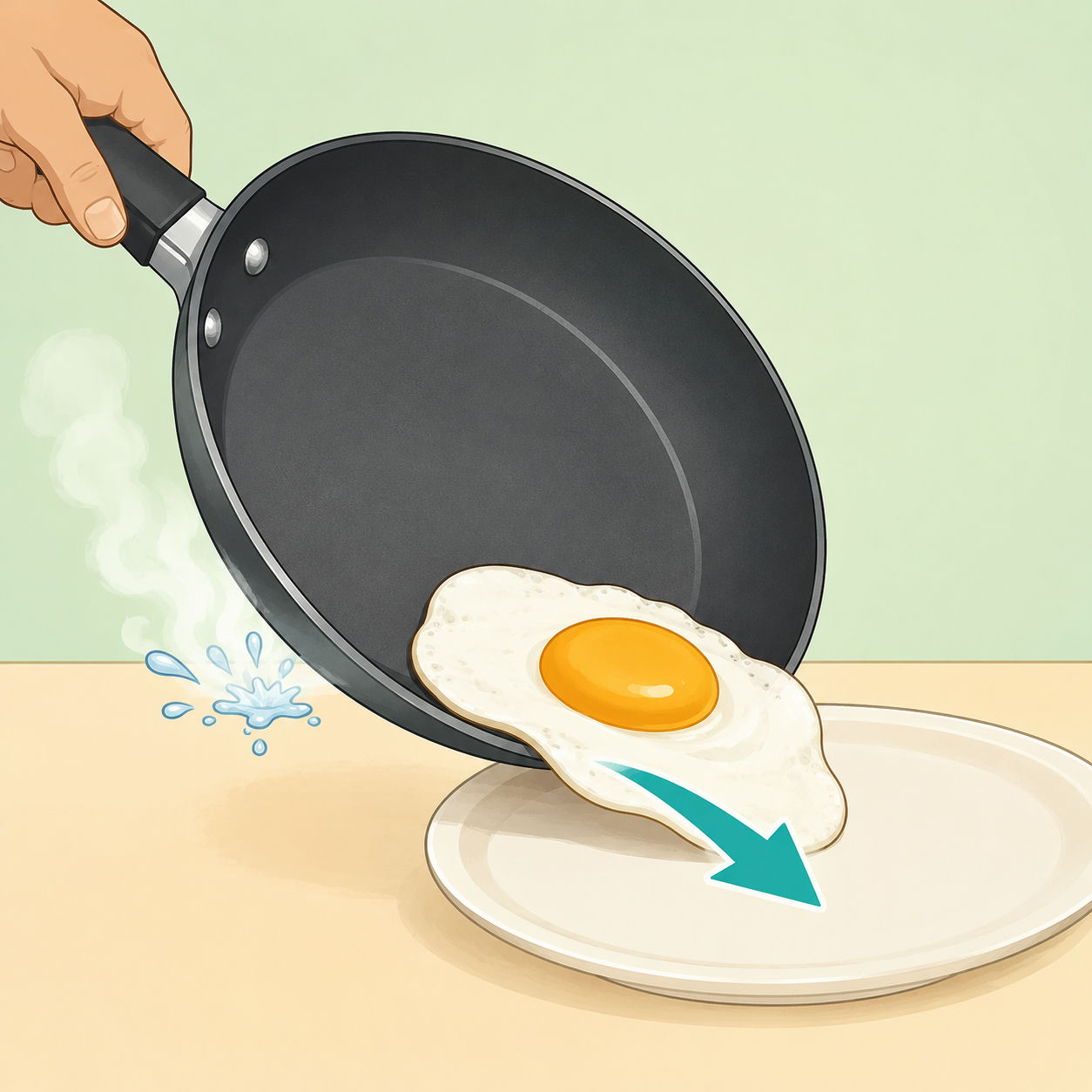
Slide the egg onto the plate
Tilt the pan slightly and guide the egg out with the spatula. If the pan and heat were right, the egg should glide out with only a little help. Serve it right away, since the FDA advises serving cooked eggs promptly and refrigerating leftovers safely.
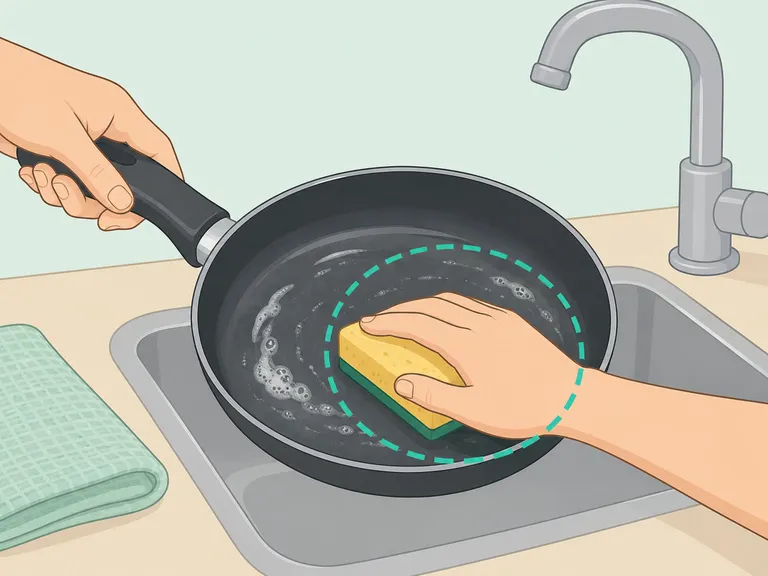
Cool and wash the pan gently
Let the skillet cool before washing it with warm, soapy water and a soft sponge. Sudden cold water on a hot pan can warp cookware, and abrasive scrubbers can wear down the nonstick surface. A clean, unscratched surface is what makes the next oil-free egg easier.
Article Summary
The bottom line: use a smooth nonstick skillet, keep the heat gentle, add a small splash of water beside the egg, cover the pan, and let steam finish the top. When the white is set, a silicone spatula should slide underneath with little resistance.
Frequently Asked Questions
- Can you really cook eggs with no oil at all?
- Yes, if you use a smooth nonstick pan and gentle heat. A teaspoon or two of water creates steam that helps set the egg and loosen the edges, but badly worn pans may still stick.
- Does this method work in stainless steel or cast iron?
- It is much harder without oil. Stainless steel and cast iron usually need a little fat or a very well-seasoned surface for eggs, so this oil-free method is most reliable in a nonstick skillet.
- Will the egg taste boiled?
- It will taste softer and less browned than a classic fried egg. The bottom lightly sets against the pan while steam cooks the top, so the texture is closer to a gentle sunny-side egg than a crispy fried egg.
- How much water should I add?
- Start with 1 teaspoon for one egg or 2 teaspoons for two eggs. Add it beside the egg, not directly on the yolk, so the water turns to steam without washing the egg around the pan.
- Why did my egg still stick?
- The pan may be scratched, overheated, or not fully clean. Egg proteins cling more aggressively when the surface is rough or the heat is too high, so lower the heat and use a newer nonstick pan if needed.
- Are runny yolks safe?
- FoodSafety.gov says raw eggs should be cooked until the yolk and white are firm, and egg dishes should reach 160°F. If you prefer a runny yolk, consider the risk, especially for children, older adults, pregnant people, or anyone with a weakened immune system.
References
Trusted culinary resources helped guide and refine this article.
- https://www.fda.gov/food/buy-store-serve-safe-food/what-you-need-know-about-egg-safety
- https://www.foodsafety.gov/food-safety-charts/safe-minimum-internal-temperatures
- https://nutritionsource.hsph.harvard.edu/food-features/eggs
- https://www.seriouseats.com/fried-eggs-with-no-runny-whites-11996921
- https://www.seriouseats.com/tips-for-using-nonstick-skillets-11989893