
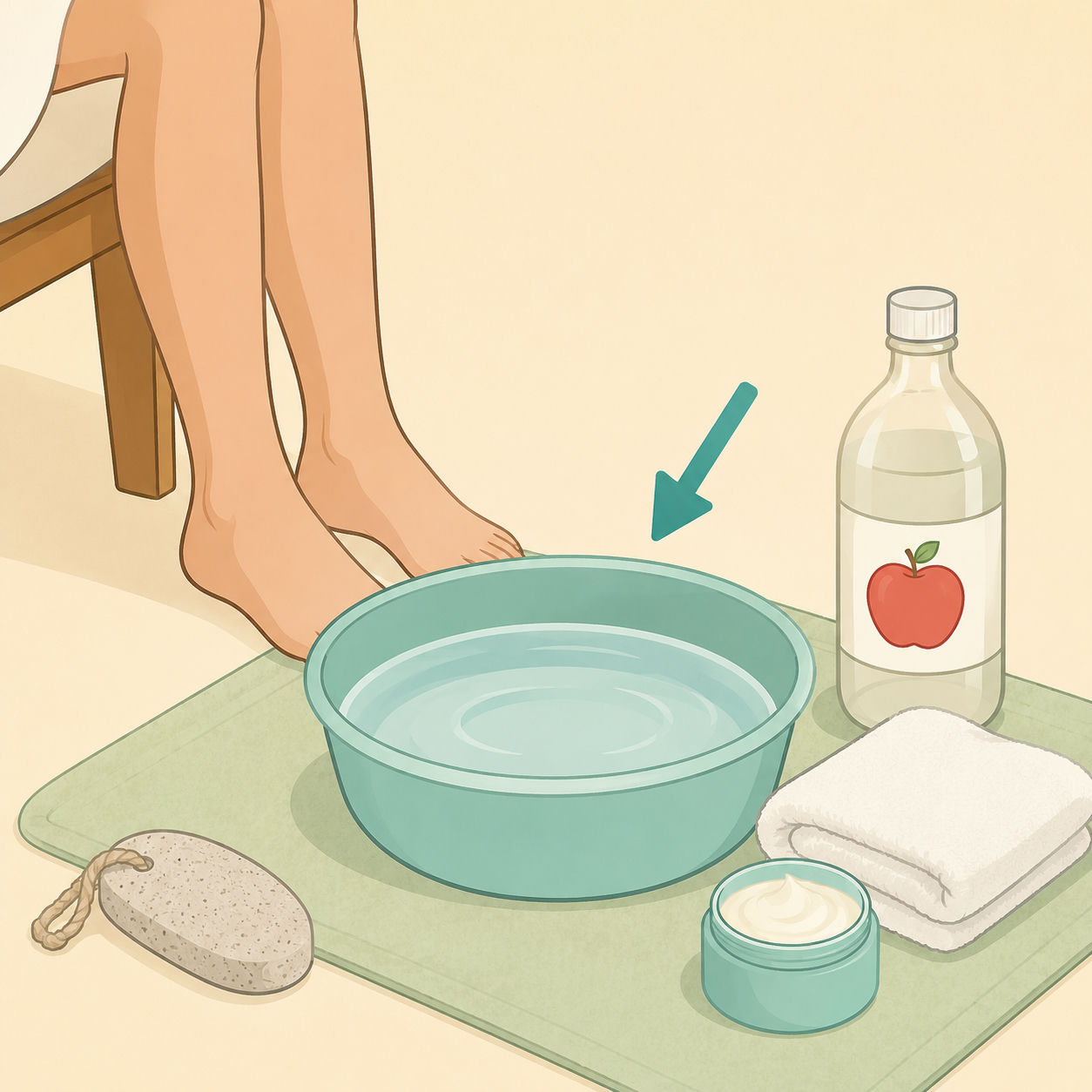
 Pin this recipe
Claims that a weekly vinegar foot soak can make multiple health problems disappear are not supported by trusted medical guidance. A diluted soak may feel refreshing for some people, but it is not a cure for athlete's foot, nail fungus, cracked skin, diabetes-related foot problems, or ongoing odor. This guide explains how to try one cautiously and when to choose proven care instead.
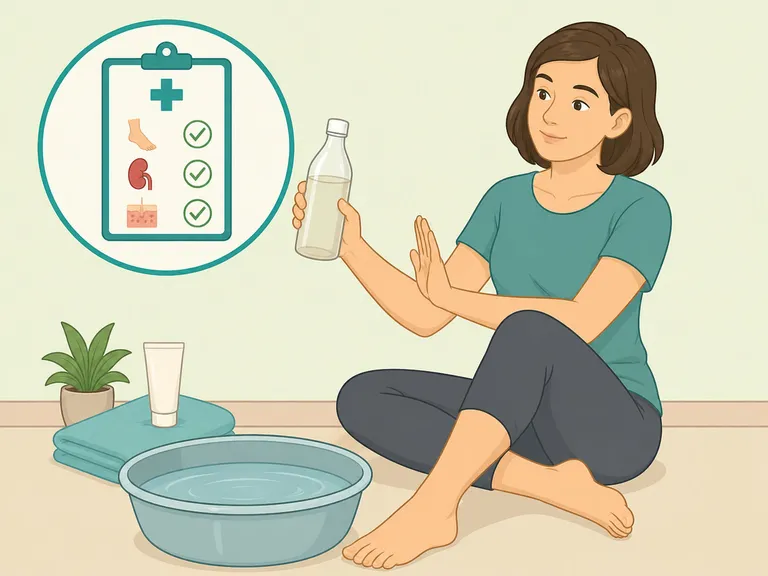
Treat the soak as comfort care, not a cure
Do not expect vinegar to make nine health problems disappear. Athlete's foot is a fungal infection that the NHS says is usually treated with antifungal medicine, and fungal nail infections can take months of antifungal treatment according to NHS nail fungus guidance. Use a soak only for short-term comfort if your skin is intact.
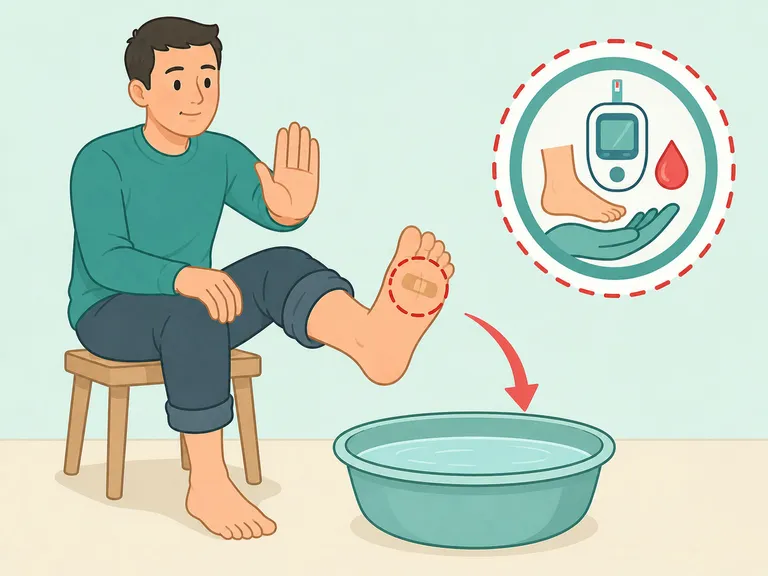
Skip soaking if your feet are high risk
Do not use a vinegar soak on cuts, blisters, ulcers, bleeding cracks, burns, severe eczema, numb feet, or skin that already stings. If you have diabetes, the CDC advises not soaking your feet because small injuries can become serious more easily. Ask a doctor or podiatrist before trying home foot treatments if you have poor circulation, neuropathy, or a weakened immune system.
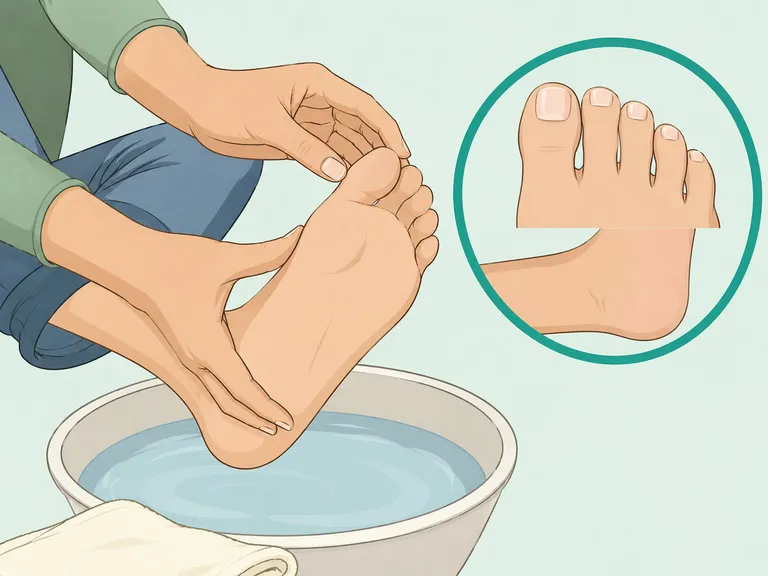
Check your skin and nails first
Look between your toes, around your heels, and under the nail edges before you prepare the basin. Skip the soak if you see open skin, swelling, pus, spreading redness, or a nail that is painful, thick, crumbly, or lifting. Dry skin often responds best to moisturizers and gentle care, not harsh soaking, according to Mayo Clinic dry skin guidance.
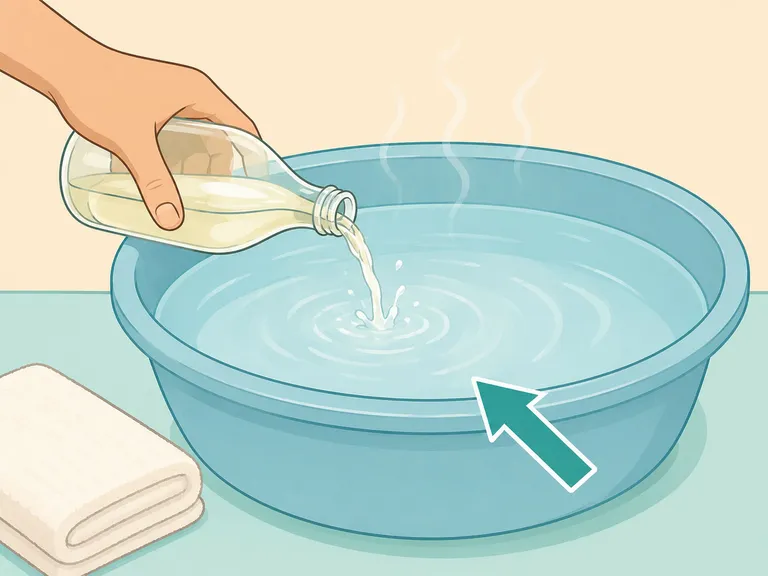
Dilute the vinegar in warm water
Fill a clean basin with warm, not hot, water and add only a small amount of vinegar so the mixture is mild. Do not put undiluted vinegar directly on your feet, and do not add bleach, peroxide, essential oils, or other irritating ingredients. Mayo Clinic notes that hot water and long baths can worsen dryness, so keep the water comfortable and gentle.
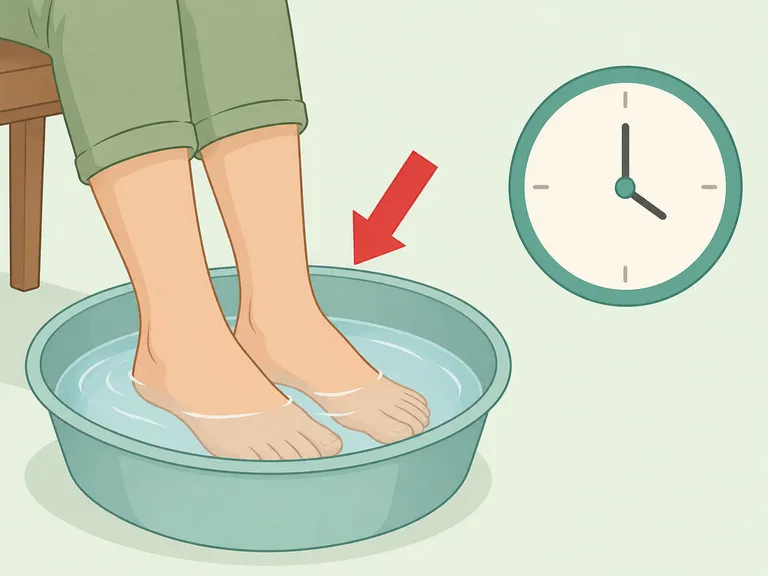
Soak briefly and stop if it irritates
Place both feet in the basin for 5 to 10 minutes the first time. Stop right away if you feel burning, strong stinging, itching, or new redness. A foot soak should never hurt, and irritation is a sign to rinse with plain water and avoid repeating it.
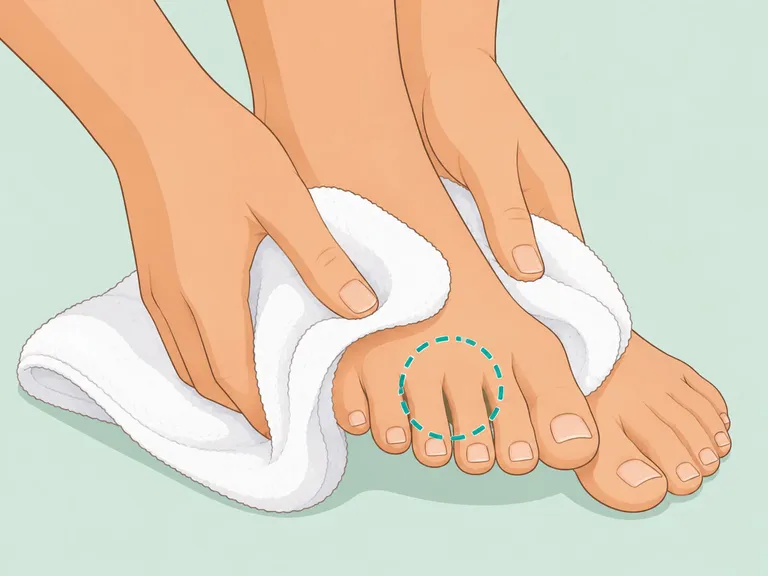
Dry carefully between your toes
After soaking, rinse if the vinegar smell bothers you, then pat your feet dry with a clean towel. Pay special attention between the toes because damp skin encourages fungal problems; the NHS recommends keeping feet clean and dry to help manage athlete's foot risk. Use a separate towel for your feet if you suspect fungus.
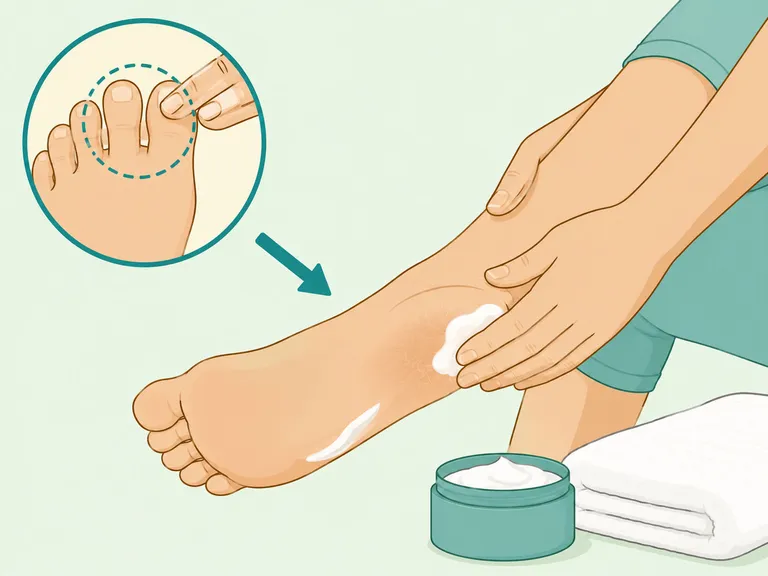
Moisturize dry areas, but not between toes
Apply a plain moisturizer to dry heels, soles, and the tops of your feet while the skin is still slightly damp. Avoid putting lotion between the toes because trapped moisture can encourage infection, especially for people prone to athlete's foot. For odor, focus on clean socks, breathable shoes, and dry feet because NHS guidance links smelly feet to sweat, bacteria, and fungal infections.
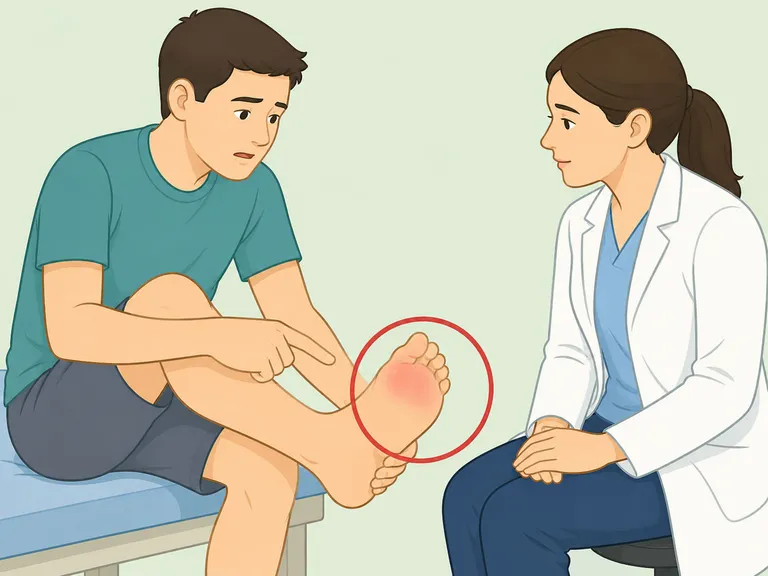
Get medical help for pain, infection, or fungus signs
See a doctor, pharmacist, or podiatrist if symptoms do not improve, your foot is hot or painful, redness spreads, the infection moves to other body areas, or you have diabetes or a weakened immune system. Cleveland Clinic explains that athlete's foot can spread and often needs antifungal treatment. Nail changes such as thickening, discoloration, crumbling, or pain also deserve proper evaluation.
Article Summary
The bottom line: a vinegar foot soak is optional, not a medical treatment. If you use one, dilute it, keep it short, dry and moisturize afterward, and do not delay proper care for fungus, wounds, diabetes-related foot changes, pain, swelling, or spreading symptoms.
Frequently Asked Questions
- Will vinegar cure athlete's foot?
No. Athlete's foot is a fungal infection, and the NHS says it is usually treated with antifungal creams, sprays, or powders. A vinegar soak should not replace a pharmacy antifungal or medical advice.
- Can vinegar get rid of toenail fungus?
No trusted medical source recommends vinegar as a proven cure for fungal nail infections. The NHS explains that antifungal nail treatments may need 6 to 12 months, and severe or persistent cases may need a doctor.
- How often can I use a vinegar foot soak?
If your skin is healthy and the soak does not sting, once weekly is a cautious limit. Stop sooner if your skin becomes dry, irritated, itchy, cracked, or painful.
- Should I use apple cider vinegar or white vinegar?
Either type is acidic and should be diluted before touching your skin. There is no good evidence that one type makes foot fungus, odor, or cracked skin disappear.
- Why do my feet smell better after soaking?
Foot odor is often linked to sweat, bacteria, and sometimes fungal infection. Washing, drying between the toes, changing socks, and letting shoes dry are the more important steps.
- Is a vinegar foot soak safe if I have diabetes?
Do not soak your feet if you have diabetes unless your clinician says it is safe for you. The CDC advises people with diabetes to wash in warm water, avoid soaking, dry completely, and check their feet daily.
References
Trusted culinary resources helped guide and refine this article.
- https://www.nhs.uk/conditions/athletes-foot
- https://my.clevelandclinic.org/health/diseases/22139-athletes-foot-tinea-pedis
- https://www.cdc.gov/diabetes/diabetes-complications/diabetes-and-your-feet.html
- https://www.mayoclinic.org/diseases-conditions/dry-skin/diagnosis-treatment/drc-20353891
- https://www.nhs.uk/symptoms/smelly-feet
- https://www.nhs.uk/conditions/fungal-nail-infection