
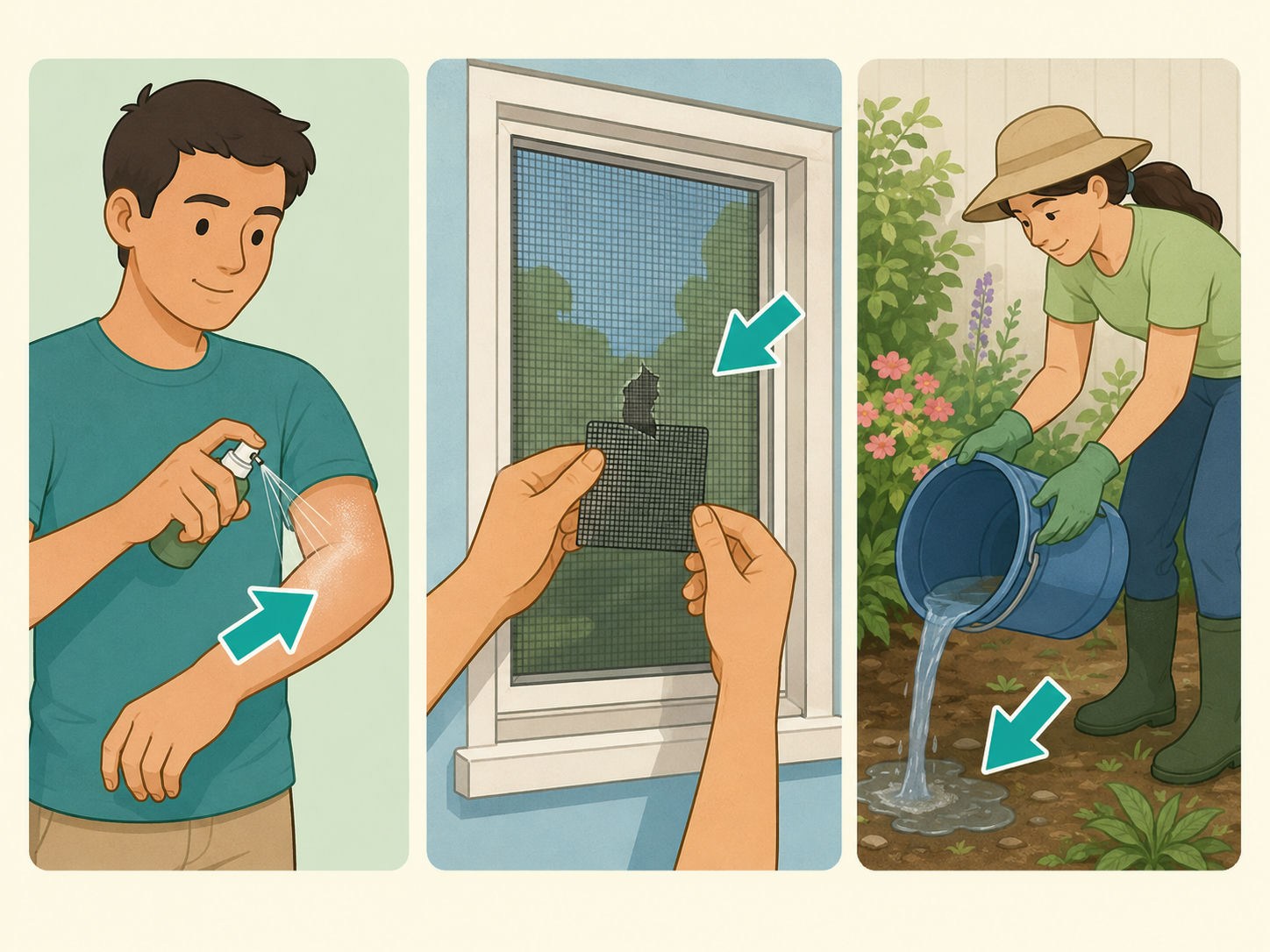
 Pin this recipe
Mosquitoes do not appear at random: they follow body cues, enter through gaps, rest in humid indoor spots, and breed near standing water. This guide explains what attracts them on your skin, inside your home, and in the garden. It also covers practical ways to lower bites without relying on myths or unsafe treatments.
Recognize the cues mosquitoes follow
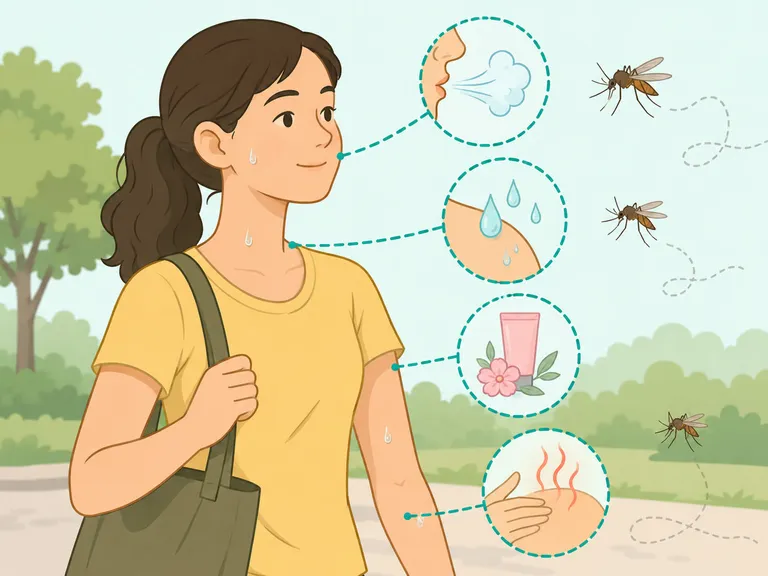
Female mosquitoes bite because they need blood to develop eggs, and they are drawn to human cues such as sweat, floral scents, and exhaled carbon dioxide. Cleveland Clinic also lists factors such as dark-colored clothing, body temperature, and time near stagnant water as possible bite prompts.

Choose low-scent skin and hair products
Use unscented soap, lotion, deodorant, hair products, and laundry products when you expect to be outdoors. Mayo Clinic specifically recommends selecting self-care products without scents as part of mosquito bite prevention, and it lists floral scents and sweating among mosquito-attracting factors.

Cover skin with loose, protective clothing
Wear loose-fitting long sleeves, long pants, socks, and shoes when mosquitoes are active. The CDC recommends loose, long-sleeved shirts and pants, and Cleveland Clinic notes that mosquitoes may bite through thin clothing.

Apply EPA-registered repellent as directed
Use a repellent registered with the Environmental Protection Agency and follow the label for where, how often, and on whom it can be applied. The CDC lists proven active ingredients such as DEET, picaridin, IR3535, oil of lemon eucalyptus, PMD, and 2-undecanone, while the EPA repellent search tool lets you choose by insect type, active ingredient, and protection time.
Empty standing water every week
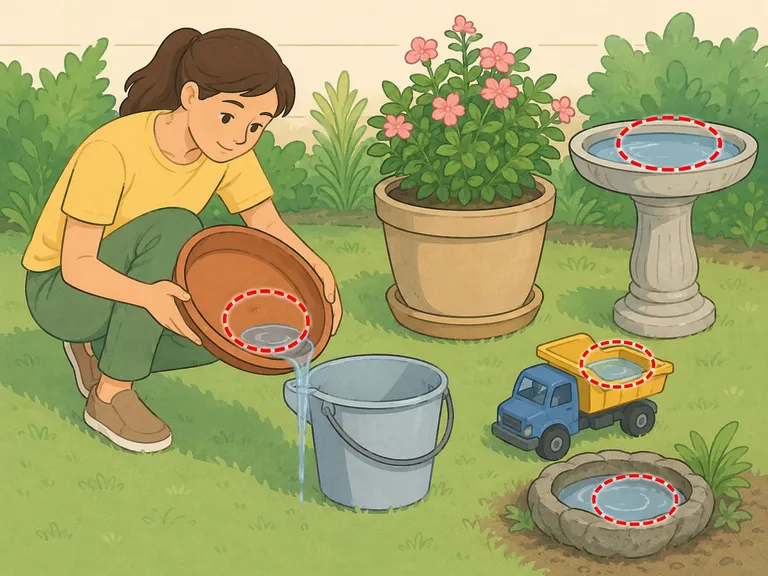
Check the garden, patio, balcony, and porch for water in buckets, plant saucers, birdbaths, toys, pools, tires, trash lids, gutters, and rain barrels. The CDC advises people to empty, scrub, turn over, cover, or throw out water-holding items once a week because mosquitoes lay eggs near water.
Block mosquitoes from entering the house
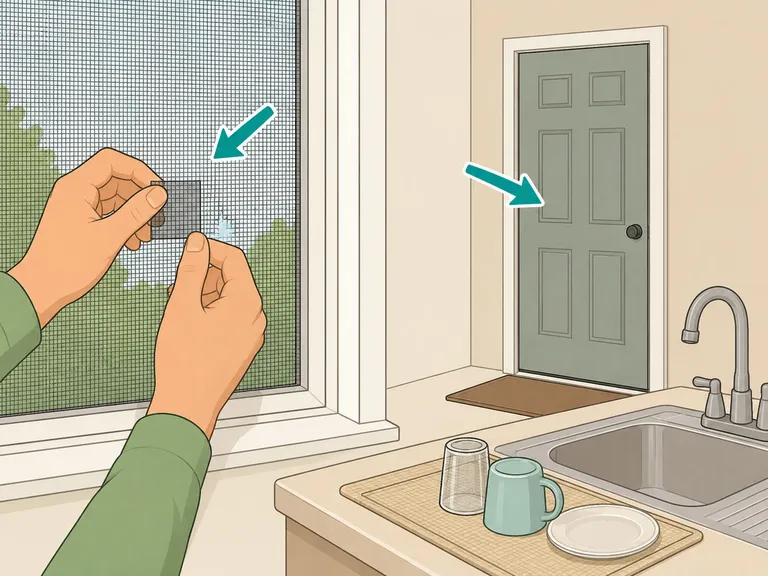
Repair torn window and door screens, keep doors closed, and use air conditioning when available. Indoors, the CDC says mosquitoes rest in dark, humid places such as under sinks, in showers, closets, laundry rooms, and under furniture, so empty indoor water containers weekly too.
Treat water you cannot dump
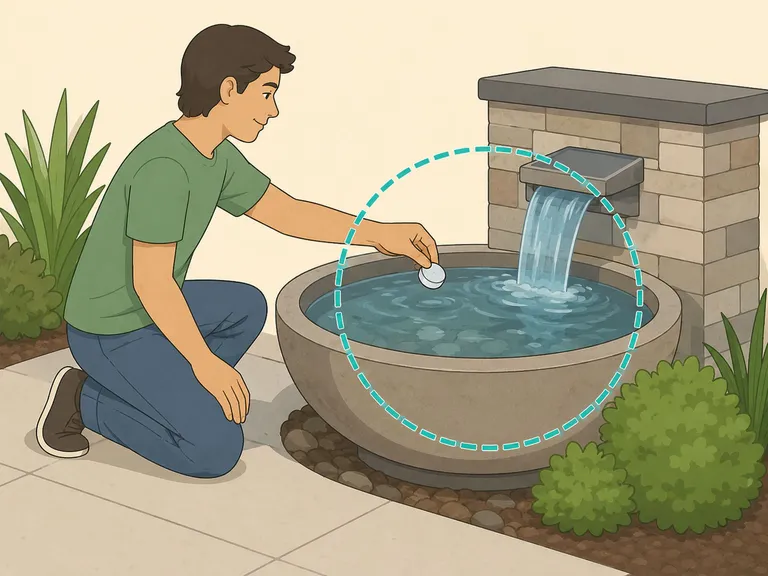
If you cannot empty or cover a non-drinking water source, consider a larvicide product that is labeled for mosquitoes and follow the directions exactly. The CDC says homeowners can use mosquito dunks, bits, tablets, pellets, or granules in water where mosquitoes lay eggs and where the water cannot be removed.
Seek medical help for severe or worsening symptoms
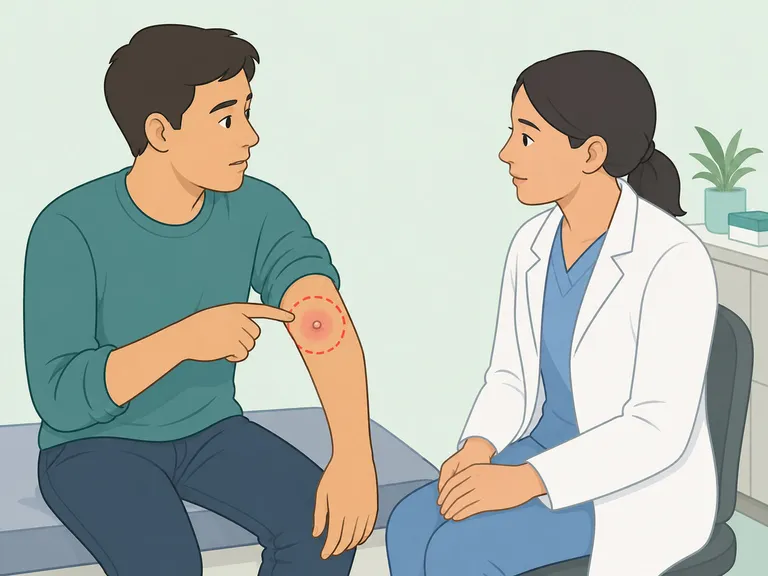
Most mosquito bites are itchy and temporary, but get medical advice if a bite looks infected, symptoms worsen, or you develop warning signs such as high fever, severe headache, body aches, hives, swollen lymph nodes, or a large spreading reaction. Mayo Clinic says to contact a healthcare provider for warning signs of a serious condition, and the CDC says infected bites may feel warm, look red, or show a red streak spreading outward.
Article Summary
The bottom line: you cannot make yourself invisible to mosquitoes, but you can reduce the strongest avoidable cues. Keep skin products low-scent, protect exposed skin, use proven repellent, block entry points, and remove standing water before larvae become biting adults.
Frequently Asked Questions
- Why do mosquitoes bite me more than other people?
Mosquito attraction varies from person to person. Sources such as Mayo Clinic list sweat, floral scents, carbon dioxide, and time spent where mosquitoes are active as factors.
- Does perfume attract mosquitoes?
It can. Mayo Clinic lists floral scents among smells that attract mosquitoes, so choosing unscented skin and hair products is a reasonable step when mosquitoes are active.
- Can mosquitoes breed inside a home?
Yes. The CDC says mosquitoes that enter a house can lay eggs indoors, especially in items that hold water such as vases and flowerpot saucers.
- Are citronella candles enough to prevent bites?
Do not rely on candles alone. The CDC and EPA recommend EPA-registered repellents because registered products have been evaluated for effectiveness.
- What should I do if a mosquito bite itches?
The CDC recommends washing the bite area, using an ice pack for swelling and itching, and avoiding scratching because bites can become infected.
- When should I worry about mosquito bites?
Contact a healthcare provider if you have warning signs such as high fever, severe headache, body aches, signs of infection, or symptoms after travel to an area with mosquito-spread disease.
References
Trusted culinary resources helped guide and refine this article.
- https://www.mayoclinic.org/diseases-conditions/mosquito-bites/symptoms-causes/syc-20375310
- https://my.clevelandclinic.org/health/diseases/17695-mosquito-bites
- https://www.cdc.gov/mosquitoes/prevention/index.html
- https://www.epa.gov/insect-repellents/find-repellent-right-you
- https://www.cdc.gov/mosquitoes/mosquito-control/athome/outside-your-home/index.html
- https://www.cdc.gov/mosquitoes/mosquito-control/athome/inside-your-home.html
- https://www.cdc.gov/mosquitoes/mosquito-control/larvicides.html
- https://www.cdc.gov/mosquitoes/about/about-mosquito-bites.html