
 Pin this recipe
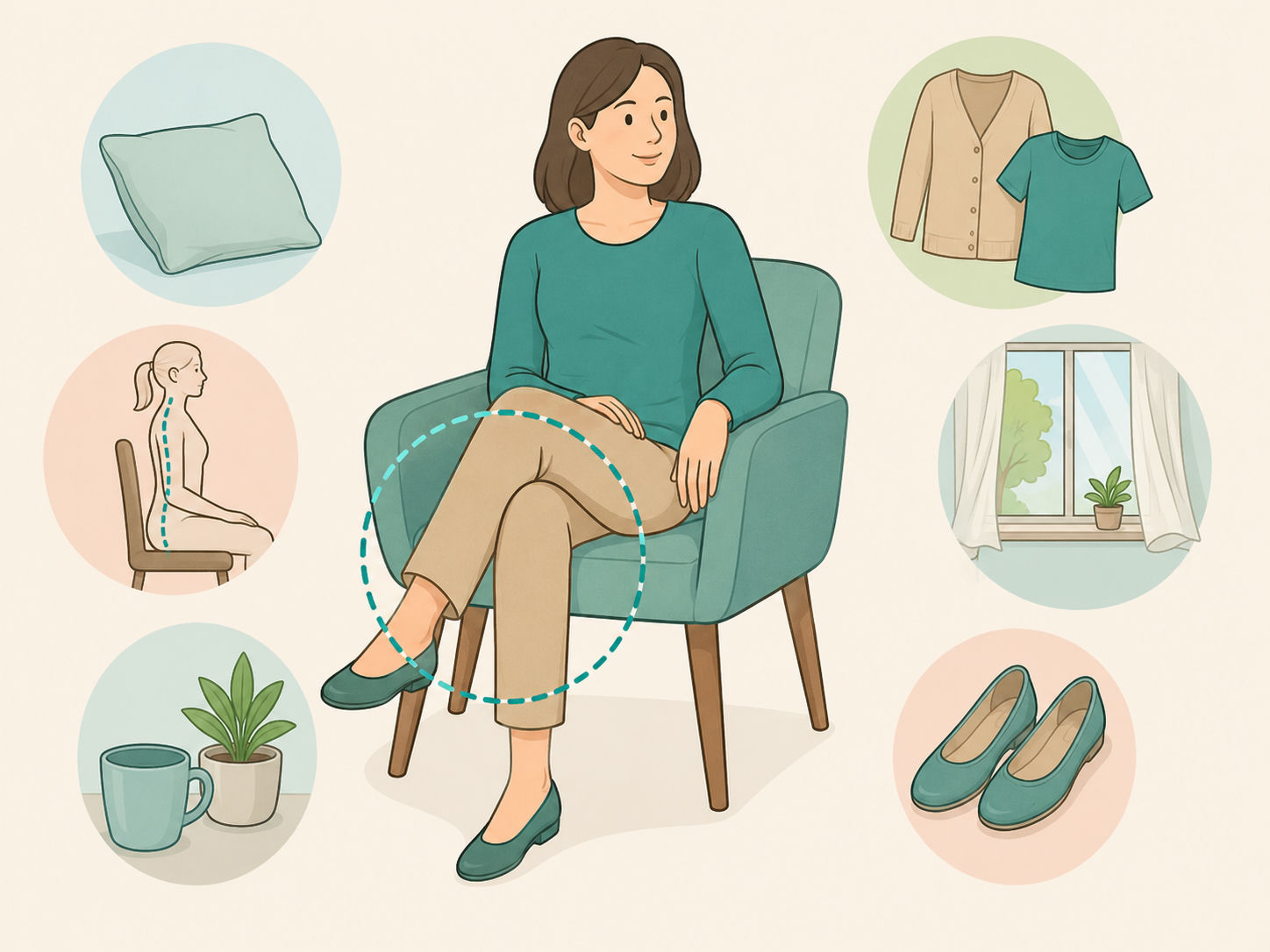
Many women cross their legs while sitting, but the reason is usually simple rather than mysterious. It may relate to comfort, clothing, balance, habit, social expectations, or changing pressure on the body. This guide explains how to understand the behavior respectfully and when sitting posture may deserve health attention.
Start by avoiding one-size-fits-all assumptions
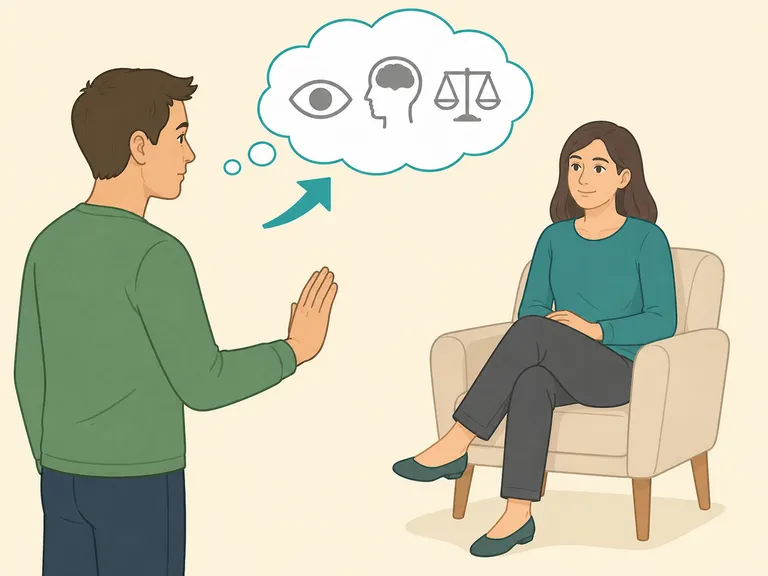
Do not assume that leg crossing has one universal meaning for all women. It is often just a comfortable or familiar sitting position, and the same person may sit differently depending on the chair, clothing, mood, temperature, and setting. Treat it as a posture first, not as a secret message.
Look at comfort and chair fit
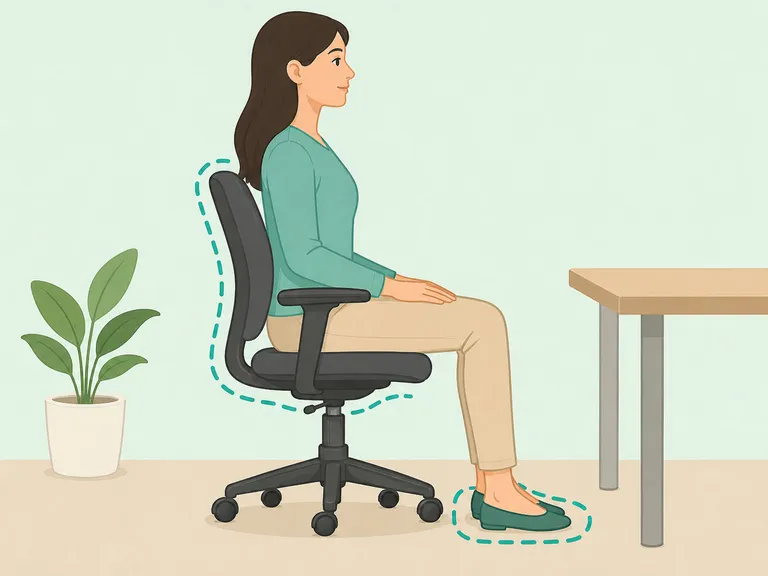
A person may cross her legs because the seat height, chair depth, or foot support does not feel right. Good seated posture usually keeps the feet supported, the back supported, and the body relaxed, according to Mayo Clinic office ergonomics guidance and OSHA workstation posture guidance. If a chair is too high or awkward, crossing one leg can feel like a quick way to stabilize the body.
Consider clothing and modesty
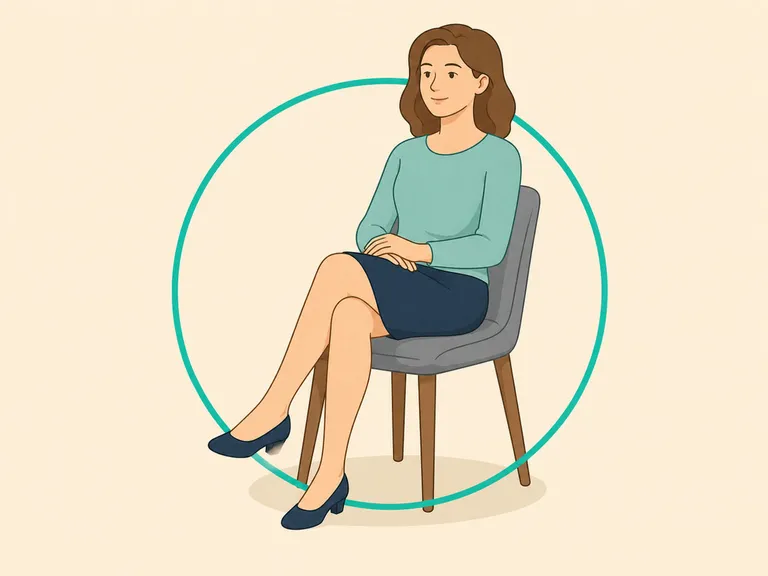
Clothing can influence how someone sits. Dresses, skirts, heels, tight pants, or formal outfits may make crossed legs feel more secure, tidy, or socially expected. This does not mean the posture is forced; it simply means clothing and setting can shape what feels natural.
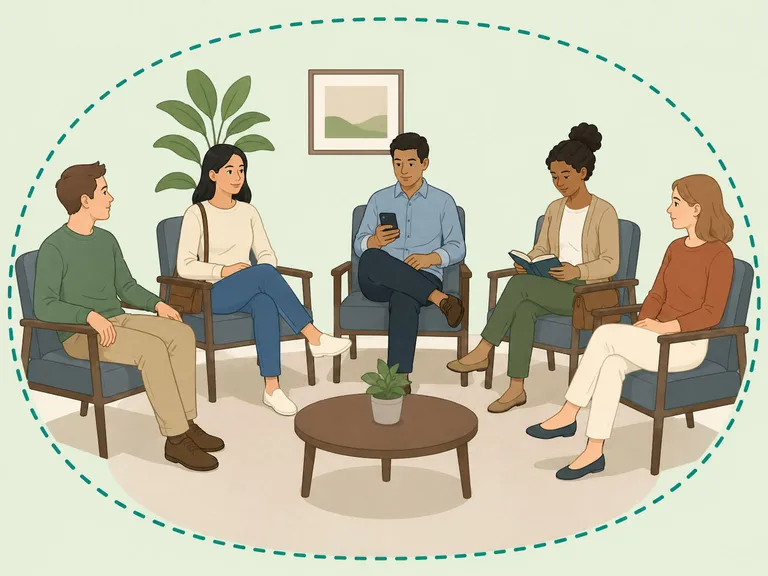
Notice habit and social setting
Many sitting habits are learned through family, culture, school, work, and formal events. In a business meeting, restaurant, waiting room, or ceremony, a woman may cross her legs because it feels polished or familiar. In a relaxed private setting, she may sit completely differently.
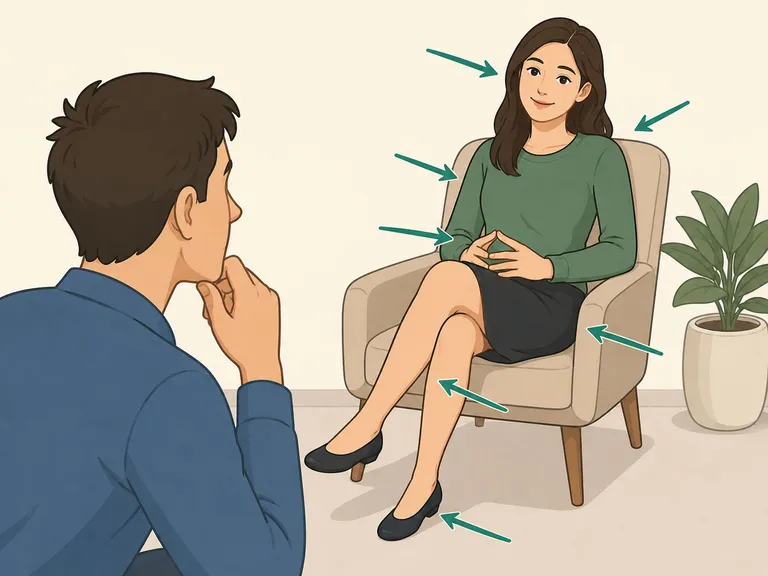
Read body language cautiously
Crossed legs can sometimes appear with nervousness, attentiveness, guardedness, or interest, but posture alone is not enough to read someone's feelings. Look for a pattern of cues, such as facial expression, tone, eye contact, and whether the person seems comfortable. The most respectful interpretation is usually the simplest one: she chose a sitting position that worked in that moment.
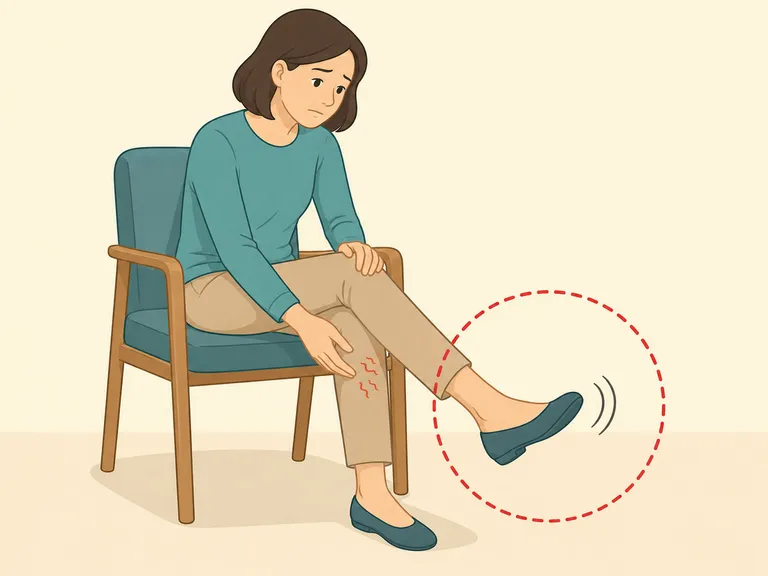
Check for numbness or tingling
If crossed legs cause pins and needles, numbness, or a foot falling asleep, change position. MedlinePlus explains that numbness and tingling can happen from sitting or standing in one position too long or from compression such as sitting with legs crossed. Brief symptoms that resolve after moving are common, but symptoms that persist deserve attention.
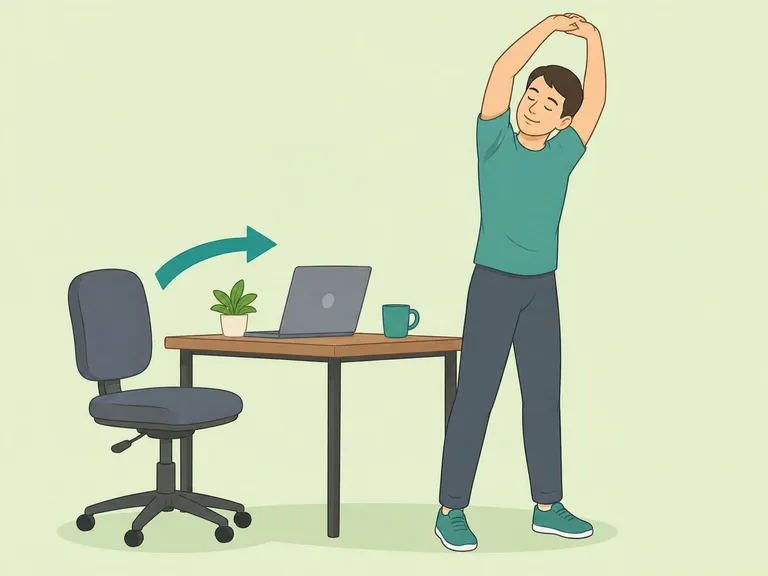
Encourage position changes during long sitting
For long desk work, travel, or study sessions, shift positions instead of holding any one posture for hours. CDC physical activity guidance encourages adults to move more and sit less, and OSHA notes that sitting still for prolonged periods is not healthy. Stand, stretch, or walk briefly when you can.
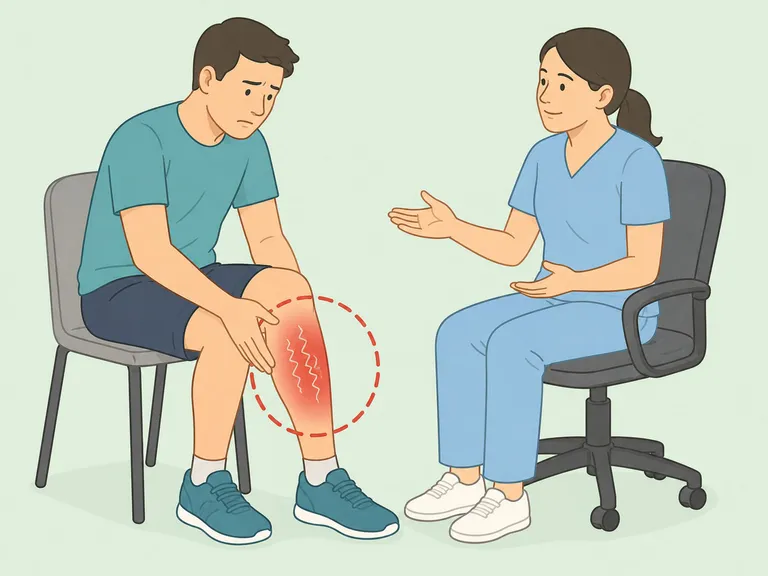
Know when to seek medical help
Contact a health professional if numbness, tingling, pain, weakness, or swelling has no clear cause, keeps returning, or gets worse. Cleveland Clinic advises getting unexplained numbness assessed, and MedlinePlus lists urgent warning signs such as weakness, trouble moving, speech changes, vision changes, or symptoms after a head, neck, or back injury. If you are measuring blood pressure at home, follow American Heart Association guidance and your clinician's instructions for sitting correctly.
Article Summary
The bottom line: crossing the legs is usually a normal posture choice, not proof of attraction, anxiety, or a medical problem. Pay attention to context, avoid stereotypes, and change positions if the posture causes discomfort, numbness, or tingling.
Frequently Asked Questions
- Does crossing legs mean a woman is attracted to someone?
- Not by itself. A crossed-leg posture can come from comfort, habit, clothing, or the chair setup, so it should not be treated as a reliable sign of attraction.
- Is crossing legs more common for women than men?
- Some people associate the posture with feminine social norms, but individuals vary widely. It is better to look at the setting and the person's comfort than to assume a universal gender rule.
- Can sitting with crossed legs be bad for you?
- For most people, briefly crossing the legs is not a problem. Sitting in one position for a long time can cause discomfort or tingling, so changing position regularly is the safer habit.
- Why do my legs tingle when I cross them?
- Tingling can happen when pressure affects nerves or circulation. If it goes away after you change position, it is often temporary; if it keeps returning or has no clear cause, contact a health professional.
- Should I uncross my legs before checking blood pressure?
- Follow your clinician's instructions for blood pressure measurement. In general, sit still, support your arm at heart level, and use the method recommended by a health professional.
- Is it rude to ask why someone crosses her legs?
- It can feel intrusive, especially if the question is about someone's body. If posture is only a comfort issue, there is usually no need to comment on it.
References
Trusted culinary resources helped guide and refine this article.
- https://www.mayoclinic.org/healthy-lifestyle/adult-health/in-depth/office-ergonomics/art-20046169
- https://www.osha.gov/etools/computer-workstations/positions
- https://medlineplus.gov/ency/article/003206.htm
- https://www.cdc.gov/physical-activity-basics/guidelines/adults.html
- https://www.heart.org/en/health-topics/high-blood-pressure/understanding-blood-pressure-readings/monitoring-your-blood-pressure-at-home
- https://my.clevelandclinic.org/health/symptoms/21015-numbness