
 Pin this recipe
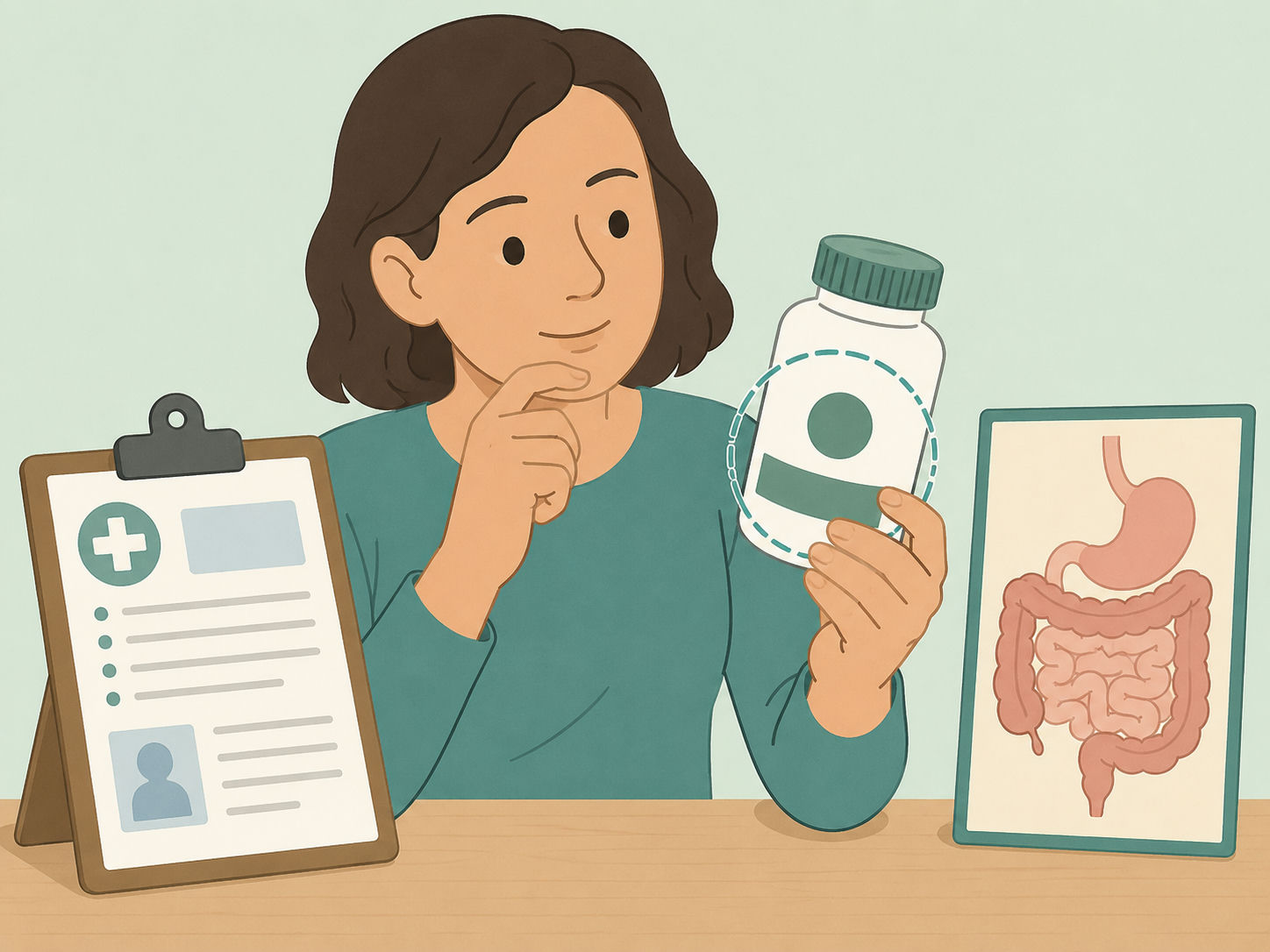
Betaine citrate is commonly marketed for digestion, but many claims about it go beyond what trusted medical sources can confirm. Betaine itself has recognized roles in metabolism and a prescription use for rare homocystinuria, which is different from casual supplement use. This guide explains how to understand the possible benefits, limits, and safety questions before you try it.

Check what form of betaine you are looking at
Read the front and supplement facts label carefully, because betaine citrate, betaine anhydrous, betaine HCl, and choline-containing supplements are not interchangeable. Prescription betaine anhydrous is described by DailyMed as a treatment for homocystinuria, while over-the-counter digestive products are marketed differently and should not be used as substitutes for medical treatment.

Separate digestion claims from proven uses
Betaine citrate is often promoted for post-meal heaviness or bloating, but indigestion has many possible causes and may be occasional or chronic. The NIDDK explains that dyspepsia can include upper abdominal discomfort, early fullness, bloating, nausea, and belching, so a supplement claim should not replace finding the cause when symptoms keep returning.
Understand betaine’s real metabolic role
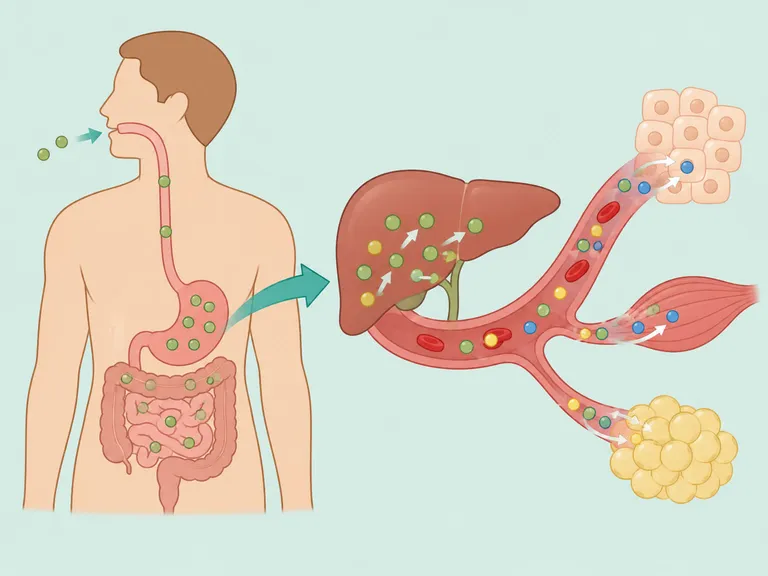
Betaine is a modified amino acid that acts as a methyl donor in several metabolic pathways. NIH LiverTox notes that betaine is used therapeutically for rare genetic causes of homocystinuria, where it helps lower high homocysteine levels under medical supervision.

Do not assume heart, liver, or brain benefits
Betaine is related to choline metabolism, but that does not mean taking betaine citrate improves heart, liver, or brain health in otherwise healthy people. The NIH Office of Dietary Supplements says choline is involved in cell membranes, nervous system function, lipid metabolism, and methyl-group metabolism, but it also notes that evidence for disease prevention or treatment is limited or mixed in several areas in its choline fact sheet.

Review your medicines and health conditions first
Before taking betaine citrate, list your prescriptions, over-the-counter medicines, and other supplements. The NCCIH warns that dietary supplements can interact with medicines or pose risks for people with certain medical problems, and many products have not been well tested in pregnant people, nursing parents, or children.

Watch for digestive side effects
Even though betaine is naturally present in the body and in some foods, supplemental forms can still cause unwanted effects. NIH LiverTox reports dose-related side effects such as diarrhea, bloating, cramps, dyspepsia, nausea, and vomiting with betaine therapy, so stop and ask a professional if a product makes symptoms worse.

Try basic indigestion habits before relying on a supplement
For mild indigestion, start with low-risk habits such as eating more slowly, avoiding your personal trigger foods, limiting alcohol or carbonated drinks, and not eating close to bedtime. The NHS recommends cutting down on tea, coffee, cola, and alcohol, avoiding rich or spicy foods, and checking with a pharmacist about suitable medicines when needed.

Know when to see a doctor
Talk to a healthcare professional if indigestion lasts more than 2 weeks, keeps coming back, or is severe. Seek prompt care for warning signs such as trouble swallowing, unintended weight loss, repeated vomiting, vomiting blood, black stools, jaundice, weakness, or chest pain with shortness of breath or sweating, which Mayo Clinic lists as reasons to get medical care.
Article Summary
The bottom line: betaine citrate may be used as a digestive supplement, but it is not a proven all-purpose remedy. Check the form, avoid exaggerated claims, watch for side effects, and involve a health professional if symptoms persist or you have medical conditions.
Frequently Asked Questions
- Is betaine citrate the same as prescription betaine?
- No. Prescription betaine anhydrous is used under medical supervision for homocystinuria. Betaine citrate sold for digestion is a different consumer product and should not be treated as the same medical therapy.
- Can betaine citrate cure indigestion?
- There is not enough trusted evidence to call it a cure. Indigestion can come from diet, reflux, medicines, H. pylori infection, ulcers, stress, or other causes, so persistent symptoms need proper evaluation.
- What benefits of betaine are better supported?
- Betaine is a methyl donor involved in homocysteine metabolism, and prescription betaine is used for certain rare genetic causes of homocystinuria. That does not prove broad benefits for healthy people taking over-the-counter betaine citrate.
- Who should ask a doctor before using betaine citrate?
- Ask first if you are pregnant or breastfeeding, giving it to a child, taking regular medicines, preparing for surgery, or living with liver, kidney, metabolic, or heart-related conditions.
- What side effects should I watch for?
- Possible side effects reported with betaine include digestive upset such as nausea, diarrhea, bloating, cramps, dyspepsia, or vomiting. Stop using the product and seek advice if symptoms are severe or unusual.
- Can I get betaine or related nutrients from food?
- Betaine occurs naturally in foods, and the body can also make betaine from choline. Choline-rich foods include eggs, meat, fish, dairy, soybeans, beans, cruciferous vegetables, nuts, seeds, and whole grains.
References
Trusted culinary resources helped guide and refine this article.
- https://www.nccih.nih.gov/health/using-dietary-supplements-wisely
- https://www.ncbi.nlm.nih.gov/books/NBK548774
- https://dailymed.nlm.nih.gov/dailymed/drugInfo.cfm?setid=05964dae-8b84-467c-af97-c82706a3cad2
- https://ods.od.nih.gov/factsheets/Choline-HealthProfessional
- https://www.niddk.nih.gov/health-information/digestive-diseases/indigestion-dyspepsia
- https://www.mayoclinic.org/diseases-conditions/indigestion/symptoms-causes/syc-20352211
- https://www.nhs.uk/conditions/indigestion