
 Pin this recipe
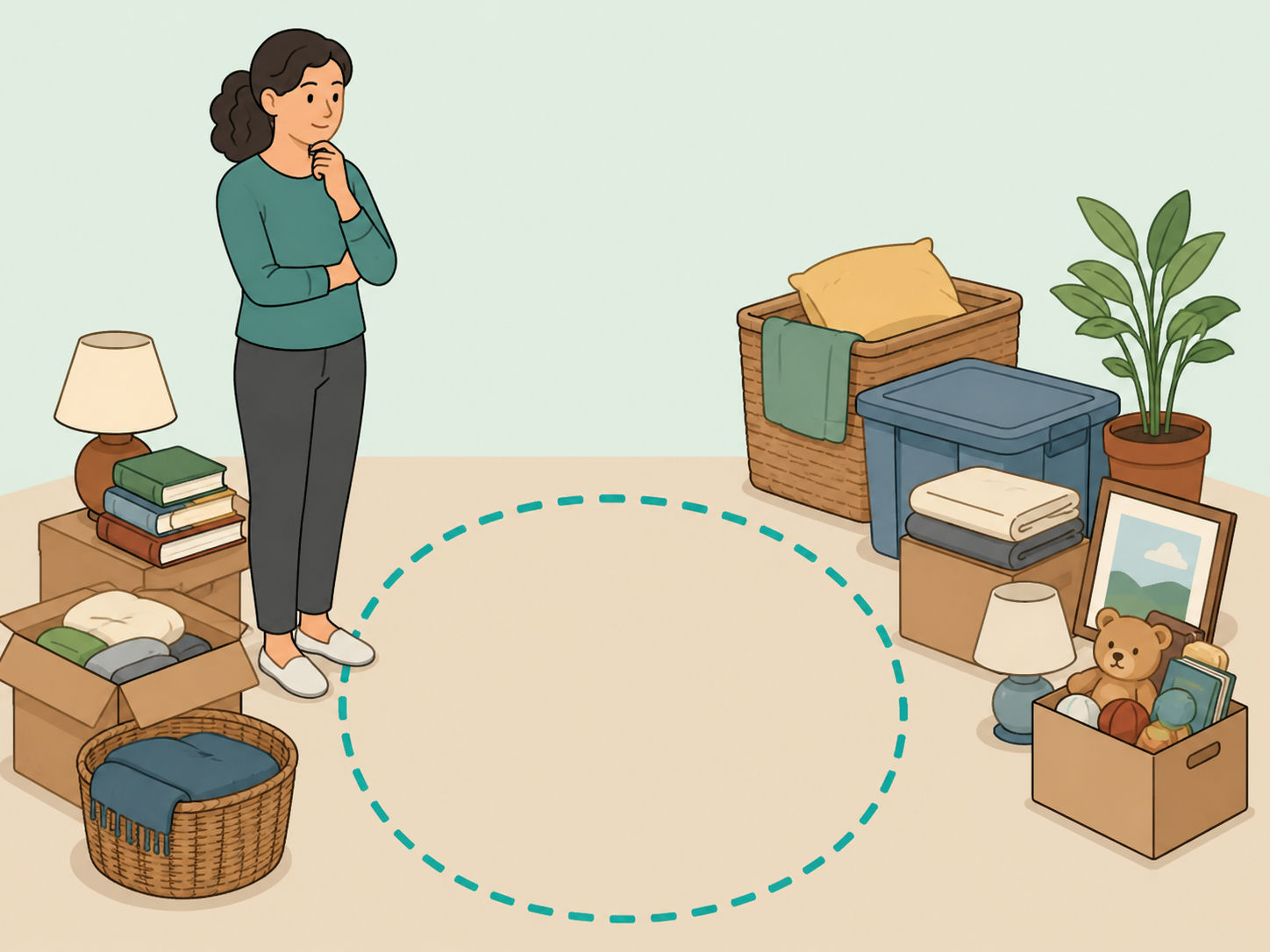
Living with clutter does not automatically mean someone has a mental health condition. But when a person feels unable to part with possessions and the buildup affects daily life, it can be a sign of hoarding disorder. This guide explains what the behavior can mean, how to notice warning signs, and how to respond without shame or blame.
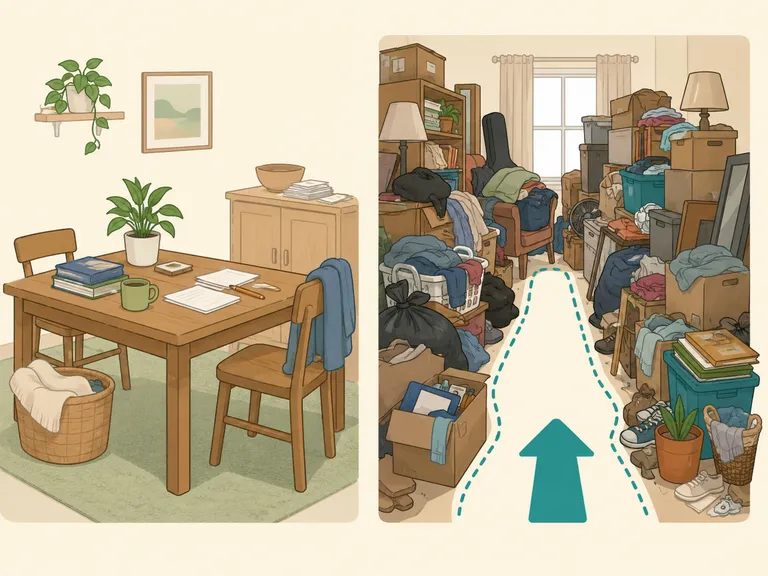
Separate ordinary clutter from a possible disorder
Start by asking whether the clutter is occasional and manageable or persistent and harmful. Hoarding disorder involves difficulty getting rid of possessions, distress about discarding them, and clutter that disrupts living spaces, according to the American Psychiatric Association. A crowded closet alone is not enough to diagnose anyone.
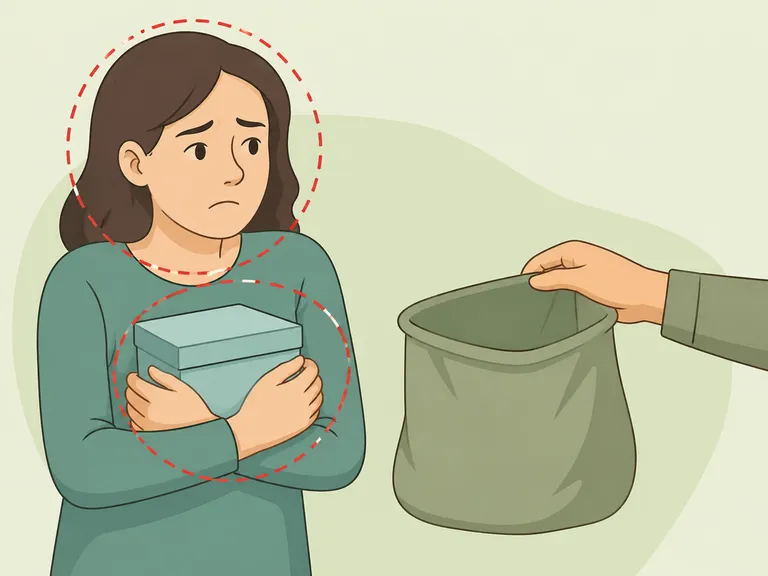
Notice whether discarding items causes distress
The emotional reaction matters as much as the number of objects. People with hoarding disorder may feel a strong need to save items and become very upset when trying to part with them, as described by the Mayo Clinic. This can make simple decluttering feel threatening rather than practical.
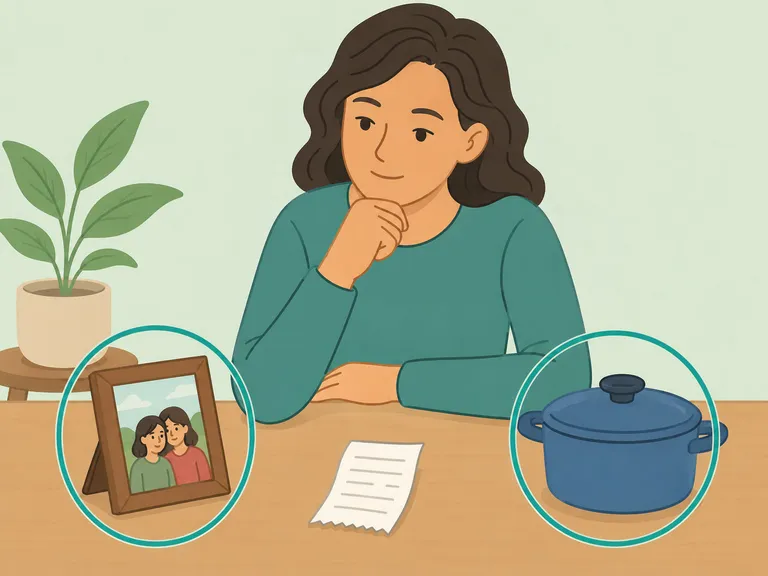
Look for meaning behind the objects
Objects may feel useful, unique, sentimental, comforting, or too wasteful to discard. Cleveland Clinic notes that people may save items because they expect future use, connect them with memories, or struggle to decide where they belong. Seeing this meaning helps you respond with empathy instead of treating the person as careless.
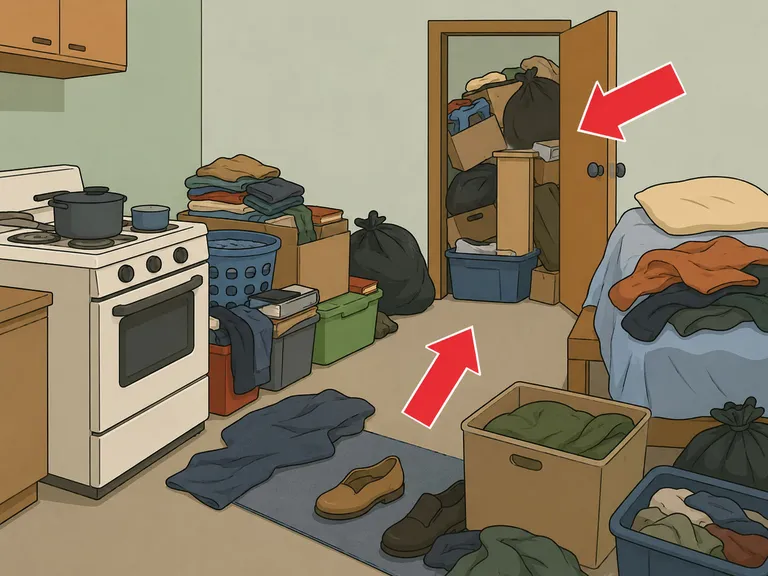
Check whether rooms can still be used safely
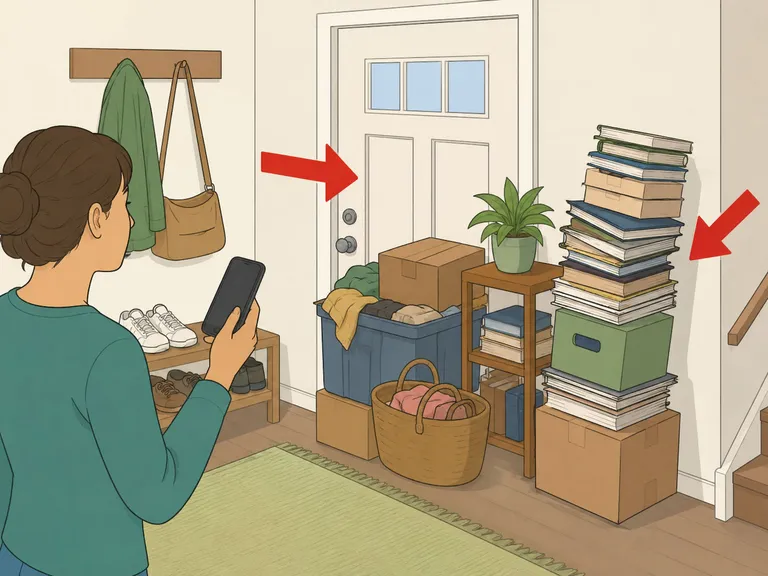
A key warning sign is clutter that stops normal daily activities, such as cooking, sleeping, bathing, cleaning, or paying bills. The NHS lists not being able to use rooms and struggling with everyday tasks as common problems linked with hoarding disorder. Also look for blocked walkways, unstable piles, spoiled food, or exits that are hard to reach.
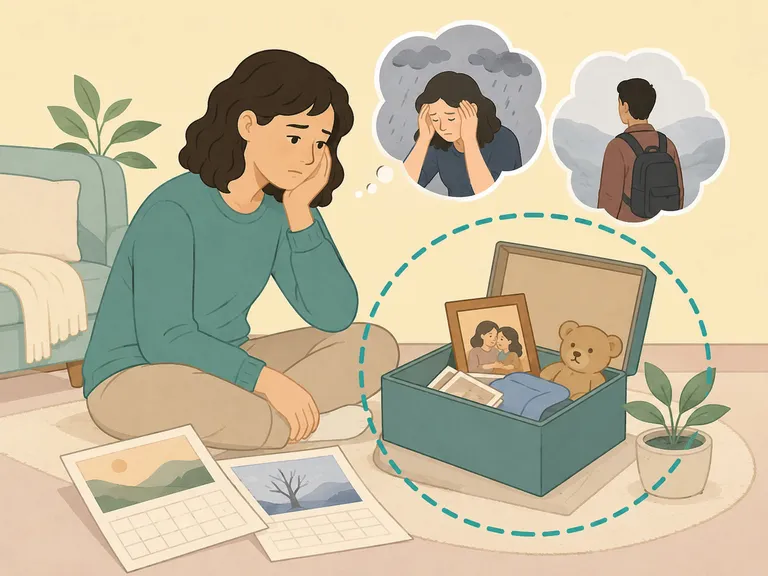
Consider stress, loss, and family patterns without blaming
Researchers do not know one single cause of hoarding disorder. Mayo Clinic reports that genetics, brain function, and stressful life events are being studied as possible factors, while the NHS notes that bereavement, major life changes, and a close family member who hoards may increase risk. Use this information to understand possible influences, not to accuse or diagnose.
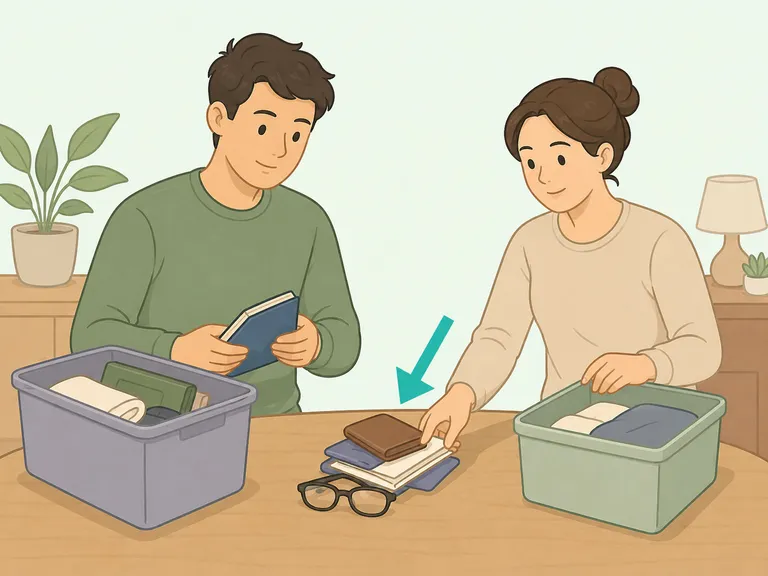
Avoid forcing a sudden cleanout
Forced cleanouts can feel frightening if possessions provide comfort or emotional security. Mayo Clinic explains that treatment can be challenging when a person does not recognize the problem or reacts strongly when possessions are removed. If safety allows, focus first on one small area, shared goals, and consent.
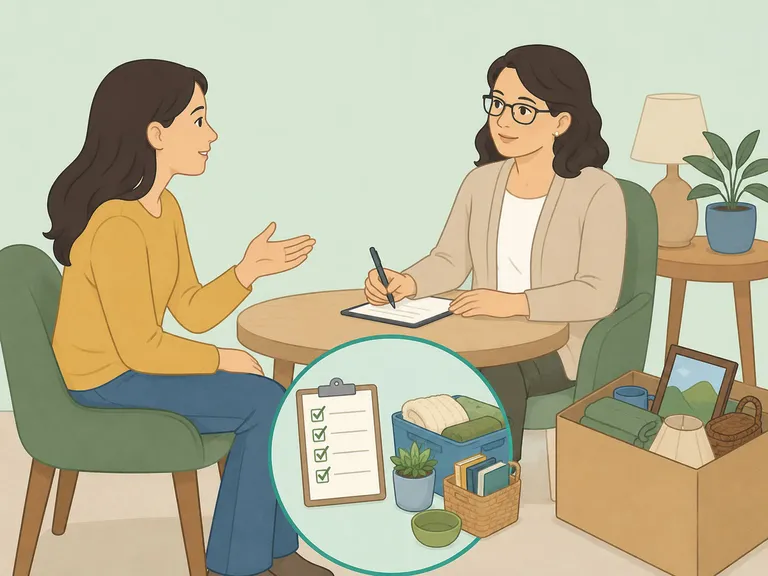
Encourage professional support
If clutter is interfering with life, suggest speaking with a doctor, therapist, or mental health professional. Cognitive behavioral therapy is a main treatment for hoarding disorder and can help with saving beliefs, organization, decision-making, and gradual discarding, according to Mayo Clinic. Treatment may take time, so steady support matters.
Seek help quickly when health or safety is at risk
Contact a health care provider or mental health professional if you or someone you know may have hoarding symptoms. If the home threatens safety, Mayo Clinic advises that local authorities or services such as fire, public health, child or elder protective services, or animal welfare may need to be involved. Act sooner if there are blocked exits, fire hazards, unsafe animal conditions, or a person in crisis.
Article Summary
The bottom line: look beyond the mess and pay attention to distress, safety, daily functioning, and the person's relationship with their possessions. Gentle support and professional help are more useful than judgment or sudden forced cleanouts.
Frequently Asked Questions
- Is a messy home the same as hoarding disorder?
No. A messy home may reflect busyness, stress, limited storage, or cleaning habits. Hoarding disorder involves persistent difficulty discarding possessions, distress about letting them go, and clutter that interferes with living spaces or daily functioning.
- Why do some people keep things that seem useless?
Some people believe items may be useful later, feel emotionally attached to them, fear wasting them, or feel safer when surrounded by possessions. These reasons can feel very real to the person, even when others do not see the same value.
- Can grief or trauma trigger hoarding?
Stressful events such as bereavement, divorce, or other major losses may worsen hoarding symptoms in some people. They are not the only cause, and it is best not to assume one explanation without a professional assessment.
- Should I throw things away for someone who hoards?
Usually no, unless there is an immediate safety risk and appropriate help is involved. Removing possessions without consent can increase distress, conflict, and mistrust. A safer approach is to focus on health, blocked exits, and support from a mental health professional.
- What treatment helps hoarding disorder?
Cognitive behavioral therapy is commonly used to help people challenge saving beliefs, practice discarding, improve organization, and build decision-making skills. A doctor or mental health professional can also check for anxiety, depression, or other conditions that may need care.
- When is clutter an emergency?
Seek urgent help if clutter blocks exits, creates fire hazards, prevents safe cooking or bathing, causes unsanitary conditions, endangers children, older adults, pets, or the person living there, or appears connected with a mental health crisis.
References
Trusted culinary resources helped guide and refine this article.
- https://www.mayoclinic.org/diseases-conditions/hoarding-disorder/symptoms-causes/syc-20356056
- https://www.mayoclinic.org/diseases-conditions/hoarding-disorder/diagnosis-treatment/drc-20356062
- https://www.nhs.uk/mental-health/conditions/hoarding-disorder
- https://my.clevelandclinic.org/health/diseases/17682-hoarding-disorder
- https://www.psychiatry.org/patients-families/hoarding-disorder/what-is-hoarding-disorder