
 Pin this recipe
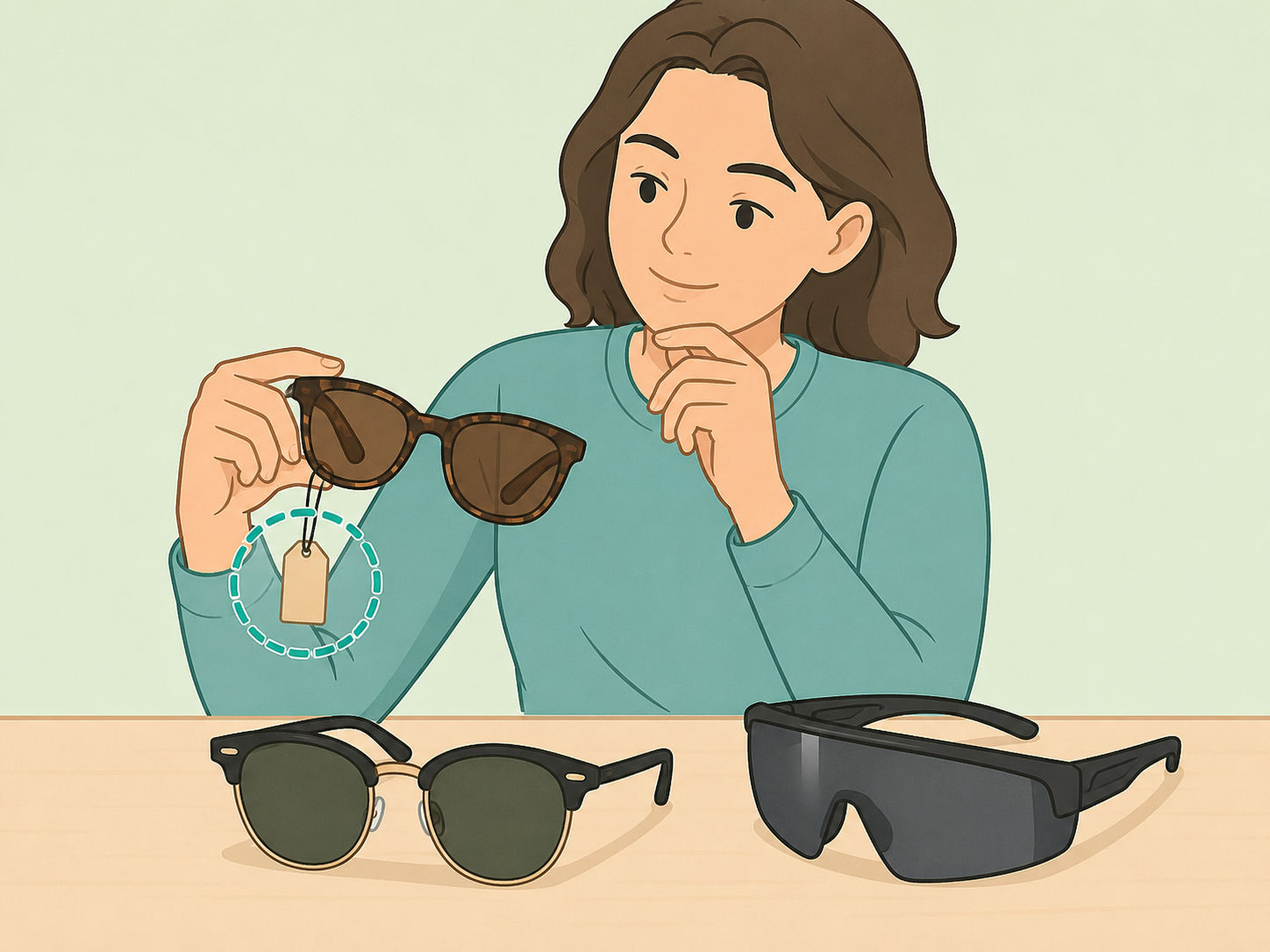
A good pair of sunglasses is more than a style choice. The right lenses and frame help protect your eyes from ultraviolet light, reduce glare, and feel comfortable enough that you will actually wear them. This guide shows you how to choose sunglasses carefully without relying on price, darkness, or brand name alone.
Check the UV label before anything else
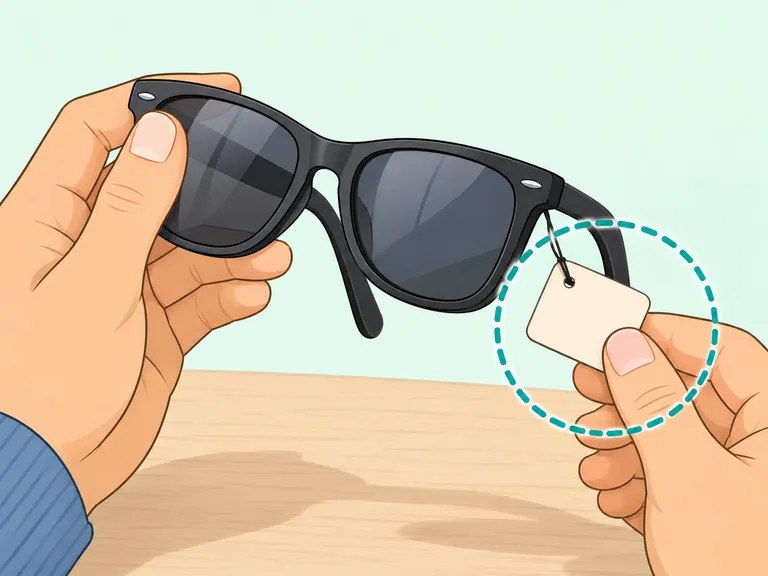
Start with the label, not the brand or the tint. Choose sunglasses that block 99% to 100% of both UVA and UVB radiation, which the CDC recommends and the National Eye Institute also advises. Labels such as UV400, UV absorption up to 400 nm, or Meets ANSI UV Requirements are good signs.
Choose frames that cover more of the eye area
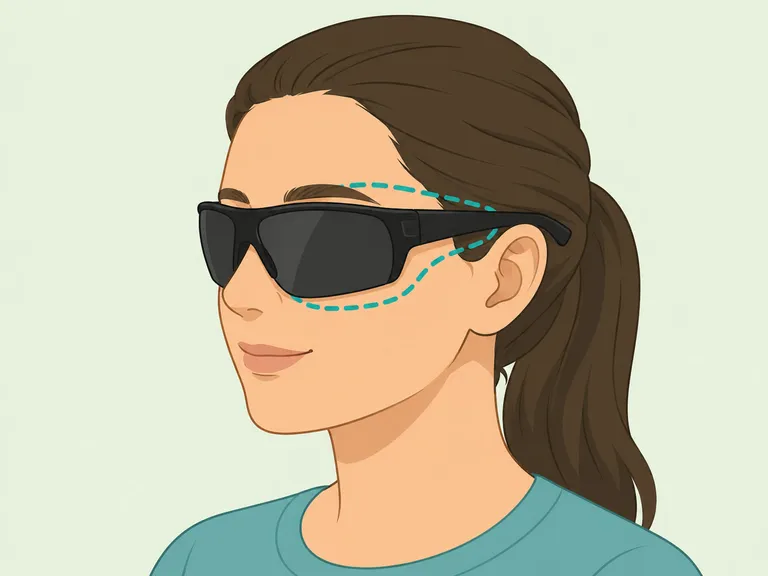
Pick lenses that are large enough to cover the eyes and the delicate skin around them. Large-framed or wraparound sunglasses are more likely to block light entering from the sides, according to the American Cancer Society. This is especially useful at the beach, on snow, on the water, or anywhere sunlight reflects toward your face.
Do not judge protection by darkness or price
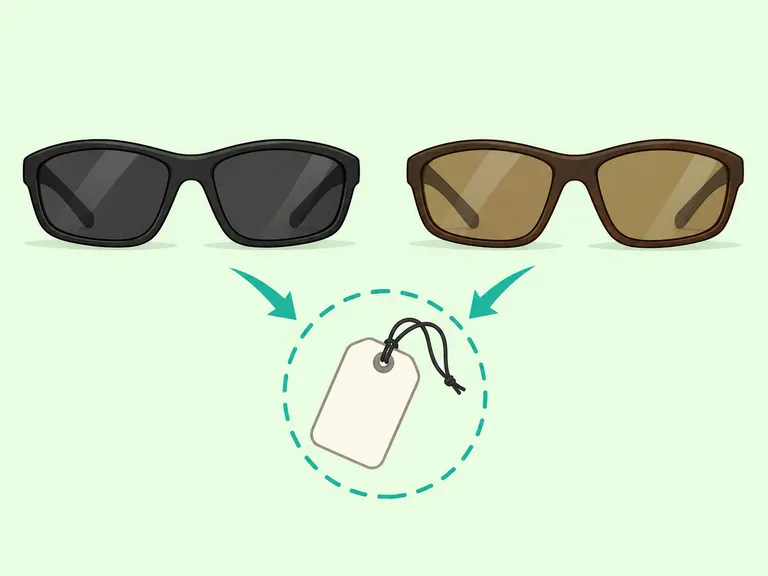
A very dark lens can still be a poor choice if it has no UV protection. The American Cancer Society explains that UV protection comes from an invisible lens treatment or material, not from lens color or darkness. If a pair has no UV label, choose a different pair.
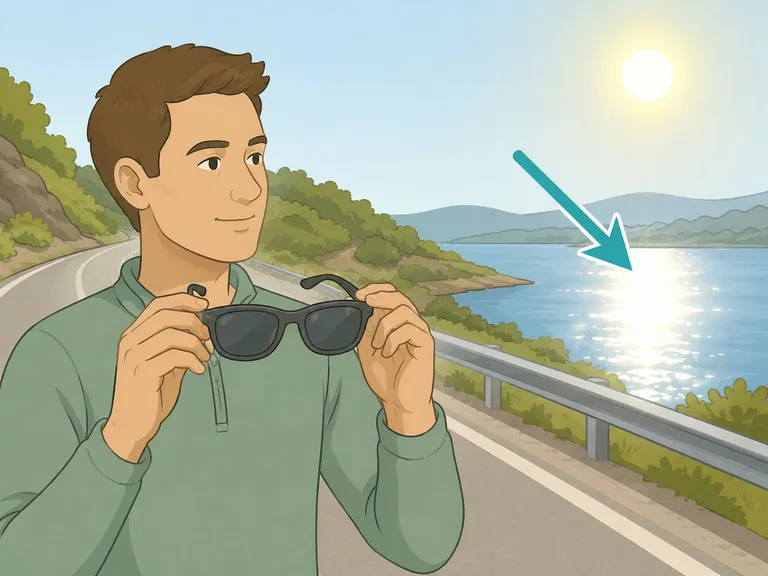
Use polarization for glare, not as your safety check
Consider polarized lenses if glare makes driving, boating, fishing, skiing, or walking near water uncomfortable. Polarization can make bright reflections easier to tolerate, but your safety check is still the UV label. Confirm UV400 or 99% to 100% UVA and UVB protection before you worry about polarized, mirrored, or gradient finishes.
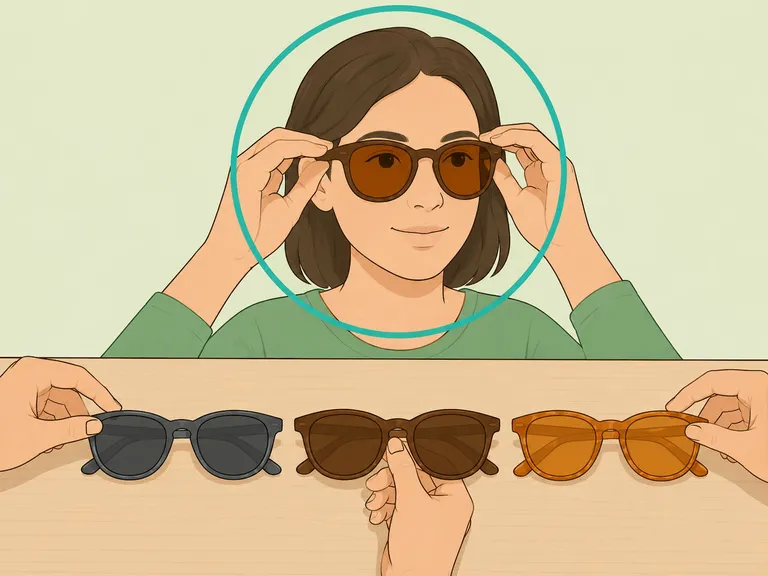
Match the tint to how you will use them
Choose gray or brown lenses for everyday wear if you want natural color perception, and consider amber or rose lenses only if they feel comfortable for your activity. Very dark lenses may be too dim for driving, shaded trails, or changing weather. If you plan to wear sunglasses while driving, test that you can read screens, mirrors, signals, and the road clearly before relying on them.
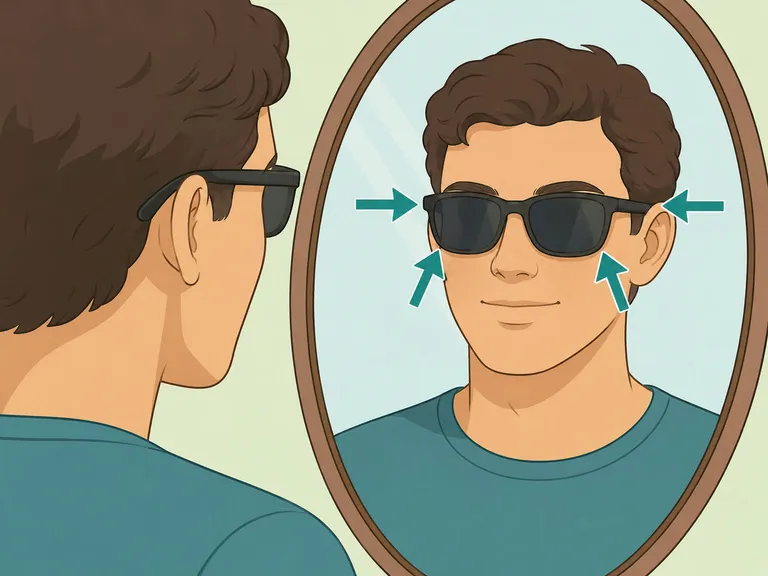
Check the fit on your face
Put the sunglasses on and move your head as you normally would. They should sit close to your face without touching your eyelashes, pinching your nose, or sliding down when you look down. A comfortable fit matters because sunglasses only protect you when you wear them consistently.
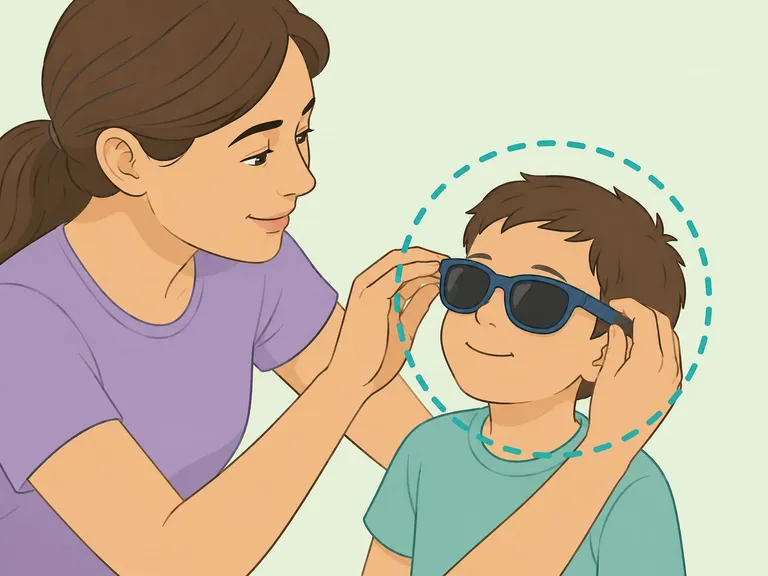
Buy real protective sunglasses for children too
Children need real UV-protective sunglasses, not toy lenses. The American Cancer Society recommends smaller versions of protective adult sunglasses for kids, along with other sun-safety habits. Look for durable frames, a secure fit, and the same 99% to 100% UVA and UVB label you would choose for yourself.
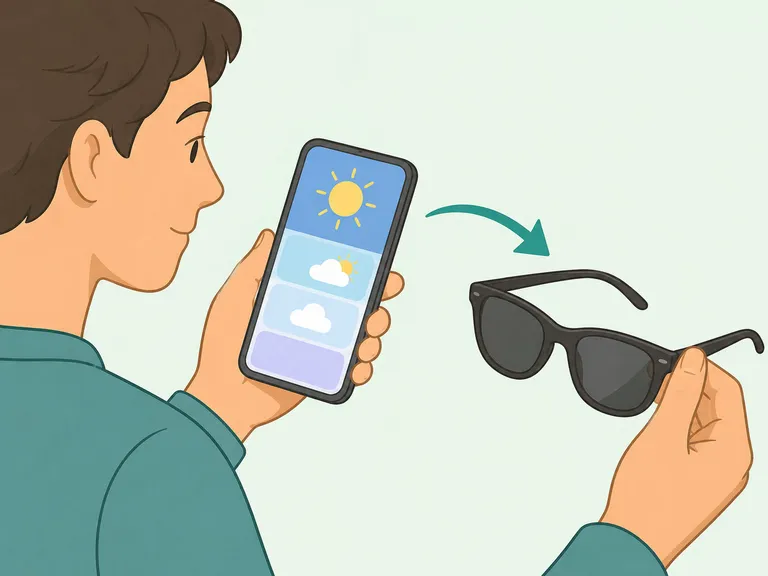
Use the UV Index to decide when protection matters most
Check the UV Index when you will be outdoors for more than a short errand. The World Health Organization says higher UV Index values mean greater potential damage to the skin and eyes, and the EPA recommends sunglasses as part of sun protection when the index is 3 or higher. Keep a reliable pair in your bag or car so you are not tempted to skip them.
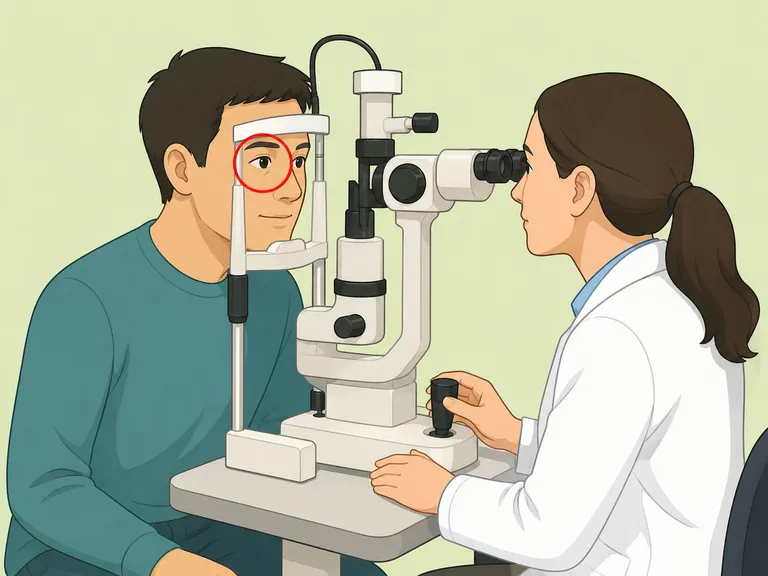
See an eye doctor for pain or sudden vision changes
Sunglasses help reduce UV exposure, but they cannot diagnose or treat eye problems. Seek urgent care for severe eye pain, sudden vision changes, new light sensitivity, halos, swelling, injury, chemical exposure, blood, or pus, which Mayo Clinic lists as reasons to get medical help. For routine eye health, a comprehensive dilated eye exam is still important because some eye diseases may not have early symptoms.
Article Summary
The bottom line: choose sunglasses by verified UV protection first, then by coverage, fit, glare control, and the activities you need them for. A pair that blocks UV well, stays comfortable, and covers the eye area is usually the safest everyday choice.
Frequently Asked Questions
- Is UV400 the same as 100% UV protection?
- UV400 generally means the lenses block ultraviolet light up to 400 nanometers. The American Cancer Society says labels such as UV absorption up to 400 nm or Meets ANSI UV Requirements mean the glasses block at least 99% of UV rays.
- Are darker sunglasses always safer?
- No. Darker lenses are not automatically safer because UV protection comes from the lens material or coating, not from darkness alone. Check for a clear UV label before buying.
- Should I choose polarized sunglasses?
- Polarized lenses can be useful when glare bothers you, especially near water, wet roads, or bright open spaces. Still check for UV400 or 99% to 100% UVA and UVB protection because glare reduction is not the same thing as UV protection.
- Are cheap sunglasses okay?
- They can be okay if they clearly state 99% to 100% UVA and UVB protection or UV400. If there is no UV label, do not assume the sunglasses protect your eyes, even if they are dark.
- Do contact lenses with UV protection replace sunglasses?
- No. Some contact lenses include UV protection, but the American Cancer Society notes that contacts do not cover the whole eye or the surrounding skin, so sunglasses are still important.
- When should I wear sunglasses?
- Wear them outdoors on bright days and when UV levels are moderate or higher. The EPA recommends sunglasses as part of sun protection when the UV Index is 3 or above.
References
Trusted culinary resources helped guide and refine this article.
- https://www.nei.nih.gov/eye-health-information/healthy-vision/how-eyes-work/keep-your-eyes-healthy
- https://www.cdc.gov/vision-health/prevention/index.html
- https://www.cancer.org/cancer/risk-prevention/sun-and-uv/uv-protection.html
- https://www.who.int/news-room/questions-and-answers/item/radiation-the-ultraviolet-%28uv%29-index
- https://www.epa.gov/sunsafety/uv-index-scale-0
- https://www.mayoclinic.org/symptoms/eye-pain/basics/when-to-see-doctor/sym-20050744