
 Pin this recipe
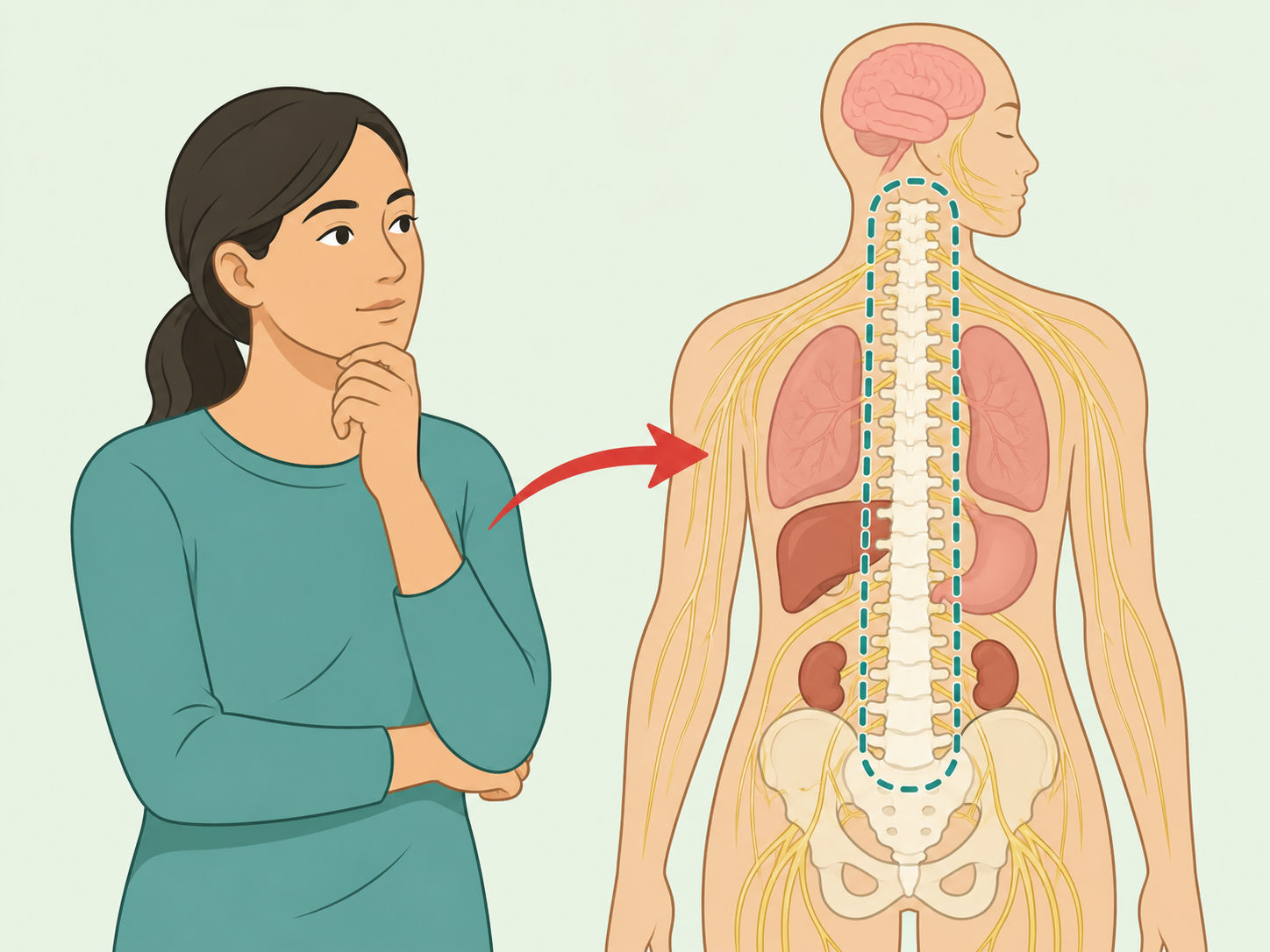
Pain in your back can feel confusing because the spine, nerves, muscles, and some internal organs all share nearby pathways. The spine is important, but it is not the single cause of every pain in the body. This guide explains how to read the pattern of pain, spot warning signs, and decide when to seek medical care.
Learn what the spine actually connects
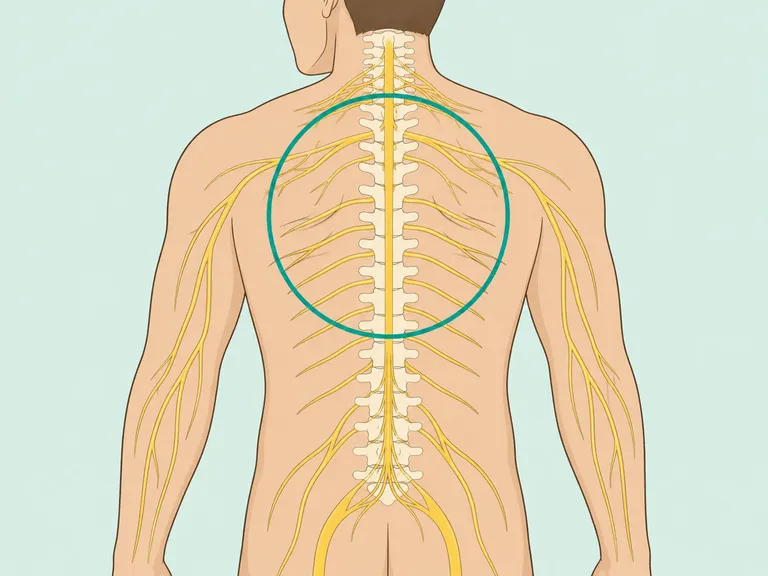
The spine protects the spinal cord, and spinal nerves carry sensory, motor, and autonomic signals between the spinal cord and much of the body. That connection helps explain why nerve irritation can cause pain, tingling, weakness, or symptoms that travel. It does not mean every pain or organ problem is caused by the spine.
Notice where the pain starts and travels
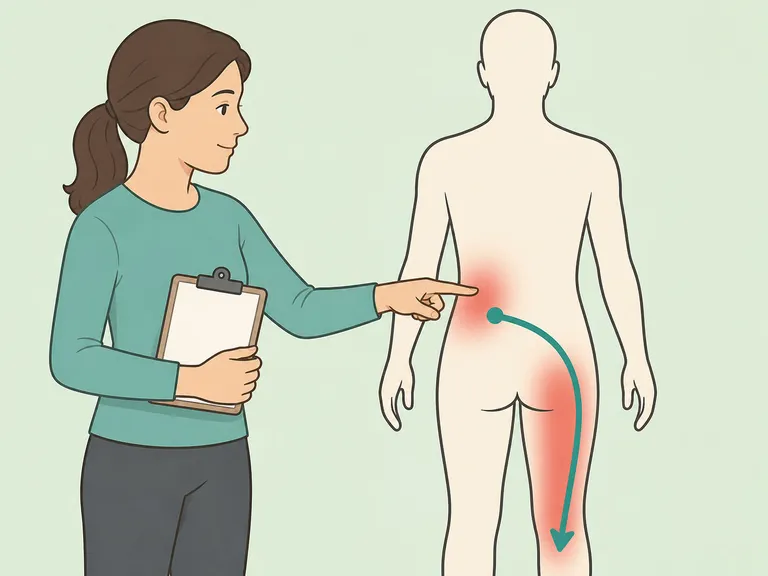
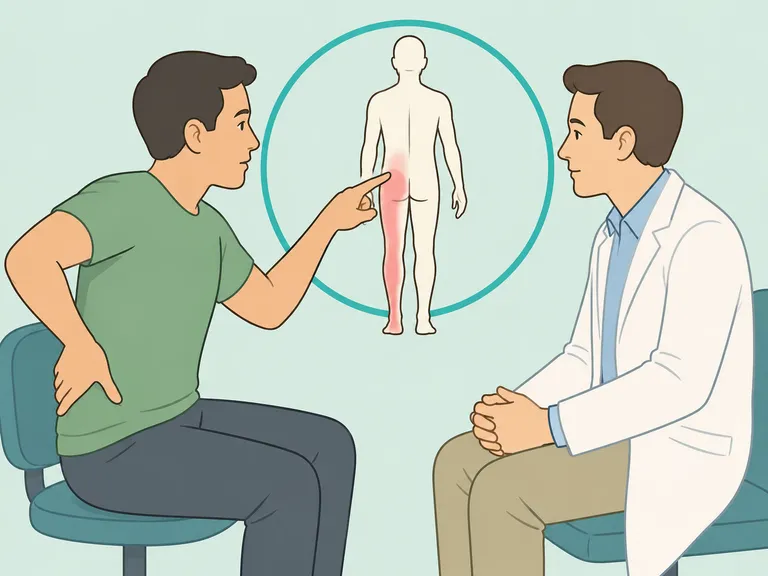
Write down the first spot you feel pain, whether it stays local, and whether it spreads to the buttock, leg, abdomen, chest, shoulder, or groin. Back pain can range from a dull ache to a sharp or burning feeling, and it may radiate away from the back into other areas. A clear pain map helps a clinician decide whether the pattern looks muscular, nerve-related, or possibly referred from another condition.
Separate mechanical back pain from nerve pain
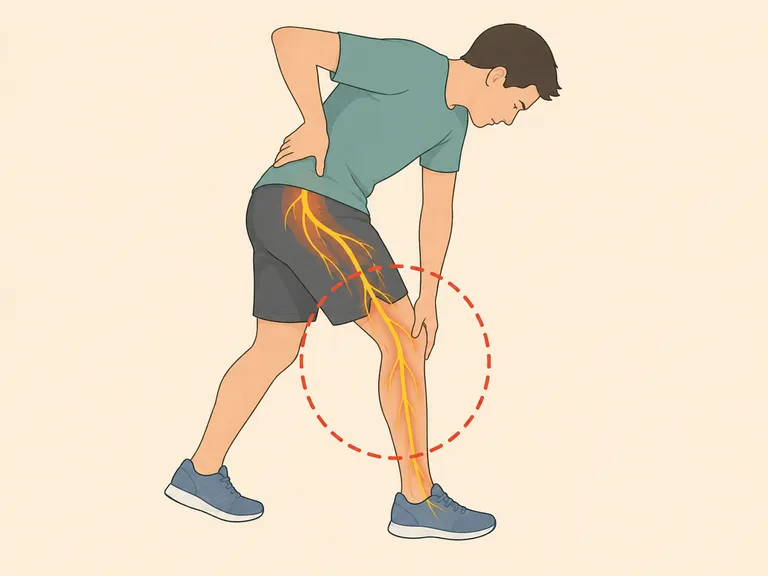
Mechanical back pain often changes with lifting, bending, twisting, sitting, standing, or walking, and common causes include muscle strain, disc problems, arthritis, osteoporosis, and other spine conditions. A pinched or irritated nerve may cause pain that travels, numbness, tingling, or weakness; sciatica is a common example that can run from the lower back into the buttock and leg. Do not try to diagnose the cause from one symptom alone.
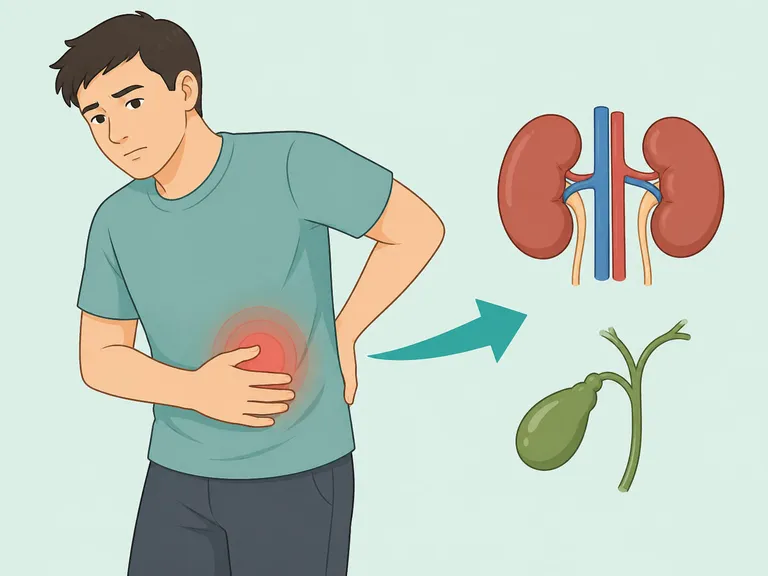
Watch for organ-related clues
Some internal problems can be felt in the back. For example, kidney stones may cause sharp side and back pain below the ribs, often with urinary symptoms, nausea, vomiting, fever, chills, or blood in the urine. Gallstones may cause pain between the shoulder blades or in the right shoulder along with upper abdominal pain, nausea, or vomiting.
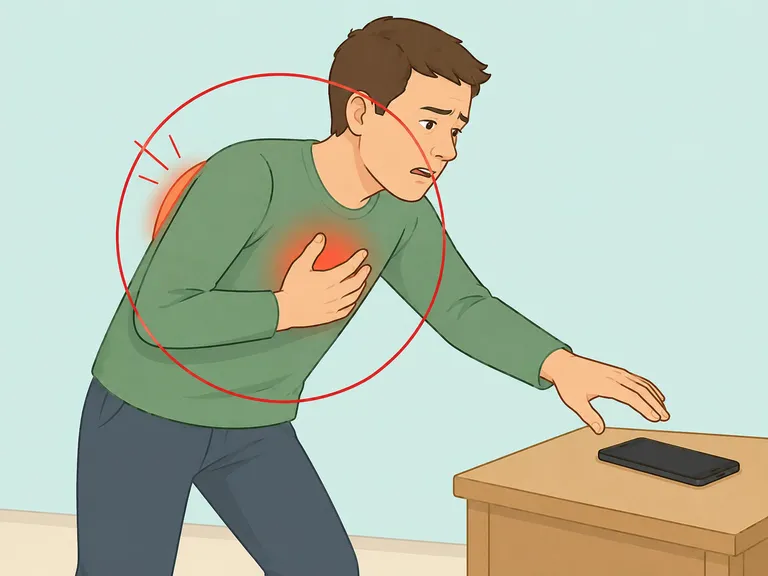
Check for emergency warning signs
Seek urgent medical help if back pain comes with chest pain, shortness of breath, cold sweat, nausea, lightheadedness, or discomfort in the arm, jaw, neck, back, or stomach, because the American Heart Association lists these as possible heart attack warning signs. Also get immediate care for new bowel or bladder problems, numbness or weakness in both legs, fever, or pain after a serious accident; the NHS flags these as urgent back pain symptoms. When in doubt, treat sudden severe symptoms as urgent.
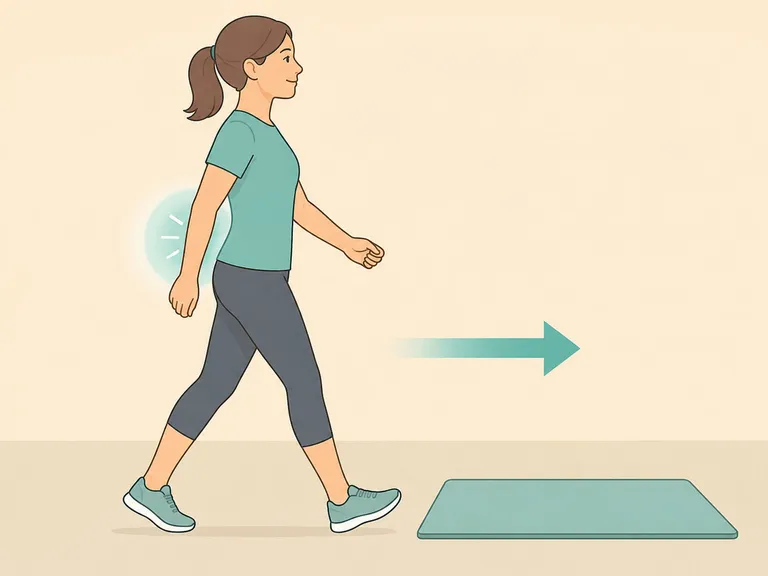
Keep moving gently when symptoms are mild
If your back pain is mild and you have no red flags, avoid long bed rest and keep up light activity as tolerated. The NHS recommends staying active and trying normal daily activities, while stopping exercises that make pain worse. Gentle walking, heat or cold packs, and careful movement may help while you monitor symptoms.
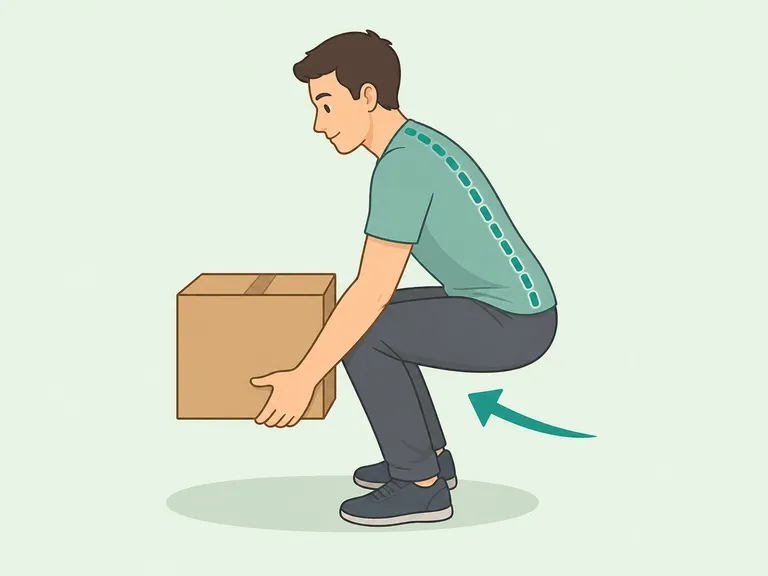
Use spine-friendly habits to reduce strain
Protect your back by lifting with your legs, keeping loads close to your body, changing sitting positions often, and building core strength gradually. Mayo Clinic notes that regular low-impact activity, core strength, healthy weight, and proper lifting can help reduce back strain. These habits support the spine, but they are not a substitute for care when symptoms suggest a medical condition.
See a doctor when pain persists or changes
Contact a healthcare professional if back pain lasts more than a few weeks, is severe and does not improve with rest, spreads below the knee, or causes numbness, tingling, weakness, unexplained weight loss, fever, or urinary symptoms. Mayo Clinic advises medical evaluation for several of these patterns, especially when pain persists or has neurological signs. Bring your pain notes, medication list, recent injuries, and any related symptoms to the visit.
Article Summary
The bottom line: the spine helps carry nerve signals through the body, but pain can come from many places, including muscles, discs, joints, nerves, kidneys, gallbladder, or the heart. Notice the pattern, avoid miracle explanations, stay gently active when symptoms are mild, and get prompt care for red flags.
Frequently Asked Questions
- Can spine problems affect organs?
Spinal nerves carry sensory, motor, and autonomic signals between the spinal cord and the body, but that does not mean every organ symptom is caused by the spine. New organ symptoms, such as chest pain, urinary changes, fever, or severe abdominal pain, need medical evaluation.
- Can organ problems feel like back pain?
Yes. Kidney stones can cause sharp side and back pain, and gallstones can cause pain between the shoulder blades or in the right shoulder. The pattern and related symptoms matter, so do not assume back pain is always muscular.
- What does nerve pain from the spine feel like?
Nerve-related pain may shoot, burn, tingle, or travel from the lower back into the buttock or leg. Sciatica is one example and can include numbness, tingling, or weakness.
- Should I get imaging for every back pain episode?
No. Many cases of back pain improve with time and self-care, and clinicians usually base testing on symptoms, exam findings, severity, and red flags. A doctor can decide whether X-ray, CT, MRI, or other tests are appropriate.
- Is bed rest good for back pain?
Long periods of bed rest can make back pain worse. If symptoms are mild and no red flags are present, gentle movement and normal daily activity are often recommended as tolerated.
- When is back pain an emergency?
Seek urgent help for back pain with chest pain, new bowel or bladder problems, weakness or numbness in both legs, fever, serious injury, or pain so severe you cannot get comfortable. These symptoms can signal problems that need immediate care.
References
Trusted culinary resources helped guide and refine this article.
- https://www.ncbi.nlm.nih.gov/books/NBK542218
- https://www.niams.nih.gov/health-topics/back-pain
- https://www.mayoclinic.org/diseases-conditions/back-pain/symptoms-causes/syc-20369906
- https://my.clevelandclinic.org/health/diseases/12792-sciatica
- https://www.nhs.uk/conditions/back-pain
- https://www.mayoclinic.org/diseases-conditions/kidney-stones/symptoms-causes/syc-20355755
- https://www.mayoclinic.org/diseases-conditions/gallstones/symptoms-causes/syc-20354214
- https://www.heart.org/en/health-topics/heart-attack/warning-signs-of-a-heart-attack