
 Pin this recipe
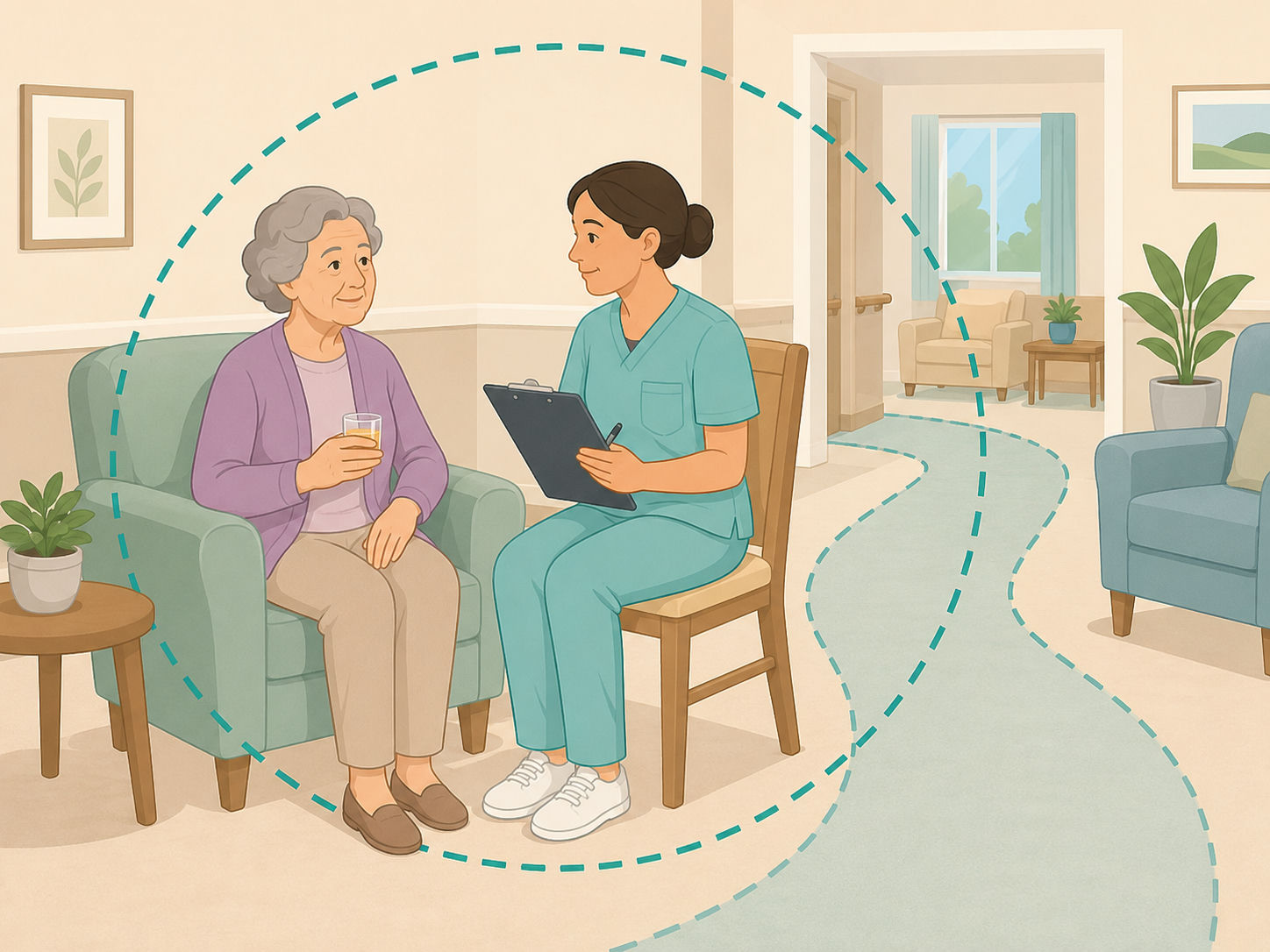
Late-night drinking in a care home can be tricky because it touches independence, house rules, medication safety, sleep, and fall risk. The goal is not to shame or control an older adult, but to understand what is happening and reduce preventable harm. Use these steps to respond calmly, involve the right people, and know when medical help is needed.
Start by respecting the resident's independence
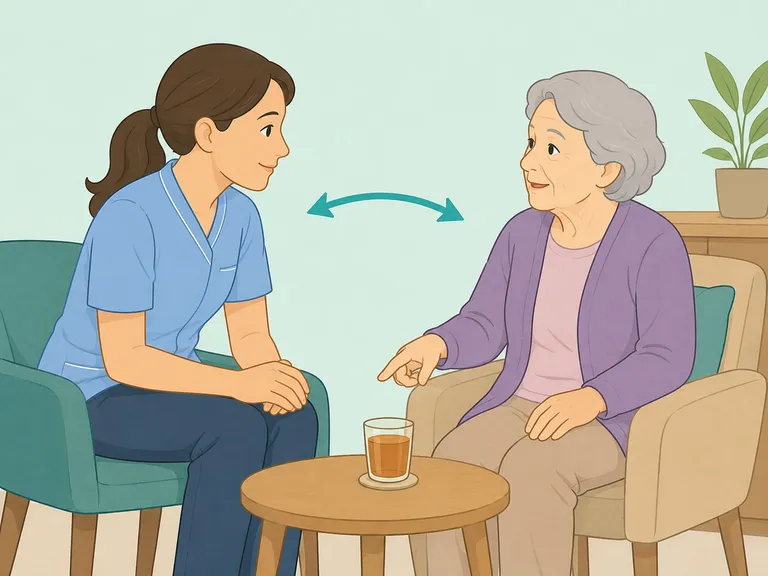
Open the conversation as a safety check, not a punishment. Say what you noticed, ask what the late-night drinks mean to them, and listen for loneliness, boredom, pain, insomnia, or a wish for more control. A respectful start makes it easier to solve the real problem without turning the resident into the problem.
Document the pattern before reacting
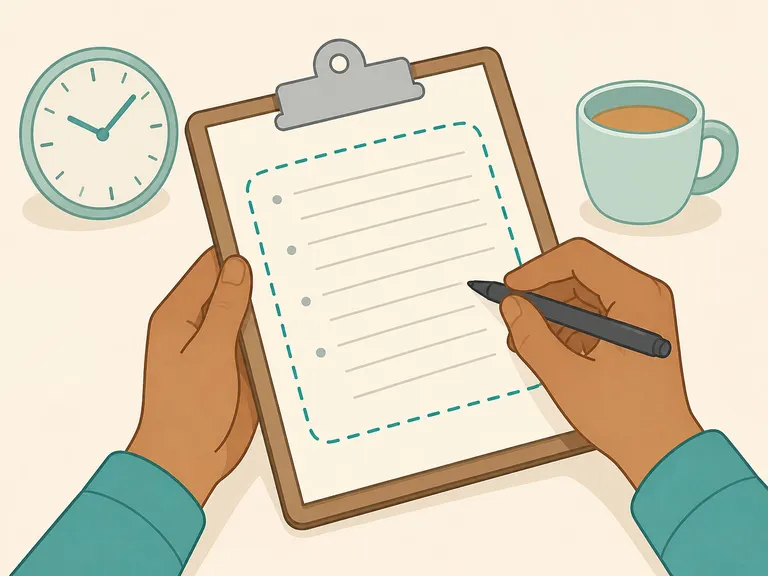
Write down the dates, times, number of people involved, suspected drinks, noise, arguments, falls, missed medications, or next-day confusion. Include what staff did and how the resident responded. A clear log helps the care team separate one lively evening from a repeated safety issue.
Check how much alcohol is actually involved
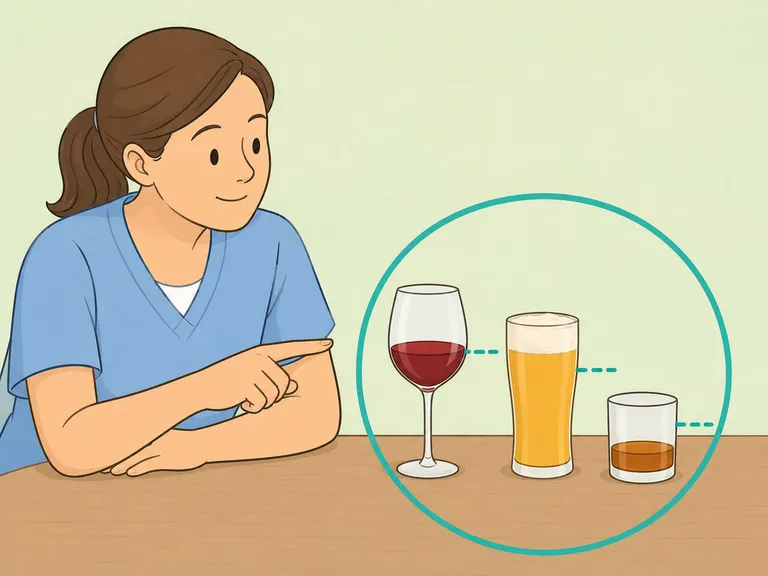
Use a concrete measure instead of guessing from bottle size or mood. The NIAAA explains that a U.S. standard drink contains 0.6 fluid ounces or 14 grams of pure alcohol, and larger pours can contain more than one drink. Ask staff to record servings only when they can do so respectfully and accurately.
Look for immediate safety risks
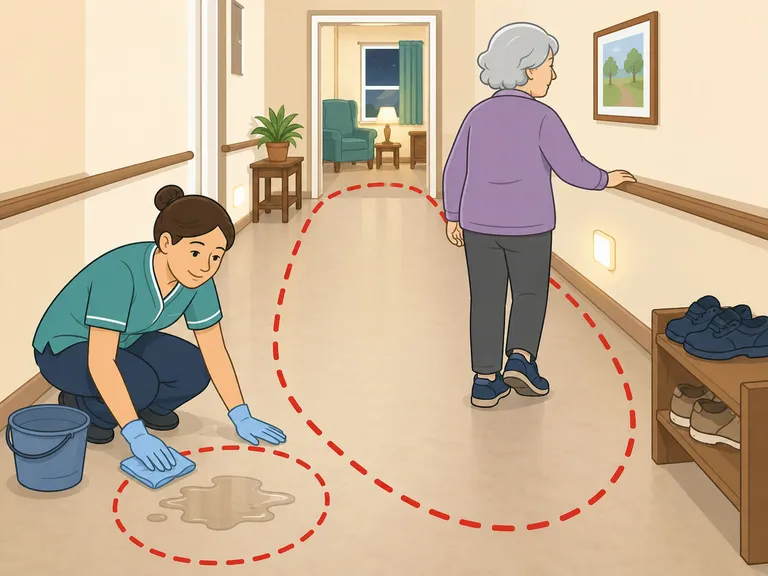
Check whether the resident is walking alone after drinking, using stairs, taking sedating medication, disturbing others who need sleep, or leaving spills and clutter in walking paths. The CDC notes that falls can threaten older adults' independence, but many can be prevented. Focus first on lighting, footwear, clear routes to the bathroom, and supervision after late-night gatherings.
Ask for a medication and health review
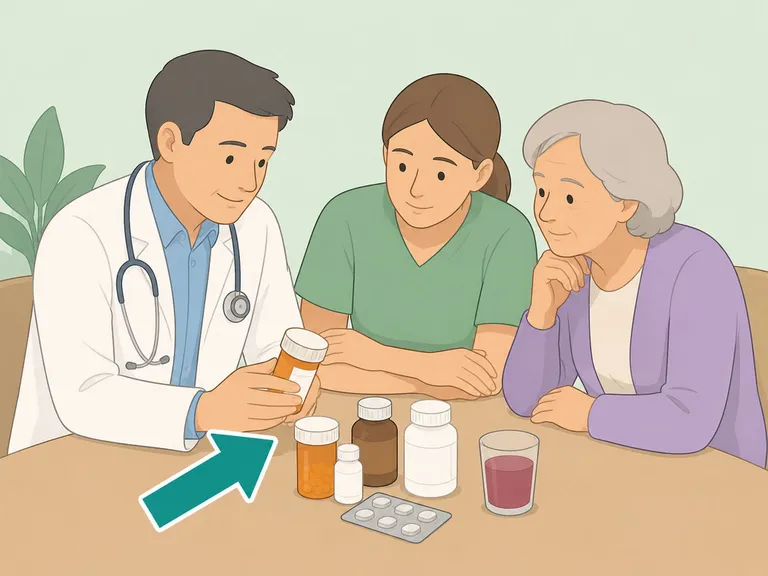
Request a review with the nurse, doctor, or pharmacist, especially if the resident takes sleep aids, pain medicines, blood pressure medicines, antidepressants, or other drugs that may interact with alcohol. NIAAA says some people should avoid alcohol when they take medications that interact with alcohol or have certain medical conditions. Never tell someone to stop or change prescribed medication on your own.
Hold a care-plan meeting
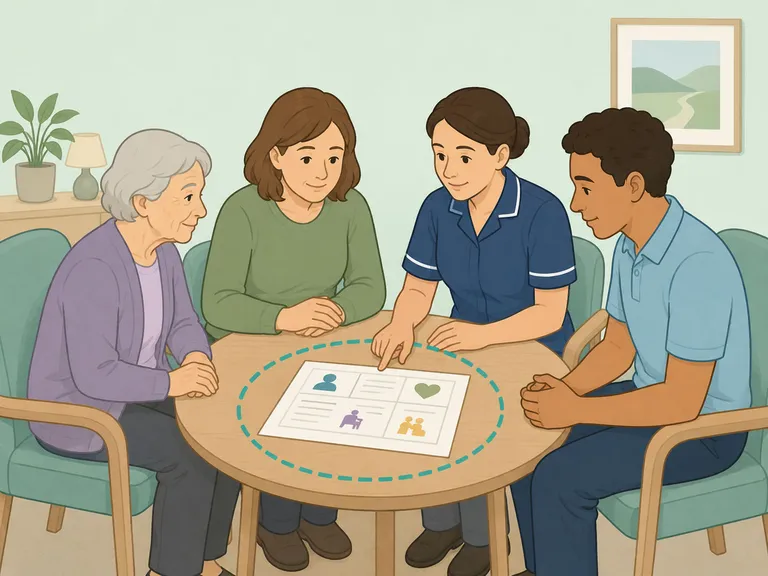
Bring the resident, care staff, family or legal representative if appropriate, and a clinician into one conversation. Agree on practical details: quiet hours, where social drinking can happen, who supplies alcohol, how servings are tracked, and when staff should intervene. Put the plan in writing so every shift follows the same approach.
Offer safer ways to socialize
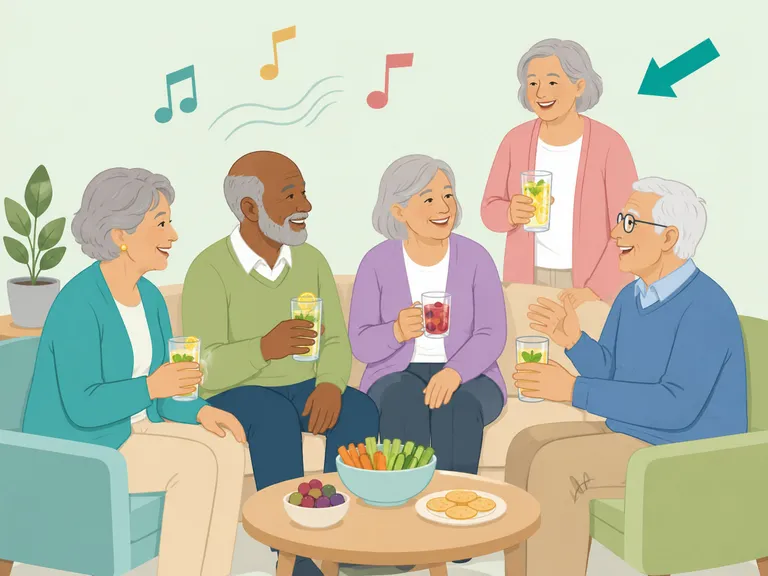
If drinking is mainly about companionship, replace the late-night pattern with earlier social activities, music, snacks, alcohol-free drinks, or a small supervised gathering. NIAAA's change-planning guidance notes that small changes and support can help people cut down or quit when they choose to. Keep the resident's preferences visible so the alternative feels adult, not childish.
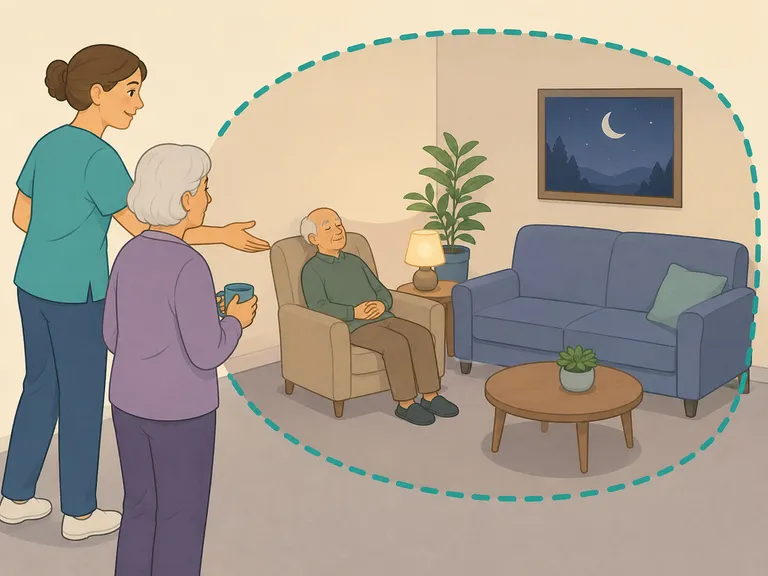
Set clear overnight boundaries
Use boundaries that protect everyone in the home: no loud music after quiet hours, no pressuring other residents to drink, no alcohol in shared hallways, and staff check-ins after a risky evening. Alcohol misuse is linked with injuries and can worsen health problems, according to NIAAA's overview of drinking consequences. Boundaries work best when they are specific, written, and applied consistently.
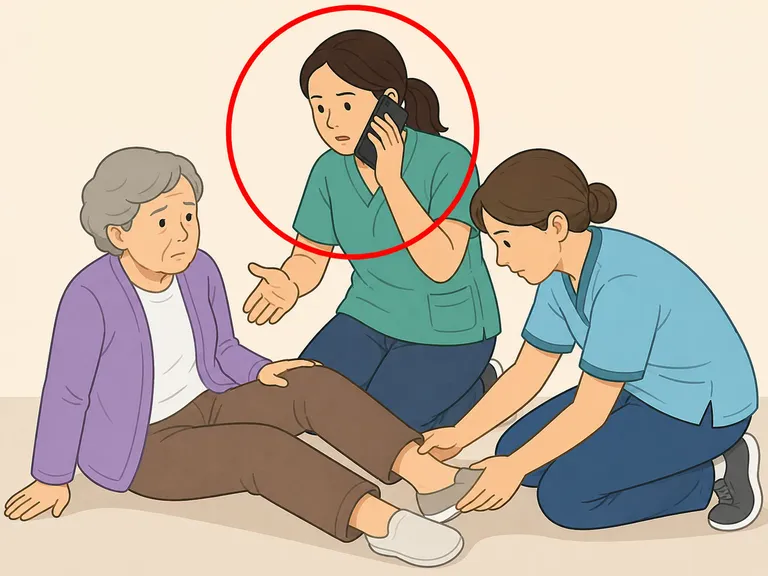
Know when to see a doctor or seek help
Arrange medical help if the resident has falls, blackouts, confusion, worsening sleep, depression or anxiety, repeated attempts to cut down that fail, or withdrawal symptoms such as shaking, sweating, nausea, racing heart, severe restlessness, or seizure. NIAAA lists these as possible warning signs of alcohol use disorder. Call emergency services for serious injury, seizure, severe confusion, chest pain, or trouble breathing.
Article Summary
The bottom line: treat the older adult as a decision-maker, but do not ignore safety. Clear documentation, a care-plan meeting, safer social options, and medical review can turn a disruptive pattern into a respectful plan.
Frequently Asked Questions
- Is it automatically unsafe for an older adult in a care home to drink alcohol?
- No. The concern depends on the person's health, medications, fall risk, history with alcohol, and the facility's rules. Ask the care team or doctor to review the situation instead of assuming one rule fits everyone.
- How much alcohol counts as one drink?
- In the United States, one standard drink contains 0.6 fluid ounces or 14 grams of pure alcohol. That is about 12 ounces of regular beer, 5 ounces of wine, or 1.5 ounces of distilled spirits.
- Should family members remove alcohol from the room?
- Do not remove alcohol secretly unless there is an urgent safety reason. Sudden stopping can be risky for someone who may be dependent, so involve the care team and a health professional.
- What if the resident says, "I do what I want"?
- Acknowledge the resident's independence first, then focus on specific effects such as noise, falls, missed sleep, conflicts, or medication concerns. A respectful tone usually works better than arguing about control.
- Can alcohol increase fall risk at night?
- Yes. Alcohol can affect judgment, balance, coordination, and alertness, and falls are a major safety concern for older adults. Keep paths clear, improve lighting, and ask for a fall-risk review.
- When should drinking in a care home become a medical concern?
- Seek medical advice if there are falls, blackouts, confusion, withdrawal symptoms, medication interactions, worsening chronic conditions, or repeated failed attempts to cut down. Call emergency services for severe confusion, seizure, chest pain, serious injury, or trouble breathing.
References
Trusted culinary resources helped guide and refine this article.
- https://rethinkingdrinking.niaaa.nih.gov/how-much-too-much/whats-standard-drink
- https://www.niaaa.nih.gov/alcohols-effects-health/alcohol-drinking-patterns
- https://rethinkingdrinking.niaaa.nih.gov/how-much-too-much/what-are-consequences
- https://rethinkingdrinking.niaaa.nih.gov/how-much-too-much/what-are-symptoms-alcohol-use-disorder-aud
- https://rethinkingdrinking.niaaa.nih.gov/thinking-about-change
- https://www.cdc.gov/falls/about/index.html