
 Pin this recipe
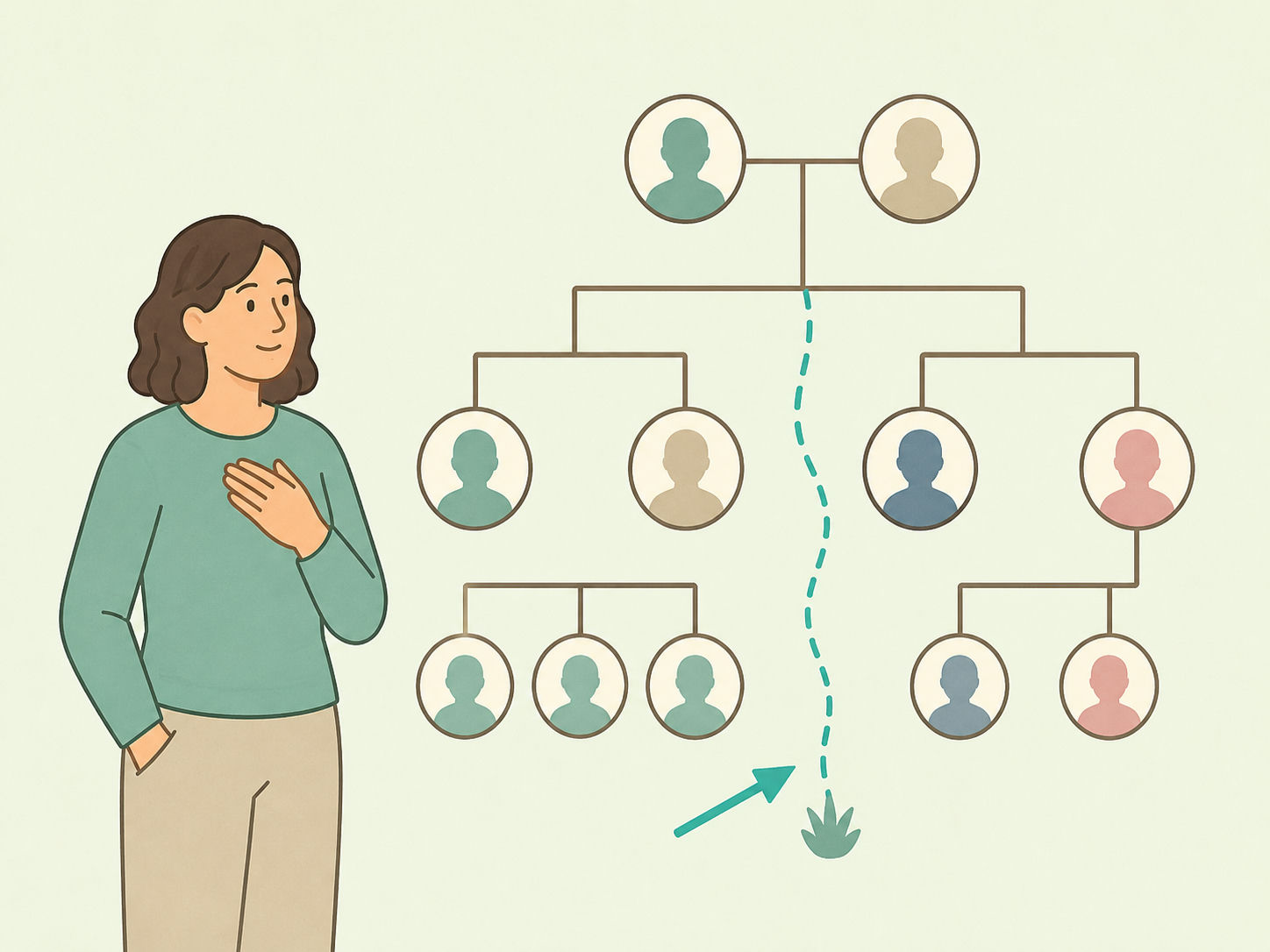
Cutting ties with family is usually a serious, painful decision rather than a casual personality quirk. This guide explains three traits that may show up in people who go no contact: strong self-protection, emotional clarity, and resilience under pressure. It also covers safety, support, and when to seek professional help.
Separate a boundary from a character flaw
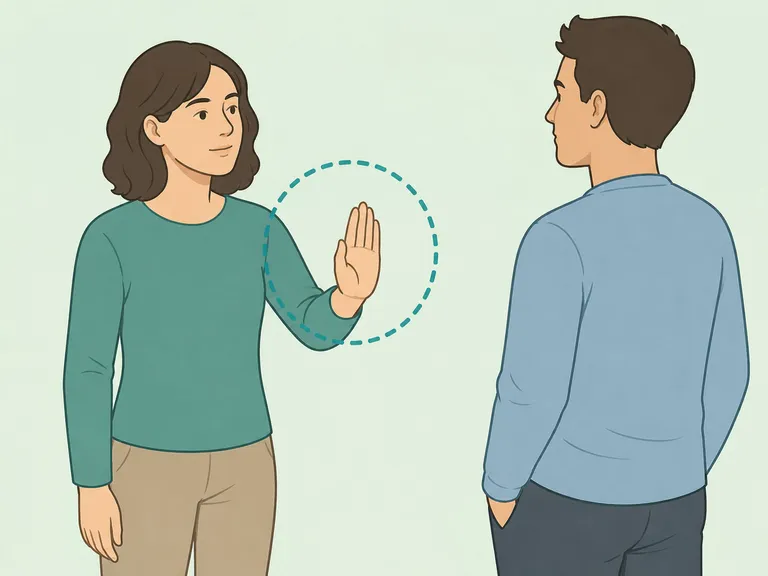
Start by treating the decision as a boundary, not proof that the person is cold, dramatic, or disloyal. Mental health affects how people handle stress, relate to others, and make choices, according to MedlinePlus mental health guidance. A person may reduce or end contact because the relationship repeatedly overwhelms their ability to function well.
Look for strong self-protection
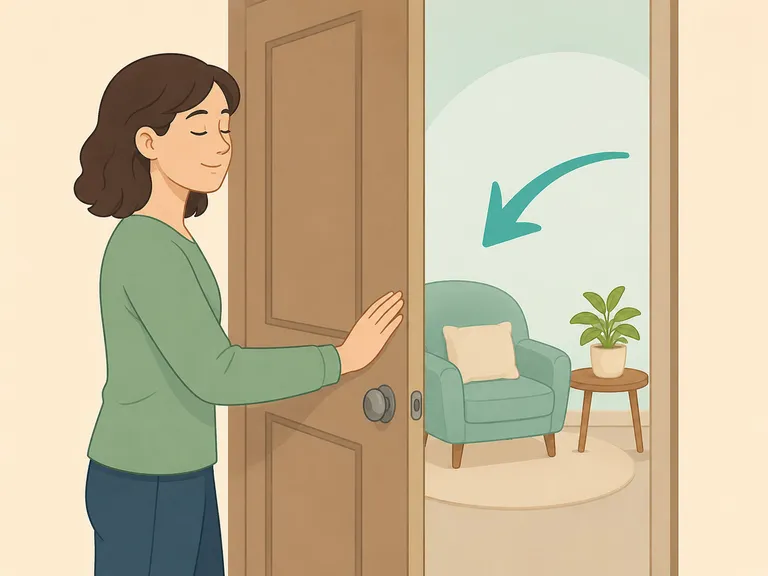
One surprising trait is a strong drive to protect emotional and physical safety, even when that choice disappoints relatives. The NIH social wellness toolkit says healthy relationships include asking for what you need, expecting respect, setting boundaries, and saying no when needed in supportive relationships. In family estrangement, this trait may appear as refusing certain topics, limiting visits, blocking messages, or choosing no contact.
Notice emotional clarity about harm
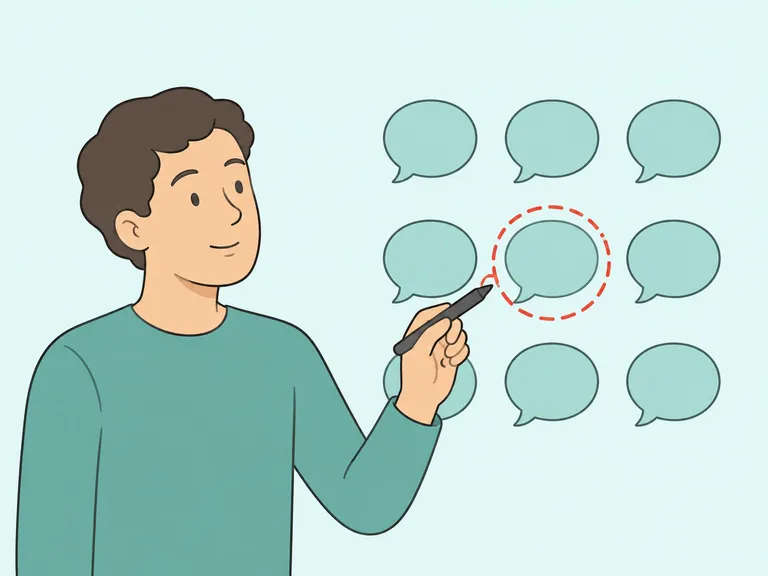
A second trait is the ability to name patterns that feel harmful instead of minimizing them to keep peace. Harm can include ongoing criticism, control, threats, or psychological aggression; the CDC describes psychological aggression as communication meant to harm someone emotionally or exert control in relationship violence guidance. Use careful language, though: noticing a harmful pattern is not the same as diagnosing a family member.
Recognize resilience under pressure
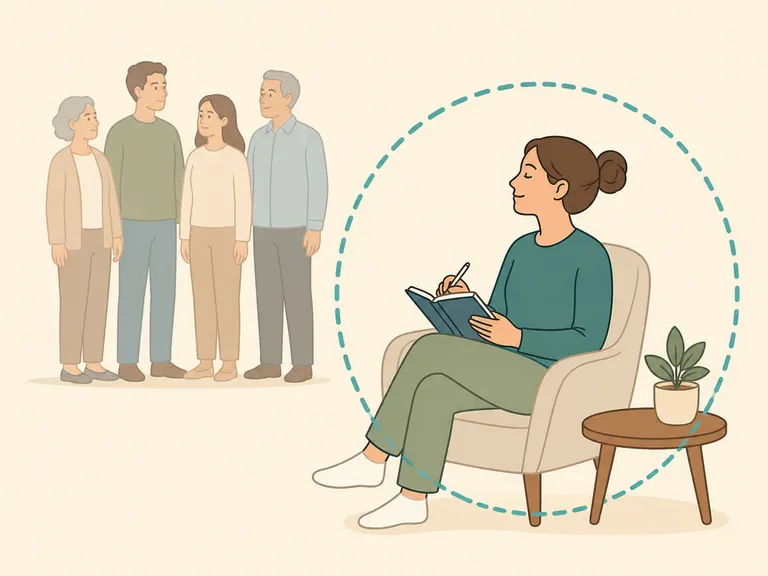
A third trait is the resilience to tolerate guilt, grief, gossip, or pressure from relatives who want the old pattern restored. Social ties can affect health in powerful ways, and NIH notes that supportive connections can protect well-being while hostile or conflict-heavy relationships may add stress in research on relationships and health. Someone who cuts ties may still feel sad and love their family, but they may decide the cost of contact is too high.
Check whether limited contact could work
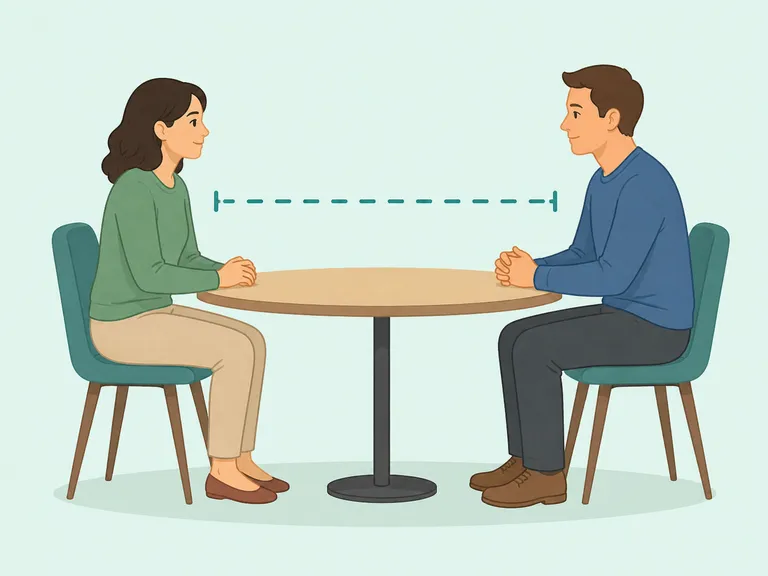
Before assuming the break must be total forever, look for whether a smaller boundary could reduce harm: shorter visits, neutral locations, no surprise drop-ins, or off-limits topics. The goal is not to force reconciliation, but to see whether respect and safety are possible. If every boundary is mocked, punished, or ignored, distance may become the only workable option.
Avoid confusing forgiveness with reunion
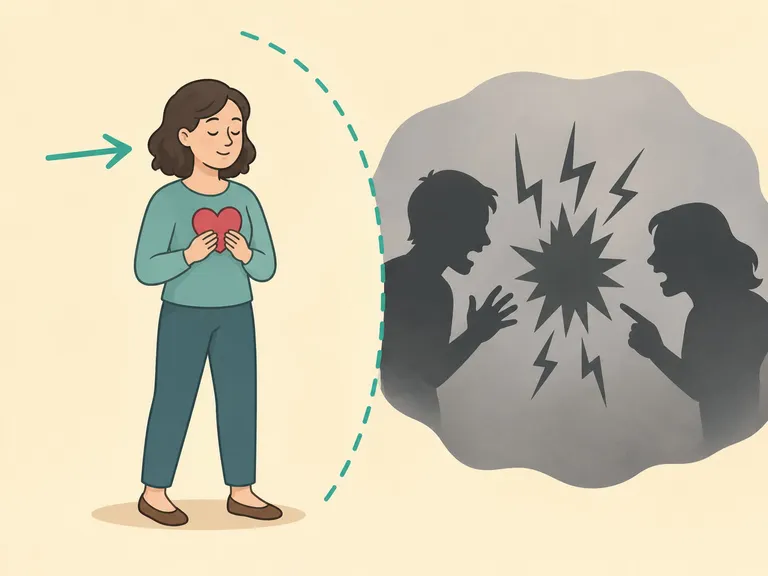
Forgiveness, if someone wants it, does not mean forgetting harm or excusing it. Mayo Clinic explains that forgiveness does not always mean making up with the person who caused harm, and reconciliation may not be safe in cases of abuse or ongoing harm in its forgiveness guidance. This matters because people can work toward peace without reopening a damaging relationship.
Support mental health after distance
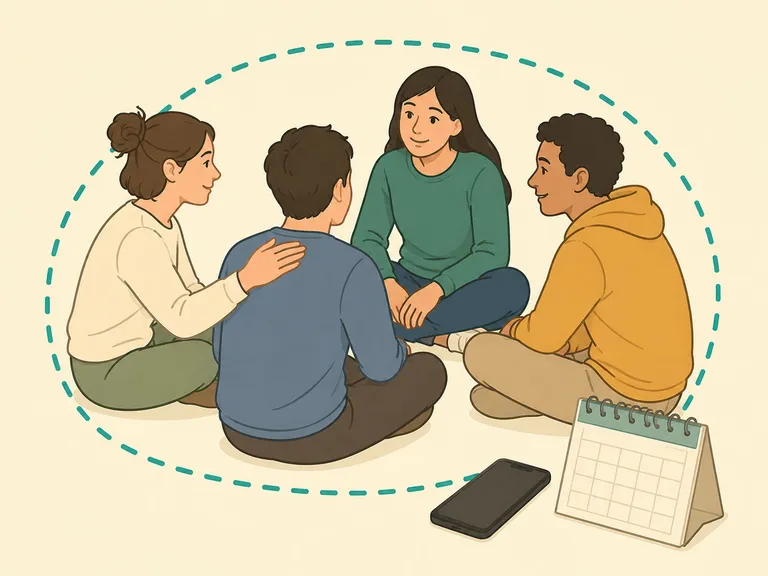
If someone has gone no contact, encourage them to build a wider support system instead of isolating completely. MedlinePlus recommends connecting with others, developing coping skills, sleep, movement, relaxation practices, and meaningful activities as part of mental health self-care. Distance from family works best when it is paired with steady routines and healthier sources of connection.
Seek professional help when distress persists
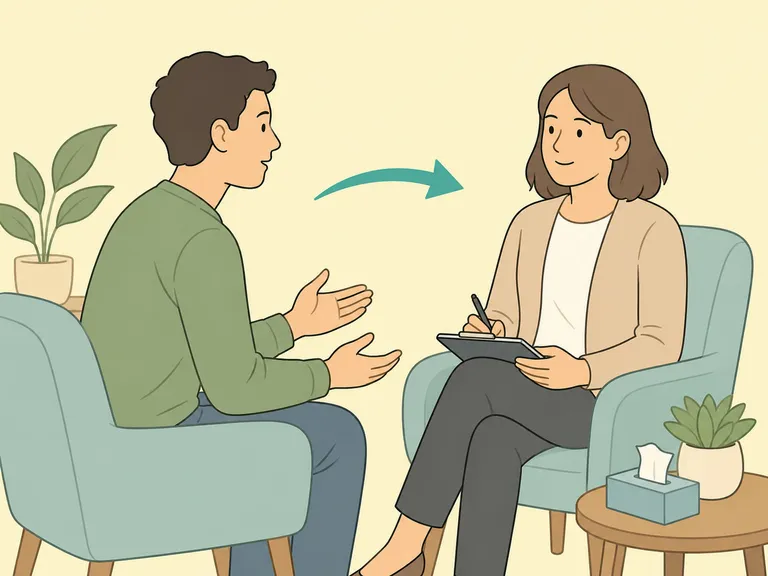
Talk to a doctor or mental health professional if family conflict or estrangement causes severe distress for two weeks or more, affects sleep, appetite, concentration, work, or daily tasks. NIMH recommends seeking help for persistent distressing symptoms and says a primary care provider can refer you to a qualified mental health professional in its mental health care guidance. If someone has thoughts of self-harm, call or text 988 in the U.S. or contact local emergency support right away.
Article Summary
The bottom line: family estrangement is complex, and no single trait explains it. When someone cuts ties, look for the practical pattern underneath: they may be protecting their well-being, naming harm more clearly, and accepting the grief that can come with choosing distance.
Frequently Asked Questions
- Does cutting ties with family mean someone is selfish?
Not necessarily. Some people distance themselves because contact feels unsafe, chronically harmful, or emotionally unmanageable. Others may choose distance before trying enough communication, so it is best to look at the whole pattern rather than label the person.
- What are the three surprising traits people may show when they cut ties?
The three common traits are strong boundary-setting, emotional clarity about what hurts them, and resilience under social pressure. These traits can be healthy when used carefully, but they do not automatically prove that cutting contact is the best choice in every situation.
- Is going no contact always permanent?
No. Some estrangements soften into limited contact, structured contact, or reconciliation. Others remain in place because the person does not feel safe or respected enough to reconnect.
- Can forgiveness happen without reconciliation?
Yes. Forgiveness can mean releasing resentment or focusing on your own peace, but it does not require renewed contact. Mayo Clinic notes that reconciliation may not be possible or safe in situations involving abuse or ongoing harm.
- When should someone get professional help with family estrangement?
Consider professional support if distress lasts for weeks, affects sleep or appetite, makes daily tasks hard, or brings up thoughts of self-harm. A primary care provider, therapist, psychologist, psychiatrist, or clinical social worker can help you sort through next steps.
- How can I support someone who has cut ties with family?
Listen without forcing them to defend the decision. Encourage practical support, healthy relationships, and professional help if they feel overwhelmed or unsafe. Avoid pressuring them to reconnect before they are ready.
References
Trusted culinary resources helped guide and refine this article.
- https://medlineplus.gov/howtoimprovementalhealth.html
- https://www.nih.gov/health-information/your-healthiest-self-wellness-toolkits/social-wellness-toolkit
- https://newsinhealth.nih.gov/2017/02/do-social-ties-affect-our-health
- https://www.nimh.nih.gov/health/topics/caring-for-your-mental-health
- https://www.cdc.gov/intimate-partner-violence/about/index.html
- https://www.mayoclinic.org/healthy-lifestyle/adult-health/in-depth/forgiveness/art-20047692