
 Pin this recipe
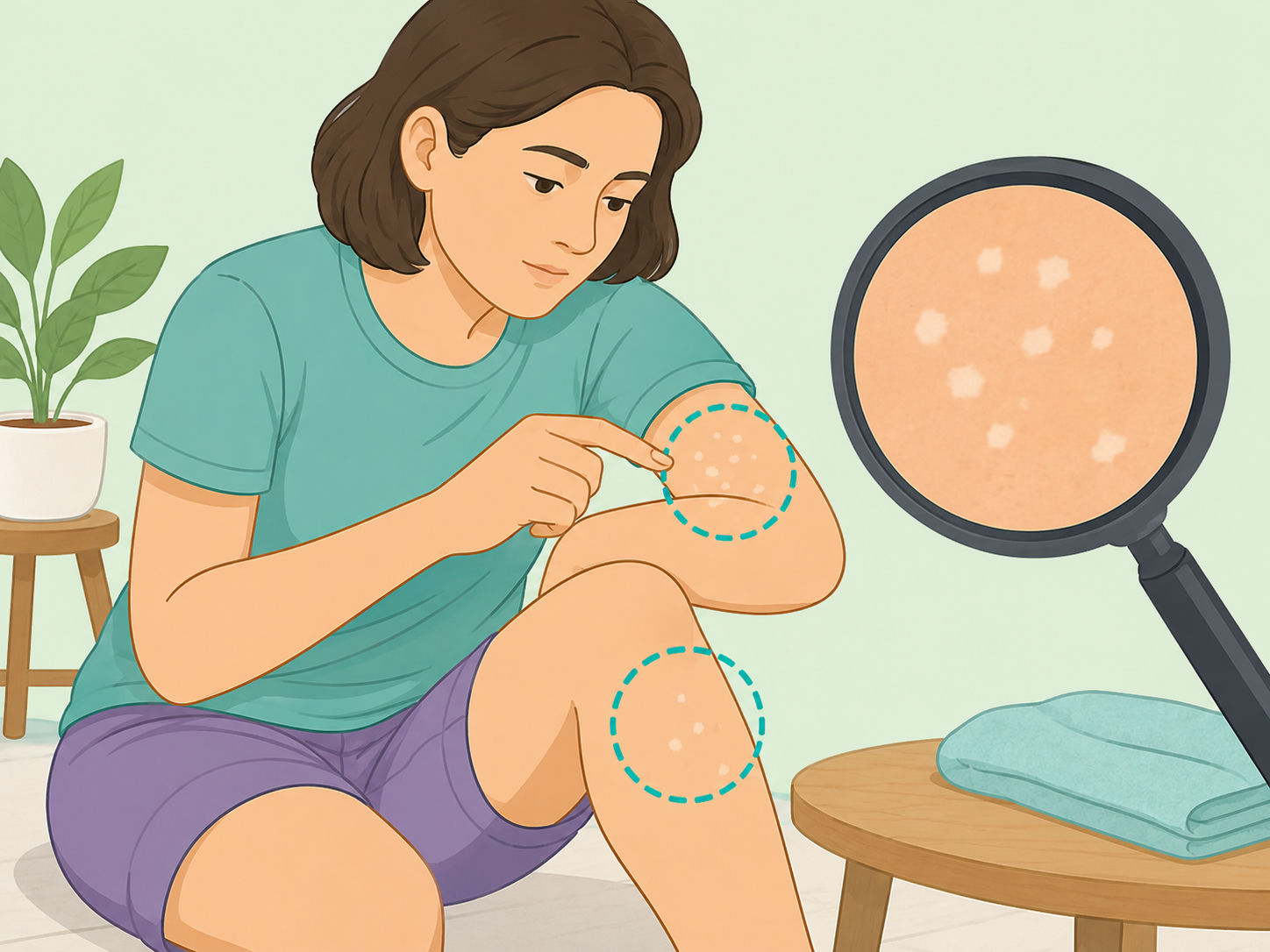
Small white spots on the arms or legs can be surprising, especially when they stand out more after sun exposure. One common cause is a benign pigment change called idiopathic guttate hypomelanosis, but other conditions can look similar. This guide explains how to look at the spots calmly, protect your skin, and know when to get medical advice.
Check whether the spots match the common harmless pattern
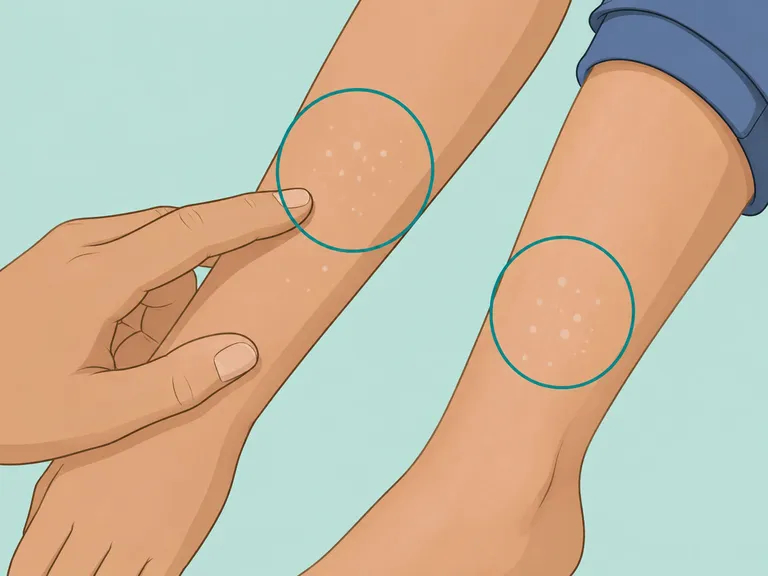
Look for tiny, flat, pale or white spots on sun-exposed areas such as the forearms and shins. DermNet describes idiopathic guttate hypomelanosis as a benign condition that often appears as small white spots on sun-exposed limbs. These spots are usually painless and mainly a cosmetic concern.
Notice your age, sun history, and skin tone
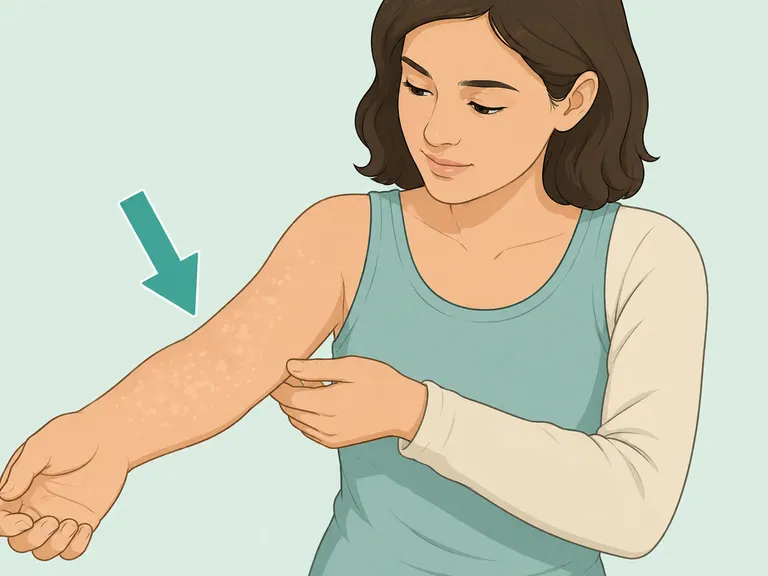
White sun spots become more common with age and long-term sun exposure, and they may be easier to notice on darker skin or after tanning. DermNet notes that idiopathic guttate hypomelanosis can affect all skin types and becomes more common in adults over 40. This does not mean your skin is dirty or that you did anything wrong.
Compare the spots with other common causes
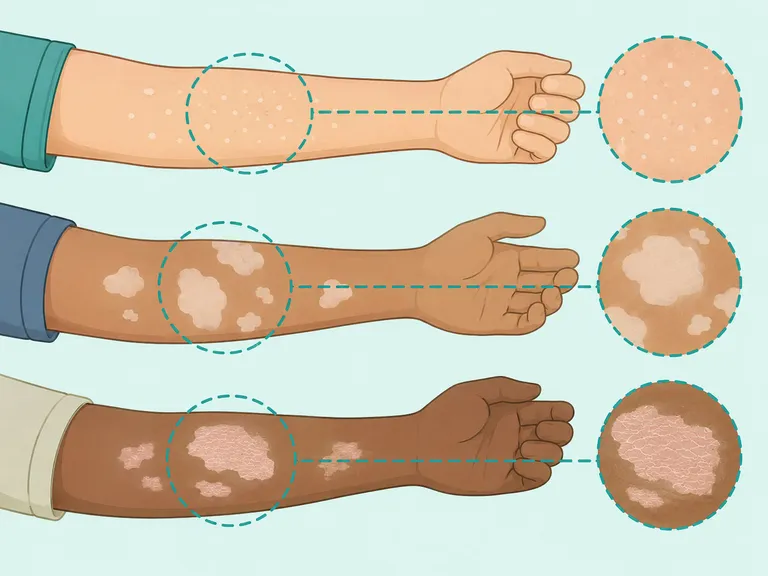
Do not assume every white spot has the same cause. Cleveland Clinic explains that vitiligo causes smooth white or light patches that may appear on the hands, forearms, feet, and face, while Mayo Clinic describes tinea versicolor as a fungal condition that can cause lighter or darker patches, sometimes with scaling or mild itching. A dermatologist can tell these conditions apart by looking at the pattern and, if needed, doing a simple exam.
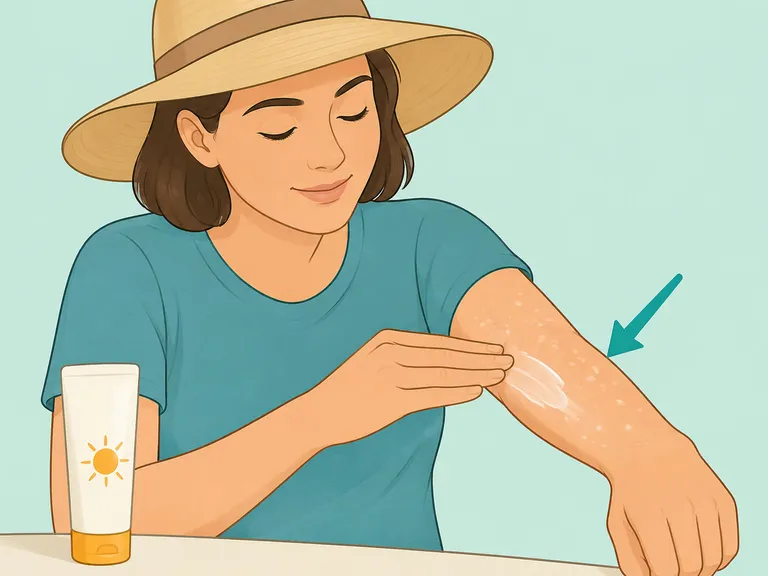
Protect the area from extra sun exposure
Use sun protection even if the spots are harmless, because tanning around them can make them look brighter. Choose a broad-spectrum sunscreen with SPF 30 or higher, which the American Academy of Dermatology recommends for everyday sun protection. Clothing, shade, and reapplying sunscreen after sweating or swimming also help.
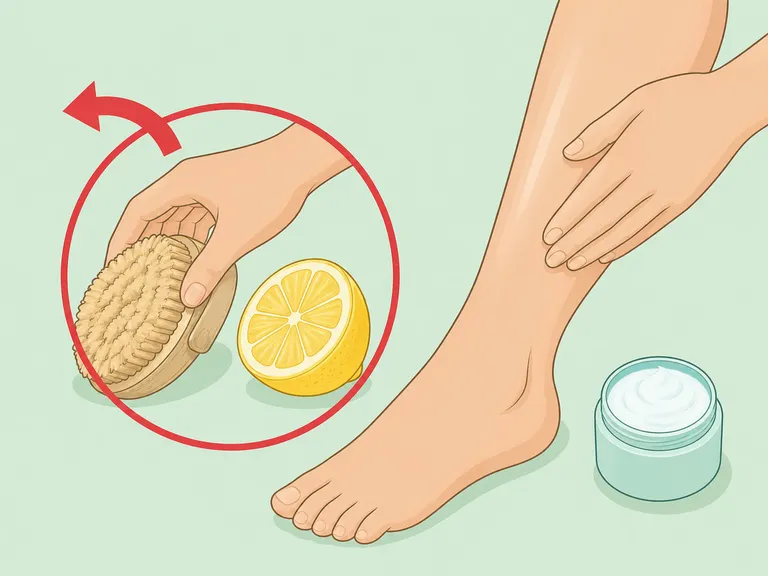
Avoid scrubbing or bleaching the spots
Do not scrub, pick, bleach, or apply acidic home remedies to the spots. Irritation can make skin color changes more noticeable and may cause a rash or burn. Keep the area clean, moisturized, and protected while you watch for changes.
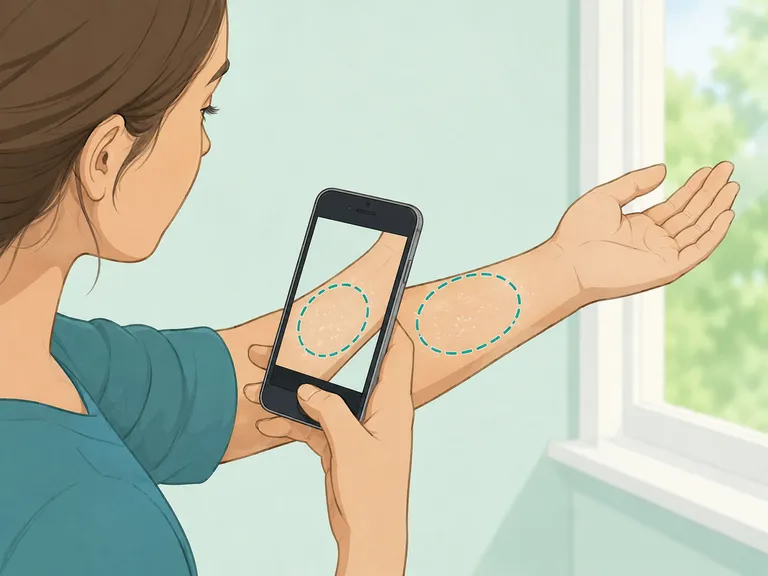
Track changes with simple photos
Take a clear photo in natural light every few weeks if you want to monitor the spots. Use the same angle and lighting so you can tell whether they are truly changing or just more visible after sun exposure. Tracking is especially helpful if you plan to ask a dermatologist about them.
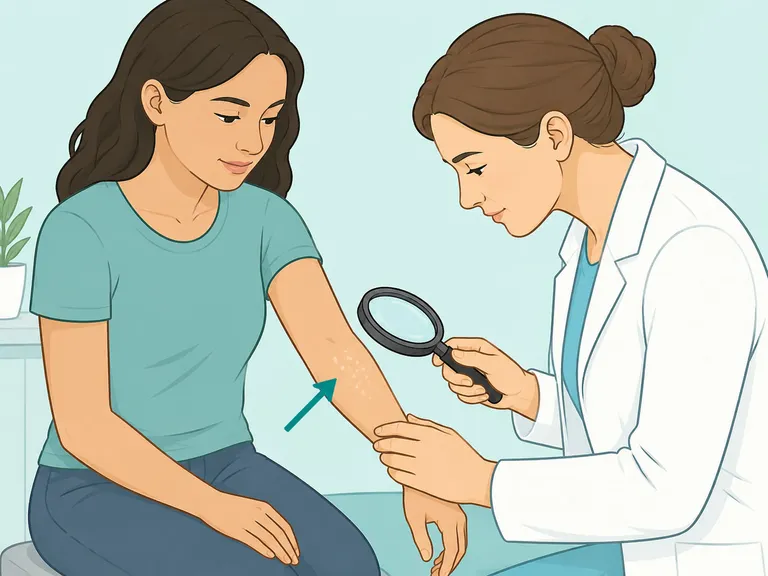
See a dermatologist for warning signs or uncertainty
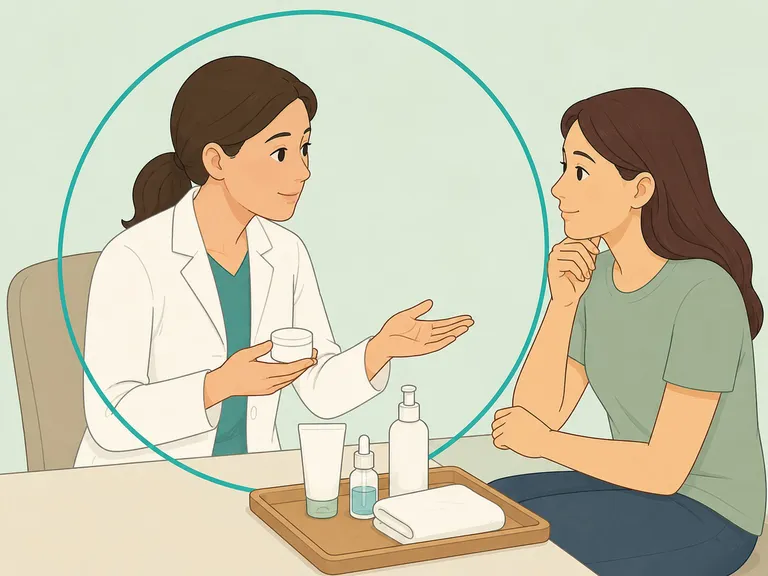
Book a skin check if a spot grows quickly, changes shape or color, bleeds, hurts, itches, scales, or looks unlike your other marks. The AAD advises seeing a dermatologist for changing or unusual pigmented spots, and that same cautious approach is useful for any new mark you cannot identify. Also seek care if a possible fungal rash does not improve, returns, or covers a large area.
Discuss treatment only if the appearance bothers you
Many small white sun spots do not need treatment beyond reassurance and sun protection. DermNet says idiopathic guttate hypomelanosis usually does not require treatment, though dermatologists may discuss topical or procedural options for cosmetic reasons. Do not start prescription creams, steroid products, or procedures without medical guidance.
Article Summary
The bottom line: small white spots on sun-exposed arms or legs are often harmless pigment changes, but they deserve basic sun protection and a little monitoring. If the spots spread quickly, itch, scale, hurt, bleed, or simply worry you, a dermatologist can confirm what they are.
Frequently Asked Questions
- Are small white spots on my arms or legs dangerous?
Often, they are not dangerous. Small, flat, painless white spots on sun-exposed forearms or shins can fit idiopathic guttate hypomelanosis, which DermNet describes as benign. A dermatologist should check spots that are changing, symptomatic, or uncertain.
- Are these white spots always vitiligo?
No. Vitiligo can cause lighter or white patches, but so can idiopathic guttate hypomelanosis, tinea versicolor, and post-inflammatory pigment changes. Vitiligo patches may grow or appear in new areas, so a professional exam is the safest way to tell the difference.
- Can sunscreen make white spots disappear?
Sunscreen usually will not make existing white spots disappear, but it can reduce contrast by limiting tanning around them. It also helps protect skin from sunburn and sun damage.
- Can I remove white spots with home remedies?
Avoid harsh home remedies such as lemon juice, scrubs, or chemical peels at home. They can irritate or burn the skin and make discoloration more noticeable. Ask a dermatologist before trying treatments aimed at pigment changes.
- Can a fungal infection cause white-looking spots?
Yes. Tinea versicolor can cause lighter or darker patches, often with mild scaling or itching, especially on the chest, back, neck, shoulders, or upper arms. It is treatable, but recurring or widespread patches should be checked by a healthcare professional.
- When should I see a dermatologist?
See a dermatologist if the spots spread quickly, itch, scale, hurt, bleed, change color, have irregular borders, or look different from your other skin marks. You should also go if you are not sure what they are or if the appearance bothers you.
References
Trusted culinary resources helped guide and refine this article.
- https://dermnetnz.org/topics/idiopathic-guttate-hypomelanosis
- https://my.clevelandclinic.org/health/diseases/12419-vitiligo
- https://www.aad.org/public/diseases/a-z/vitiligo-overview
- https://www.mayoclinic.org/diseases-conditions/tinea-versicolor/symptoms-causes/syc-20378385
- https://www.aad.org/public/everyday-care/sun-protection/shade-clothing-sunscreen/how-to-select-sunscreen
- https://www.aad.org/public/diseases/skin-cancer/find/at-risk/abcdes