
 Pin this recipe
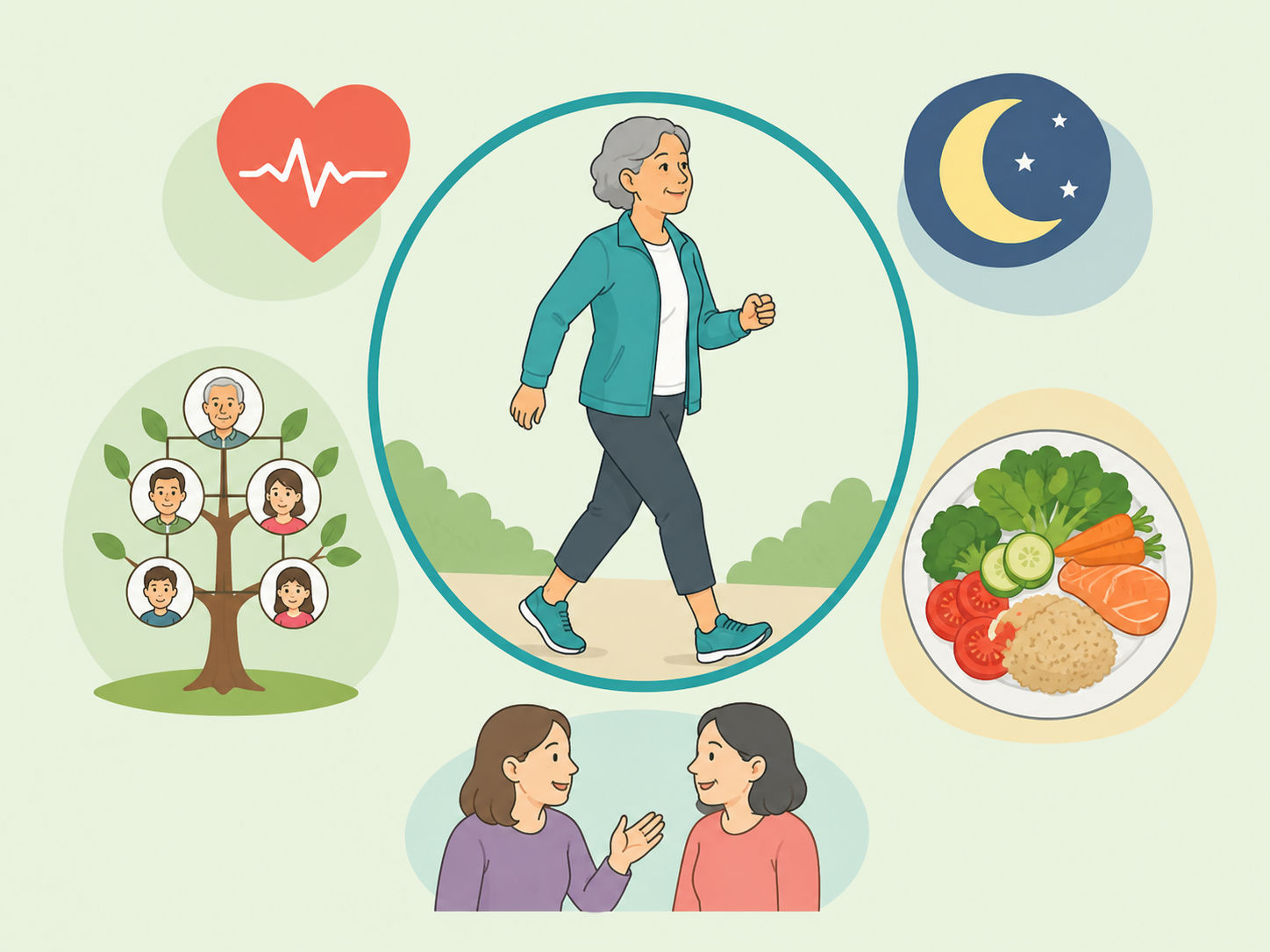
No checklist can predict that you will live to 100, but certain patterns are linked with healthier aging and longer lives. This guide helps you notice 10 encouraging signs, from family history to everyday habits, without turning them into a diagnosis or promise. Use the signs as practical prompts for protecting your health over time.

Look for long-lived relatives without assuming destiny
Having parents, siblings, or grandparents who lived into their 90s or beyond can be an encouraging clue because the New England Centenarian Study reports that exceptional longevity runs strongly in families. Genes matter more at the most extreme ages, but they do not cancel out lifestyle, environment, or medical care.
Notice whether you move most days
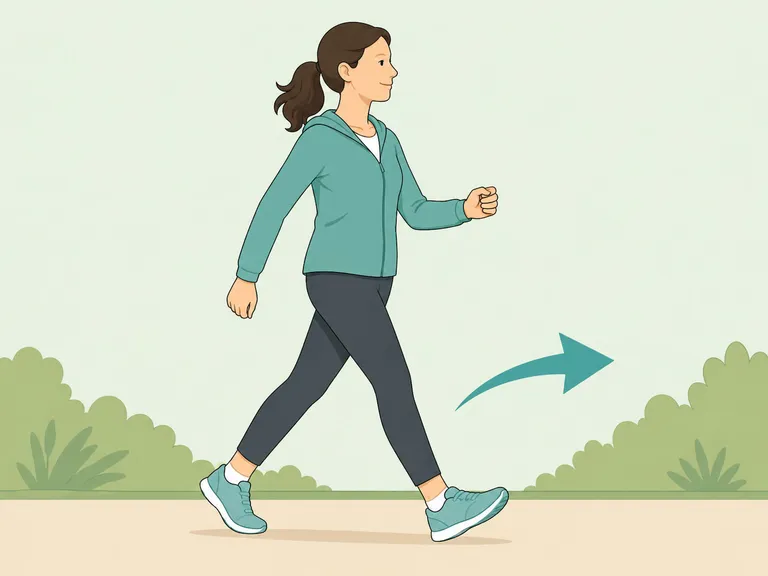
A strong sign of healthy aging is that regular movement feels like a normal part of your week. The CDC says adults need at least 150 minutes of moderate-intensity activity each week, and even smaller amounts are better than none if you are starting from inactivity.
Build strength and balance into your routine
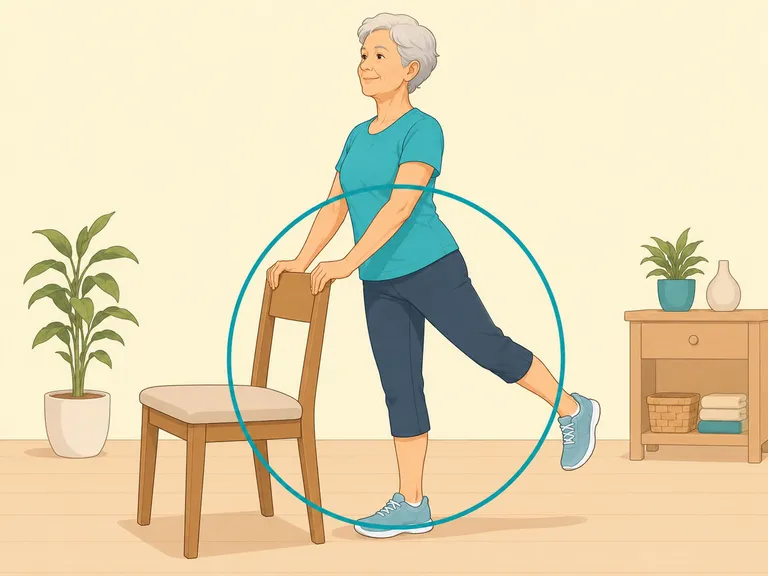
Long life is more useful when you can keep doing daily tasks safely. The CDC recommends muscle-strengthening activity at least 2 days a week, and its healthy aging guidance highlights fall prevention as part of staying well as you get older.
Favor a balanced eating pattern most of the time
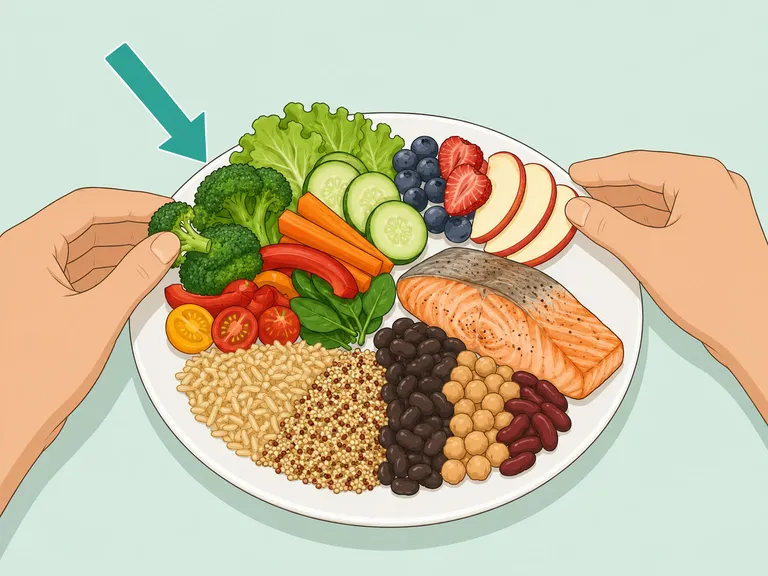
You do not need a perfect diet to age well, but a consistent pattern of nutrient-dense meals is a good sign. CDC guidance says healthy eating patterns emphasize vegetables, fruits, whole grains, protein foods, healthy fats, and limits on added sugars, sodium, saturated fats, and trans fats.
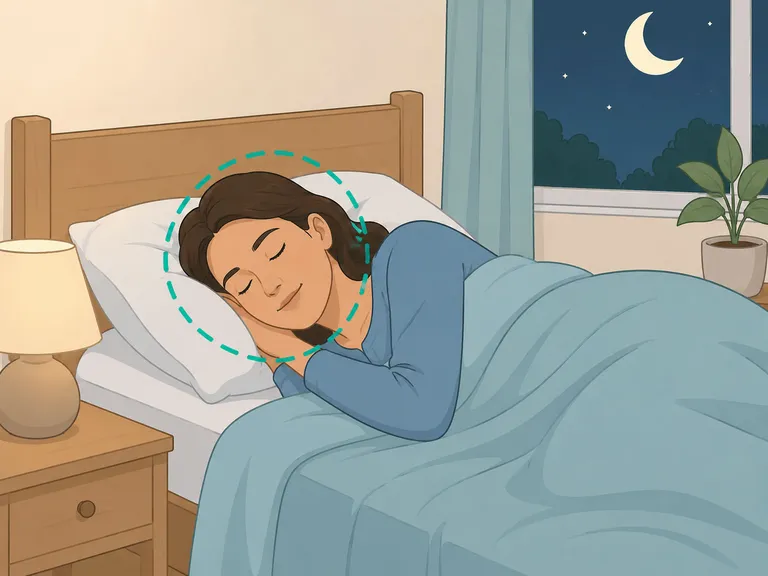
Keep your sleep regular and refreshing
Consistent, restorative sleep supports attention, mood, metabolism, and heart health. The CDC lists 7 to 8 hours of sleep for adults 65 and older and recommends talking with a healthcare provider if sleep problems or symptoms of a sleep disorder keep happening.
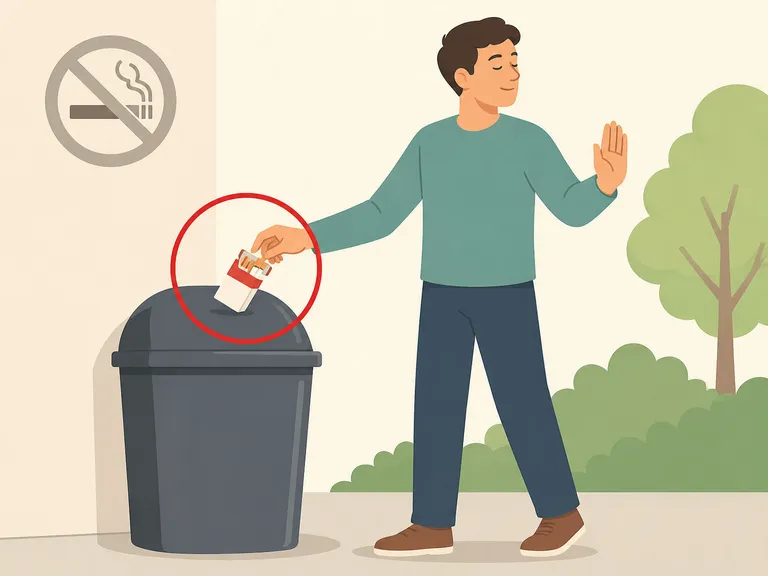
Avoid tobacco and secondhand smoke
One of the clearest longevity-friendly signs is that you do not smoke, or that you are getting help to quit. The CDC says quitting smoking lowers the risk of early death and reduces the risk of smoking-related diseases, including heart disease, cancer, and COPD.
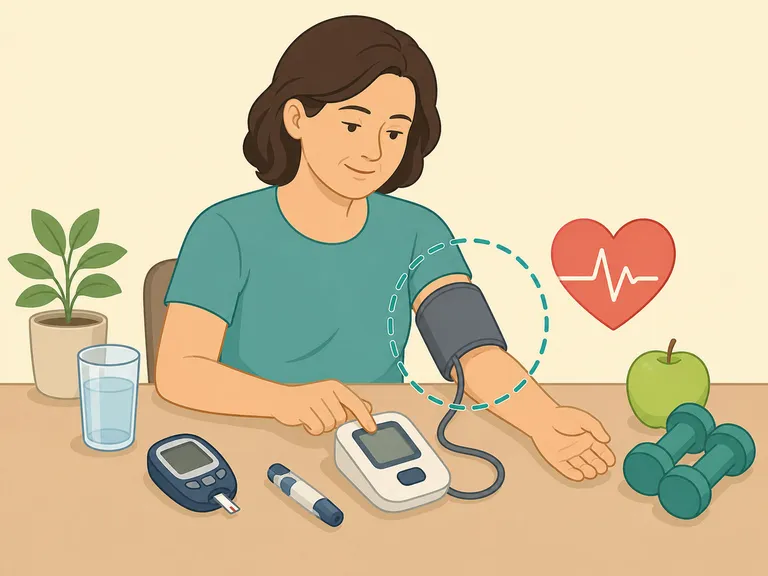
Track your heart and metabolic risks
People who age well often know their blood pressure, cholesterol, blood sugar, and weight trends and act early when numbers change. The CDC identifies high blood pressure, high cholesterol, and smoking as key heart disease risk factors, with diabetes, physical inactivity, unhealthy diet, and excessive alcohol use also raising risk.
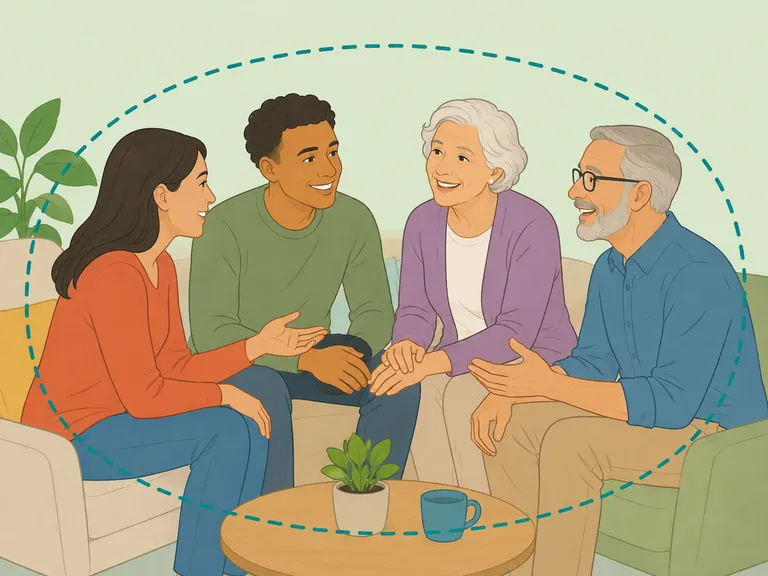
Stay socially connected in ways that feel supportive
Strong relationships are a meaningful sign of healthy aging because they can support mood, sleep, stress management, and healthy choices. The CDC says people with stronger social bonds are more likely to live longer, healthier lives and may have lower risk of heart disease, stroke, dementia, depression, and anxiety.

Protect your mood, purpose, and stress recovery
Aging well is not only physical; it also includes emotional well-being, a sense of purpose, and the ability to ask for support. CDC healthy aging guidance includes managing stress, staying mentally stimulated, and seeking support as part of staying strong and healthy over time.
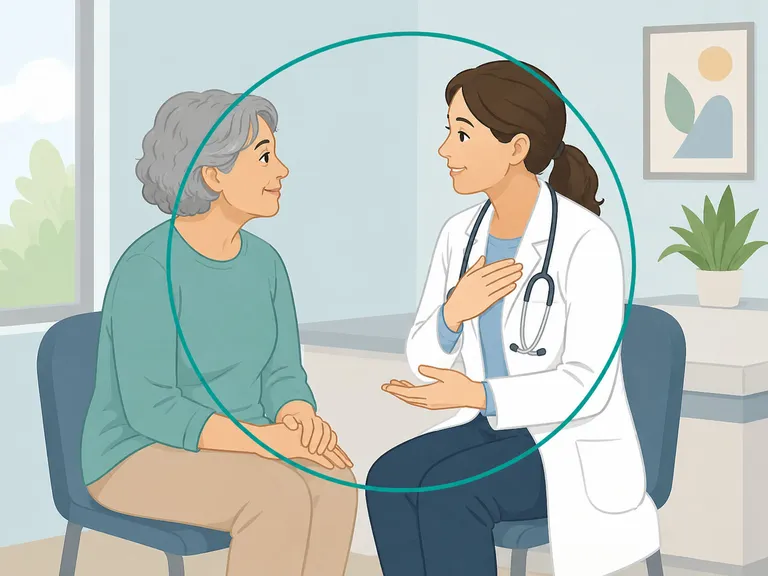
Keep up with checkups and ask for help promptly
Another good sign is that you do not ignore new symptoms or skip routine care. The CDC includes regular checkups, vaccines, screenings, and chronic condition management in healthy aging, and you should seek medical help promptly for chest discomfort, shortness of breath, sudden weakness, repeated falls, major memory changes, or symptoms that worry you.
Article Summary
The bottom line: reaching 100 depends on many factors, including genetics, environment, access to care, and daily habits. Treat these signs as useful clues, not guarantees, and keep working with a qualified health professional on your own risks and goals.
Frequently Asked Questions
- Can these signs guarantee that I will live to 100?
No. Longevity is influenced by genetics, life circumstances, health care, and chance, so these signs are only clues. The New England Centenarian Study shows that exceptional longevity is complex and often runs in families.
- Does family history matter for reaching 100?
It can. The New England Centenarian Study reports that exceptional longevity runs strongly in families, especially at the oldest ages. Still, family history is not destiny.
- Is it too late to improve my chances of aging well?
No. The CDC says healthy aging habits can start at any age and that it is never too late to make positive changes.
- How much exercise is linked with better health as an adult?
The CDC recommends at least 150 minutes of moderate-intensity physical activity weekly, plus 2 days of muscle-strengthening activity, for most adults. Older adults should adapt activity to their ability and health conditions.
- What if I sleep less as I get older?
Sleep needs vary, but CDC guidance lists 7 to 8 hours for adults 65 and older. Talk with a healthcare provider if you regularly have trouble sleeping or wake up unrefreshed.
- When should I see a doctor about aging-related changes?
Seek medical advice for new chest discomfort, shortness of breath, fainting, sudden weakness, major memory changes, repeated falls, unexplained weight loss, or any symptom that worries you. Regular checkups also help manage blood pressure, cholesterol, diabetes risk, vaccines, and screenings.
References
Trusted culinary resources helped guide and refine this article.
- https://www.bumc.bu.edu/centenarian
- https://www.cdc.gov/healthy-aging/about/index.html
- https://www.cdc.gov/physical-activity-basics/guidelines/adults.html
- https://www.cdc.gov/healthy-weight-growth/healthy-eating/index.html
- https://www.cdc.gov/sleep/about/index.html
- https://www.cdc.gov/tobacco/about/index.html
- https://www.cdc.gov/heart-disease/about/index.html
- https://www.cdc.gov/social-connectedness/about/index.html