
 Pin this recipe
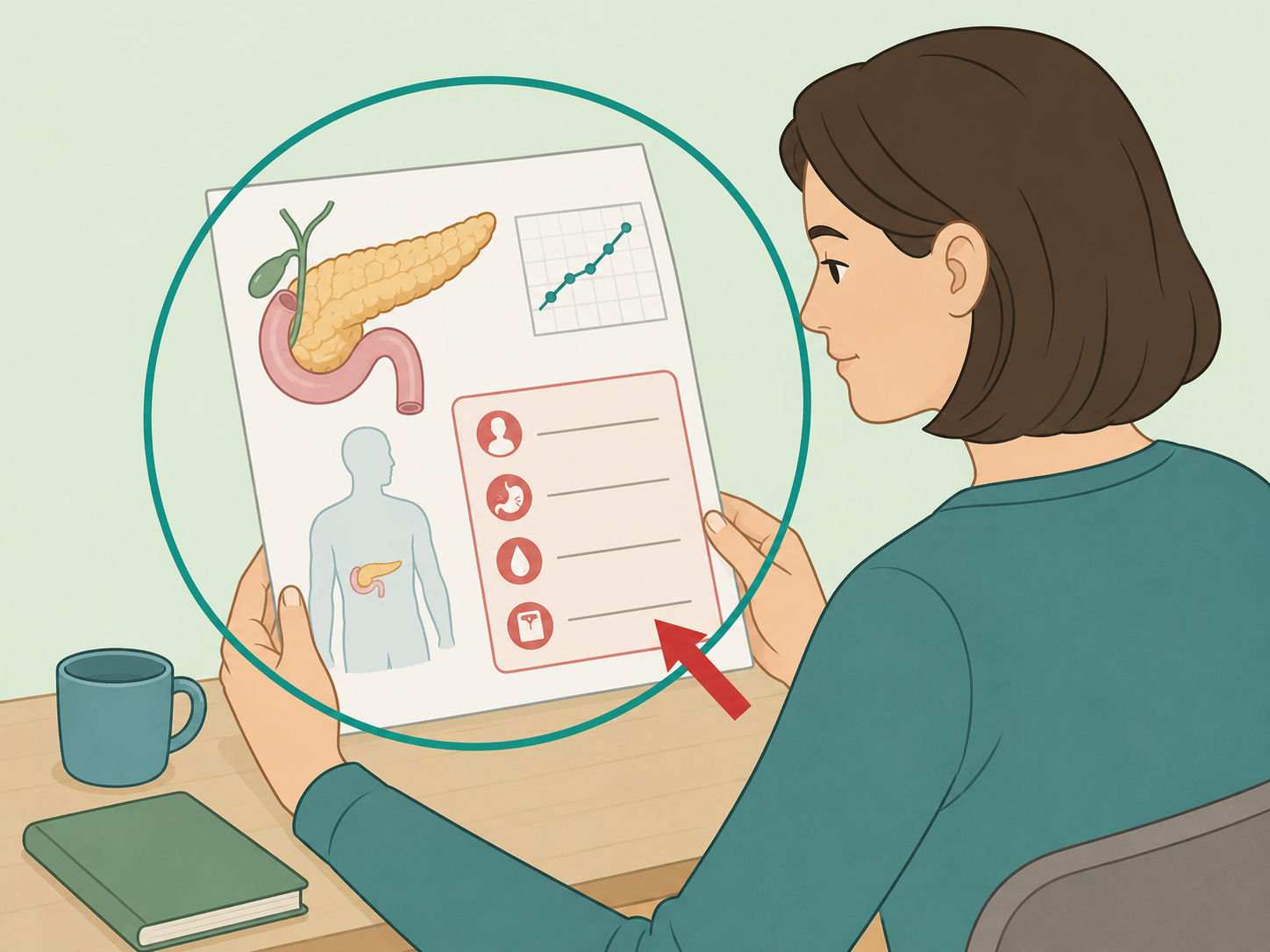
Headlines about an "explosion" in pancreatic cancer can sound alarming, but the real picture is more careful and more useful. This guide explains how to read the trend, understand the main risk factors, recognize symptoms that deserve medical attention, and avoid turning statistics into panic. It is written for general awareness, not for self-diagnosis.

Check the numbers behind the headline
Start with cancer registry data, not a viral phrase. The U.S. National Cancer Institute's SEER data estimates 67,530 new U.S. pancreatic cancer cases in 2026 and reports that age-adjusted new case rates rose about 0.9% per year from 2014 to 2023. That is a real increase, but it is not proof of one sudden, simple cause.

Separate population risk from personal risk
A rising population trend does not mean any one person is likely to get pancreatic cancer. SEER estimates the lifetime risk at about 1.7%, and diagnosis is most frequent in older adults, especially around ages 65 to 74. Your own risk depends on age, family history, health conditions, and exposures.
Look at the risk factors scientists know best
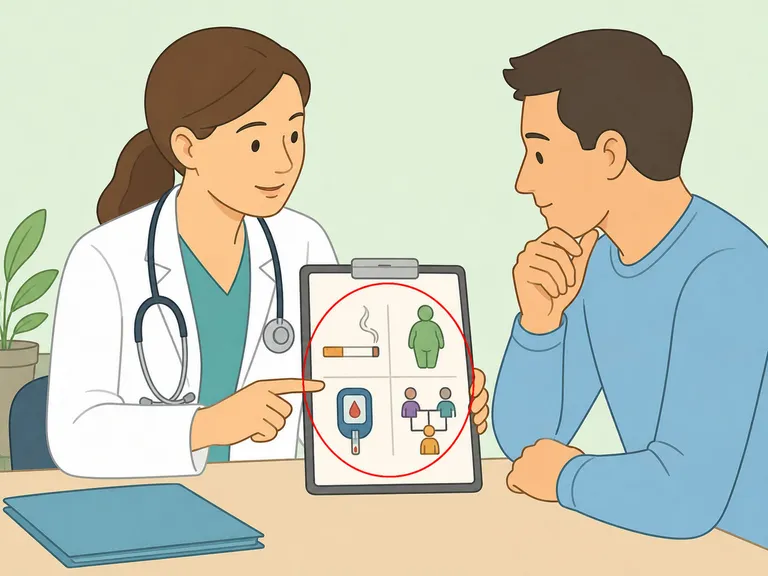
The clearest risk factors include smoking, excess body weight, diabetes, chronic pancreatitis, age, family history, and some inherited gene changes. The American Cancer Society notes that smoking is one of the most important modifiable risk factors, while age and inherited risk cannot be changed. A risk factor raises probability, but it does not diagnose cancer.
Understand why obesity and diabetes are part of the discussion
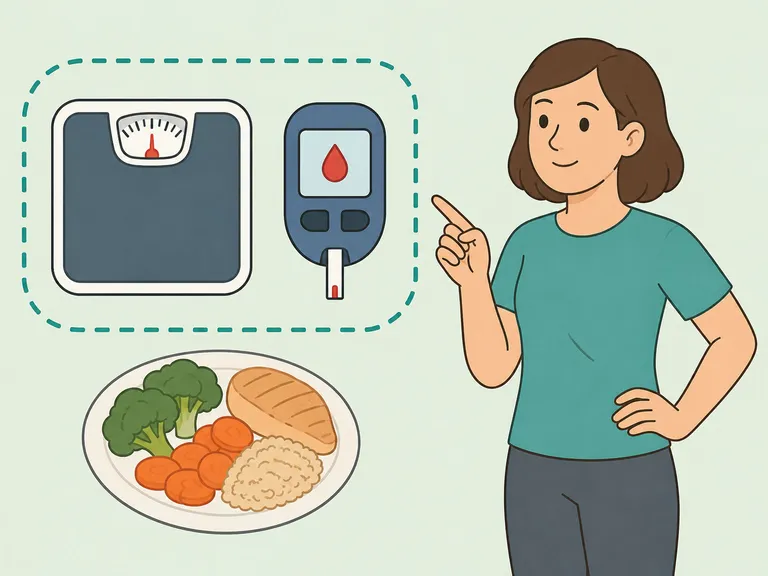
Obesity and type 2 diabetes are both linked with pancreatic cancer risk, and they have become more common in many populations. The National Cancer Institute reports that higher body fat is associated with several cancers, including pancreatic cancer, and that rising body weight may help explain some early-onset cancer trends, including pancreatic cancer. This does not mean weight alone explains every case.
Remember that early detection is difficult
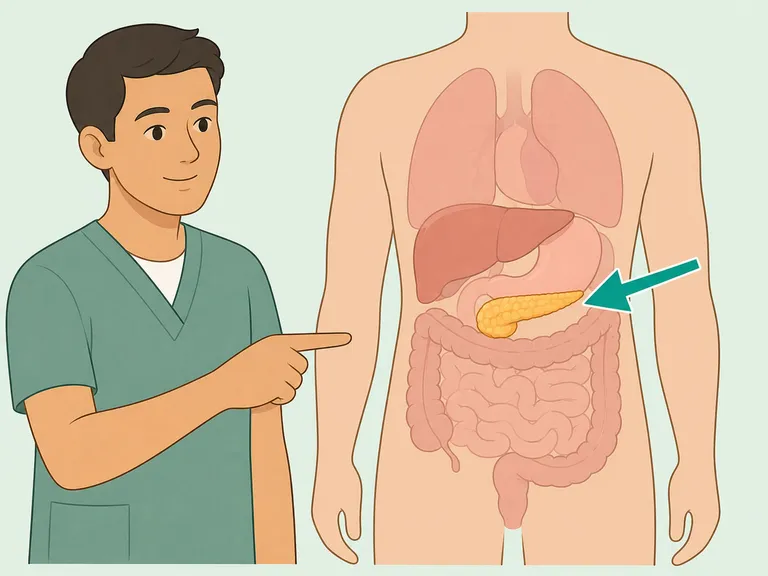
Pancreatic cancer often does not cause clear symptoms early, and the pancreas is deep in the abdomen where routine exams cannot feel small tumors. The American Cancer Society says routine screening is not recommended for average-risk people because no screening test has been shown to lower the risk of dying from this cancer. This is one reason cases are often found late.
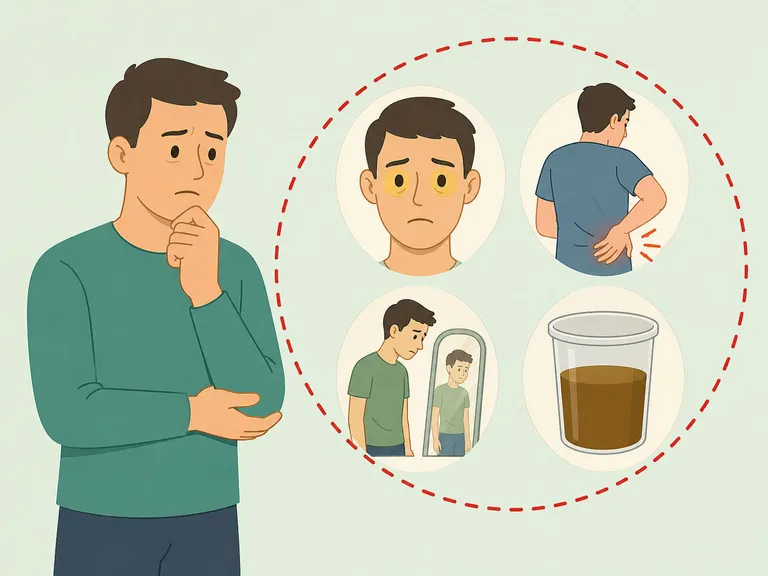
Watch for symptoms that deserve medical attention
Do not try to diagnose yourself, but do take persistent changes seriously. Mayo Clinic lists possible symptoms such as belly pain spreading to the back, appetite loss, weight loss, jaundice, pale or floating stools, dark urine, itching, new or worsening diabetes, blood clots, tiredness, and weakness. If these symptoms are new, persistent, or unexplained, use them as a reason to contact a health professional.
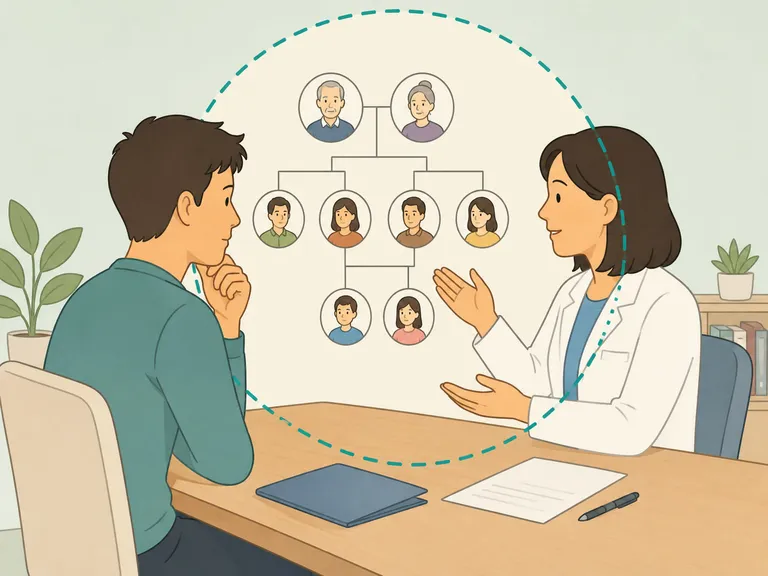
Ask about family history and genetic counseling
If several close relatives have had pancreatic cancer, or if your family has known inherited cancer syndromes, ask a doctor whether genetic counseling makes sense. The American Cancer Society says people at higher inherited risk may be considered for specialized testing such as EUS or MRI-based approaches, but these are not used for general public screening. Genetic testing should be explained by a qualified professional before you decide.

See a doctor promptly for worrying changes
Make an appointment if you notice symptoms that worry you, especially jaundice, unexplained weight loss, persistent upper abdominal or back pain, pale stools, dark urine, or a sudden change in diabetes control. Mayo Clinic advises seeing a health care professional for concerning symptoms, and MedlinePlus explains that doctors may use exams, blood tests, imaging, and biopsy when pancreatic cancer needs evaluation. Seek urgent care if symptoms are severe or rapidly worsening.
Article Summary
The bottom line: pancreatic cancer is serious and often hard to detect early, but the rise in cases should be understood through reliable data, known risk factors, and timely medical evaluation of concerning symptoms. Do not rely on viral claims or try to diagnose yourself.
Frequently Asked Questions
- Are pancreatic cancer cases really exploding?
No trusted data source describes the trend as a sudden explosion. SEER reports that age-adjusted new pancreatic cancer case rates in the U.S. rose on average 0.9% per year from 2014 to 2023, which is concerning but gradual.
- What is the main reason pancreatic cancer numbers are rising?
There is no single proven reason. Aging populations, obesity, diabetes, smoking history, inherited risk, and better recognition of some cases may all contribute.
- Can pancreatic cancer be found with routine screening?
Routine screening is not recommended for people at average risk because no screening test has been shown to reduce deaths from pancreatic cancer. People with strong family history or certain inherited syndromes may need specialist advice.
- What symptoms should I take seriously?
Talk to a health professional about persistent or unexplained jaundice, upper belly or back pain, weight loss, appetite loss, pale or floating stools, dark urine, new diabetes, worsening diabetes, blood clots, or unusual fatigue.
- Does having diabetes mean I will get pancreatic cancer?
No. Diabetes is common, and most people with diabetes do not develop pancreatic cancer. However, new diabetes or diabetes that suddenly becomes difficult to control can be one reason to ask a clinician whether more evaluation is needed.
- Can lifestyle changes prevent pancreatic cancer?
No lifestyle habit can guarantee prevention. Avoiding tobacco, maintaining a healthy weight, managing diabetes with medical care, and limiting heavy alcohol use may reduce some risk factors.
References
Trusted culinary resources helped guide and refine this article.
- https://seer.cancer.gov/statfacts/html/pancreas.html
- https://www.mayoclinic.org/diseases-conditions/pancreatic-cancer/symptoms-causes/syc-20355421
- https://medlineplus.gov/pancreaticcancer.html
- https://my.clevelandclinic.org/health/diseases/15806-pancreatic-cancer
- https://www.cancer.org/cancer/types/pancreatic-cancer/causes-risks-prevention/risk-factors.html
- https://www.cancer.org/cancer/types/pancreatic-cancer/detection-diagnosis-staging/detection.html
- https://www.cancer.gov/about-cancer/causes-prevention/risk/obesity/obesity-fact-sheet