
 Pin this recipe
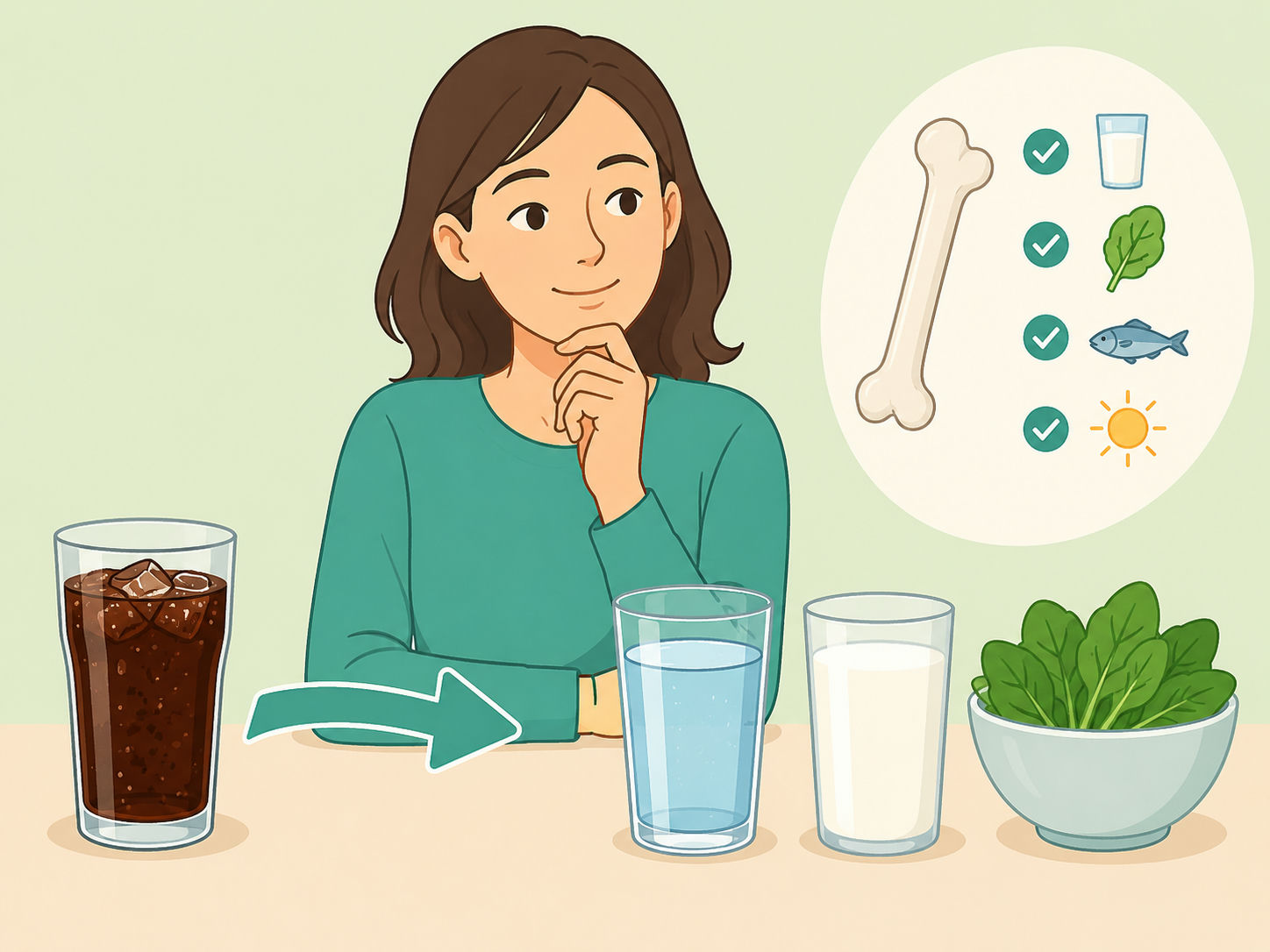
Claims that one drink “destroys your bones” are usually overstated, but daily soda can still work against bone-friendly habits. Cola and other sugary drinks may replace calcium-rich drinks and add sugar without useful nutrients. This guide explains how to reduce the risk in a practical, medically conservative way.

Treat scary claims as a prompt to check your habit
Do not assume one can of soda has ruined your bones. A more accurate concern is that frequent soda, especially cola or other sugary drinks, can replace more useful choices; Harvard’s Nutrition Source notes that soda provides little nutrition and may challenge bone health when it crowds out calcium-rich options.

Count how much soda you drink each day
For one week, write down every soda, cola, energy drink, fruit drink, and sweetened tea you drink. The CDC reports that many people get too much added sugar, and replacing sugary drinks with unsweetened water can reduce added sugar intake.
Replace one daily soda first
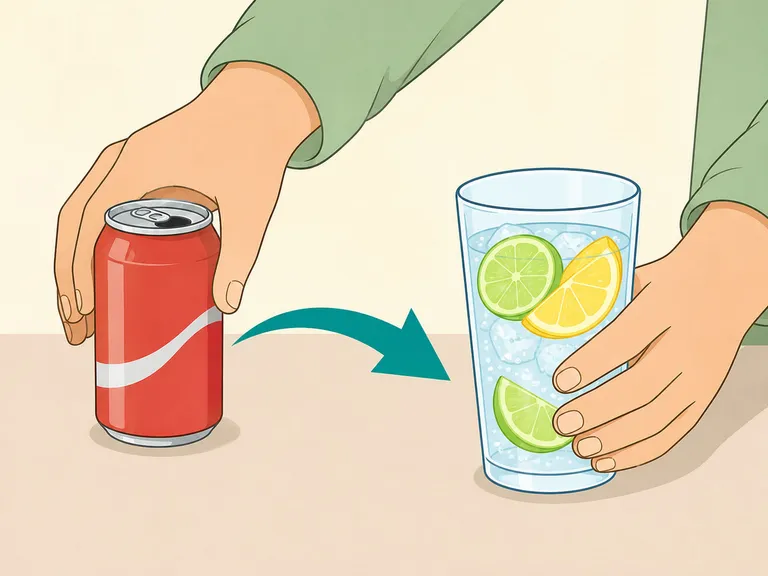
Start with the soda you drink most automatically, such as the one with lunch or in the afternoon. Swap it for plain water, sparkling water, unsweetened tea, or another no-sugar drink; the CDC’s healthier drink options include water, seltzer, unsweetened coffee or tea, milk, and fortified dairy alternatives with no added sugars.
Choose calcium-rich foods and drinks daily
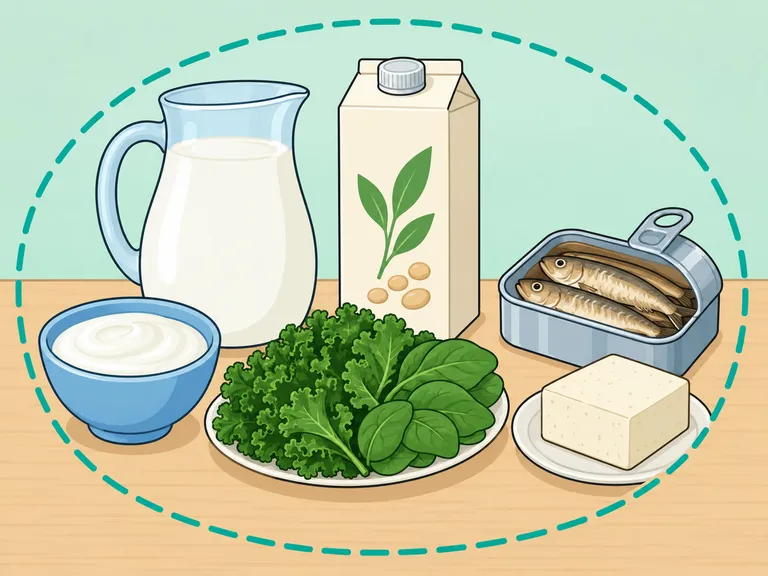
Build your routine around foods that help you meet your calcium needs, such as milk, yogurt, cheese, canned salmon or sardines with bones, kale, broccoli, bok choy, calcium-set tofu, or fortified plant milks. The NIH Office of Dietary Supplements explains that calcium helps build and maintain strong bones, and most of the body’s calcium is stored in bones and teeth.
Pair calcium with vitamin D
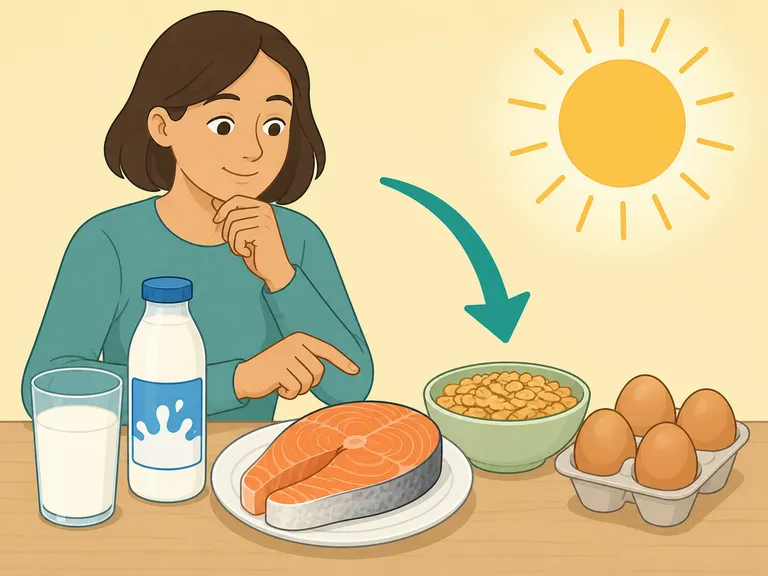
Calcium works best when your body can absorb it properly. NIH says vitamin D helps the body absorb calcium and supports bone health, so include vitamin D sources such as fortified milk or plant milk, fortified cereals, fatty fish, or a supplement only if a health professional recommends it.
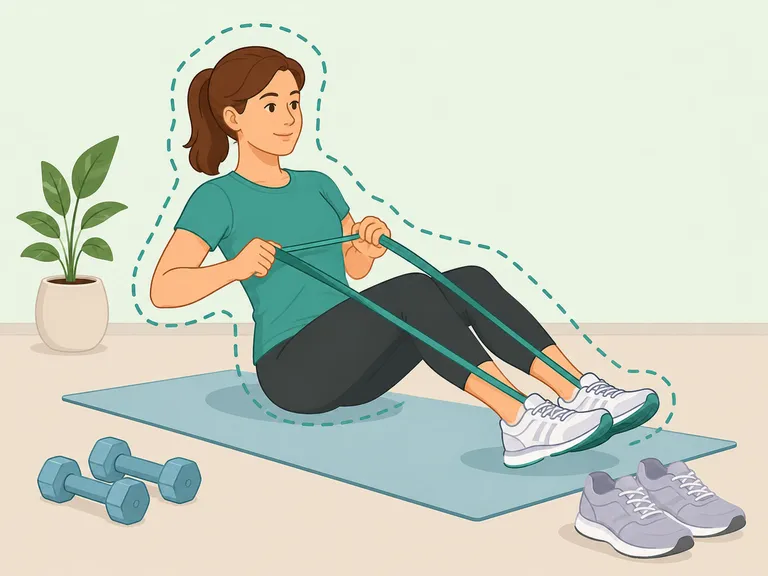
Add weight-bearing and strength exercise
Walking, stair climbing, dancing, resistance bands, weights, and body-weight exercises can all support bone and muscle strength when they are safe for you. Mayo Clinic explains that weight-bearing and strength exercises can help protect bones, while balance work can reduce fall risk.
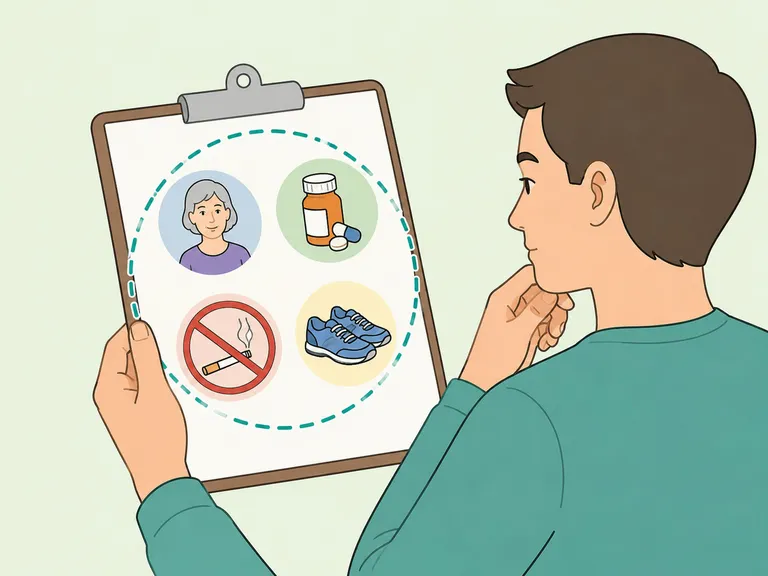
Check your osteoporosis risk factors
Daily soda is only one small part of bone health, so look at the bigger picture. MedlinePlus lists risk factors such as older age, being postmenopausal, family history, low calcium or vitamin D intake, certain long-term medicines, smoking, heavy alcohol use, and physical inactivity on its osteoporosis overview.

Talk to a doctor if screening or symptoms apply to you
Ask about bone density testing if you are a woman age 65 or older, are postmenopausal with risk factors, have had a fracture from a minor fall, have lost height, or take medicines that may affect bone health. MedlinePlus notes that osteoporosis is often silent until a fracture, and a clinician can review your diet, medications, fall risk, and whether testing is appropriate.
Article Summary
The bottom line: occasional soda is not the same as a bone emergency, but drinking it every day can make it harder to meet your calcium, vitamin D, hydration, and exercise goals. Start by replacing one soda, choosing bone-supporting foods, and asking a health professional about screening if you have risk factors.
Frequently Asked Questions
- Does soda really destroy your bones?
No single soda “destroys” bones. The concern is a daily habit, especially if soda replaces calcium-rich drinks or foods; Harvard’s Nutrition Source notes that soda can pose a challenge to bone health because it lacks calcium and may displace milk or other nutrient-rich choices.
- Is cola worse for bones than clear soda?
Cola is often discussed because it contains phosphate, while many sodas also add sugar without bone-supporting nutrients. The safest takeaway is to limit sugary drinks overall and make sure your regular diet includes enough calcium and vitamin D.
- Is diet soda better for bone health?
Diet soda removes added sugar, but it still should not replace water, milk, or fortified unsweetened alternatives. If you use diet soda as a temporary step down from sugary soda, keep working toward mostly water and nutrient-rich drinks.
- What should I drink instead of soda?
Water is the simplest replacement. The CDC also lists sparkling water, unsweetened coffee or tea, milk, and fortified dairy alternatives with no added sugars as healthier drink options.
- Can calcium supplements fix a soda habit?
Do not use supplements as a shortcut without checking your overall diet and medical situation. NIH notes that people should get most nutrients from food and beverages, and calcium supplements can interact with some medicines.
- When should I ask a doctor about my bones?
Ask a doctor if you have had a low-trauma fracture, are a woman age 65 or older, are postmenopausal with risk factors, take long-term medicines linked with bone loss, or are worried about osteoporosis. MedlinePlus notes that osteoporosis is often silent until a bone breaks.
References
Trusted culinary resources helped guide and refine this article.
- https://nutritionsource.hsph.harvard.edu/healthy-drinks/sugary-drinks
- https://www.cdc.gov/healthy-weight-growth/be-sugar-smart/index.html
- https://ods.od.nih.gov/factsheets/Calcium-Consumer
- https://ods.od.nih.gov/factsheets/VitaminD-Consumer
- https://medlineplus.gov/osteoporosis.html
- https://www.mayoclinic.org/diseases-conditions/osteoporosis/in-depth/osteoporosis/art-20044989