
 Pin this recipe
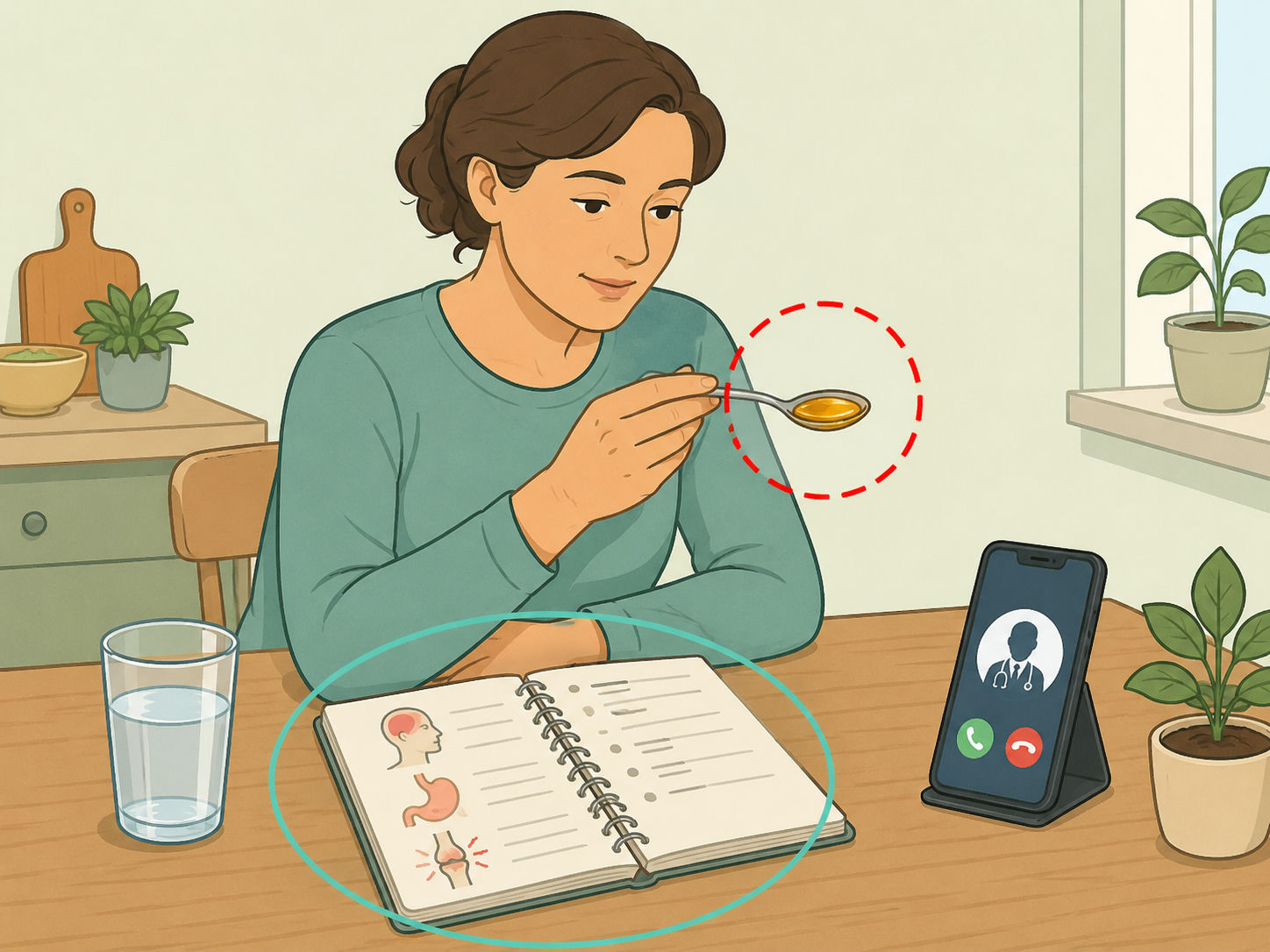
Claims that two tablespoons of a morning remedy can make joint pain and fatigue disappear are not reliable medical guidance. Joint pain and fatigue can come from many different causes, from overuse and poor sleep to arthritis, infection, anemia, thyroid disease, or other health conditions. This guide explains how to evaluate a home remedy safely and choose evidence-based next steps.
Question any remedy that promises fast relief
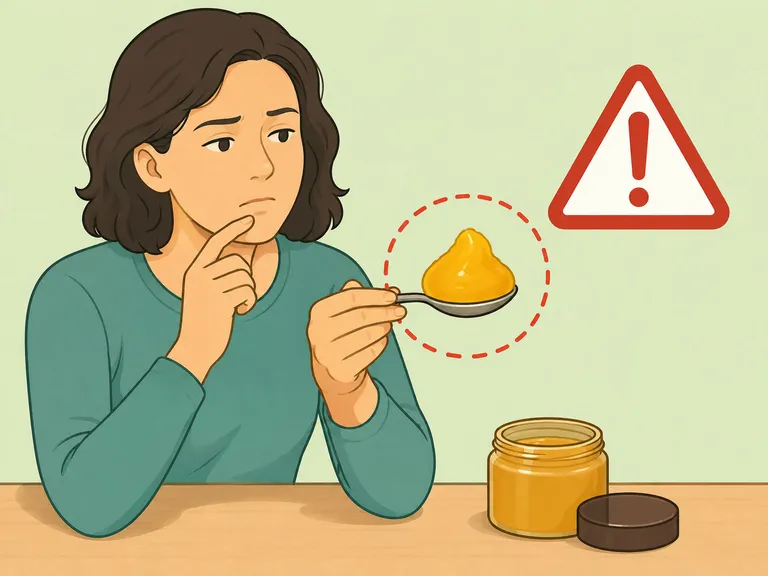
Be cautious with claims that one spoonful, drink, or mixture can make joint pain and fatigue vanish. Joint pain can come from many injuries and conditions, and fatigue is a symptom with many possible causes. A remedy that ignores the cause may delay the care you actually need.
Check for warning signs first
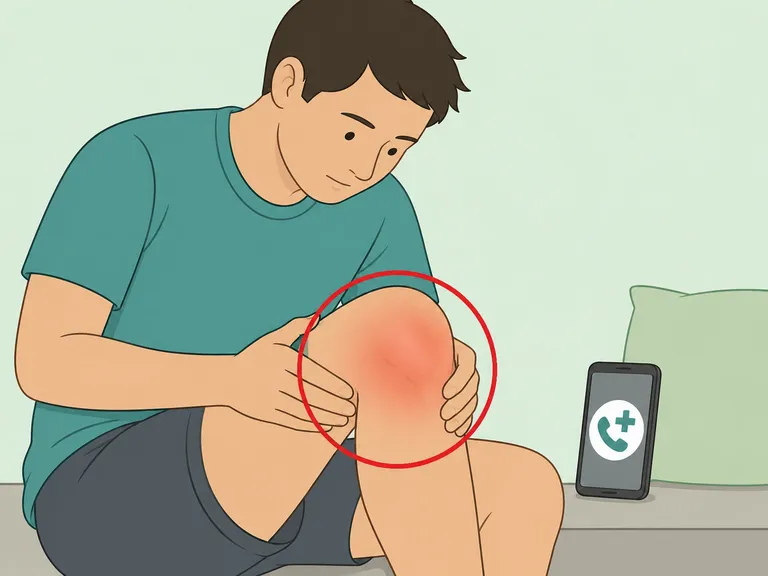
Before trying a home approach, look for fever, severe swelling, warmth, redness, rash, unexplained weight loss, a recent injury, or pain that lasts more than several days. MedlinePlus advises contacting a health care provider for severe, unexplained joint pain and swelling or joint pain with other unexplained symptoms. Treat these signs as a reason to seek medical guidance, not to experiment with stronger remedies.

Track your pain, stiffness, and energy
Write down which joints hurt, how long morning stiffness lasts, what makes symptoms better or worse, and when fatigue peaks. Mayo Clinic notes that arthritis commonly causes joint pain, stiffness, swelling, and reduced range of motion, so a simple symptom log can help a clinician spot patterns. Include sleep, activity, food changes, and any supplements you take.
Talk to a professional before using supplements
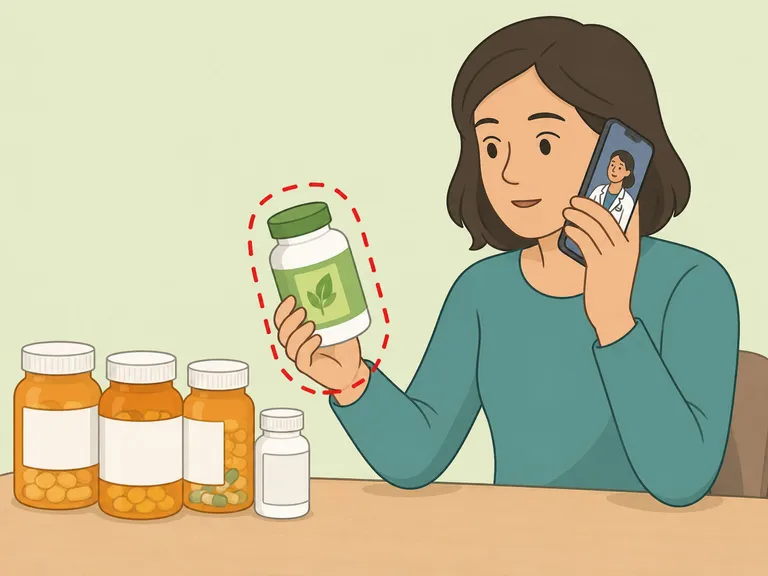
Do this especially if you take blood thinners, diabetes medicine, blood pressure medicine, antidepressants, pain medicine, or any prescription treatment. NCCIH warns that dietary supplements can interact with medicines or pose risks, and turmeric or curcumin products can cause stomach symptoms and, in some cases, liver-related concerns. Food amounts of spices are not the same as concentrated capsules, powders, or extracts.
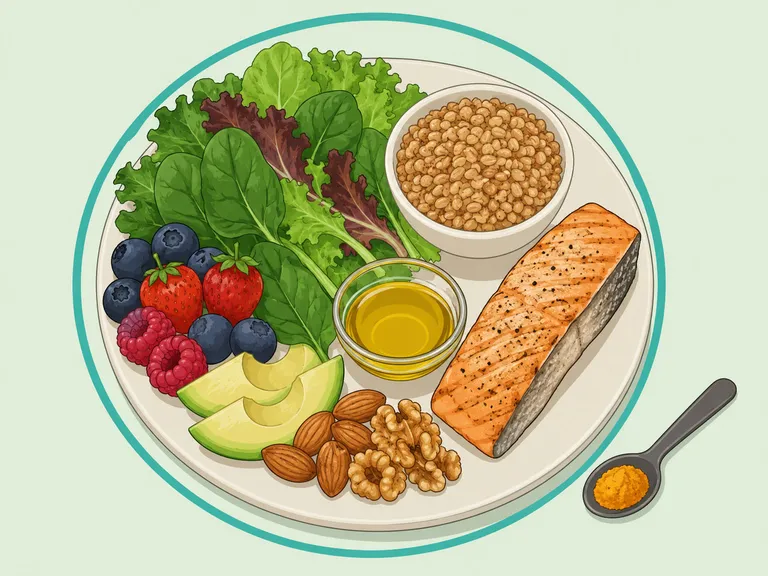
Use food habits as support, not a cure
If you want a safer morning routine, build it around a balanced breakfast rather than a miracle mixture. Johns Hopkins Medicine describes an anti-inflammatory eating pattern as one that emphasizes fatty fish, fruits, vegetables, whole grains, olive oil, and fiber-rich foods while limiting added sugar, processed meats, refined flour, and fried foods. This can support overall health, but it does not diagnose or cure joint disease.
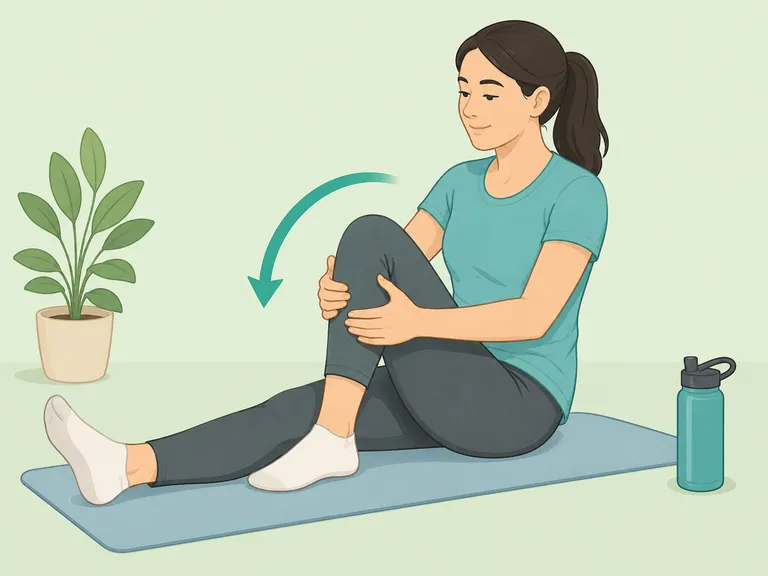
Move gently and protect sore joints
Choose low-impact activity such as walking, water exercise, gentle stretching, or range-of-motion work if it does not worsen your symptoms. Mayo Clinic says regular physical activity can help keep joints flexible, and physical therapy may help strengthen muscles around affected joints. Stop and ask for advice if movement causes sharp pain, swelling, or instability.
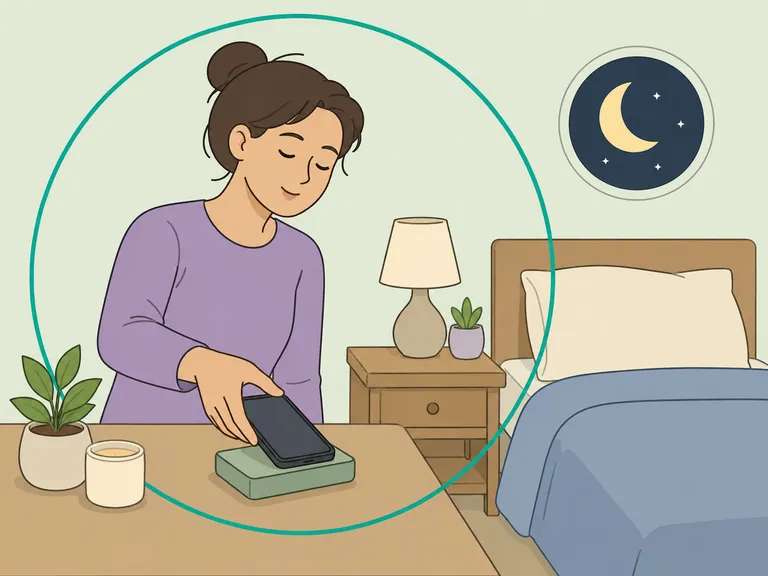
Prioritize sleep and recovery
Fatigue often gets worse when sleep is short, poor quality, or poorly timed. NHLBI explains that sleep deficiency can affect focus, mood, safety, and physical health. Keep a consistent sleep schedule, limit late caffeine and alcohol, and mention snoring, gasping, restless legs, or unrefreshing sleep to a clinician.
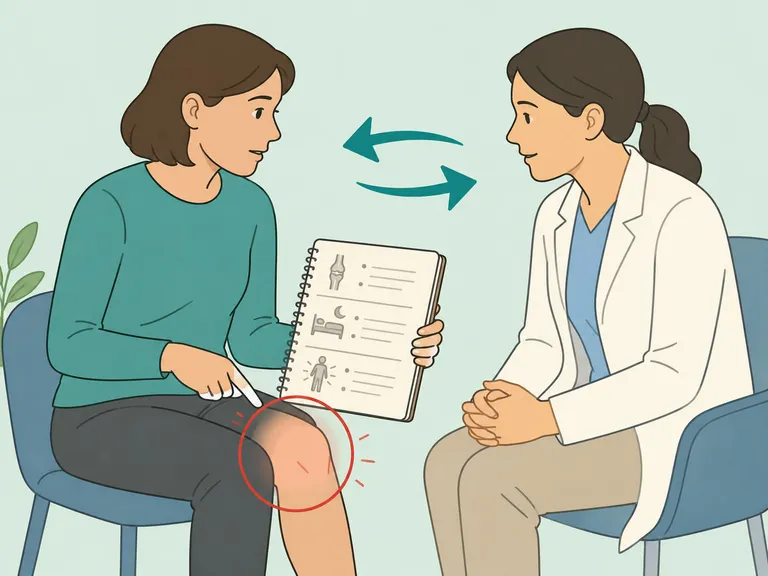
Know when to see a doctor
Make an appointment if joint pain lasts more than several days, keeps returning, limits normal activities, or comes with ongoing fatigue. MedlinePlus recommends calling a provider if fatigue does not improve after several weeks, since lab tests or an exam may be needed to find the cause. Seek urgent care for severe pain, fever with a hot swollen joint, chest pain, trouble breathing, confusion, fainting, or sudden weakness.
Article Summary
The bottom line: a morning spoonful may be part of a normal food routine, but it should not replace diagnosis, treatment, sleep, movement, balanced eating, or medical care. Persistent joint pain or fatigue deserves a careful, evidence-based approach.
Frequently Asked Questions
- Can two tablespoons of a home remedy cure joint pain and fatigue?
No reliable source supports a single two-tablespoon remedy as a cure for joint pain and fatigue. These symptoms can have many causes, so it is safer to track symptoms and get medical advice if they persist, worsen, or come with warning signs.
- Is turmeric safe for joint pain?
Turmeric used as a food spice is usually different from concentrated curcumin supplements. NCCIH says evidence for turmeric or curcumin is not definitive, and some products can cause side effects or interact with medicines, so ask a health professional before using supplements.
- What foods may support joint health and energy?
A Mediterranean-style pattern with vegetables, fruit, whole grains, beans, nuts, olive oil, and fish may support lower inflammation. It is a supportive habit, not a substitute for medical care or prescribed treatment.
- Should I stop my arthritis medicine if a natural remedy helps?
No. Do not stop or change prescribed medicine without talking with the clinician who prescribed it. Some arthritis treatments protect joints and reduce inflammation in ways that food or supplements cannot replace.
- When is joint pain urgent?
Seek prompt medical care if joint pain is severe or unexplained, lasts more than several days, comes with swelling, fever, redness, warmth, rash, or unplanned weight loss, or follows an injury.
- Can fatigue come from joint pain?
Yes, ongoing pain can contribute to poor sleep and low energy, but fatigue can also come from many medical conditions, medicines, sleep problems, stress, or lifestyle factors. Fatigue that does not improve after several weeks should be discussed with a health care provider.
References
Trusted culinary resources helped guide and refine this article.
- https://medlineplus.gov/ency/article/003261.htm
- https://medlineplus.gov/fatigue.html
- https://www.mayoclinic.org/diseases-conditions/arthritis/symptoms-causes/syc-20350772
- https://www.mayoclinic.org/diseases-conditions/arthritis/diagnosis-treatment/drc-20350777
- https://www.nccih.nih.gov/health/turmeric
- https://www.nccih.nih.gov/health/using-dietary-supplements-wisely
- https://www.hopkinsmedicine.org/health/wellness-and-prevention/anti-inflammatory-diet
- https://www.nhlbi.nih.gov/health/sleep-deprivation