
 Pin this recipe
The chair personality test asks you to choose a chair and then read what that choice may say about you. It can be a fun way to think about habits, preferences, and relationships, but it should not be treated as a precise psychological assessment. This guide shows you how to use it for light self-reflection while keeping the results in perspective.
Treat the test as entertainment first
Start with the right frame: this is a casual quiz, not a scientific assessment. Formal psychological tests need evidence for appropriate use, validity, reliability, and fairness, which are central ideas in the Standards for Educational and Psychological Testing. A chair image alone cannot measure the full complexity of a person.
Choose the chair quickly and honestly
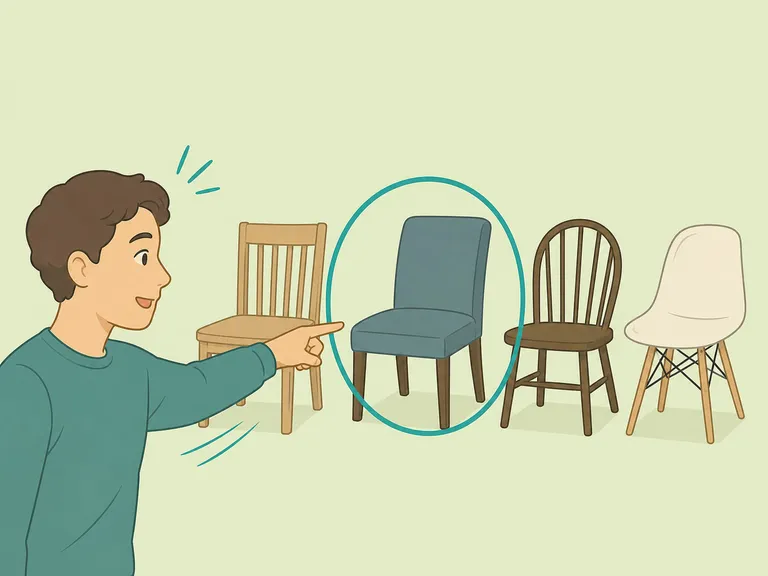
Look at the options once, then pick the chair you would actually sit in right now. Do not try to choose the option that seems most impressive, mysterious, or flattering. A spontaneous choice makes the exercise more useful as a reflection prompt.
Write down why you chose it
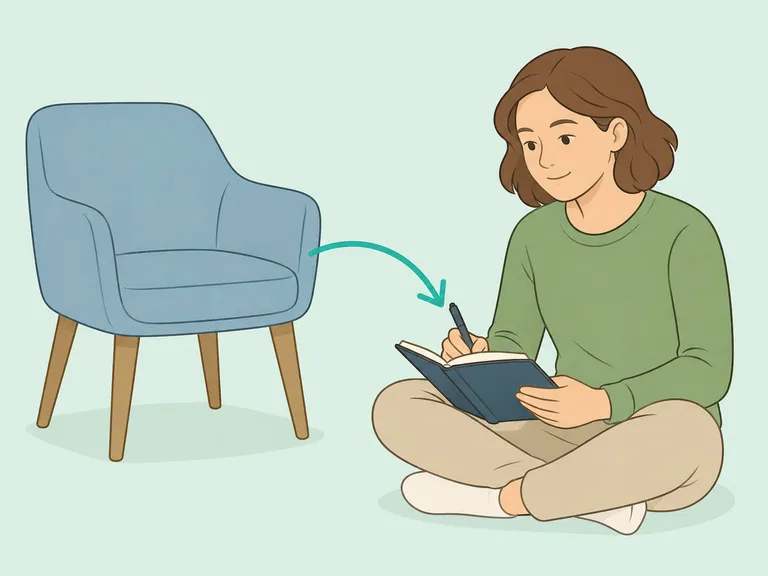
Before reading the result, note what pulled you toward that chair: comfort, privacy, color, shape, status, simplicity, or something else. Personality includes patterns of thoughts, attitudes, behaviors, and relating to others, as Cleveland Clinic explains in its overview of personality and personality disorders. Your reason for choosing matters more than the quiz label.
Read the result as a question, not a verdict
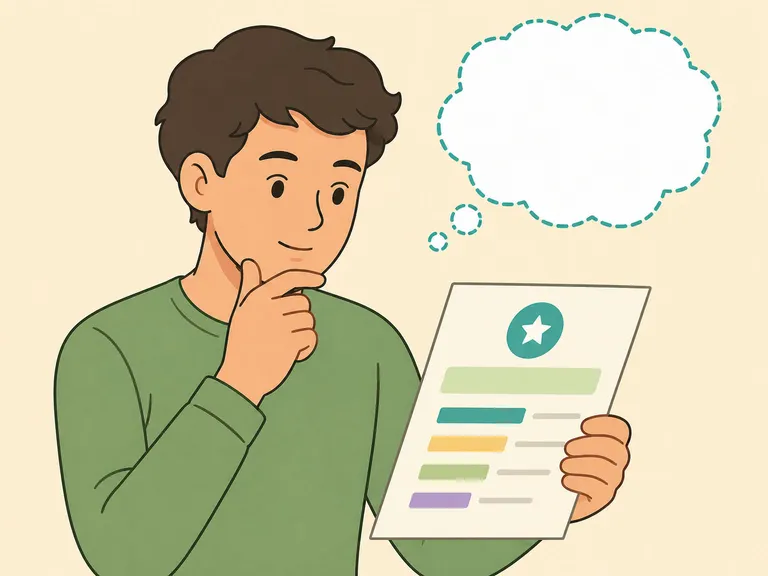
If the result says you are independent, sensitive, bold, cautious, or loyal, turn it into a question: "When do I act this way?" Research-based personality tools often use many items and scales, such as the public-domain measures described by the International Personality Item Pool. A one-choice quiz should never become a fixed identity label.
Compare the result with real patterns
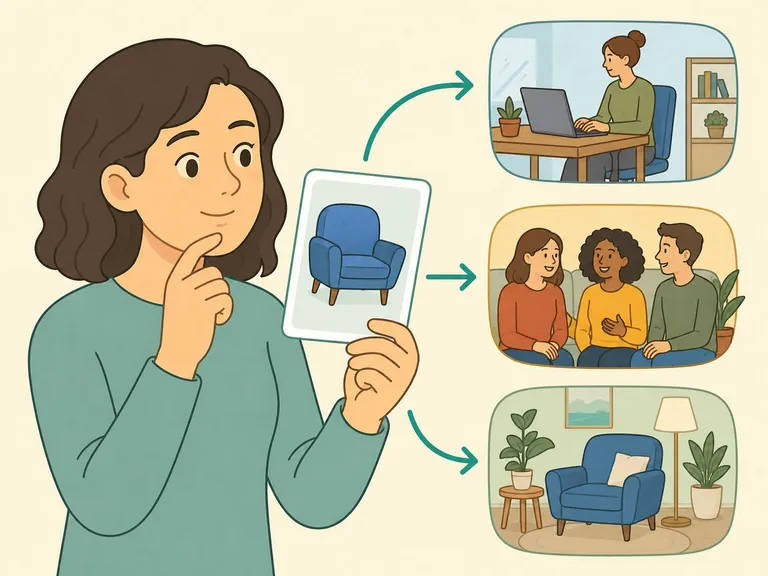
Ask whether the result matches your behavior across work, friendships, family, and stressful situations. One example is not a pattern, and one mood is not your whole personality. If the result only fits when you stretch it, let it go.
Use one useful insight in daily life
If the quiz points to something helpful, turn it into one small action. For example, if it makes you notice harsh self-talk, Mayo Clinic recommends becoming aware of thoughts and challenging unhelpful beliefs as part of building healthier self-esteem. Keep the action practical, such as setting a boundary, asking for help, or making time to recharge.
Balance self-reflection with healthy habits
Do not let online quizzes replace basic mental well-being practices. MedlinePlus notes that mental health affects how people think, feel, handle stress, relate to others, and make choices, and it recommends habits such as connection, coping skills, sleep, movement, and gratitude for supporting mental health. A good quiz should leave you curious, not stuck.
Seek help if the result brings up distress
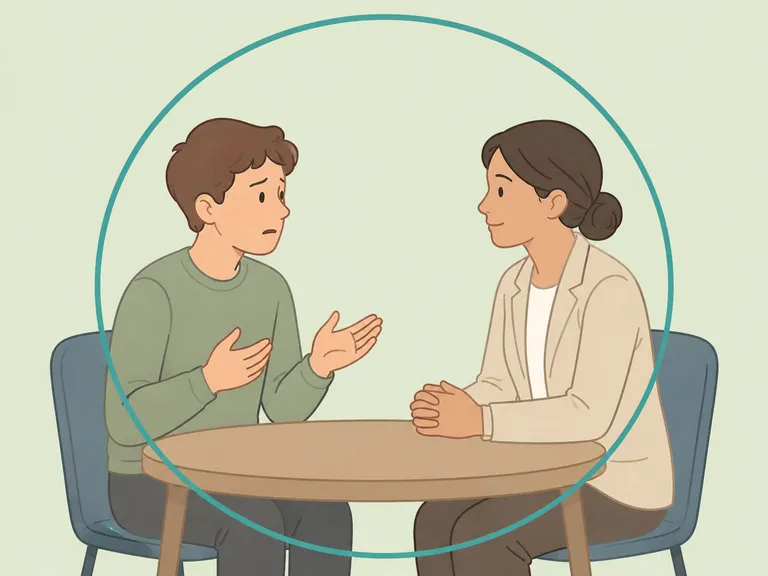
If a quiz result triggers shame, anxiety, relationship conflict, or worries that last, step back and talk to a trusted person or professional. NIMH recommends seeking professional help for severe or distressing symptoms that last 2 weeks or more and explains ways to get support on its mental health care page and help-seeking guide. In an immediate crisis or life-threatening situation, contact local emergency services.
Article Summary
The bottom line: a chair personality test can be a harmless conversation starter if you treat it as a prompt, not proof. Notice what feels useful, ignore labels that do not fit, and rely on qualified professionals for mental health concerns.
Frequently Asked Questions
- Is the chair personality test accurate?
No online chair-choice quiz can prove your real personality. Use it as a light reflection exercise, not as a validated psychological test.
- Can choosing a chair reveal anything about me?
Your choice may reflect a preference in that moment, such as comfort, style, or mood. It is not enough evidence to define your personality.
- Why do personality quiz results sometimes feel true?
Many quiz results use broad statements that most people can partly relate to. Read them slowly and ask whether the statement matches repeated behavior in your real life.
- Should I share my result with friends?
Yes, if you treat it as casual fun. Avoid using the result to judge someone, label them, or make serious decisions about a relationship.
- Is this the same as a mental health assessment?
No. A chair personality test is not a mental health screening tool and cannot diagnose a condition. Talk to a qualified professional if you are worried about your mental health.
- What should I do if the result upsets me?
Step away from the quiz and talk with someone you trust. If the feelings are intense, last for days, or interfere with daily life, consider contacting a health care provider or mental health professional.
References
Trusted culinary resources helped guide and refine this article.
- https://www.testingstandards.net/open-access-files.html
- https://ipip.ori.org
- https://medlineplus.gov/howtoimprovementalhealth.html
- https://www.nimh.nih.gov/health/topics/caring-for-your-mental-health
- https://www.nimh.nih.gov/health/publications/my-mental-health-do-i-need-help
- https://www.mayoclinic.org/healthy-lifestyle/adult-health/in-depth/self-esteem/art-20045374
- https://my.clevelandclinic.org/health/diseases/9636-personality-disorders-overview