
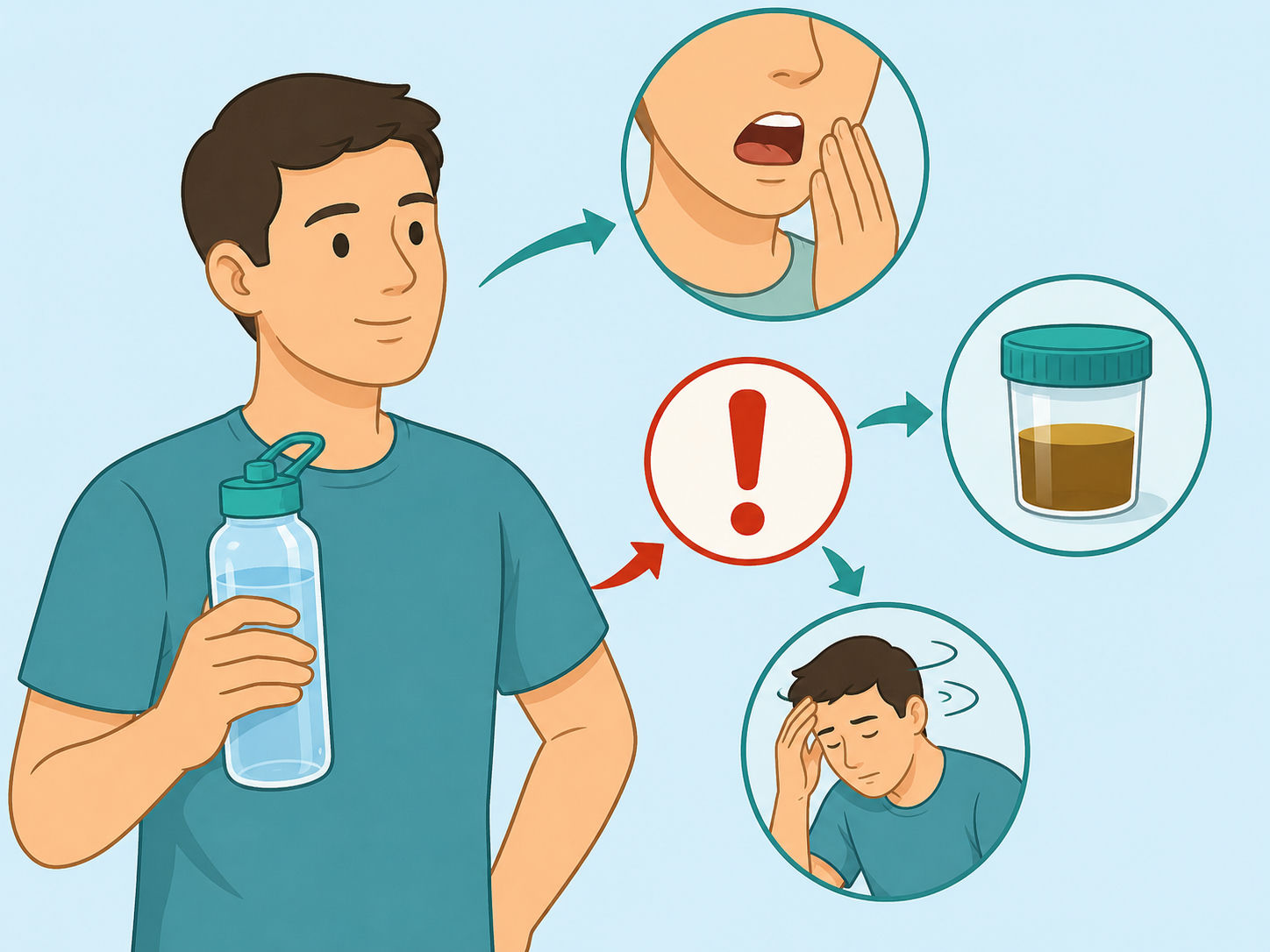
 Pin this recipe
Dehydration happens when your body loses more fluid than it takes in, leaving too little fluid for normal body functions. It can happen during hot weather, exercise, fever, vomiting, diarrhea, or simply from not drinking enough. Use these signs as clues, not as a diagnosis, and seek medical help for severe symptoms.
Notice unusual thirst
Feeling very thirsty can be an early clue that your body needs fluid, but do not rely on thirst alone. Mayo Clinic notes that some people, especially older adults, may not feel thirsty until they are already dehydrated.
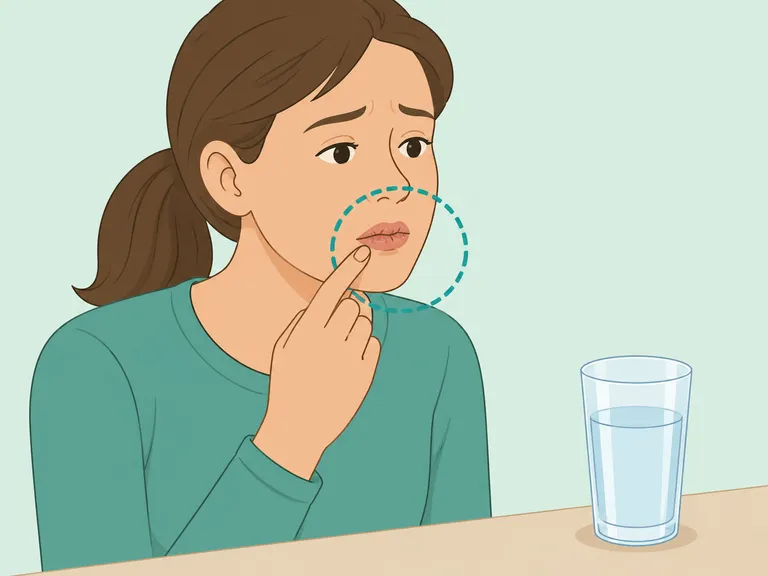
Check for a dry mouth, lips, or tongue
A dry mouth, dry lips, or dry tongue can point to dehydration, particularly when it appears with thirst or reduced urination. The NHS lists a dry mouth, lips, and tongue among common dehydration symptoms in adults and children.
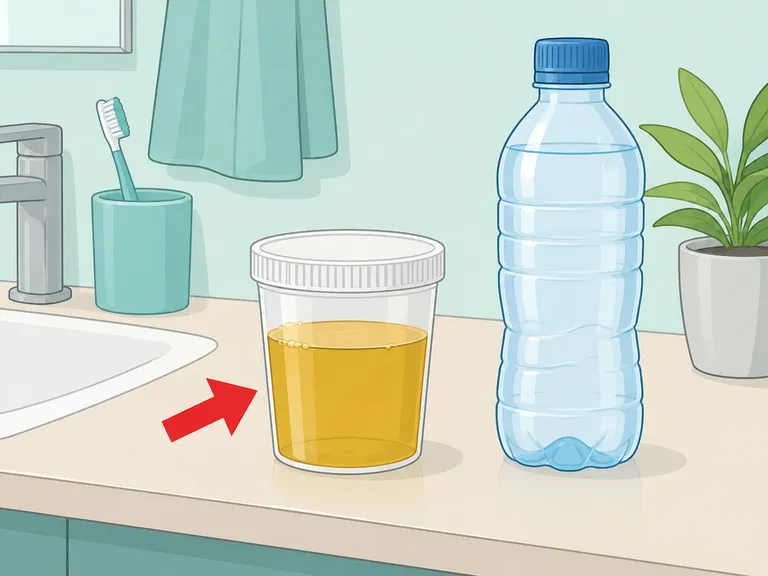
Watch for dark or reduced urine
Look at both color and frequency: dark-colored urine, strong-smelling urine, or peeing less often than usual can suggest dehydration. MedlinePlus lists dark urine and urinating less as common symptoms in adults.
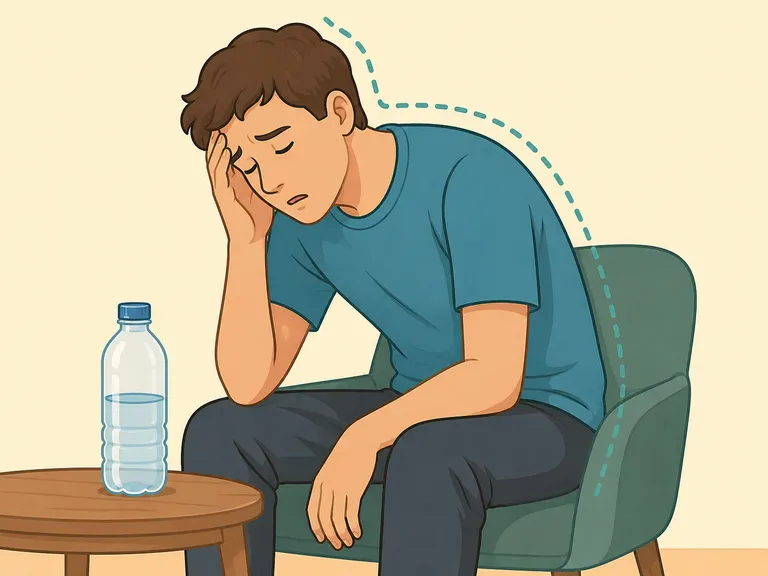
Pay attention to unusual tiredness
Dehydration can make you feel tired, weak, or less able to do normal activities. This sign is more meaningful when it follows heat exposure, exercise, fever, vomiting, diarrhea, or a day of low fluid intake.
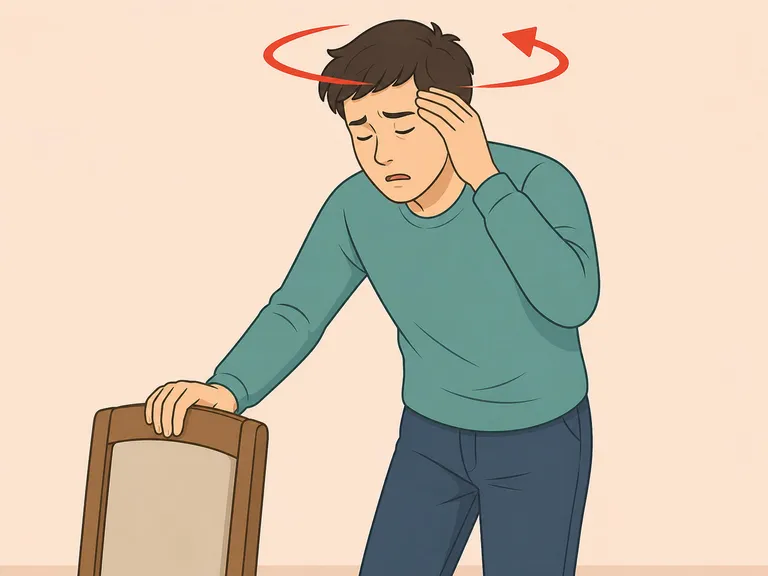
Take dizziness or lightheadedness seriously
Feeling dizzy, weak, or lightheaded can happen when fluid loss affects normal circulation. Cleveland Clinic includes dizziness, weakness, and lightheadedness among adult dehydration symptoms.
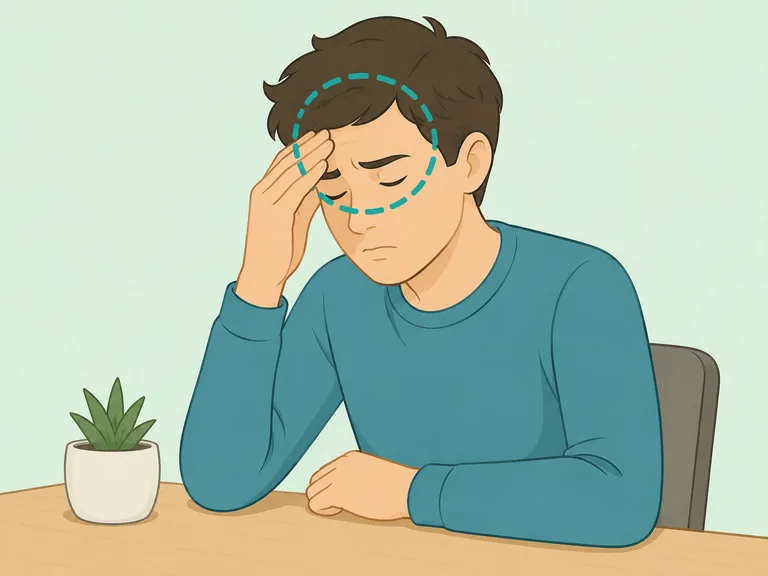
Notice headache or trouble focusing
A headache can be another dehydration clue, especially if it appears with thirst, dry mouth, or darker urine. Confusion is more concerning than a mild headache and should be treated as a possible severe symptom rather than something to wait out.
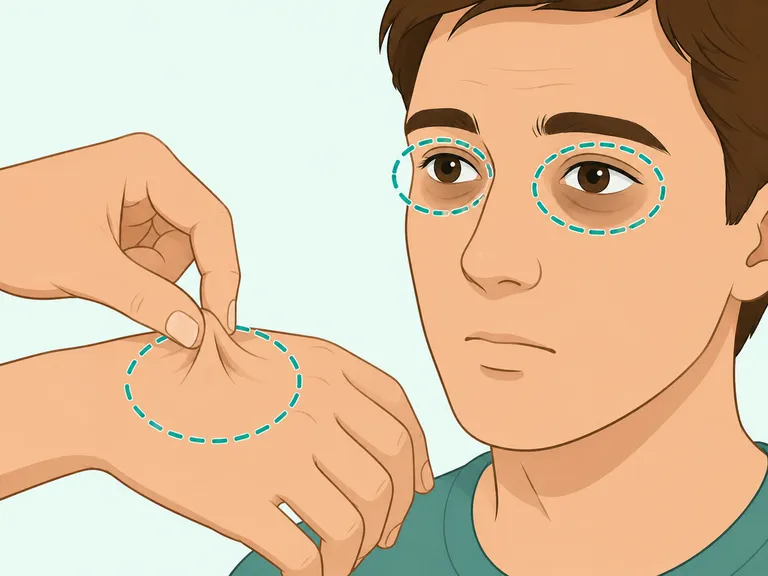
Look for dry skin, sunken eyes, or slow skin rebound
Dry skin, sunken eyes, or skin that does not flatten back quickly after a gentle pinch can support the possibility of dehydration. Mayo Clinic lists slow skin flattening and sunken eyes or cheeks among dehydration symptoms, but these signs are not a stand-alone diagnosis.
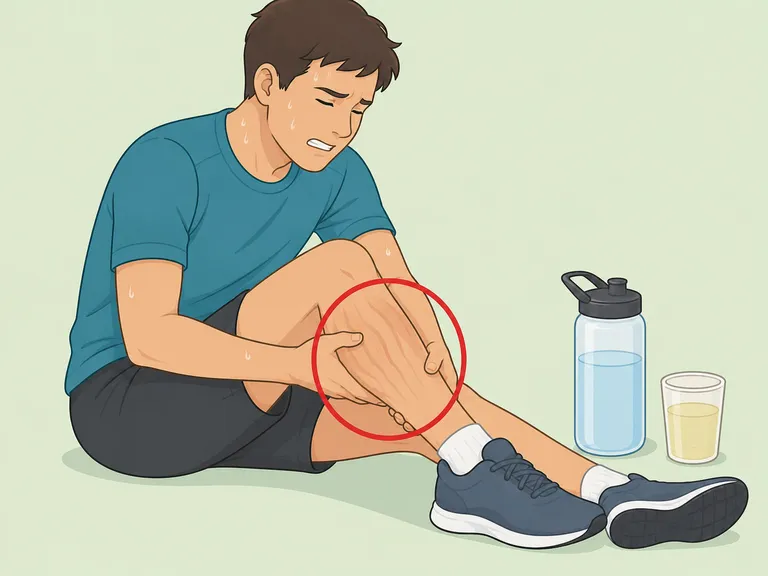
Consider cramps, heat intolerance, or chills after sweating
Heavy sweating from exercise, hot weather, or fever can increase fluid and electrolyte loss. Cleveland Clinic lists muscle cramps, heat intolerance, and chills among possible dehydration symptoms, especially when they occur with other warning signs.
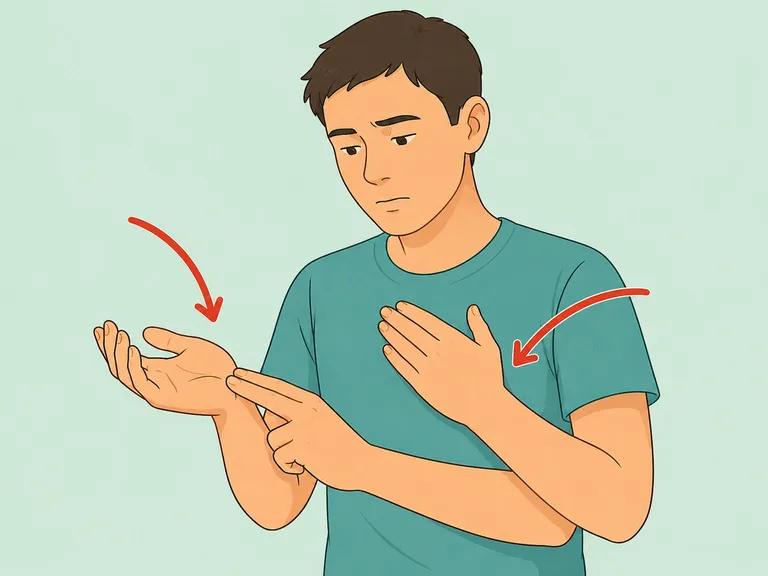
Check for a fast heartbeat or rapid breathing
A fast heartbeat or rapid breathing can be a more serious dehydration sign, particularly if the person also seems weak, dizzy, confused, or unable to keep fluids down. MedlinePlus advises getting medical help right away when dehydration symptoms include rapid heartbeat or rapid breathing.
Seek help for confusion, fainting, no urination, or shock signs
Get urgent medical help if someone is confused, faints, has no urination, is very sleepy or hard to wake, has cold or blotchy skin, or has difficulty breathing. The NHS says these can be signs of serious dehydration or shock that need urgent treatment.
Article Summary
The bottom line: dehydration often starts with thirst, dry mouth, darker urine, tiredness, or dizziness, but severe signs like confusion, fainting, no urination, rapid breathing, or a fast heartbeat need urgent medical attention.
Frequently Asked Questions
- Can you be dehydrated without feeling thirsty?
Yes. Thirst is useful, but it is not always reliable, especially in older adults. Check other signs such as urine color, urination frequency, dry mouth, dizziness, and tiredness.
- What color urine can suggest dehydration?
Dark yellow, strong-smelling urine or peeing less often than usual can be a sign that you need more fluid. Pale urine is generally a better hydration sign, although medicines and some foods can also affect urine color.
- What should I drink if I think I am mildly dehydrated?
For mild symptoms, water is often enough. If you have been sweating heavily, vomiting, or having diarrhea, an oral rehydration solution or an electrolyte drink may help replace salts and minerals as well as fluid.
- When is dehydration an emergency?
Get urgent medical help for confusion, fainting, rapid breathing, a fast heartbeat, no urination, cold or blotchy skin, or being unusually sleepy or hard to wake. These may be signs of severe dehydration or shock.
- Are children and older adults at higher risk?
Yes. Babies, young children, and older adults are more likely to become dehydrated and may not be able to recognize or communicate thirst clearly. Watch urine, wet diapers, energy level, tears, and alertness closely.
- Can dehydration cause muscle cramps?
It can. Heavy sweating and fluid loss can contribute to electrolyte imbalance, and muscle cramps may occur in that setting. Cramps with heat illness, weakness, confusion, or worsening symptoms should be taken seriously.
References
Trusted culinary resources helped guide and refine this article.