
 Pin this recipe
Some herbs and supplements are promoted online as "natural morphine" for muscle pain, joint pain, rheumatism, or gout. That phrase can sound reassuring, but "natural" does not prove that a product is safe or effective. This guide explains how to evaluate those claims carefully and when to choose medical advice instead.
Treat the phrase as a claim, not proof
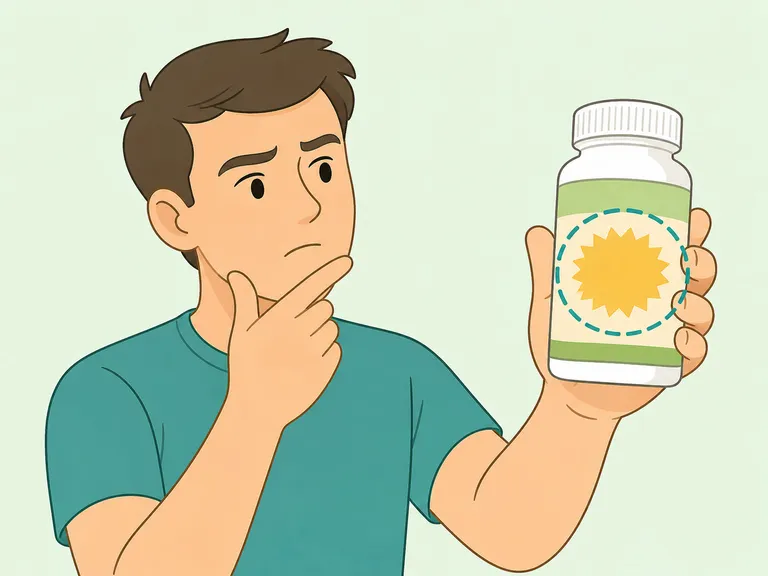
When a product is called "natural morphine," read that as a promotional claim until reliable evidence says otherwise. The NCCIH notes that evidence for supplements varies widely, and some products have little or no proven benefit. A strong pain-relief promise is not the same as a tested treatment.
Identify the exact ingredient and product form
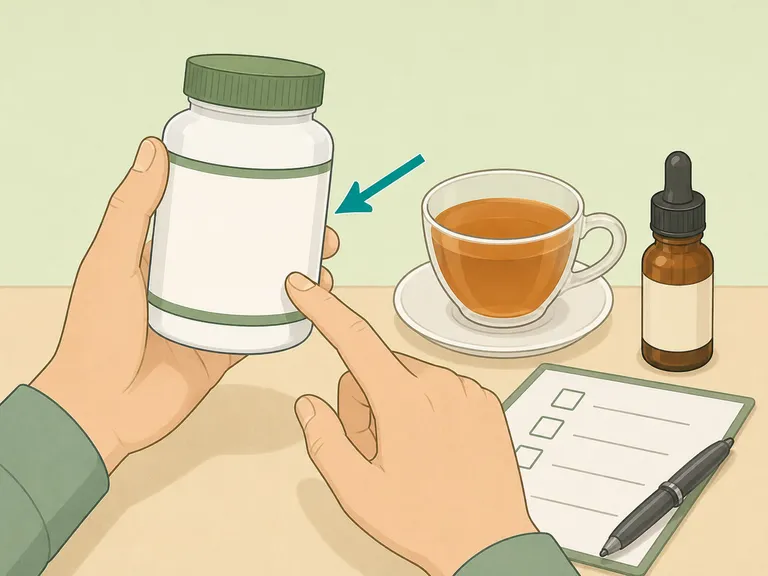
Write down the product name, plant name, ingredient list, strength, and whether it is sold as a tea, extract, capsule, oil, or tincture. The FDA explains that dietary supplements are regulated differently from drugs, so quality and labeling matter. Do not assume two products with the same nickname contain the same ingredient or amount.
Look for human evidence from reliable sources
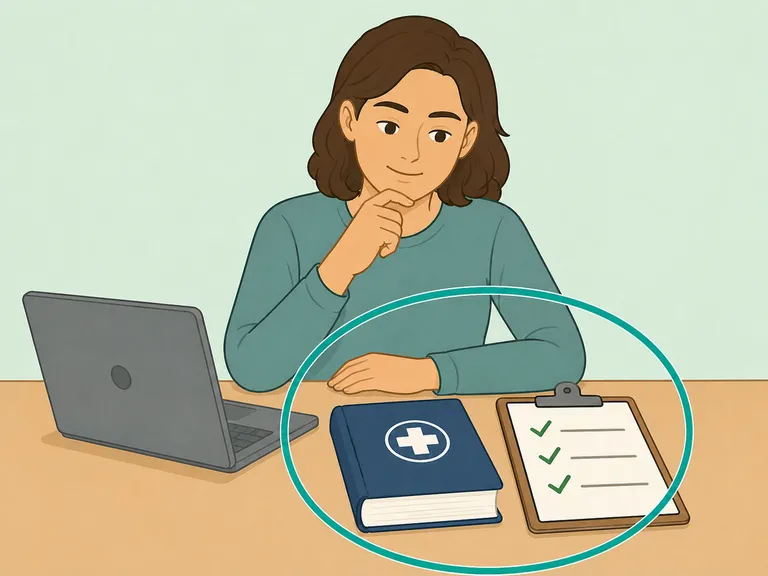
Search for evidence from health agencies, academic medical centers, or peer-reviewed human studies before believing pain, gout, or arthritis claims. Laboratory or animal findings can be useful early research, but they do not prove that a product relieves human pain safely. If you cannot find reliable human evidence, keep your expectations modest and avoid using the product as treatment.
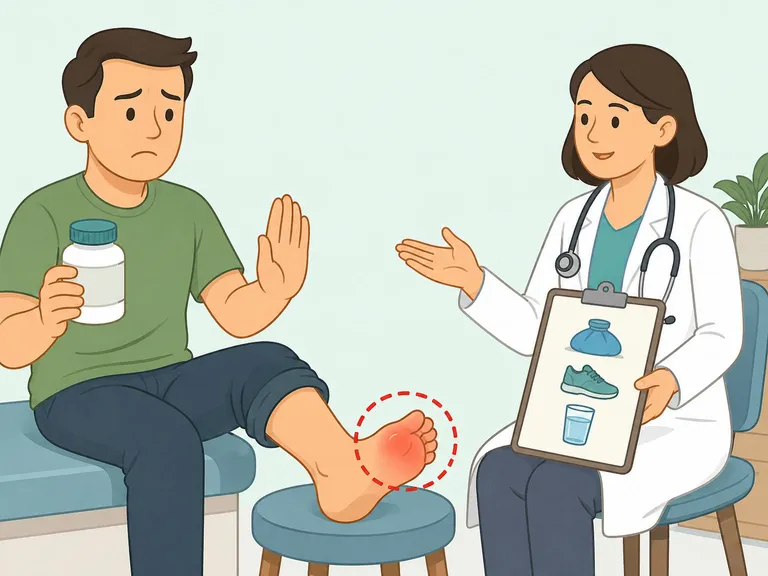
Do not use it to replace gout care
Gout is a type of arthritis linked with uric acid crystals and can cause sudden intense pain, swelling, warmth, and redness in a joint, often the big toe, according to Mayo Clinic's gout overview. The NHS advises medical treatment for gout attacks and prevention planning if attacks keep happening. A supplement should not delay diagnosis or prescribed treatment.
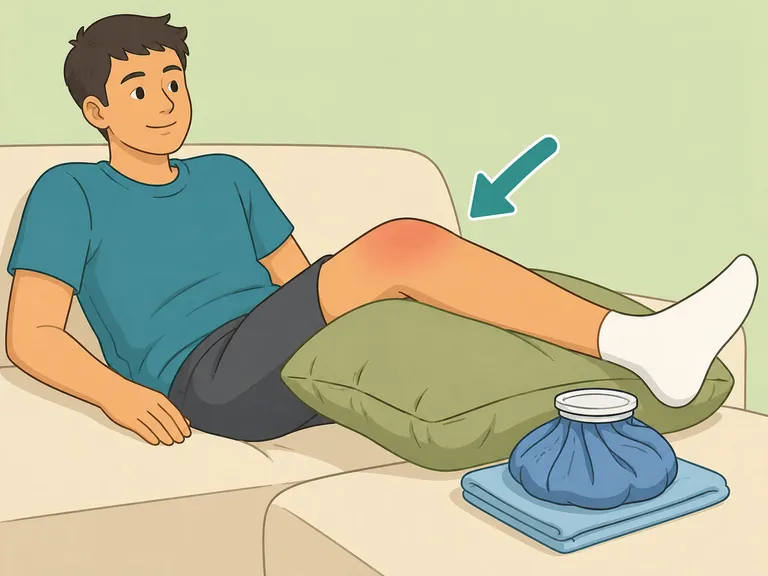
Use simple comfort measures while you seek advice
For a painful joint or muscle, reduce the activity that worsens it and protect the area from further strain. MedlinePlus notes that joint problems can come from injuries, overuse, arthritis, and other conditions, and that treatment depends on the cause. If swelling or pain is significant, ask a clinician which self-care steps and over-the-counter options are safe for you.
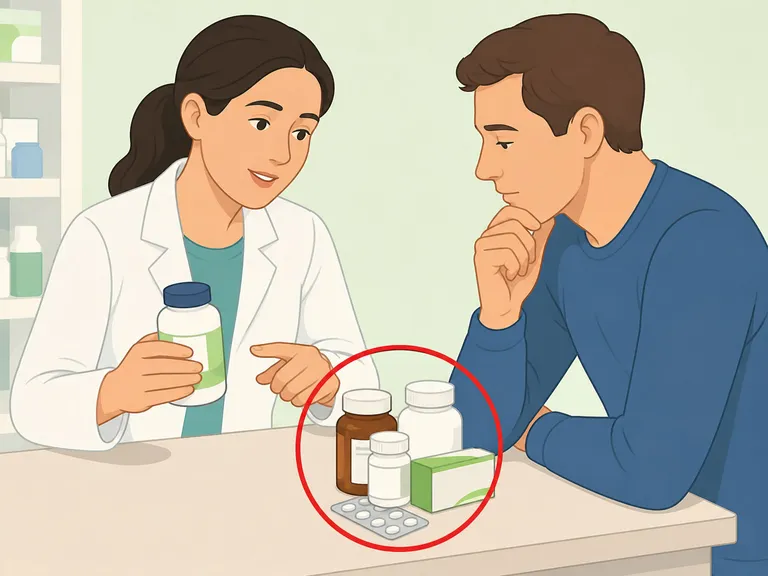
Check medication and health-condition risks
Before taking any pain-related supplement, compare the label with your medicines and health conditions. The NCCIH warns that supplements can interact with medications or pose risks for people with certain medical problems, during surgery, pregnancy, nursing, or childhood. Ask a pharmacist or doctor if you take blood thinners, sedatives, diabetes medicine, blood pressure medicine, or gout medicine.

Avoid products with disease-cure promises
Be especially cautious if a label or ad says a supplement cures rheumatism, treats gout, replaces pain medicine, or works like morphine. The FDA says supplements are not allowed to claim they diagnose, treat, cure, or prevent diseases the way approved drugs can. Choose medical guidance over products that rely on dramatic promises.
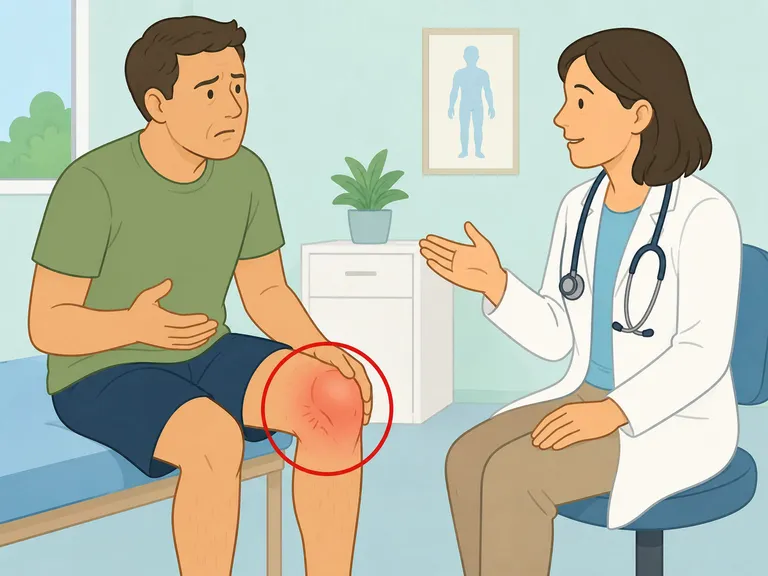
See a doctor for sudden, severe, or worsening joint pain
Call a healthcare professional if you have sudden intense joint pain, especially with swelling, warmth, redness, or limited movement. Mayo Clinic advises prompt care for sudden severe joint pain and urgent care if fever occurs with a hot, inflamed joint because infection is possible. Do not wait to see whether an herbal product works in these situations.
Track symptoms and bring the label to your appointment
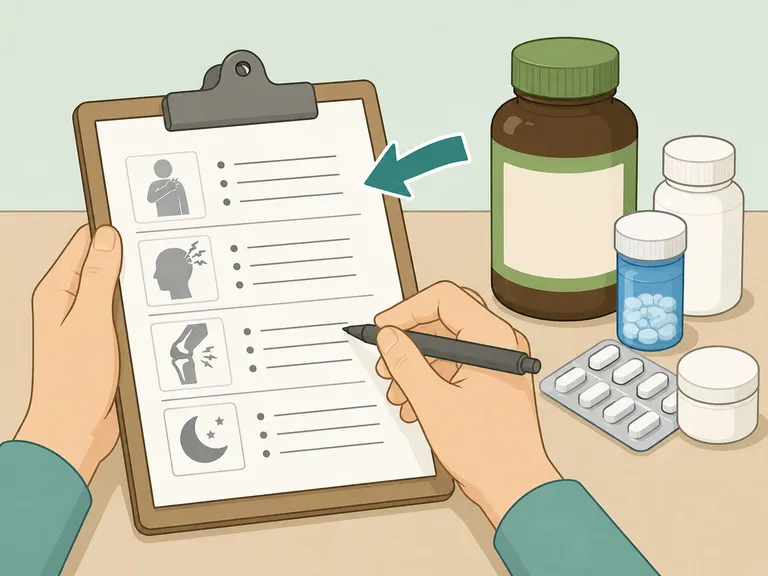
Write down when the pain started, which joints or muscles hurt, what makes it better or worse, and any supplements or medicines you used. Arthritis can involve joint pain, heat, redness, and swelling, and NIAMS notes that different types of arthritis have different causes and treatments. Bringing the supplement label helps your clinician check ingredients, interactions, and safer options.
Article Summary
The bottom line: do not treat a "natural morphine" claim as proof. Identify the product, check reliable evidence, avoid substituting it for proven care, and get medical help when joint pain is sudden, severe, hot, swollen, or linked with fever.
Frequently Asked Questions
- What does "natural morphine" usually mean?
It is usually a marketing phrase for an herb or supplement claimed to ease pain. It does not mean the product works like prescribed morphine, has been tested like a medicine, or is safe for everyone.
- Can a supplement cure gout or arthritis?
No supplement should be treated as a cure for gout or arthritis. Gout and arthritis have different causes and treatments, so persistent or severe symptoms should be assessed by a qualified health professional.
- Is natural pain relief always safer than medicine?
No. Herbal and dietary supplements can interact with medicines, contain variable ingredients, or cause side effects. "Natural" is not the same as risk-free.
- When is joint pain an emergency?
Seek urgent medical care if a joint is very painful, hot, swollen, or inflamed with fever. These symptoms can occur with gout but can also signal infection or another serious problem.
- Should I stop my prescribed gout or arthritis medicine if I try a natural product?
No. Do not stop or change prescribed medicine unless your doctor or qualified health professional tells you to. Bring the supplement label to your appointment so they can check for risks.
- How can I tell if a supplement claim is too strong?
Be cautious of claims that a product cures disease, replaces medical treatment, works like a prescription drug, or guarantees fast results. Strong disease-treatment claims should be backed by strong human evidence and medical oversight.
References
Trusted culinary resources helped guide and refine this article.
- https://www.nccih.nih.gov/health/using-dietary-supplements-wisely
- https://www.fda.gov/food/information-consumers-using-dietary-supplements/questions-and-answers-dietary-supplements
- https://www.mayoclinic.org/diseases-conditions/gout/symptoms-causes/syc-20372897
- https://www.nhs.uk/conditions/gout
- https://medlineplus.gov/jointdisorders.html
- https://www.niams.nih.gov/health-topics/arthritis