
 Pin this recipe
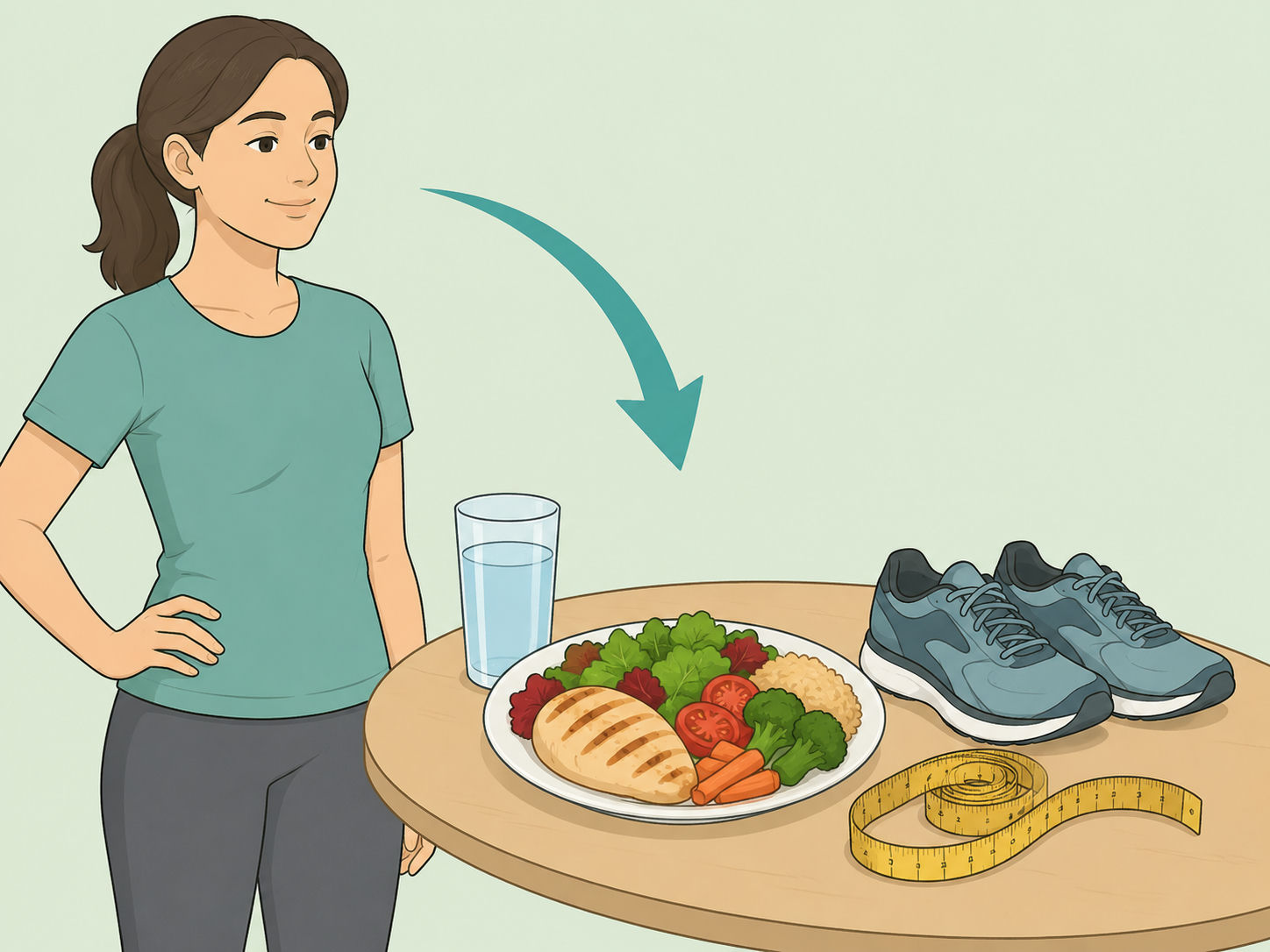
Claims like “drink this all day and belly fat disappears” are common online, but they are not a safe or reliable way to manage weight. Belly fat can include visceral fat, which sits deeper in the abdomen and is linked with health risks, so it is worth approaching carefully. This guide explains how to use drinks wisely while building the habits that actually support gradual, safer fat loss.
Reject miracle drink claims
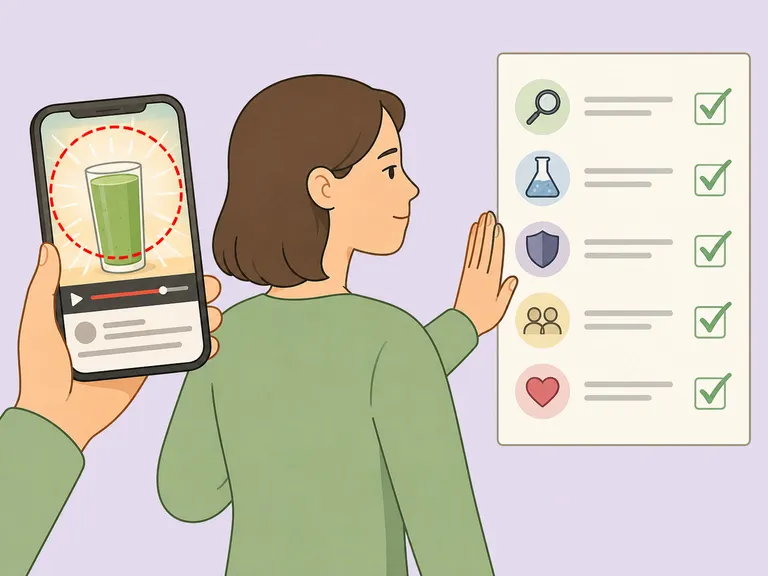
Be skeptical of any post that promises your “big belly” will be gone quickly from one drink. The NIH National Center for Complementary and Integrative Health says detox and cleanse programs have limited evidence for lasting weight loss and can be unsafe when they involve severe restriction, laxatives, or excessive fluids. A safer goal is steady fat loss through habits you can keep.
Use water to replace sugary drinks
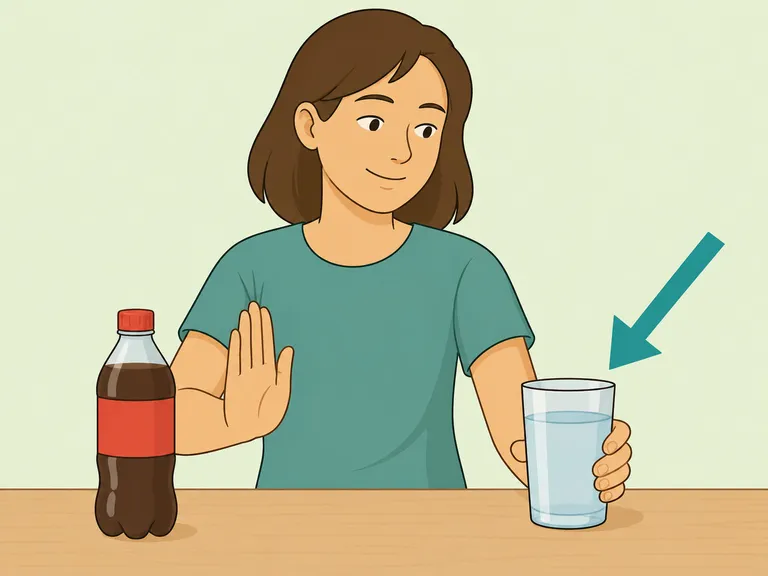
Water is helpful because it hydrates you and has no calories, and the CDC notes that replacing sugary drinks with plain water can lower calorie intake. Keep a bottle nearby, choose water with meals, or add cucumber, mint, or citrus for flavor without turning it into a “fat-burning” claim.
Measure your waist without obsessing
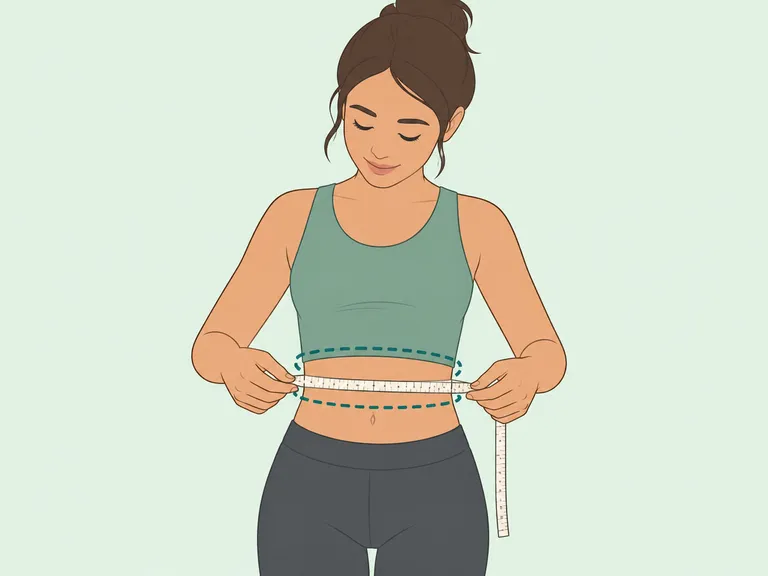
Belly fat includes both pinchable fat under the skin and deeper visceral fat around organs, according to Mayo Clinic. Measure your waist at the same spot, about once a week or every few weeks, and look for trends rather than daily changes. Cleveland Clinic explains that waist measurements can help estimate health risk from visceral fat, but a clinician can help interpret your numbers.
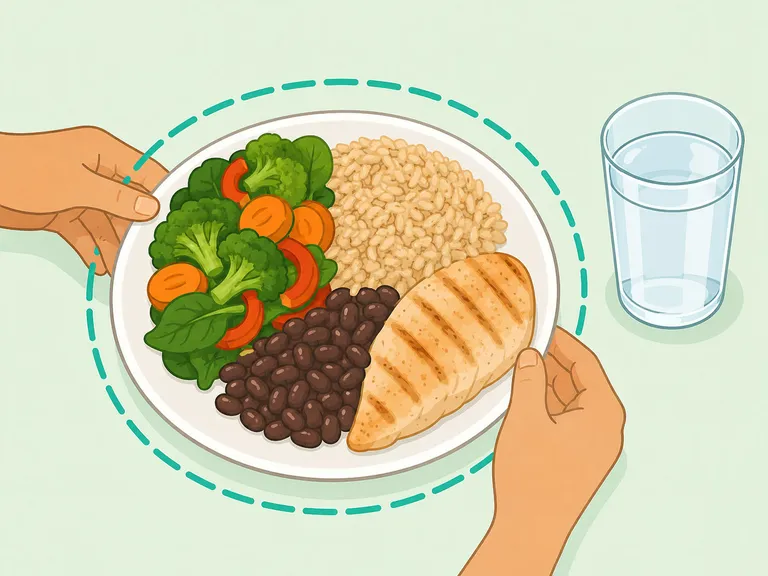
Build meals around filling whole foods
A drink will not make up for an eating pattern that regularly exceeds your needs. The CDC recommends a healthy eating plan that emphasizes vegetables, fruits, whole grains, protein foods, and healthy fats while limiting added sugars, sodium, saturated fats, and trans fats. Aim for meals that include protein, high-fiber foods, and a portion size you can repeat comfortably.
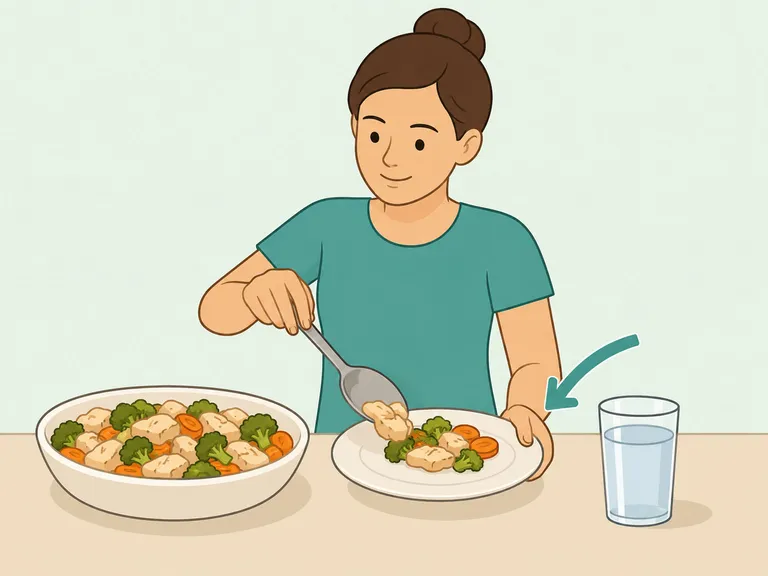
Create a realistic calorie gap
Fat loss happens over time when your overall intake is lower than what your body uses, but the plan should still nourish you. The CDC says gradual, steady weight loss of about 1 to 2 pounds per week is more likely to be maintained than faster loss. Start with small changes, such as replacing one sweet drink, reducing large portions, or planning a balanced lunch.
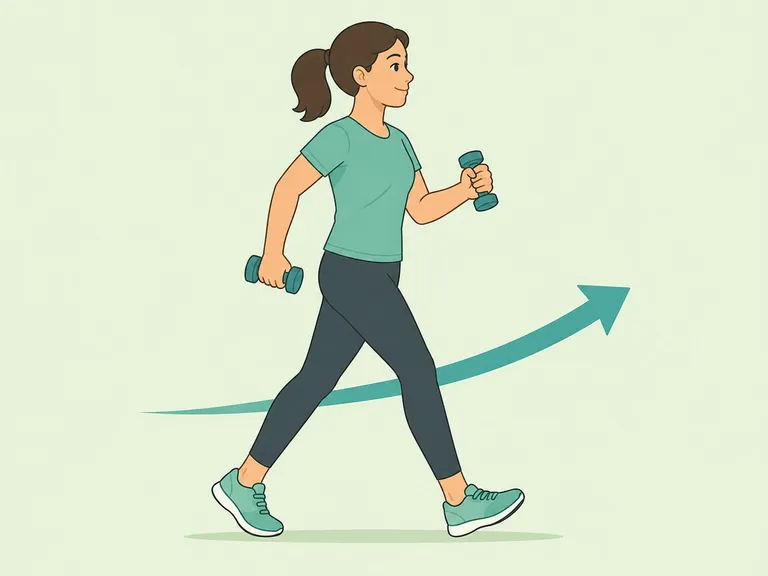
Move your body most days
Regular activity helps your body use energy and supports long-term weight management. The CDC says adults need at least 150 minutes of moderate aerobic activity weekly plus muscle-strengthening activity on at least 2 days, though individual needs vary. Walking, cycling, swimming, strength training, and active chores all count when done consistently.
Support sleep and stress control
Poor sleep and ongoing stress can make weight management harder for many people. The CDC includes sleep and stress management as part of a healthy weight lifestyle, and Cleveland Clinic notes that stress can affect visceral fat through hormones such as cortisol. Pick one repeatable habit, such as a steady bedtime, a daily walk, breathing practice, or setting a cutoff for late-night snacking.

See a doctor when changes are sudden or complicated
Talk with a doctor or qualified health professional if your belly size or weight changes suddenly, you have pain or swelling, or you have diabetes, heart disease, kidney disease, pregnancy, an eating disorder history, or medications that affect weight. Mayo Clinic advises asking a health care provider for help getting started and staying on track with belly fat loss. Medical guidance matters because weight, waist size, appetite, and fluid retention can be affected by conditions that a drink plan will not fix.
Article Summary
The bottom line: water can support health and help replace sugary drinks, but it does not melt belly fat by itself. Safer progress comes from steady habits: balanced meals, regular movement, sleep, stress management, realistic goals, and medical guidance when needed.
Frequently Asked Questions
- Can any drink burn belly fat?
No drink has been shown to melt belly fat on its own. Unsweetened drinks can help if they replace higher-calorie beverages, but fat loss still depends on overall eating patterns, activity, sleep, stress, health conditions, and consistency.
- Is lemon water good for belly fat?
Lemon water is fine for many people if it helps them drink more water, but the lemon itself does not target belly fat. Keep it unsweetened, and rinse your mouth with plain water afterward if frequent acidic drinks bother your teeth.
- Why does my stomach look smaller after a cleanse?
Short-term changes after a cleanse are often from less food volume, water loss, or bowel changes, not lasting fat loss. Very restrictive cleanses can also cause dehydration, electrolyte problems, or nutrient gaps.
- How fast is safe weight loss?
The CDC says people who lose weight gradually and steadily, about 1 to 2 pounds per week, are more likely to keep it off. Faster changes should be discussed with a health professional, especially if they are unplanned.
- Can crunches remove belly fat?
Core exercises can strengthen abdominal muscles, but Mayo Clinic notes that belly-focused exercises alone do not remove belly fat. A broader plan with nutrition, aerobic activity, and strength training is more useful.
- When should I worry about belly fat?
Talk with a doctor if your waist size is increasing quickly, weight changes are unexplained, or you have conditions such as diabetes, heart disease, kidney disease, an eating disorder history, pregnancy, or medication changes.
References
Trusted culinary resources helped guide and refine this article.
- https://www.nccih.nih.gov/health/detoxes-and-cleanses-what-you-need-to-know
- https://www.cdc.gov/healthy-weight-growth/water-healthy-drinks/index.html
- https://www.cdc.gov/healthy-weight-growth/losing-weight/index.html
- https://www.cdc.gov/healthy-weight-growth/healthy-eating/index.html
- https://www.cdc.gov/healthy-weight-growth/physical-activity/index.html
- https://www.mayoclinic.org/healthy-lifestyle/mens-health/in-depth/belly-fat/art-20045685
- https://my.clevelandclinic.org/health/diseases/24147-visceral-fat