
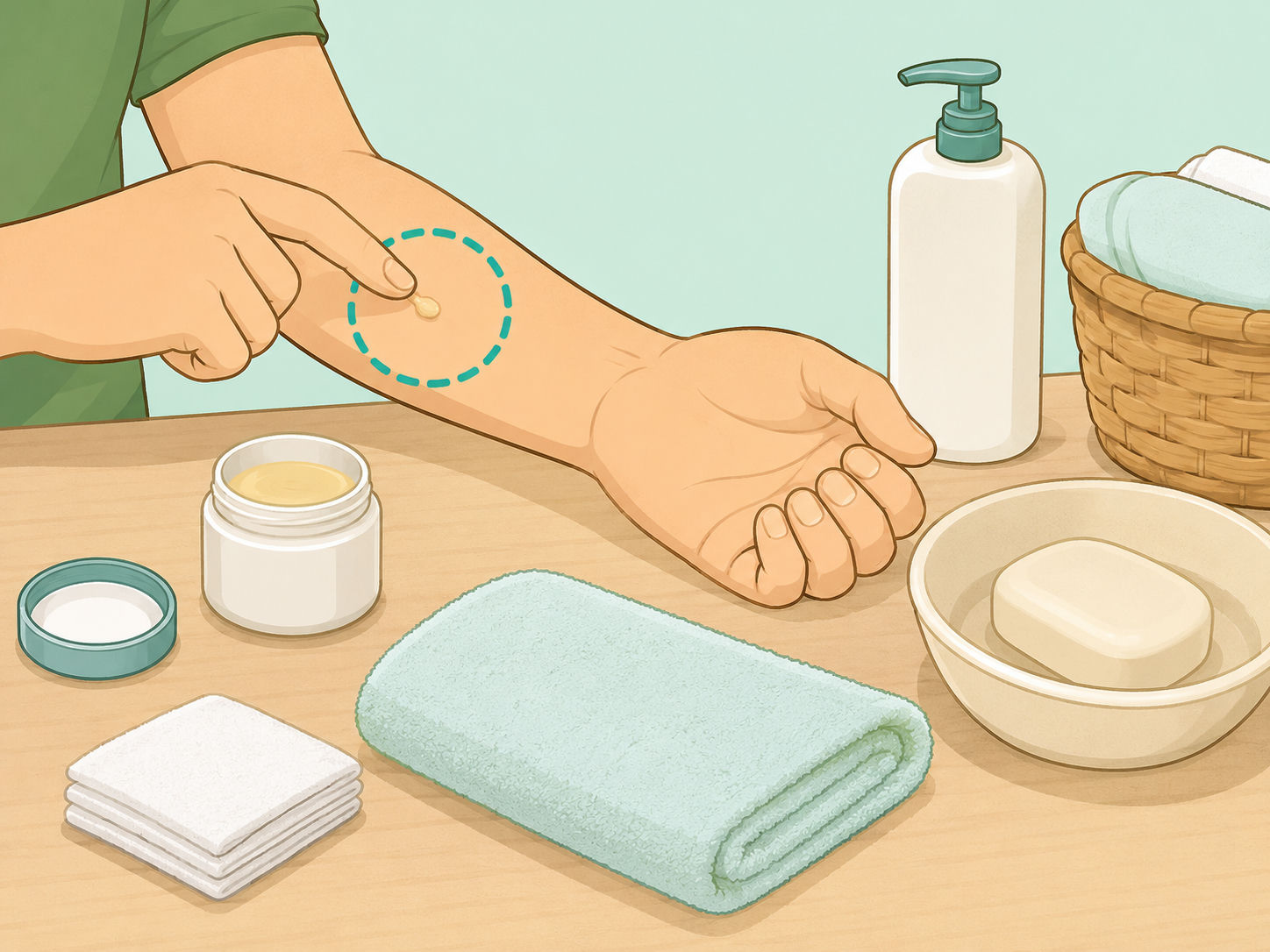
 Pin this recipe
Tiger Balm is a strong-smelling topical balm that many people use for everyday aches, tight muscles, and itchy bites. Because it commonly relies on ingredients such as camphor and menthol, it should be used carefully and only on intact skin. This guide explains practical, safer ways to use it and the situations where medical care matters more than another application.
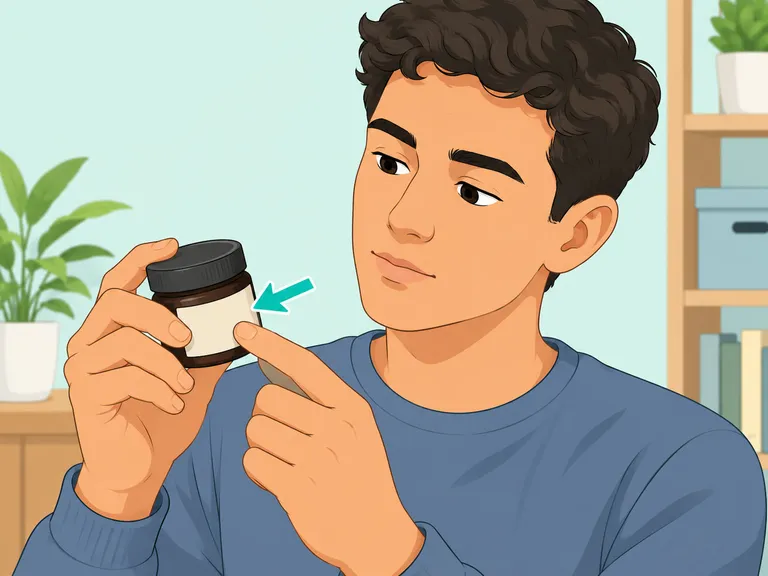
Read the label before you open the jar
Use the exact directions on your product, since formulas and age limits can vary. Camphor is found in some topical pain relievers, and MedlinePlus warns that camphor and menthol can be harmful when too much is used or swallowed.
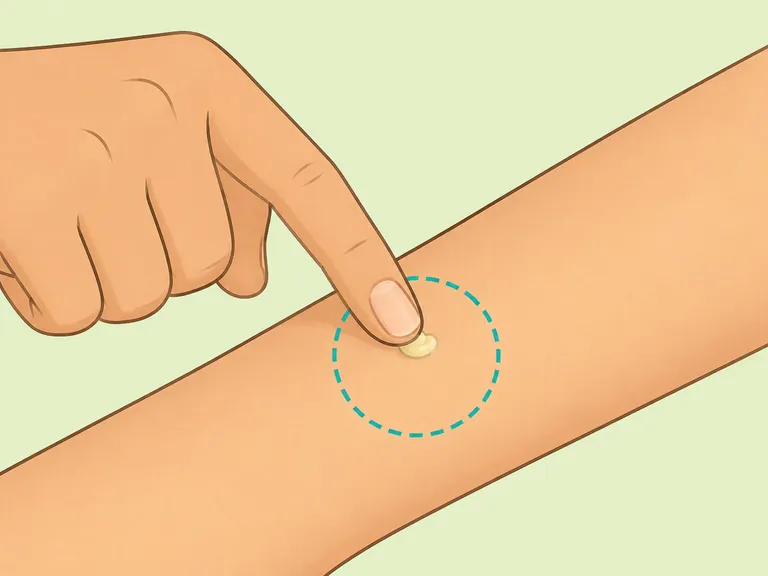
Patch-test a tiny amount first
Rub a very small amount on intact skin and wait to see whether redness, stinging, itching, or rash appears. Do not use Tiger Balm on cuts, burns, rashes, freshly shaved skin, or any area that is already irritated.
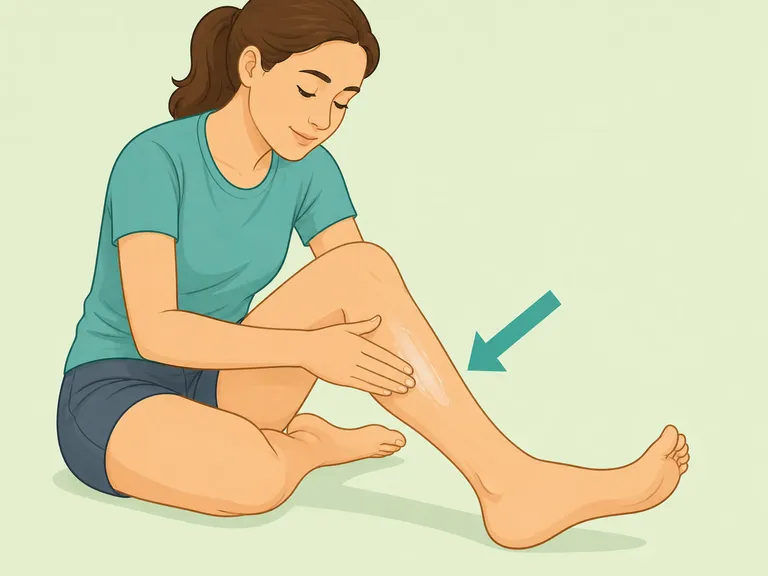
Massage it into minor sore muscles
For everyday soreness in shoulders, calves, feet, or the lower back, apply a thin layer and massage gently instead of pressing hard. For new sprains or strains, follow basic injury care first; the NHS recommends protection, rest, ice, compression, and elevation in the first couple of days.
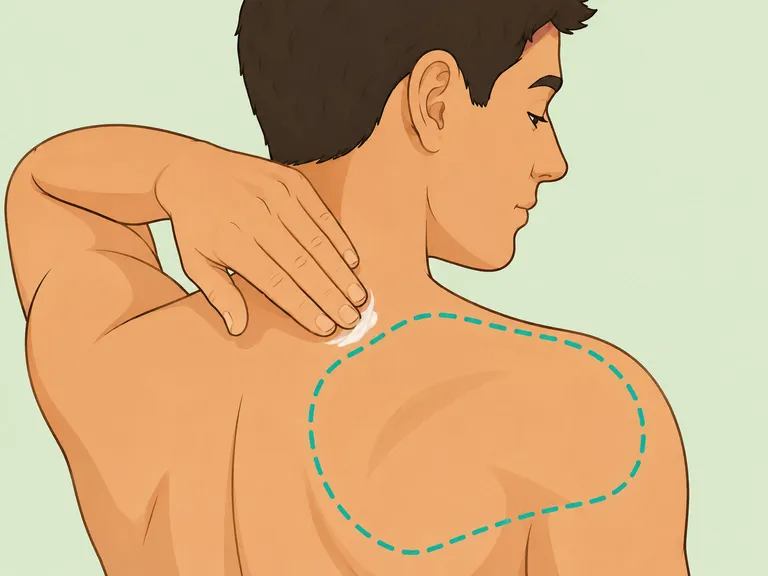
Use it sparingly on a stiff neck or shoulders
Apply it to the tight muscle area, not the throat, face, or broken skin, then wash your hands. Mayo Clinic notes that massage can help relieve tension in tight muscles of the neck and shoulders for some people.
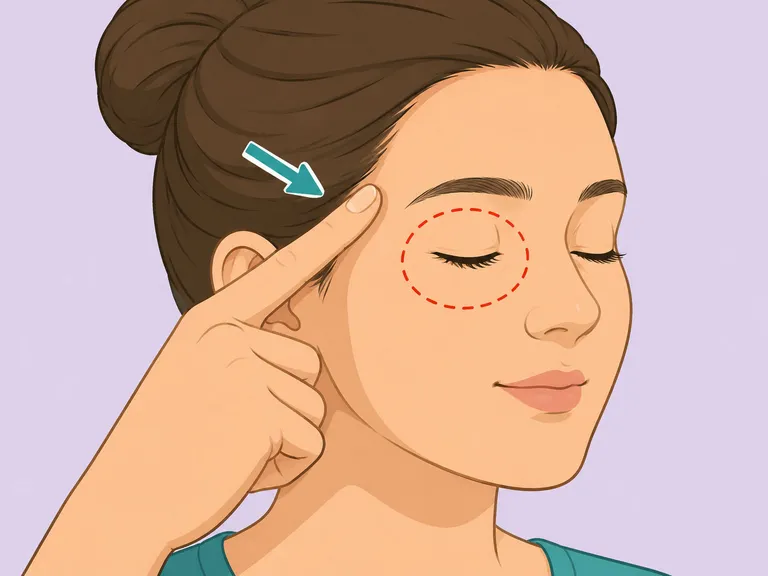
Try a careful temple massage for tension-type head pain
Place the smallest dab on your fingertips and massage the temples only, staying well away from your eyes, eyelids, nostrils, and mouth. For tension-type headaches, Mayo Clinic lists rest, ice packs, heat, and posture care among self-care options, so treat balm as one comfort measure, not a cure.
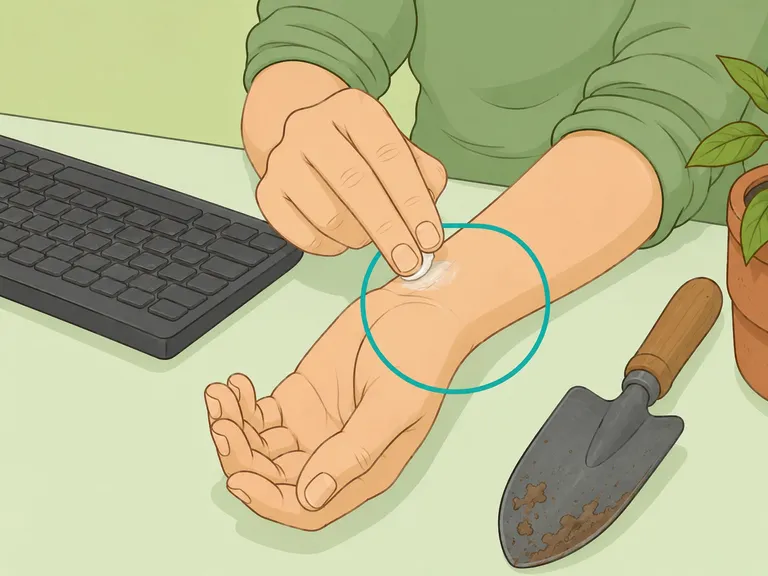
Rub it on overused hands, wrists, knees, or elbows
Use a thin layer after repetitive tasks such as typing, gardening, carrying bags, or housework when the discomfort feels mild and familiar. If a joint is swollen, deformed, hot, numb, weak, or hard to move, skip the balm and get medical advice.
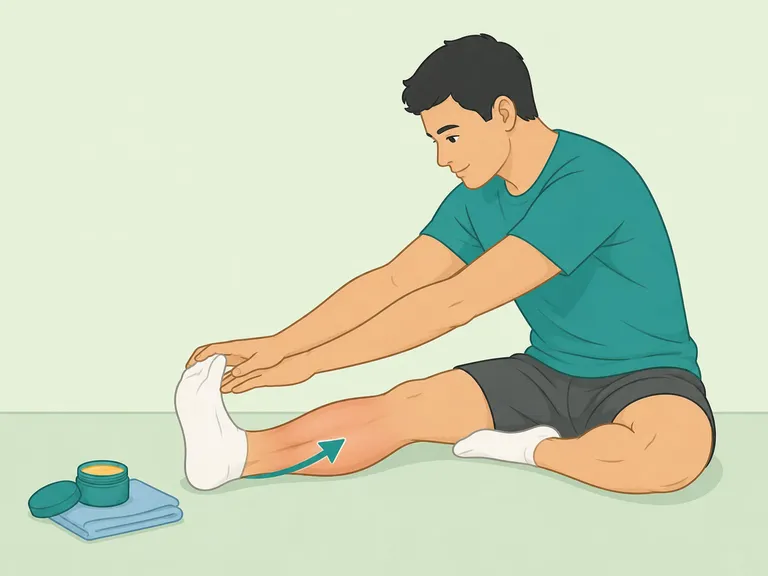
Pair it with gentle stretching after the acute phase
Once a minor strain or tight area can move without sharp pain, a gentle stretch after applying balm may help you relax the area. The NHS advises keeping the injured area moving when pain allows so it does not become stiff.
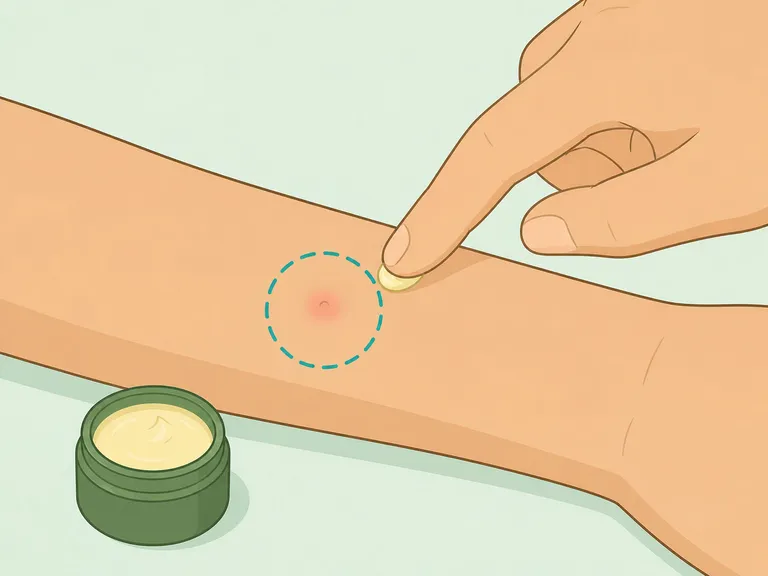
Dab near minor itchy bites only if the skin is intact
For a small mosquito bite that is not scratched open, a tiny amount near the itchy spot may provide a cooling distraction. The CDC advises people who are bitten to avoid scratching and use over-the-counter anti-itch products, but Tiger Balm should not replace care for swelling, infection signs, fever, or allergic symptoms.
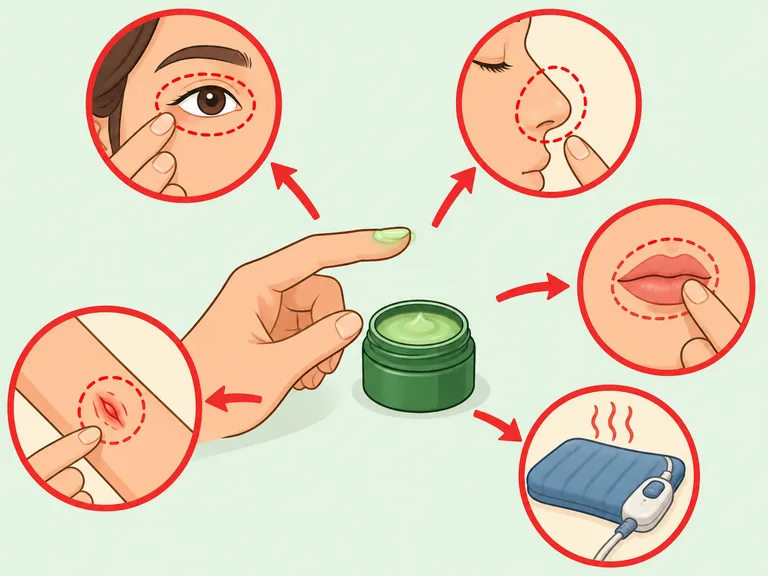
Skip unsafe viral uses
Do not use Tiger Balm as sunscreen, acne treatment, wound treatment, lip balm, eye-area product, nasal inhaler, or mosquito repellent. For mosquito prevention, the CDC recommends EPA-registered repellents and protective clothing, and says the effectiveness of non-registered natural repellents is uncertain.
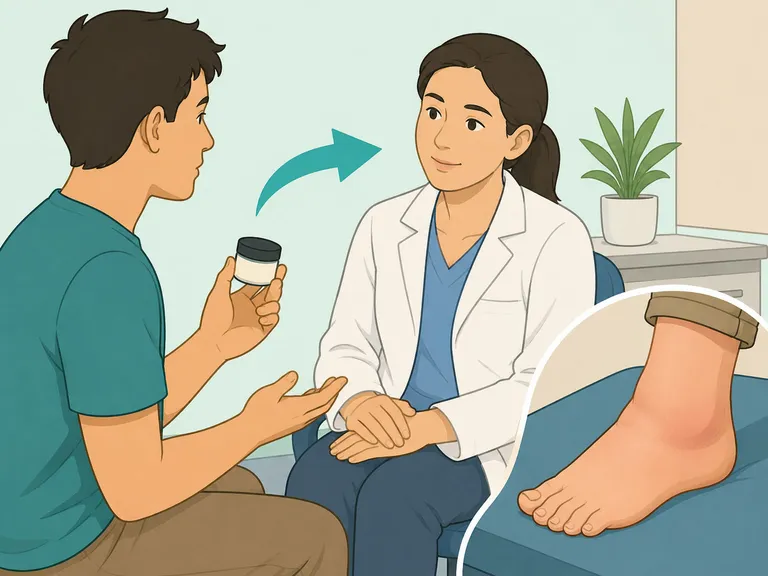
Know when to see a doctor
Seek urgent help for severe pain, a body part that looks misshapen, numbness, spreading redness, fever, trouble breathing, or symptoms after swallowing the product. For sprains and strains, the NHS advises getting help if pain or swelling is worsening, you cannot bear weight, or symptoms are not improving after self-care.
Article Summary
The bottom line: use Tiger Balm sparingly, externally, and only for temporary comfort with minor aches or itch. Skip viral uses that involve eyes, nostrils, broken skin, heat, or swallowing, and get medical help for severe, worsening, unusual, or persistent symptoms.
Frequently Asked Questions
- Can Tiger Balm cure muscle pain?
No. It may give temporary surface comfort, but it does not diagnose or fix the cause of pain. If pain is severe, worsening, linked to an injury, or not improving, see a health professional.
- Can I put Tiger Balm under my nose for congestion?
It is safer not to put it in or directly under the nostrils, near the mouth, or near the eyes. Camphor-containing products can be harmful if swallowed or misused, and strong vapors can irritate sensitive areas.
- Can I use Tiger Balm on a mosquito bite?
Only consider a tiny amount around a minor itchy bite if the skin is intact and your product label allows that use. Do not apply it to scratched, bleeding, blistered, or infected-looking skin.
- Should I use heat with Tiger Balm?
No. Do not use heating pads, hot wraps, tight bandages, or very hot showers over the balm. Heat and occlusion can increase irritation and make strong topical products harder to tolerate.
- Is Tiger Balm safe for children?
Check the exact product label and ask a pediatrician or pharmacist before using it on a child. Keep all camphor-containing products out of children’s reach because swallowing them can be dangerous.
- What should I do if Tiger Balm burns my skin?
Wash it off with soap and lukewarm water and stop using it. Seek medical care if burning is severe, the skin blisters, swelling spreads, or you feel unwell.
References
Trusted culinary resources helped guide and refine this article.