
 Pin this recipe
Stories about owners recovering a squatted home in a day often leave out the important part: the process is not a trick, but an official French procedure with strict conditions. This guide explains the careful, lawful steps to take if a home in France is occupied by squatters. It is general information, not legal advice, and local facts can change the right next step.

Confirm that the situation is legally a squat
Start by checking whether the occupants entered without permission by force, threat, deception, or similar conduct. The French public service explains that a tenant who stays after a lease is not treated the same way as a squatter, so do not assume every unlawful occupation uses this fast-track route. If the facts are unclear, get legal advice before taking action.
Avoid confronting the occupants yourself
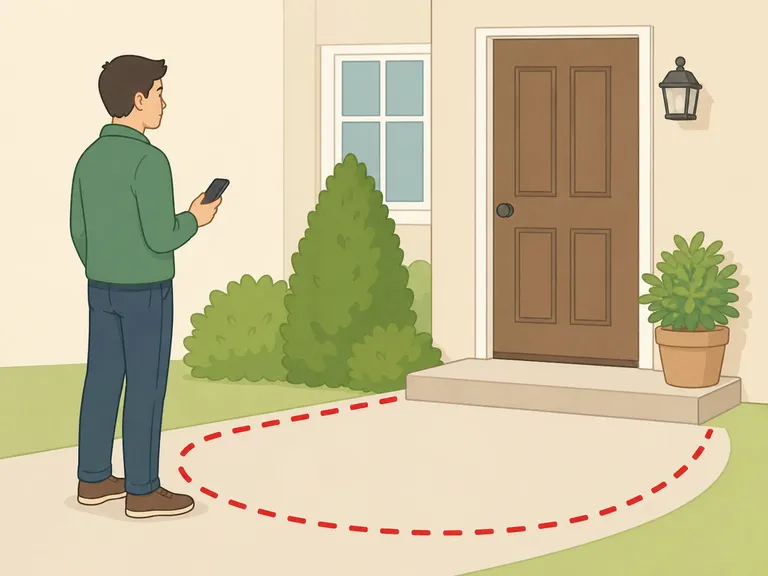
Do not try to force entry, remove belongings, shut off utilities, or pressure the occupants to leave. France's official guidance says owners should not force squatters out themselves and should instead seek expulsion or forced evacuation through the proper channels. Staying calm also helps preserve evidence and avoids creating a separate legal problem.
File a complaint with police or gendarmerie
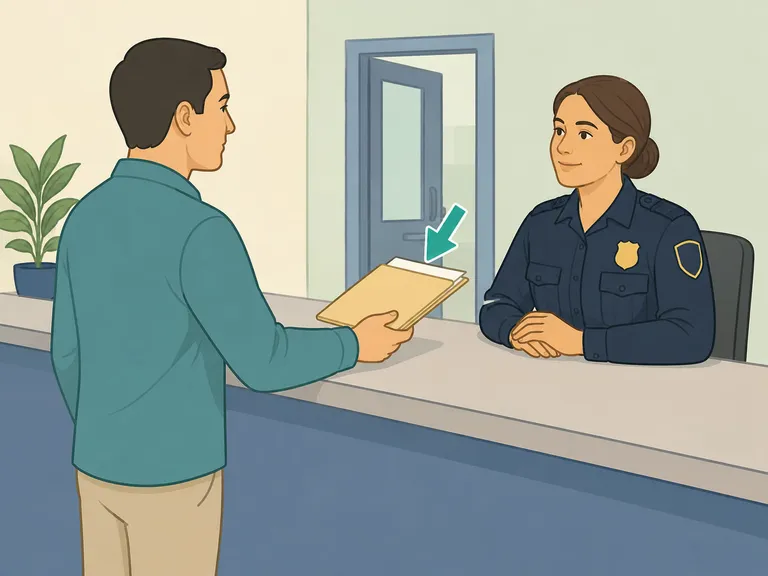
The fast-track procedure begins with a complaint for home violation or illegal occupation. You can find a local police station or gendarmerie through the official Ma Securite contact finder, then bring identification and all documents you have. Ask for a copy or record of the complaint for your prefecture file.

Gather proof that the home is yours or your domicile
Collect title deeds, tax documents, utility bills, insurance records, photos, mail, and neighbor statements. Under the official French procedure, the applicant must prove that the property is their home or belongs to them before asking the prefect to act. Keep originals safe and prepare copies in a clear folder.
Have the occupation officially recorded
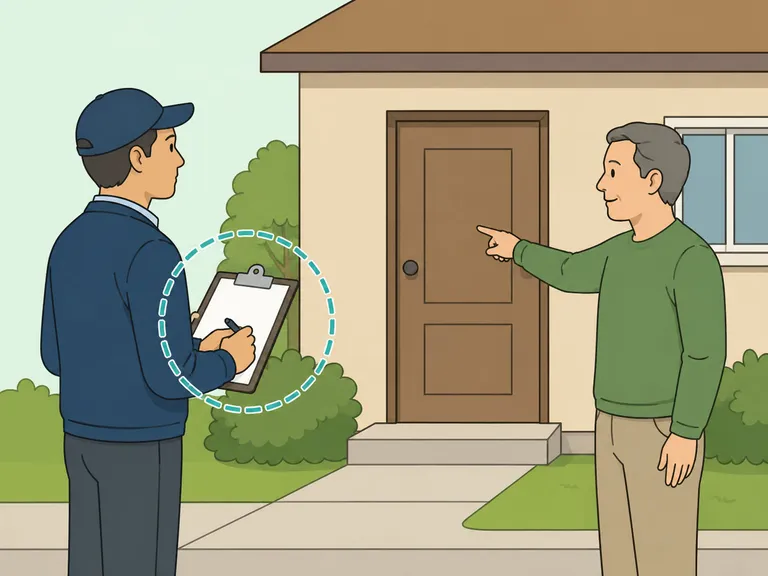
The occupation must be confirmed by an authorized person, such as a judicial police officer, the mayor, or a commissioner of justice. A commissioner of justice can draw up a formal report and may help identify at least one occupant if the case later needs court action. This step turns the situation from a private claim into a documented file.

Request a formal notice from the prefect
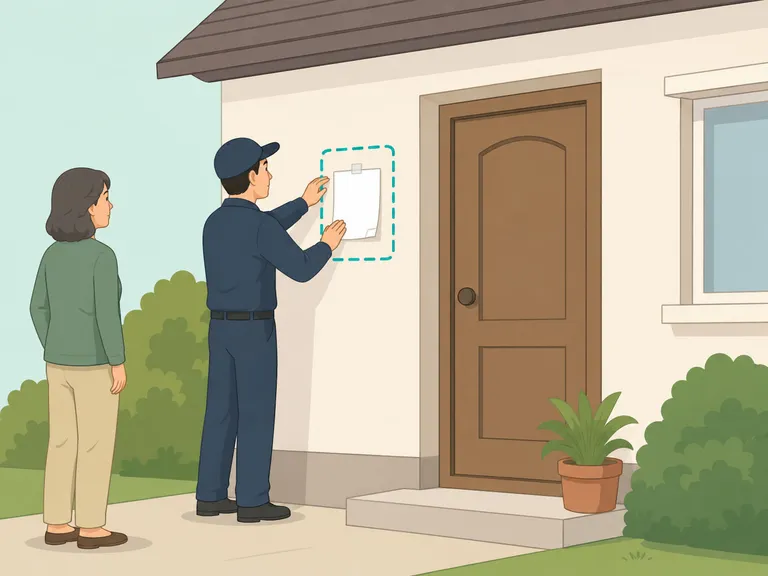
After the complaint, proof, and official finding are ready, send a written request to the department prefect asking for a formal notice requiring the occupants to leave. Article 38 of the DALO law says the prefect must decide within 48 hours of receiving the request, after considering the occupants' personal and family situation. This is the lesser-known fast-track route behind many quick recovery stories.
Track the notice period and official evacuation
If the prefect issues the notice, the departure deadline is at least 24 hours when the occupied place is the applicant's domicile, and at least 7 days in other covered housing cases. If the occupants do not leave by the deadline, the prefect must proceed with forced evacuation without delay unless the applicant objects. French guidance also states that the winter truce does not apply to squatters in this procedure.
Use the court route if the fast-track route is refused
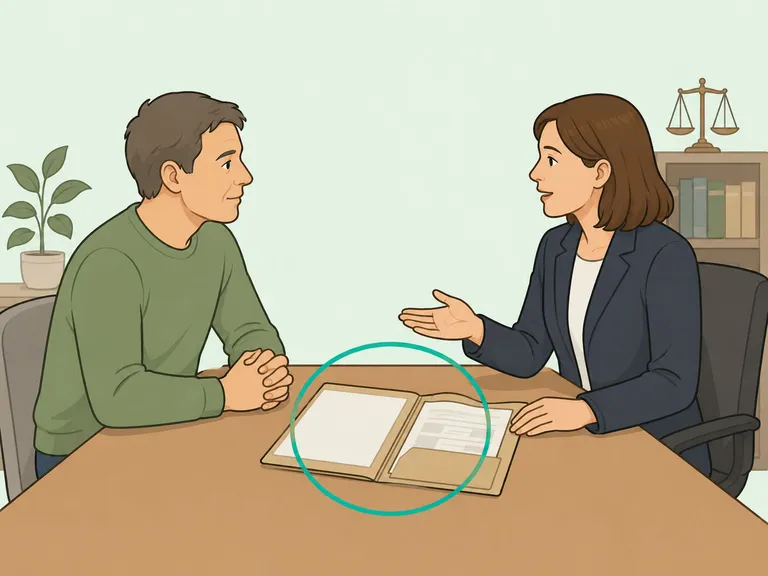
If the prefect refuses or the facts do not meet the fast-track conditions, ask a lawyer about filing before the protection litigation judge. The French public service notes that free legal consultations may be available through Point-justice offices or bar associations. A lawyer can also help avoid mistakes if the occupant is a former tenant, guest, or rental customer rather than a squatter.
Understand the possible penalties without escalating the situation
French Penal Code article 226-4 provides penalties for entering and remaining in another person's home through prohibited means, and it includes certain furnished dwelling spaces whether or not they are the person's main residence. Knowing the legal definition and penalties can help you explain the complaint clearly. Still, let officials handle enforcement.
Article Summary
The bottom line: act quickly, but stay lawful. In France, the fast-track route depends on a police complaint, proof of your home or ownership, an official finding of illegal occupation, and a request to the prefect.
Frequently Asked Questions
- Is recovery in one day guaranteed?
No. French law sets short time frames in some cases, but the prefect must review the file and the facts. Treat one-day stories as exceptional outcomes, not a promise.
- Can I change the locks myself?
No. If squatters are inside, do not force them out yourself. Use the police, gendarmerie, prefecture, a commissioner of justice, and legal counsel as needed.
- Does this apply to a former tenant?
Usually no. A tenant who stays after a lease ends is handled through a different legal process, even if they no longer have permission to remain.
- What proof should I gather first?
Gather title documents, tax records, utility bills, insurance papers, photos, neighbor statements, and any evidence that shows the home is yours or is your domicile.
- What if the prefect refuses?
The refusal should include a reason. Ask a lawyer or a free legal advice point about whether to correct the file, challenge the refusal, or go before a judge.
- Is this guide for countries outside France?
No. The prefect procedure described here is specific to France. If the property is elsewhere, contact local police and a local housing lawyer.
References
Trusted culinary resources helped guide and refine this article.
- https://www.service-public.gouv.fr/particuliers/vosdroits/F35254?lang=en
- https://www.legifrance.gouv.fr/loda/article_lc/LEGIARTI000042655744
- https://www.legifrance.gouv.fr/codes/article_lc/LEGIARTI000030776820
- https://www.service-public.gouv.fr/particuliers/vosdroits/F20706?lang=fr
- https://www.service-public.gouv.fr/particuliers/vosdroits/F2158?lang=en
- https://www.masecurite.interieur.gouv.fr/fr/trouver-un-commissariat-une-gendarmerie