
 Pin this recipe
Stories about large families receiving public support can be confusing, especially when headlines focus on big numbers without explaining the rules. Family benefits usually depend on household size, income, location, immigration or residency status, and specific program requirements. This guide shows you how to understand what support may exist and how to handle applications responsibly.

Start with official benefit sources
Use government websites first, because unofficial summaries can be outdated or incomplete. In the United States, USAGov explains benefit categories such as food, housing, health care, utility help, and financial assistance, and directs readers to official application routes.

Separate each program instead of looking for one big payment
Large benefit figures often combine several different supports, such as food assistance, health coverage, tax credits, and utility help. Check each program separately so you understand what is cash, what is a tax credit, what is paid to a provider, and what is restricted to a specific use.
Check food assistance rules for your household
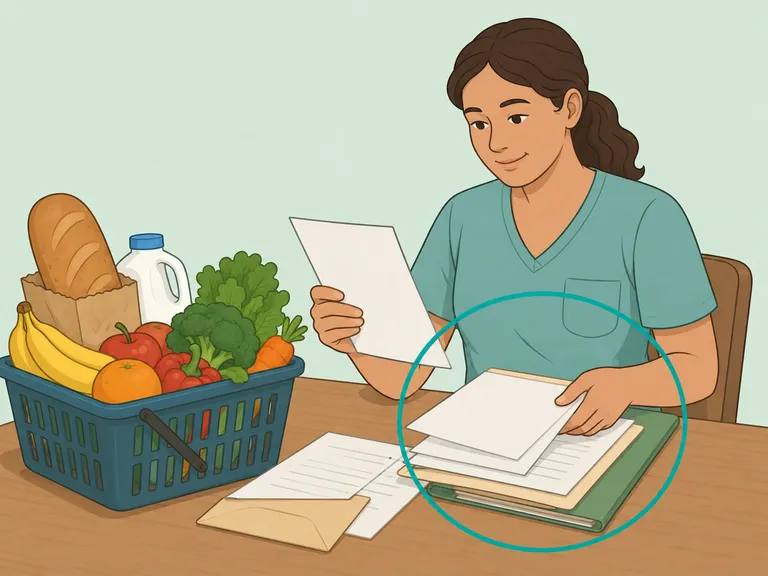
Food programs usually depend on household size, income, and state rules. USDA SNAP eligibility explains that applicants must apply in the state where they live and meet requirements such as income and resource limits.
Review health coverage for children
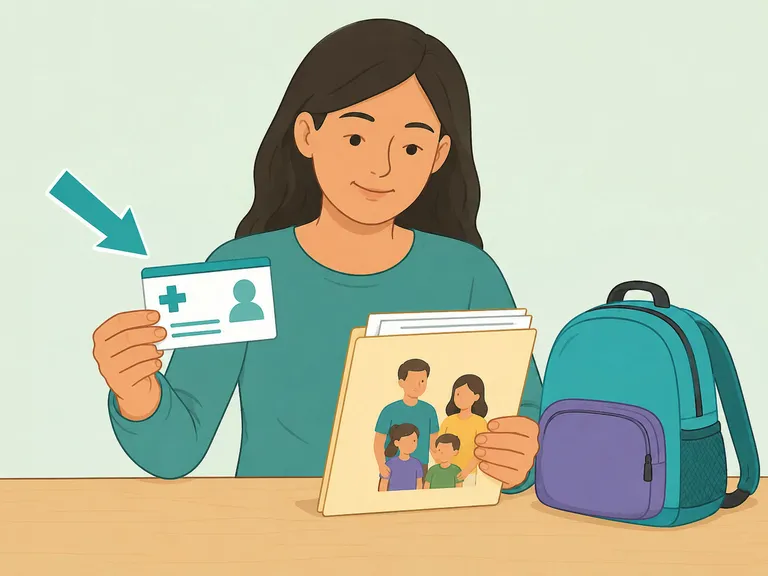
If children need health coverage, check Medicaid and CHIP before assuming a private plan is the only option. HealthCare.gov explains that CHIP may cover children in families that earn too much for Medicaid, and applications can be submitted at any time of year.
Look at tax credits during filing season
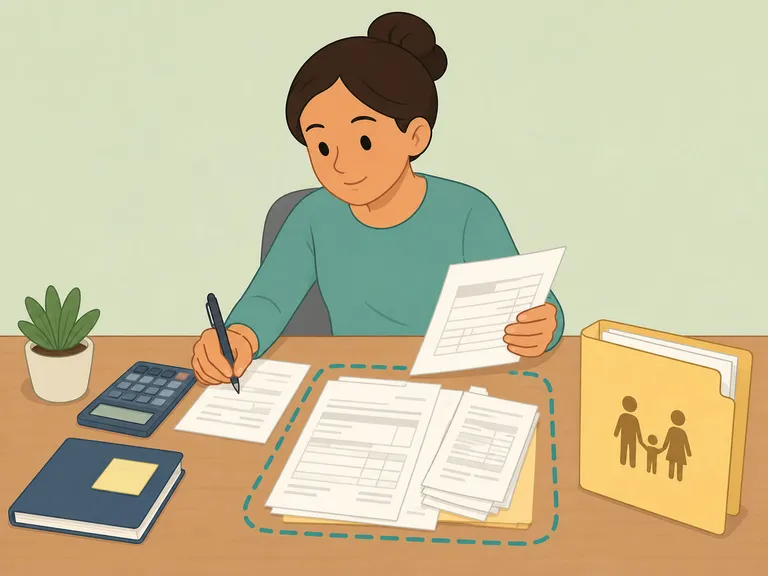
Tax credits are different from monthly benefits, so treat them as part of your tax filing plan rather than day-to-day income. The IRS Child Tax Credit page lists qualifying-child rules and explains that some families may be able to claim the credit even if they do not normally file a return.

Check help for utilities and basic bills
Do not overlook programs that lower expenses instead of sending money directly to you. USAGov lists utility assistance resources, including help with energy, phone, and internet bills, depending on eligibility and local program availability.
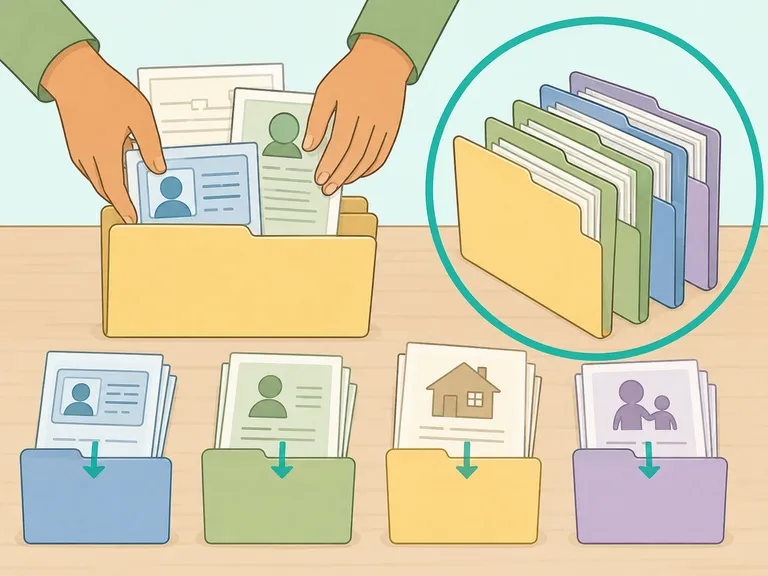
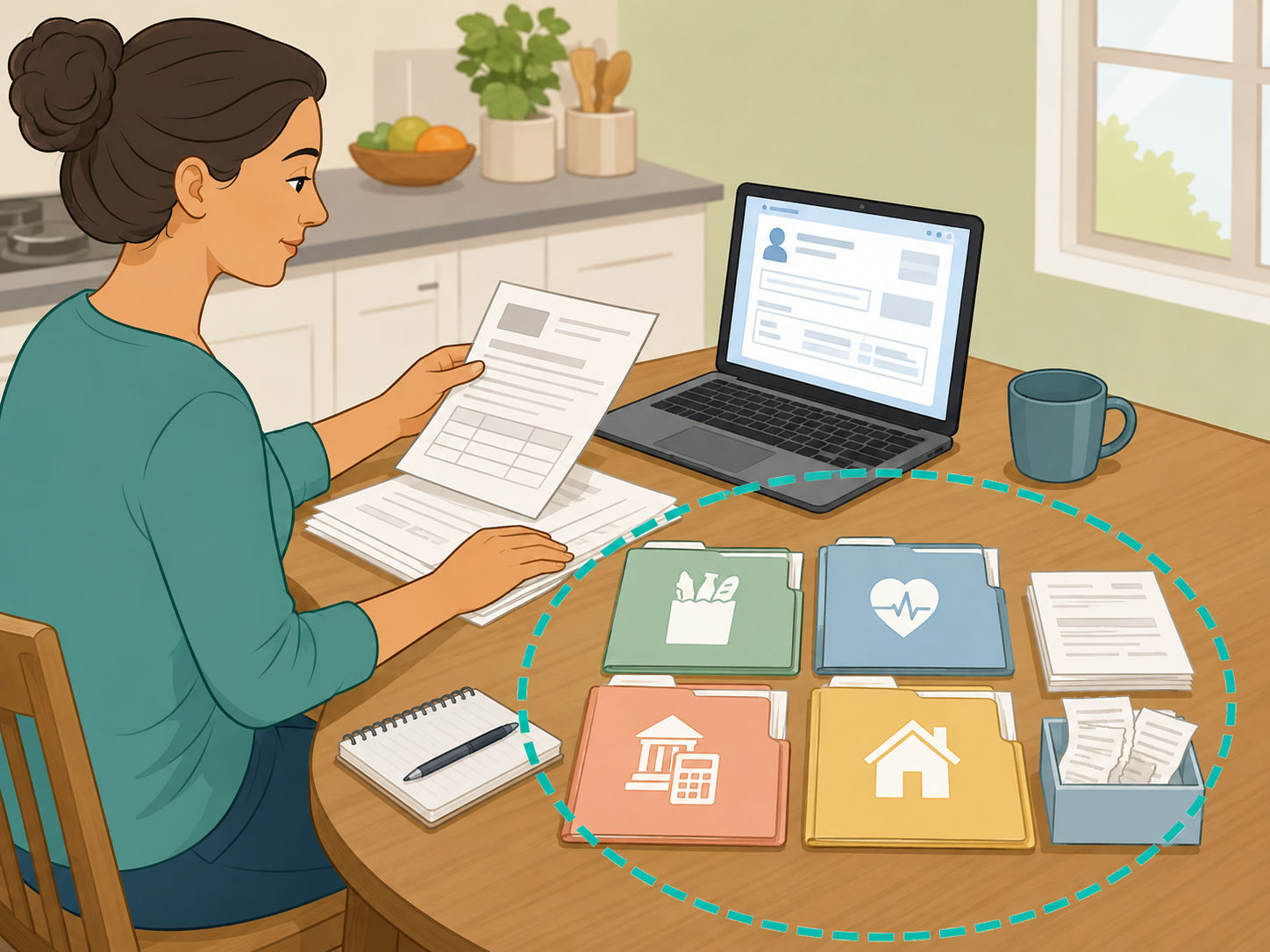
Gather documents before you apply
Prepare proof of identity, address, income, household members, housing costs, utilities, child care expenses, and any agency notices you already have. For SNAP, USDA explains that applicants may need an interview and proof of the information on the application.
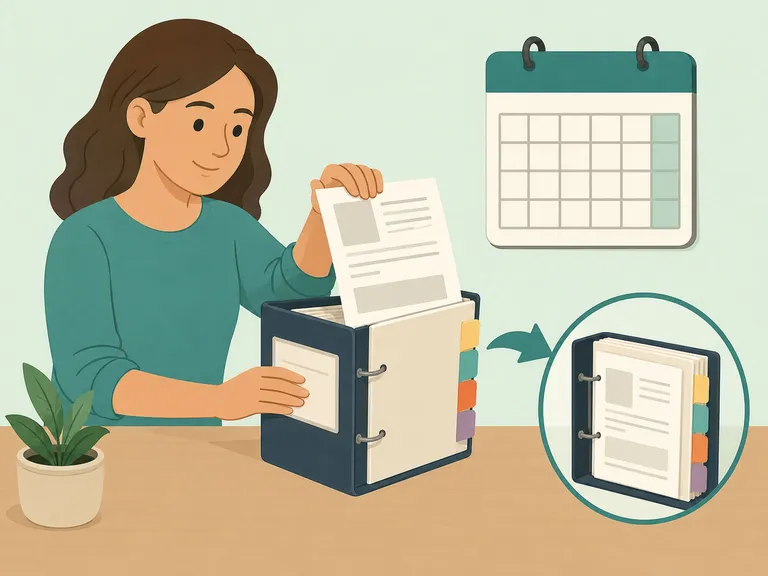
Report changes and keep notices
After approval, read every notice and save it with the date received. Report income, household, address, or expense changes by the deadline your agency gives you, because late updates can lead to overpayments, benefit reductions, or case closure.

Question viral claims before judging a family
A headline about a parent receiving a large annual amount may not show the full picture, including local rules, taxes, rent support, child care payments, or health coverage value. Use official sources like USAGov food assistance information to understand how programs actually work before drawing conclusions.
Article Summary
The bottom line: family benefits are not one single payment, and eligibility depends on the rules for each program. Start with official government sources, keep careful records, apply honestly, and update agencies when your household or income changes.
Frequently Asked Questions
- Are family benefits the same in every country or state?
No. Benefit rules vary by country and, in the United States, often by state. Always check the official agency for the place where you live before assuming you qualify.
- Does having more children automatically mean a family gets more money?
Not automatically. Household size can affect some programs, but income limits, expenses, residency rules, and program caps also matter.
- Can I apply for more than one benefit program?
Yes, many families check several programs, such as food assistance, health coverage, tax credits, and utility help. Each program has its own application and eligibility rules.
- What documents should I keep for benefit applications?
Keep proof of identity, address, income, household members, child care costs, rent or mortgage payments, utilities, and notices from agencies. Store copies where you can find them quickly.
- What should I do if my income changes after I am approved?
Report the change to the agency by the deadline listed in your approval notice. Reporting changes on time helps prevent overpayments and case problems.
- Are viral benefit stories reliable?
Not always. Headlines may leave out location, household details, program rules, or whether the amount is annual, monthly, taxable, or a mix of several benefits.
References
Trusted culinary resources helped guide and refine this article.
- https://www.usa.gov/benefits
- https://www.usa.gov/food-help
- https://www.fns.usda.gov/snap/recipient/eligibility
- https://www.fns.usda.gov/wic
- https://www.irs.gov/credits-deductions/individuals/child-tax-credit
- https://www.healthcare.gov/medicaid-chip/childrens-health-insurance-program
- https://www.usa.gov/help-with-utility-bills