
 Pin this recipe
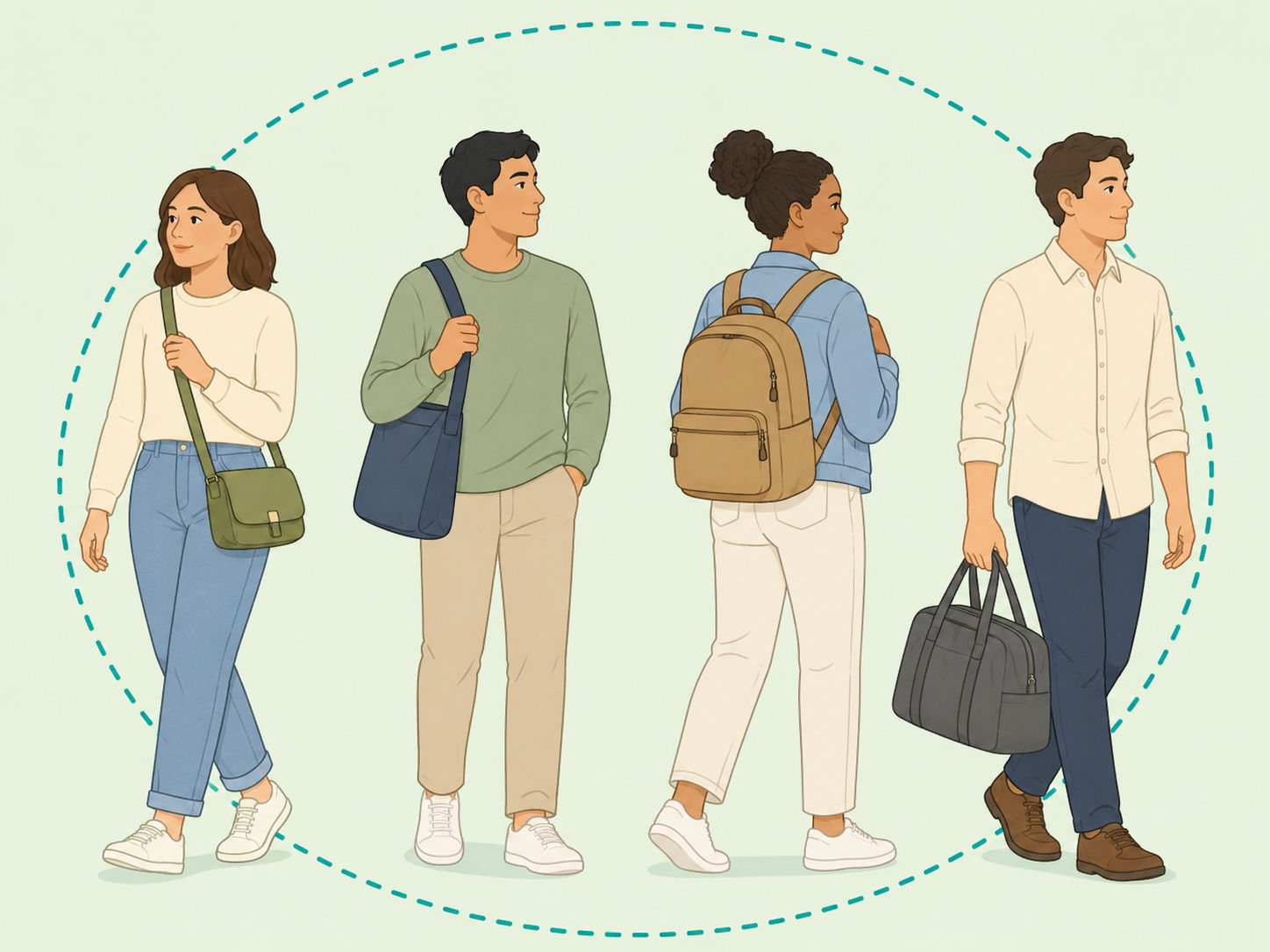
The way someone carries a bag can suggest practical habits, style preferences, or how they want to move through the day. It does not reveal a hidden personality with certainty, so the safest approach is to read it as one small clue among many. This guide shows how to notice bag-carrying patterns without overinterpreting them, while also keeping comfort and posture in mind.
Treat the idea as a clue, not a diagnosis
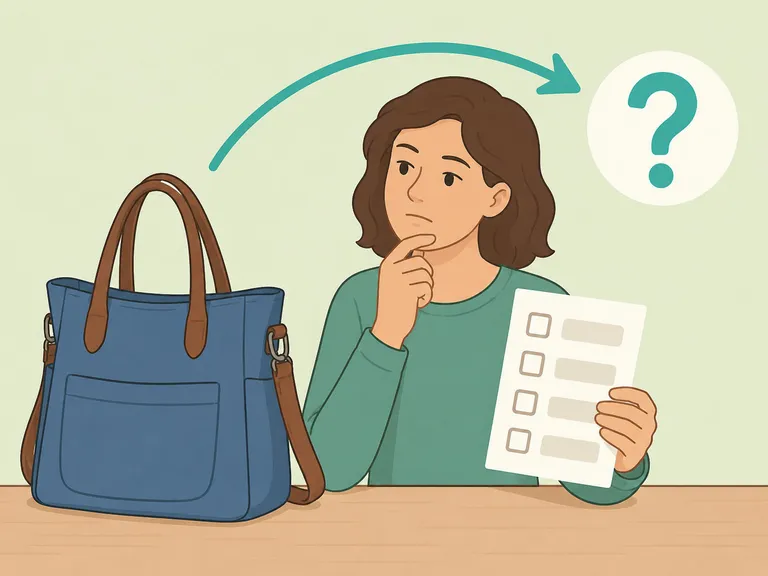
Start with the right frame: personality refers to broader patterns, not a single gesture or accessory choice. Bag-carrying style may reflect comfort, convenience, fashion, safety, or the day's schedule. Avoid saying a style "means" one fixed thing about someone.
Notice whether the carry looks practical or expressive
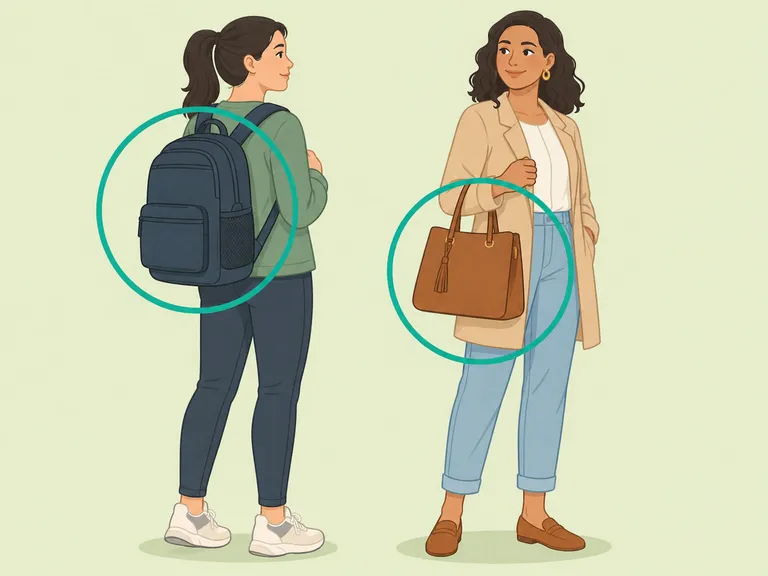
A crossbody bag, backpack, or tightly held tote often points first to practical needs like security, movement, or load. A delicate top-handle bag or arm carry may be more expressive, especially when it is clearly chosen for an outfit. Because nonverbal behavior includes many cues beyond words, read the bag together with posture, pace, facial expression, and context.
Read crossbody carrying as security and ease
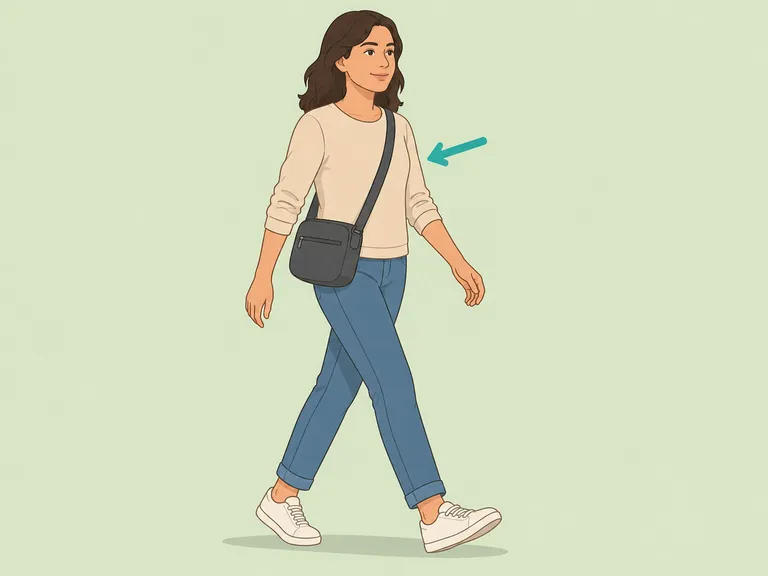
When someone wears a bag across the body, the most likely message is practical: they want both hands free and the bag close. It can suggest independence, efficiency, or caution, but those are interpretations rather than facts. Before judging personality, ask whether the person is commuting, traveling, shopping, or moving through a crowded place.
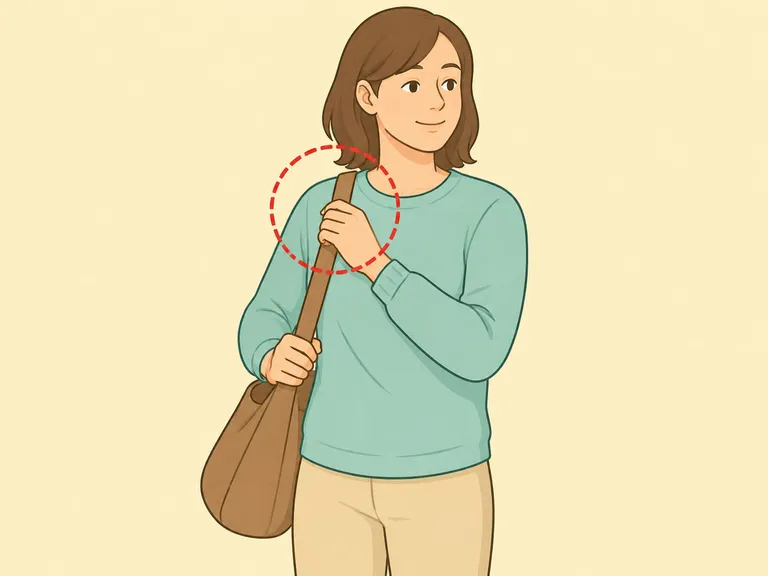
Read a shoulder carry as convenience with a style angle
A bag on one shoulder can look casual, polished, or effortless depending on the bag and outfit. It may suggest someone values quick access to essentials, but it may also be a habit formed by the bag's design. If the bag is heavy, remember that AAOS backpack guidance warns that poorly used or heavy bags can contribute to back, neck, and shoulder pain.
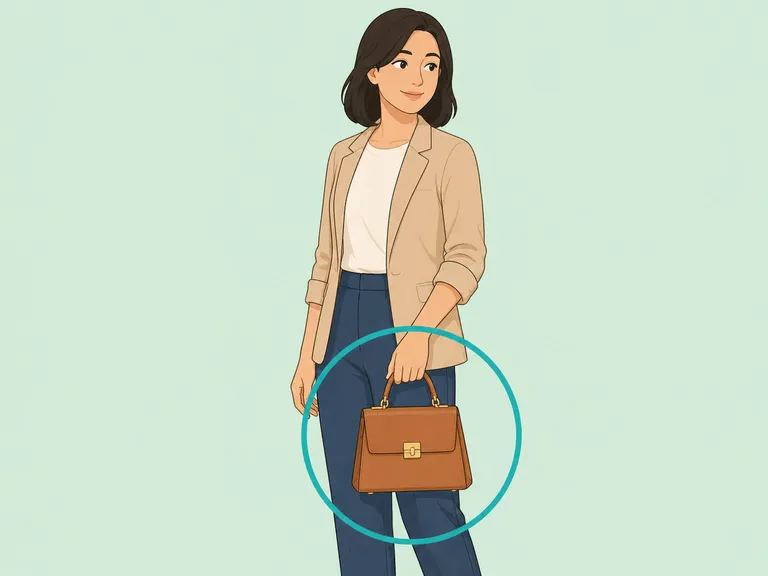
Read an arm or hand carry as intentional presentation
Carrying a structured bag by the handle or in the crook of the arm often creates a more deliberate, dressed-up impression. It may suggest attention to appearance, formality, or control over the outfit's look. Still, research on apparent personality notes that first impressions can be subjective and biased, so do not turn a style choice into a character judgment.
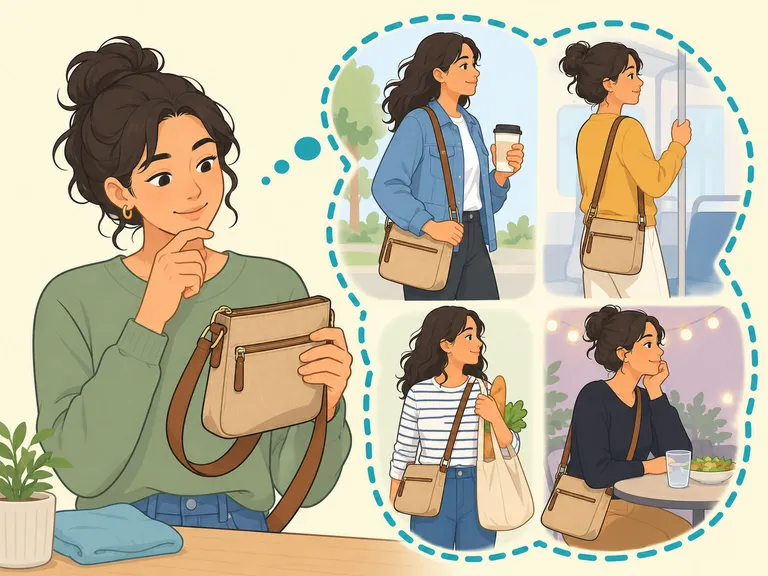
Compare the bag with the person's overall pattern
Look for repeated choices over time instead of one moment. A consistently tidy, compact bag may fit a conscientious routine, while a large, flexible bag may fit a busy or spontaneous routine; the five-factor model is one formal way psychologists describe broad traits, but casual observation is not the same as assessment. The safest wording is "this may suggest" rather than "this proves."
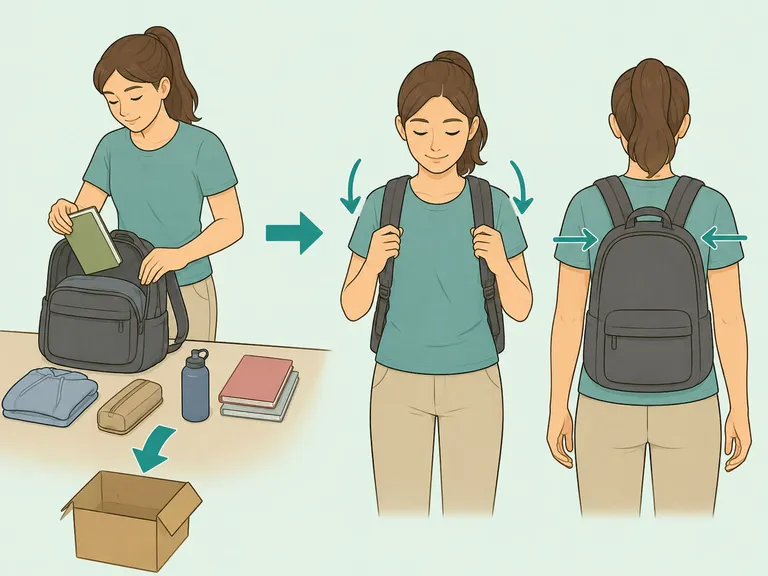
Choose comfort over the message the bag sends
If your own bag style creates strain, change the carry rather than forcing the image. Use two straps on a backpack, keep heavier items low and centered, and tighten straps so the load stays close to your body, which matches orthopedic safety guidance. A confident-looking carry is not worth regular discomfort.
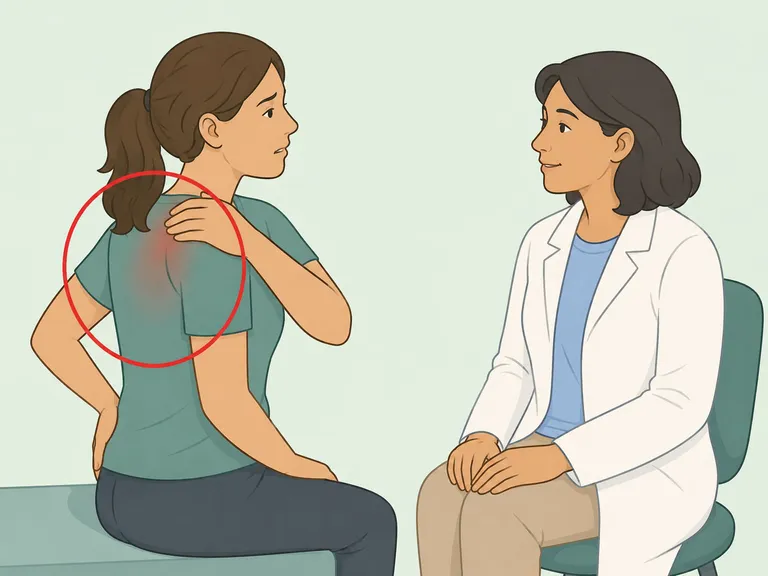
Seek help if carrying a bag triggers pain
See a healthcare professional if bag-related back pain lasts more than a few weeks, is severe, spreads down a leg, or comes with weakness, numbness, tingling, fever, unexplained weight loss, or bowel or bladder changes. Mayo Clinic lists these as reasons to contact a professional or seek urgent care for back pain symptoms. For mild discomfort, lighten the load, switch sides, or choose a better-balanced bag.
Article Summary
The bottom line: a bag can express organization, ease, confidence, or practicality, but it never proves who someone really is. Look for repeated patterns, consider the situation, and choose a carry style that feels comfortable and safe.
Frequently Asked Questions
- Does the way I carry my bag really reveal my personality?
Not exactly. It may suggest habits, preferences, or mood in the moment, but personality is broader and more stable than one accessory habit.
- What does carrying a bag crossbody usually suggest?
It can suggest practicality, security, or a preference for hands-free movement. It can also simply mean the person is commuting, traveling, or carrying something valuable.
- What does carrying a bag in the crook of the arm suggest?
It may look polished or style-conscious, especially with a structured handbag. If the bag is heavy, though, comfort should matter more than the impression it creates.
- Can a messy bag mean someone is disorganized?
It might hint at a spontaneous or overloaded routine, but it is not proof. A person may have a busy day, a small bag, kids' items, work gear, or another practical reason.
- Which bag style is best for posture?
A well-fitted backpack with two wide padded straps distributes weight more evenly than a single-shoulder carry. For any bag, keeping the load light and close to the body usually helps.
- When should I stop using a bag style?
Switch styles or lighten the load if you notice shoulder, neck, arm, or back discomfort. If pain lasts, spreads, causes numbness or weakness, or follows an injury, seek medical advice.
References
Trusted culinary resources helped guide and refine this article.
- https://dictionary.apa.org/personality
- https://dictionary.apa.org/nonverbal-behavior
- https://dictionary.apa.org/five-factor-model
- https://arxiv.org/abs/1804.08046
- https://www.orthoinfo.org/staying-healthy/backpack-safety
- https://www.mayoclinic.org/diseases-conditions/back-pain/symptoms-causes/syc-20369906