
 Pin this recipe
Your phone can often give you enough information to avoid a sales call before you answer. In France, caller ID details are especially useful because commercial prospecting is tied to specific numbering rules, while suspicious calls may still use spoofing or hidden numbers. Use these steps to spot likely telemarketers, avoid risky callbacks, and report repeat unwanted calls.
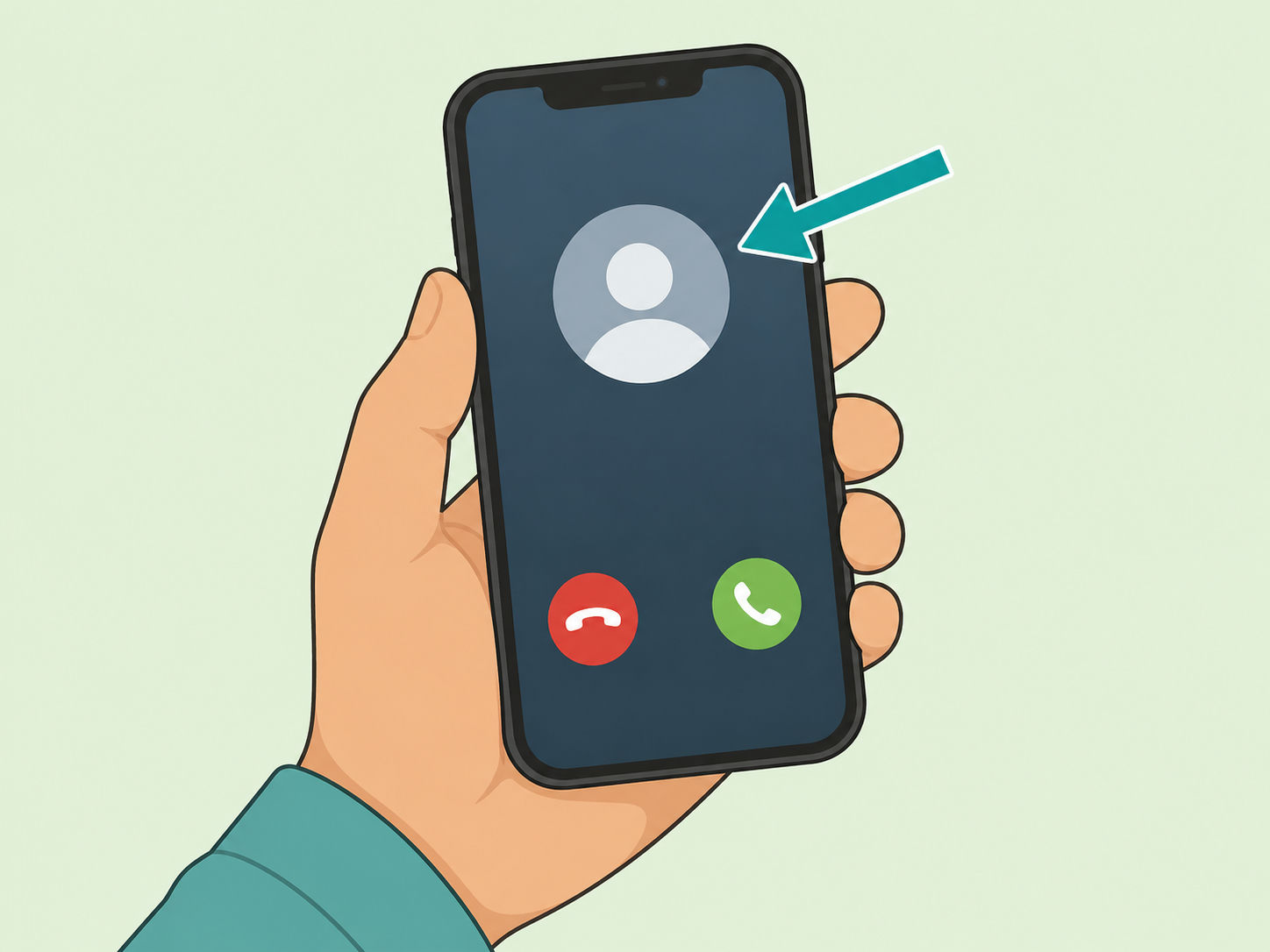
Read the caller ID before touching answer
Pause for a second and look at the full display: a normal number, a hidden or private label, an unknown-caller label, or a spam warning from your phone app. Caller ID is useful, but it is not proof of identity because spoofing is a known problem that French rules such as the 2020 law on fraudulent calls were designed to address.
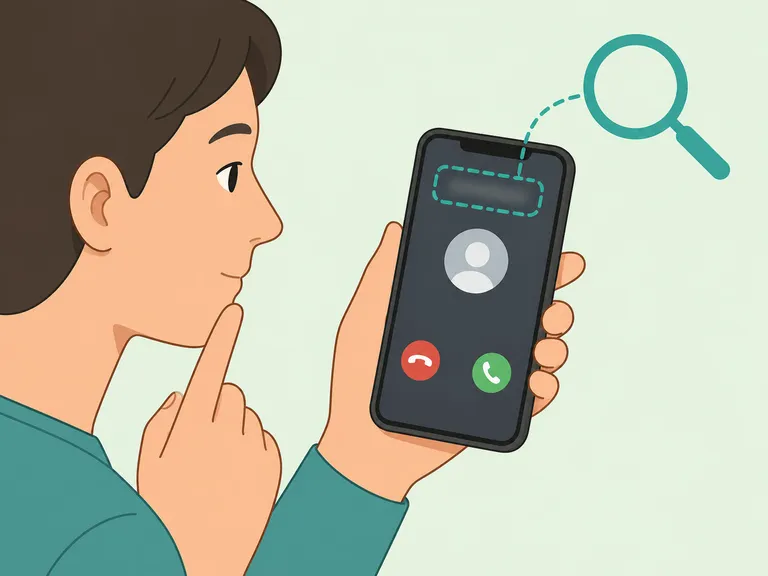
Check the first digits of the number
If a number is visible, focus on the first four digits rather than the whole number. France's telecom regulator reserved specific number ranges for commercial prospecting in its numbering decision, which makes the prefix a practical clue before you answer.
Compare it with the telemarketing prefixes
In mainland France, likely commercial prospecting prefixes include 01 62, 01 63, 02 70, 02 71, 03 77, 03 78, 04 24, 04 25, 05 68, 05 69, 09 48, and 09 49. News explainers and the regulator's numbering rules both point to these dedicated ranges as a way to recognize many sales calls, including common examples such as 09 48 and 01 62 calls.
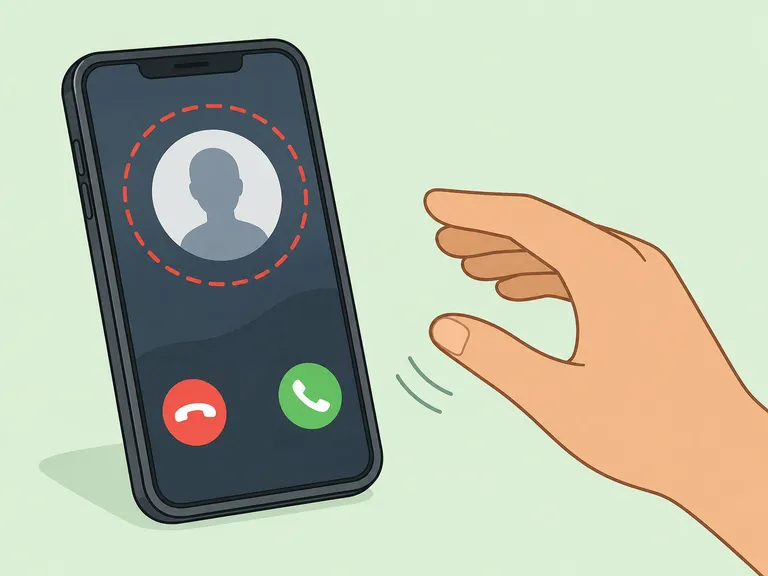
Treat hidden or unknown calls as uncertain
A hidden, private, or unknown caller display is not automatically illegal, but it gives you less information than a visible number. If you are not expecting the call, let it ring out and wait for a voicemail instead of confirming that your number is active.
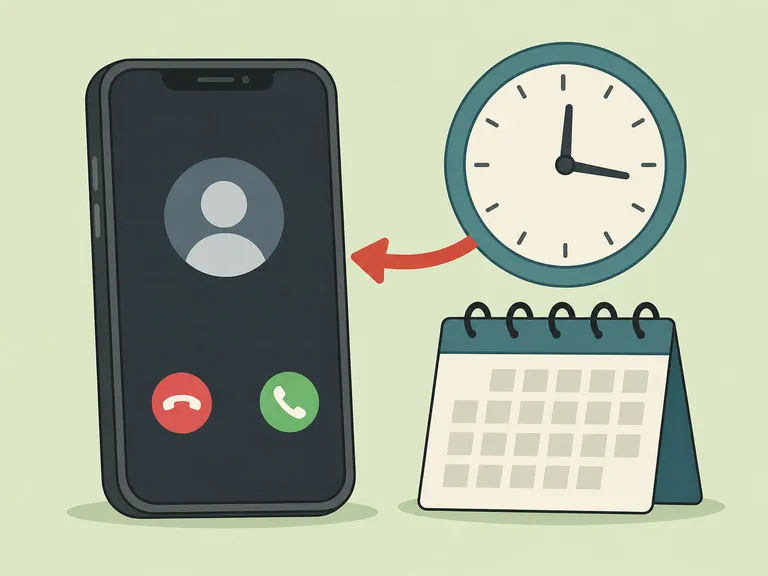
Use the legal calling window as a warning sign
French rules restrict telephone prospecting to set weekday time slots and limit repeated contact, according to the 2022 decree on calling days, hours, and frequency. A sales-style call late at night, on a weekend, or repeatedly from the same organization is a strong reason not to answer.
Let voicemail screen the call
If the prefix looks commercial or the label looks suspicious, do nothing and let the caller leave a message. Legitimate banks, doctors, delivery services, and public agencies can usually leave a clear message or contact you through an official app, email, or customer account.
Avoid pressing keys or calling back blindly
Do not press a number to be removed from a list, confirm personal details, or return a missed call just because the message sounds urgent. The FTC's phone scam guidance recommends being wary of pressure tactics, payment demands, and calls that ask for sensitive information.
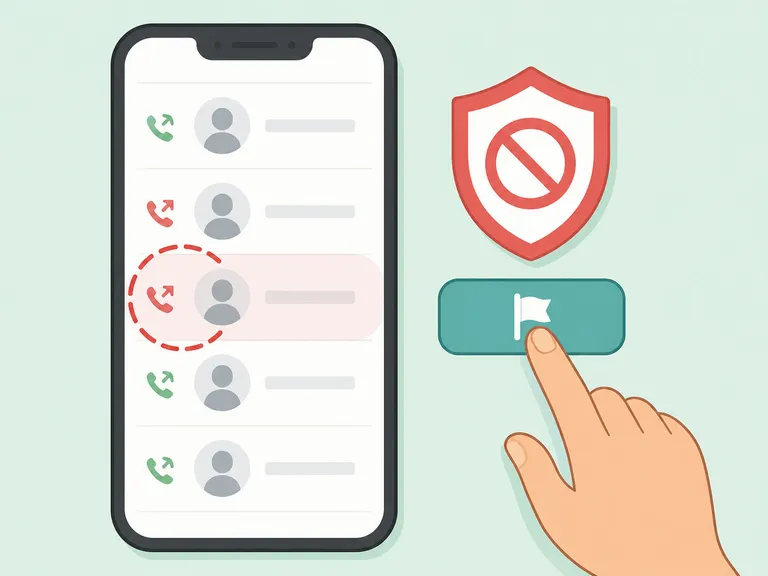
Block and report repeat unwanted calls
Use your phone's recent-calls menu to block numbers that keep calling, then report persistent unwanted prospecting through Bloctel if you are in France. For telecom issues such as suspicious numbering or repeated nuisance calls, you can also use J'alerte l'Arcep to flag the problem.
Watch the 2026 consent rule change
France is moving toward a consent-first model for telephone prospecting, with unsolicited calls set to be more tightly restricted from August 11, 2026, according to coverage of the new consent-based approach. Until that date and after it, the safest habit is the same: use the caller ID detail, let doubtful calls go unanswered, and call organizations back only through official channels.
Article Summary
The bottom line: do not treat caller ID as perfect, but do use it as a first filter. Reserved telemarketing prefixes, unknown labels, out-of-hours calls, and repeated numbers are strong reasons to let the call go to voicemail, block it, or report it.
Frequently Asked Questions
- Does a 09 48 or 09 49 number always mean it is a scam?
No. These prefixes can be used for lawful commercial prospecting, so they are not automatically scams. They do tell you the call is likely commercial, which is enough reason to let it go to voicemail if you do not want sales calls.
- Are telemarketers allowed to call from 06 or 07 mobile numbers in France?
Commercial prospecting platforms are not supposed to use ordinary 06 or 07 mobile numbers for this purpose. Still, scammers can spoof caller ID, so a mobile-looking number is not a guarantee that the call is safe.
- What should I do if the call shows as unknown or private?
If you are not expecting the call, let it go to voicemail. A real caller can usually leave a message or contact you through an official channel.
- Does Bloctel stop every telemarketing call?
No. Bloctel is meant to reduce lawful unwanted sales calls, but it cannot stop every illegal, foreign, spoofed, or scam call. It is still useful to register and to file complaints for repeat unwanted calls.
- Should I call back a suspected telemarketer?
Usually, no. If the call might be important, look up the organization through its official website or your customer account and call that published number instead.
- What changes in August 2026?
France is moving toward a stricter consent-based system for unsolicited telephone prospecting from August 11, 2026. Until then, use caller ID, legal calling windows, Bloctel, and reporting tools together.
References
Trusted culinary resources helped guide and refine this article.
- https://www.arcep.fr/uploads/tx_gsavis/22-1583.pdf
- https://www.legifrance.gouv.fr/loda/id/JORFTEXT000042148119
- https://www.legifrance.gouv.fr/jorf/id/JORFTEXT000046421554
- https://www.bloctel.gouv.fr
- https://jalerte.arcep.fr
- https://www.lemonde.fr/les-decodeurs/article/2025/01/27/d-ou-viennent-les-appels-commencant-par-09-48-ou-01-62-comprendre-les-regles-du-demarchage-telephonique_6242590_4355771.html
- https://www.lemonde.fr/argent/article/2025/05/21/vers-la-fin-du-demarchage-telephonique-non-consenti_6607568_1657007.html
- https://consumer.ftc.gov/articles/phone-scams