
 Pin this recipe
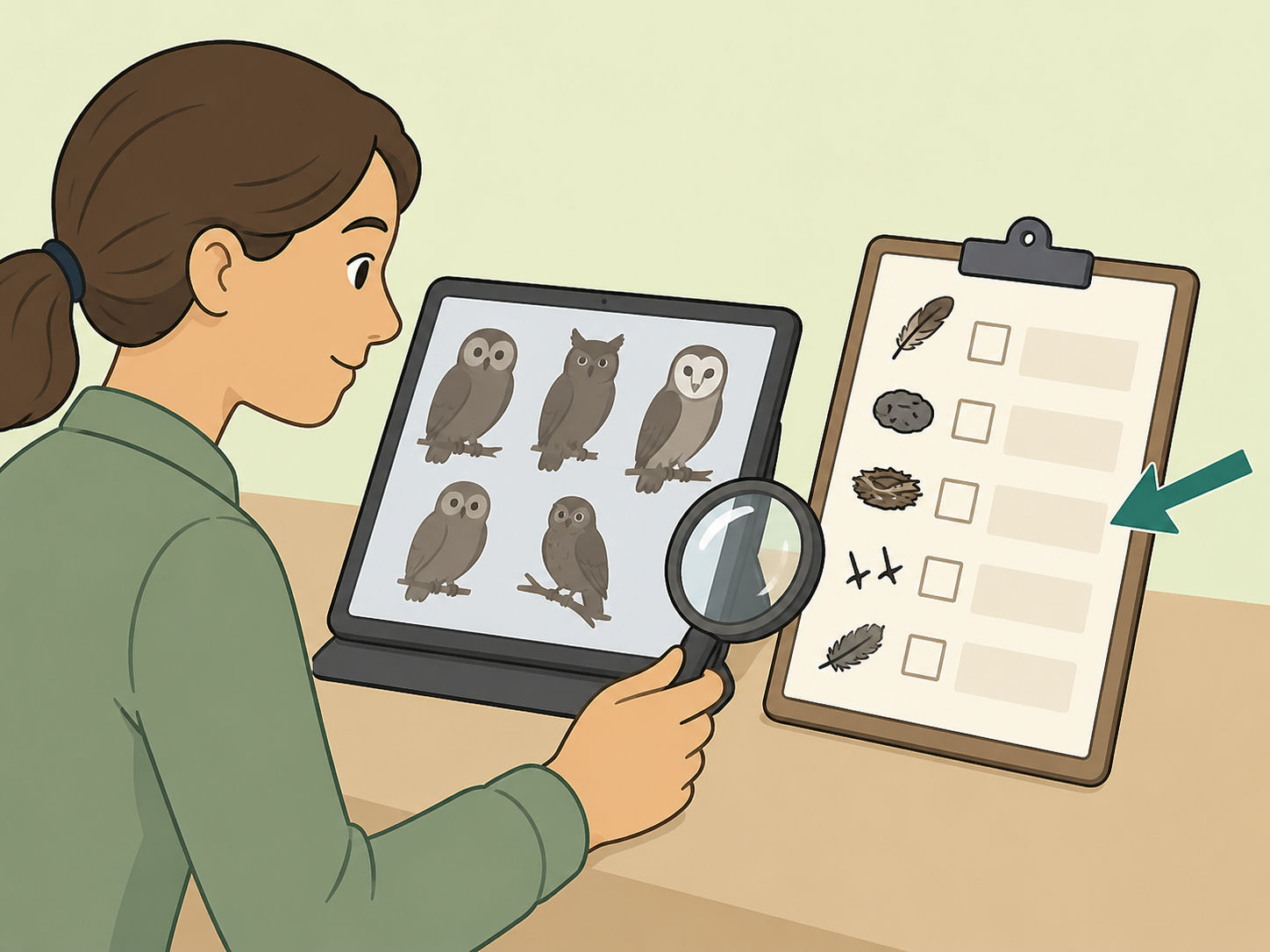
Online owl personality tests often claim that the image you notice first reveals your intelligence or inner traits. These quizzes can be harmless fun, but they are not the same as a validated psychological or intelligence assessment. Use this guide to enjoy them without overreading the result, sharing too much personal information, or using a quiz score for serious decisions.
Treat the owl result as entertainment first
Start by assuming the quiz is a game, not a measurement tool. A real psychological test needs a defined purpose, careful administration, scoring rules, and evidence for how scores should be interpreted, which are core themes in the Standards for Educational and Psychological Testing. If the page simply asks which owl caught your eye, enjoy the answer without letting it label you.
Check whether the test explains its method
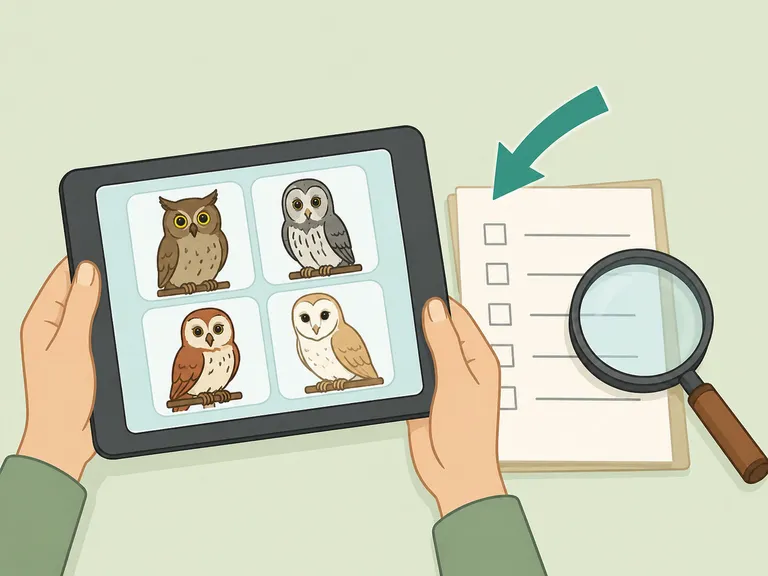
Look for a clear explanation of how the quiz was built, what each answer means, and whether it was tested with real participants. The testing standards emphasize validity, reliability, fairness, scoring, and documentation, so a quiz with no method section is not giving you enough information to trust a strong claim. Treat labels like "ultra-precise" as marketing unless evidence is shown.
Separate personality language from intelligence claims
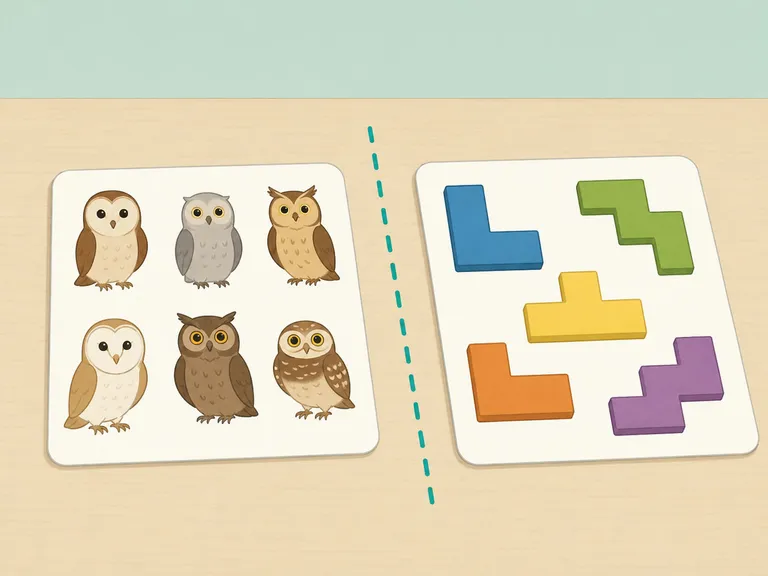
A personality result and an intelligence result are not the same thing. The APA defines an intelligence test as a test designed to measure aspects of intellectual functioning, while personality assessment concerns patterns of behavior, emotion, and traits. Choosing a calm-looking owl may suggest a theme for reflection, but it cannot prove that you are highly intelligent.
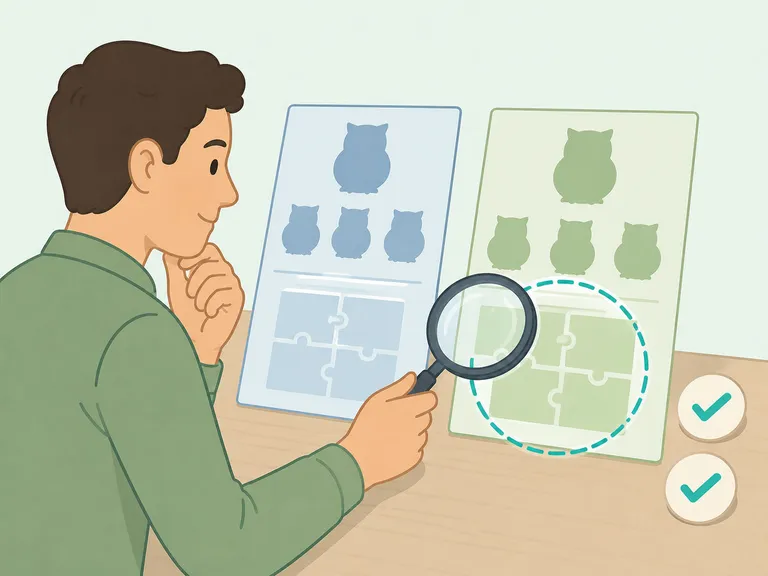
Look for reliability and validity evidence
Before taking any result seriously, ask whether the quiz would give similar results if you took it again and whether it actually measures what it claims to measure. Professional test guidance treats reliability and validity as evidence-based questions, not as slogans. If the quiz has no published evidence, use it as a prompt for self-reflection rather than as a fact about your mind.
Watch for vague flattering statements
Be cautious when a result says you are "deep," "secretly brilliant," or "misunderstood" without tying that claim to meaningful evidence. The APA Dictionary describes the Barnum effect, where broad personality descriptions can feel personally accurate because they fit many people. A useful result should be specific enough to check against real behavior.
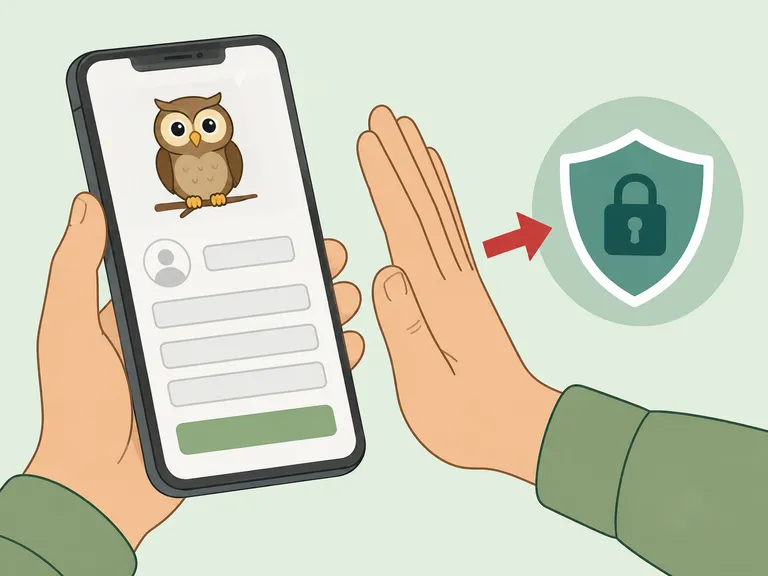
Protect your personal data before taking a quiz
Skip quizzes that ask for sensitive details, social media login access, contacts, location, or security-question-style answers. The FTC has warned that major social and video platforms collect and use large amounts of user data, so a casual quiz is still worth treating with privacy caution. If you cannot tell who runs the quiz or how your answers are used, close the page.
Use real assessments only for real decisions
Do not use an owl quiz result to make decisions about school placement, hiring, medical care, relationships, or self-worth. A real personality assessment is interpreted in context and is not the same as a viral image choice. For serious questions, rely on qualified professionals and multiple sources of information.
Ask for professional guidance if concerns persist
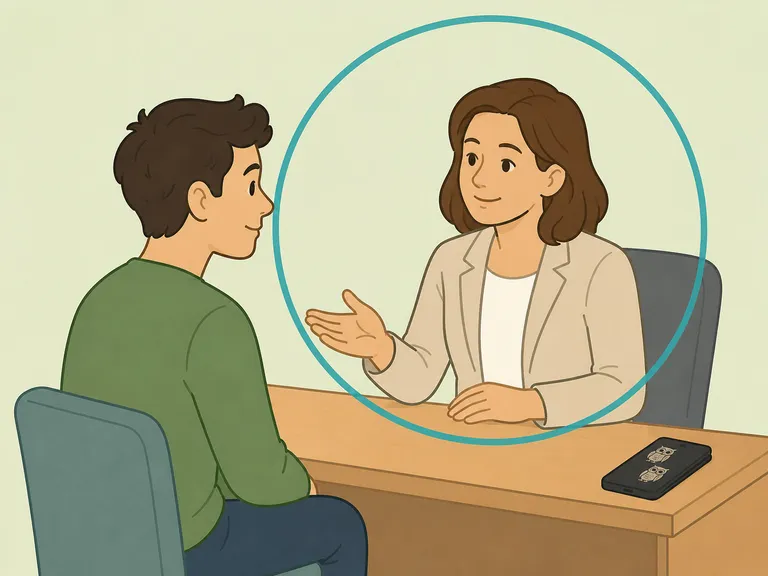
If you are worried about learning, attention, memory, communication, or daily functioning, talk with a doctor, school psychologist, licensed psychologist, or other qualified professional. MedlinePlus notes that learning disabilities are not about how smart someone is and that evaluation can include health, family, intellectual, and school-performance information. A quiz can start a conversation, but it cannot diagnose or rule out a concern.
Article Summary
The bottom line: an owl image quiz can be entertaining, but it should not label your intelligence or guide major choices. Look for real evidence, protect your privacy, and seek qualified help when learning, attention, or daily-functioning concerns are real.
Frequently Asked Questions
- Can an owl image test really measure my intelligence?
No. A visual preference quiz may be entertaining, but it is not a standardized intelligence test and should not be treated as proof of IQ or ability.
- Why do these quiz results feel so accurate?
Many quiz results use broad, flattering descriptions that can fit many people. This can make a result feel personal even when it was not based on a strong measurement method.
- Is it okay to share my result on social media?
It is usually fine if the result is harmless and does not reveal private details. Avoid sharing answers that include birthdays, family names, school names, pet names, or other information that could be used to identify you.
- What should a more serious personality test include?
A serious test should explain what it measures, who it was designed for, how it is scored, and what evidence supports its reliability, validity, and fairness.
- Can a personality quiz help me choose a career?
Use it only as a conversation starter. For school, career, or workplace decisions, rely on multiple sources of information, such as skills, interests, experience, feedback, and qualified career guidance.
- When should I talk to a professional instead of taking quizzes?
Talk to a qualified professional if you or your child has ongoing trouble with learning, attention, memory, communication, work, school, or daily tasks. Online quiz results are not a diagnosis.
References
Trusted culinary resources helped guide and refine this article.
- https://www.testingstandards.net/open-access-files.html
- https://www.testingstandards.net/uploads/7/6/6/4/76643089/standards_2014edition.pdf
- https://dictionary.apa.org/intelligence-test
- https://dictionary.apa.org/personality-assessment
- https://dictionary.apa.org/barnum-effect
- https://medlineplus.gov/learningdisabilities.html
- https://www.ftc.gov/reports/look-behind-screens-examining-data-practices-social-media-video-streaming-services