
 Pin this recipe
Wales has been described as moving toward a world-first system for holding politicians to account when they deliberately mislead voters. The details matter: Wales is a devolved country in the UK, the Senedd makes Welsh laws, and the proposals focus on deliberate false statements rather than ordinary political disagreement. This guide shows you how to read the claim carefully and follow what the rules would actually do.
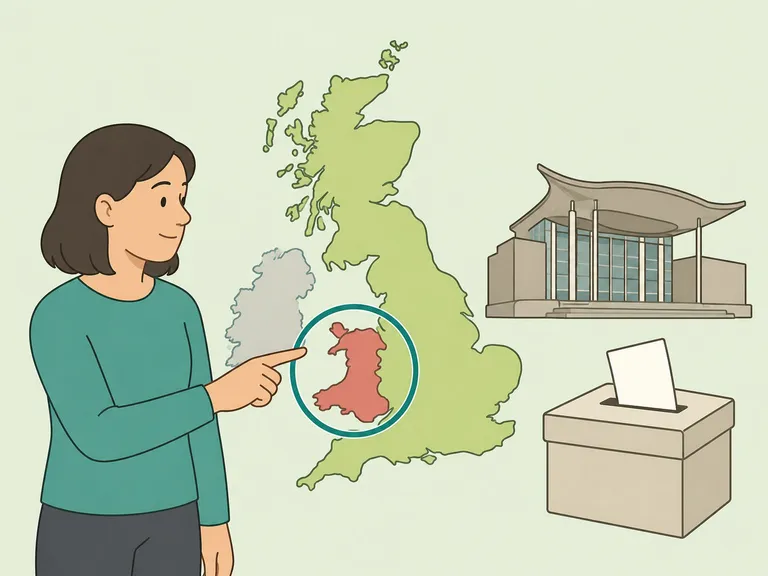
Confirm that the claim is about Wales and the Senedd
Start by checking whether the story refers to Wales's devolved parliament, not the UK Parliament at Westminster. The Senedd says its role is to make laws, set some taxes, and oversee the Welsh Government, so a Welsh rule may be significant without applying across the whole UK.
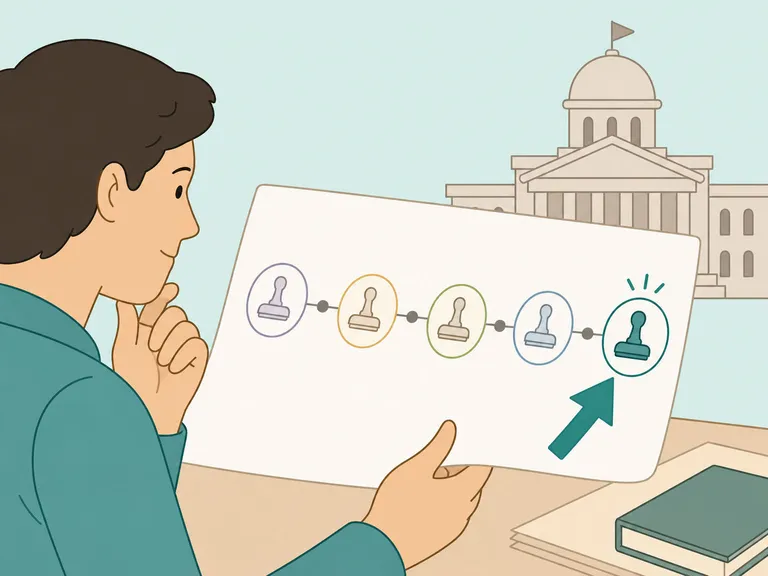
Check the lawmaking stage before calling it active law
A proposal is not the same thing as an enforceable law. The Senedd explains that a Bill becomes an Act only after Senedd approval and Royal Assent, so look for the exact bill, final vote, Royal Assent, and start date before saying the rule is already in force.
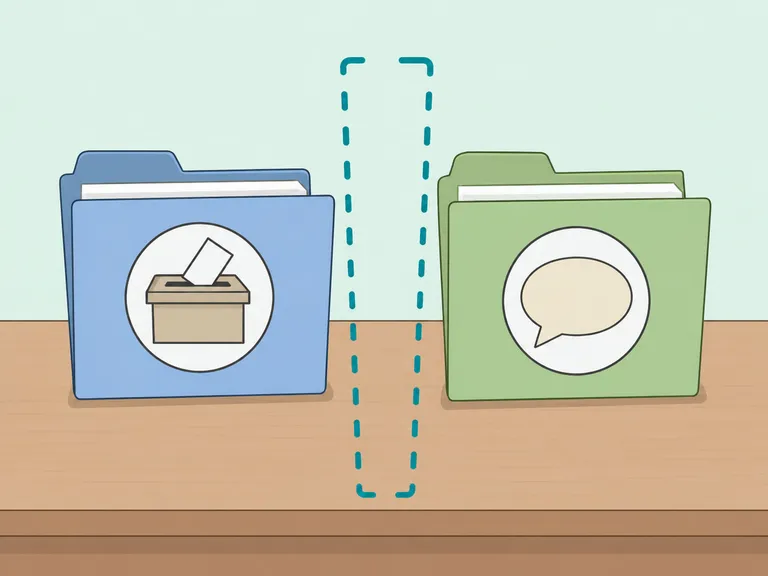
Separate electoral reforms from lying rules
Do not mix up different Welsh democracy reforms. The Welsh Government's 2024 electoral reform announcement described automatic voter registration, a voter information platform, diversity measures, and election administration changes; the deliberate-deception issue has its own details and should be checked separately.
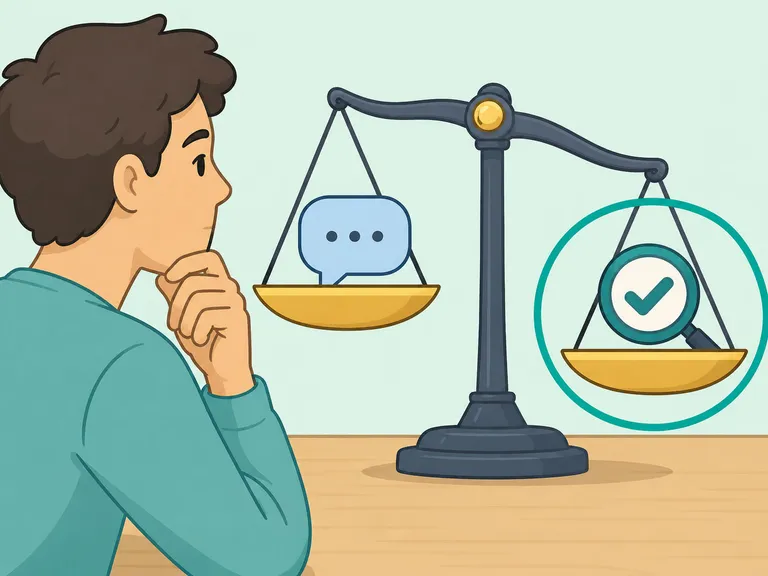
Look for the legal test of deliberate deception
The key question is not whether a politician was wrong, exaggerated, or made a promise that later failed. Reporting on the Welsh Government commitment described a plan for members or candidates found guilty of deliberate deception through an independent process, so focus on intent, factual falsity, and the process used to prove it.
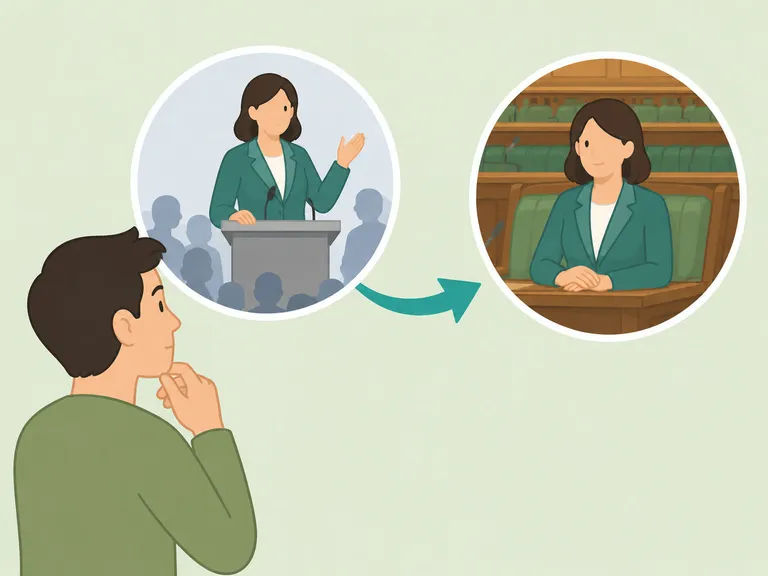
Identify who would be covered
Check whether the rule is aimed at election candidates, sitting Members of the Senedd, or both. Later reporting on the standards committee proposals said candidates could face election-law consequences for false statements made to win votes, while sitting members could face strengthened Senedd code of conduct rules.
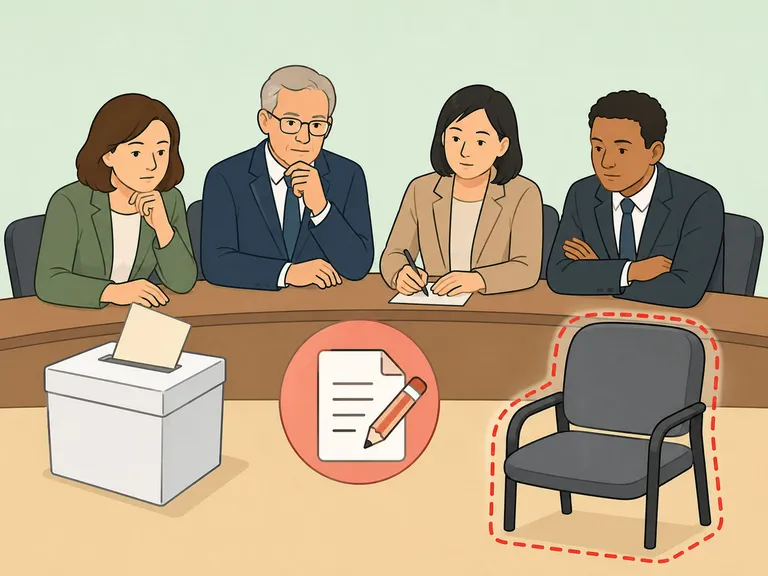
Describe the possible consequences carefully
Use cautious wording such as "could face removal" unless a final decision has actually happened. The standards committee proposals reported in 2025 included correction, publication of a correction on a member profile, suspension, and in extreme cases recall or removal, but those are process-based outcomes rather than automatic punishment.

Follow official updates instead of viral summaries
When the claim appears in a headline or social post, compare it with official Senedd records. The Senedd bill history page shows how Welsh legislation moves through stages, votes, publication, and Royal Assent, which is the kind of record you need before sharing a firm conclusion.
Article Summary
The bottom line: treat the Wales story as a serious accountability measure about deliberate deception, not a simple ban on every wrong political statement. Check the Senedd stage, the exact wording, who is covered, and whether any sanction has been decided by the proper process.
Frequently Asked Questions
- Is Wales a country or just a region of the UK?
- Wales is a country within the United Kingdom. The Senedd is the Welsh Parliament and can make laws in devolved areas that affect Wales.
- Does this mean every political lie in Wales is automatically a crime?
- No. The reported proposals focus on deliberate or wilful deception, especially false factual statements connected to elections or official conduct. Ordinary mistakes, opinions, and disputed predictions are different issues.
- Would a politician instantly lose office if someone says they lied?
- No. Removal from office would require a formal process. Reports described possible correction, suspension, recall, or removal only after the relevant rules and procedures are applied.
- Does the Wales measure apply to UK MPs at Westminster?
- The Wales proposals discussed here concern Senedd members, Senedd candidates, and Welsh election rules. They do not automatically change rules for UK Parliament elections unless separate UK legislation does that.
- Why is the policy called world-first?
- Supporters and reporting have described it as globally pioneering because it aims to create formal consequences for deliberate political deception. Before repeating that phrase, check the final legal text and whether the measure is in force.
- How can I track the latest status?
- Use official Senedd and Welsh Government pages first, then compare reputable news coverage. Look for the bill name, voting stage, Royal Assent date, and commencement date rather than relying on a social media summary.
References
Trusted culinary resources helped guide and refine this article.
- https://senedd.wales/how-we-work/our-role
- https://senedd.wales/senedd-business/legislation/guide-to-the-legislative-process
- https://business.senedd.wales/mgIssueHistoryHome.aspx?IId=41986
- https://www.gov.wales/new-law-modernises-welsh-democracy
- https://www.theguardian.com/politics/article/2024/jul/02/welsh-government-commits-to-making-lying-in-politics
- https://www.theguardian.com/politics/2025/feb/18/politicians-deliberately-lie-could-forced-from-office-wales