
 Pin this recipe
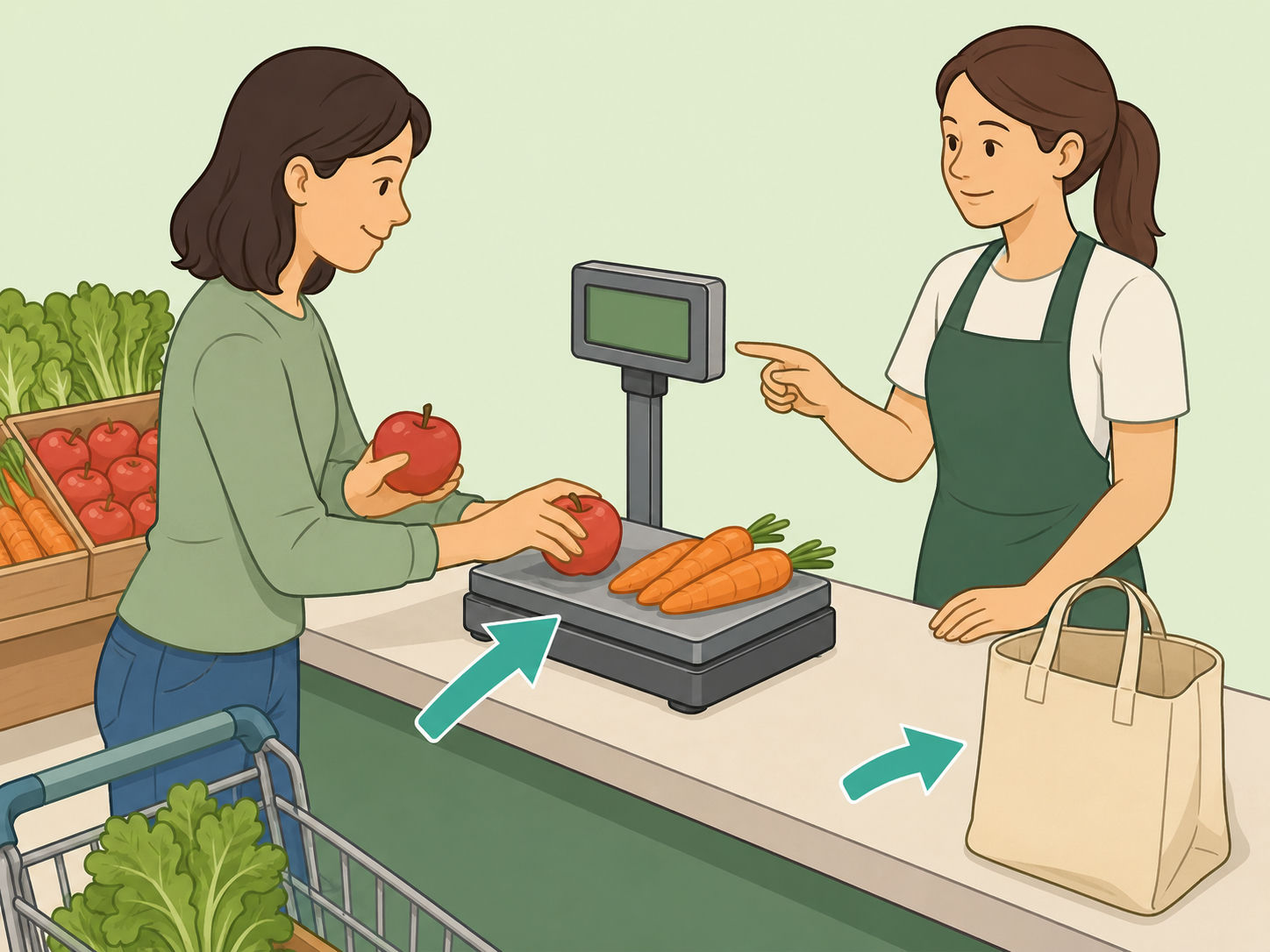
Fruits and vegetables sold by weight can quietly cost more than you expect, especially when you overbuy or pay for extra packaging. The best cashier-style trick is not a scam: it is learning how the scale, unit price, and tare weight work. This guide shows you legal ways to pay accurately and waste less.
Check the unit price before you bag anything
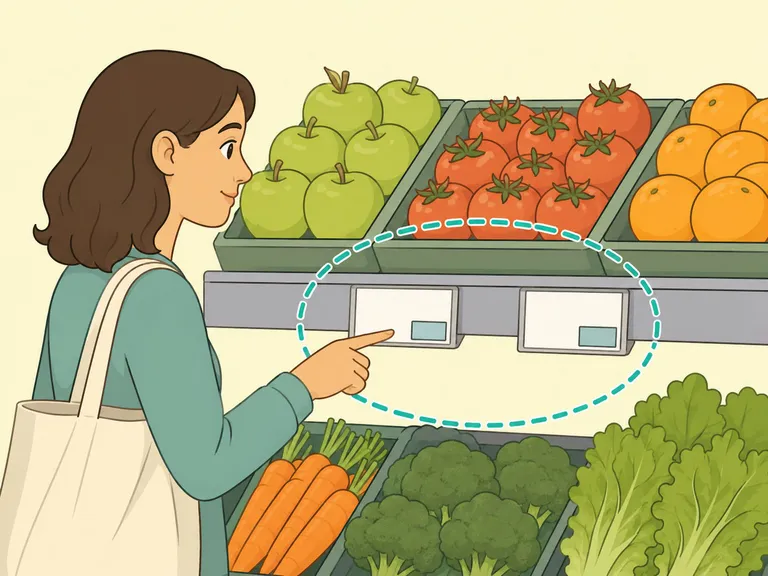
Look at the price per pound, per ounce, or per item before you choose. Unit pricing is meant to help shoppers compare total price and measured quantity, and some consumer agencies require stores to display it clearly, as Connecticut explains in its unit pricing guidance. If the sign is missing or confusing, ask an employee before you fill the bag.
Weigh produce before adding extra packaging
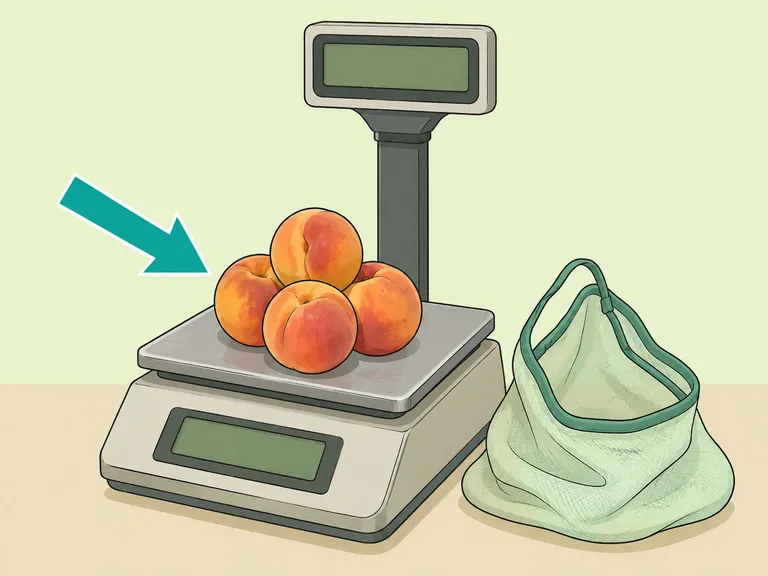
If the store has a produce scale, weigh loose items before adding a heavy reusable bag, twist tie, or container. Commercial scales are part of a fair marketplace because they help buyers pay for the measured product, as the New York Department of Agriculture and Markets notes in its weights and measures program. A thin store produce bag usually matters little, but a cloth bag or plastic box can add avoidable weight.
Ask for tare instead of guessing at checkout
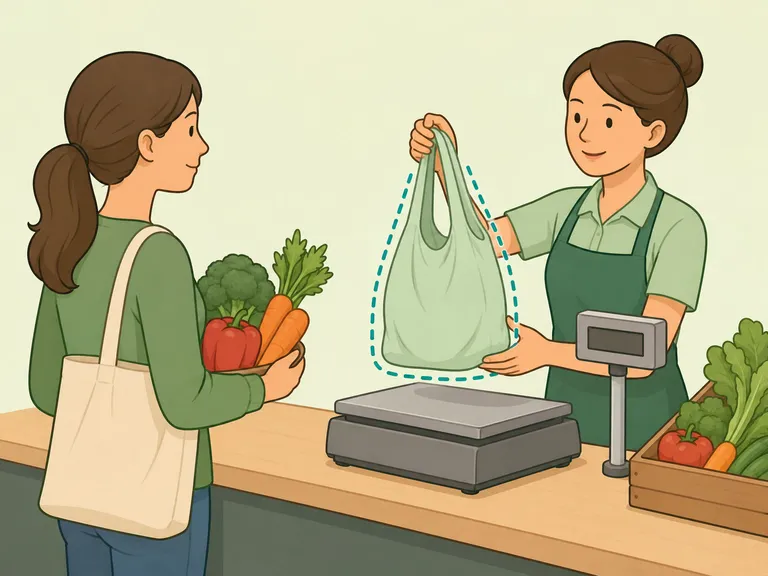
Tare means subtracting the container weight so the scale charges only for the food. Cashiers often know whether their register can handle reusable bags, deli containers, or store-approved containers. Do not press random scale buttons or enter a lower weight yourself; ask for help and follow the store policy.
Buy only the amount you will use
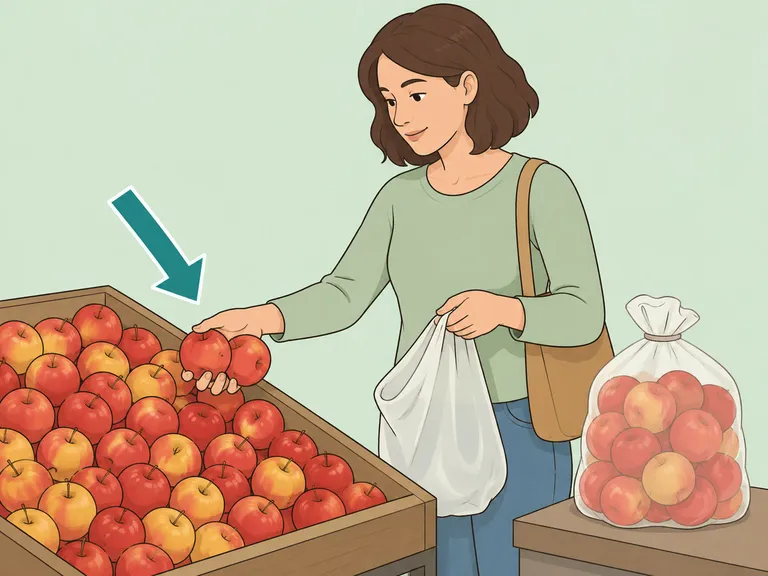
For produce sold by weight, every extra handful raises the price and can become waste later. The EPA recommends planning meals, checking what you already have, and buying only what you expect to use in its guide to preventing wasted food at home. A smaller bag of apples you finish is usually cheaper than a larger bag that spoils.
Choose seasonal produce when prices are high
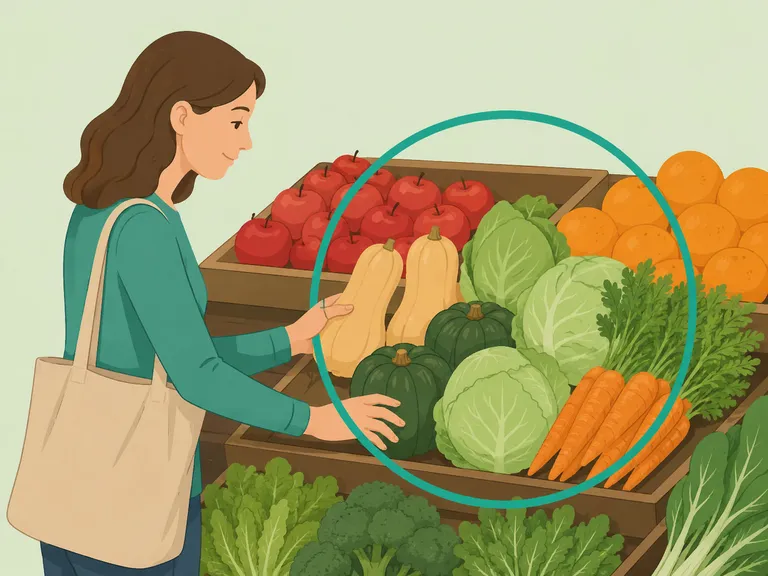
When a fruit or vegetable is out of season, compare it with a seasonal option before you commit. USDA SNAP-Ed says seasonal availability varies by growing conditions and weather, and its seasonal produce guide can help you spot better-timed choices. Swapping berries for oranges, apples, cabbage, or squash at the right time of year can lower the price per serving.
Compare loose, packaged, frozen, and canned options
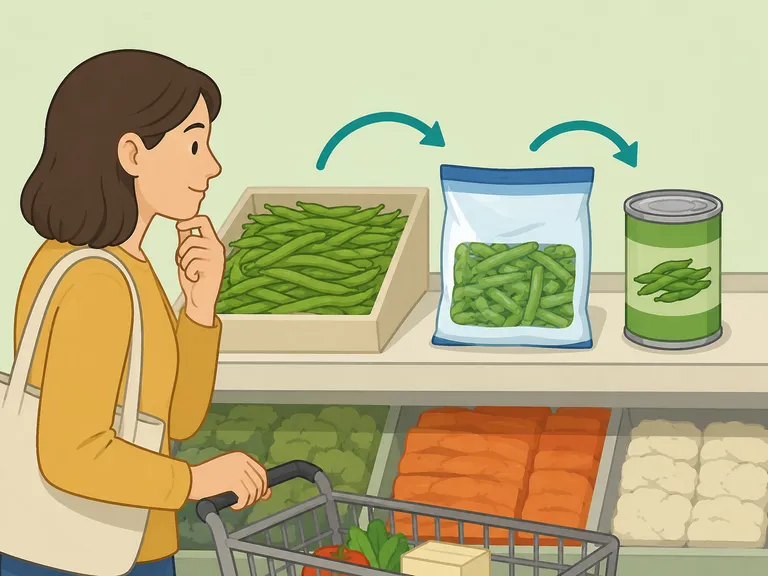
Loose produce is not always the cheapest, especially when a bagged, frozen, canned, or dried option is on sale. USDA SNAP-Ed notes that fresh, frozen, canned, and dried fruits and vegetables can all help you make every bite count in the same produce guide. Compare the usable amount, not just the package price.
Inspect produce so you do not pay for waste
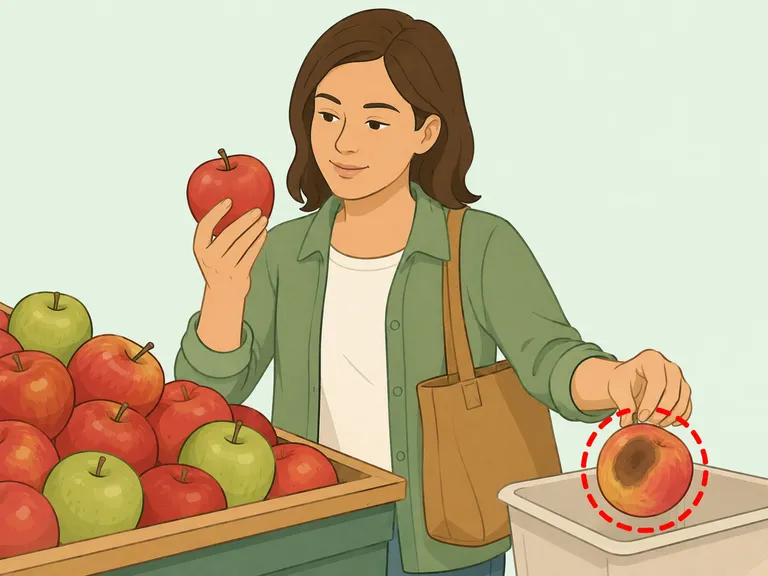
Skip items that are badly bruised, damaged, moldy, or leaking, because you may throw away part of what you paid for. The FDA advises shoppers to choose produce that is not bruised or damaged and to keep pre-cut produce refrigerated or on ice in its produce safety guidance. A slightly odd shape is fine; spoilage is not a bargain.
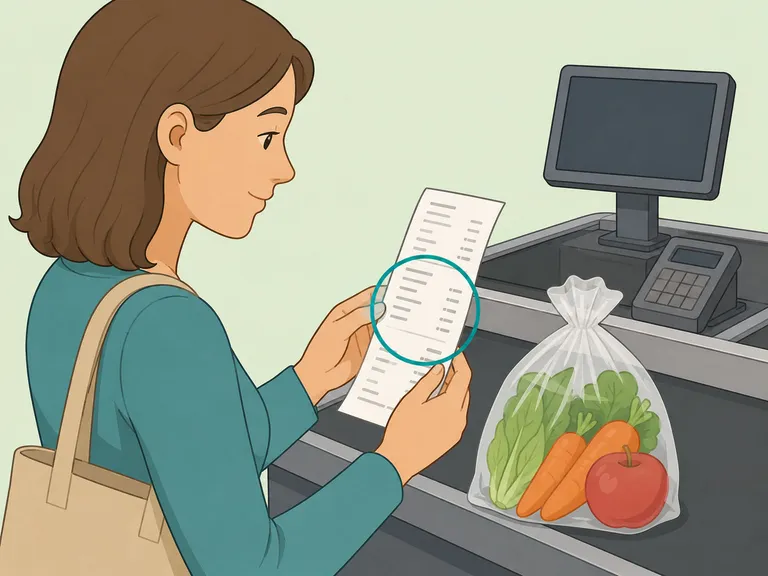
Check the receipt before you leave
Look for the correct produce name, price per pound, and weight on your receipt. If the scale, shelf tag, or register price seems wrong, ask customer service to correct it while you are still in the store. For repeated problems, many states and localities have weights and measures offices that handle questions or complaints about inaccurate measuring devices.
Article Summary
The bottom line: pay attention before the produce reaches the register. A quick unit-price check, a tare request for reusable bags, and a realistic amount in your cart can lower your produce bill without bending store rules.
Frequently Asked Questions
- Is it legal to ask for the bag weight to be removed?
- Yes, if the store can tare the scale or has a policy for reusable produce bags. Ask the cashier politely before weighing instead of trying to adjust the scale yourself.
- Can I remove stems, leaves, or tops before weighing produce?
- Only do this when the item is sold loose by weight and the store allows it. Do not open sealed packages, remove parts from bundled items, or change how a store sells the product.
- What is the fastest way to compare produce prices?
- Look for the unit price, usually shown as price per pound or per item. If a packaged option and a loose option use different units, divide the total price by the weight so you can compare them fairly.
- Are bulk produce deals always cheaper?
- Not if the extra food spoils before you eat it. Bulk deals save money only when your household can use or preserve the whole amount.
- Should I buy imperfect produce?
- Minor cosmetic flaws are often fine, and some stores discount imperfect produce. Avoid produce that is rotten, badly bruised, moldy, or leaking.
- What should I do if my receipt shows the wrong produce price?
- Go to customer service with the receipt and the shelf or scale price if you can. Ask for a correction, and contact your local weights and measures office if inaccurate charges keep happening.
References
Trusted culinary resources helped guide and refine this article.
- https://portal.ct.gov/dcp/common-elements/consumer-facts-and-contacts/unit-pricing
- https://agriculture.ny.gov/weights-measures
- https://snaped.fns.usda.gov/resources/nutrition-education-materials/seasonal-produce-guide
- https://www.epa.gov/recycle/preventing-wasted-food-home
- https://www.fda.gov/food/buy-store-serve-safe-food/selecting-and-serving-produce-safely