
 Pin this recipe
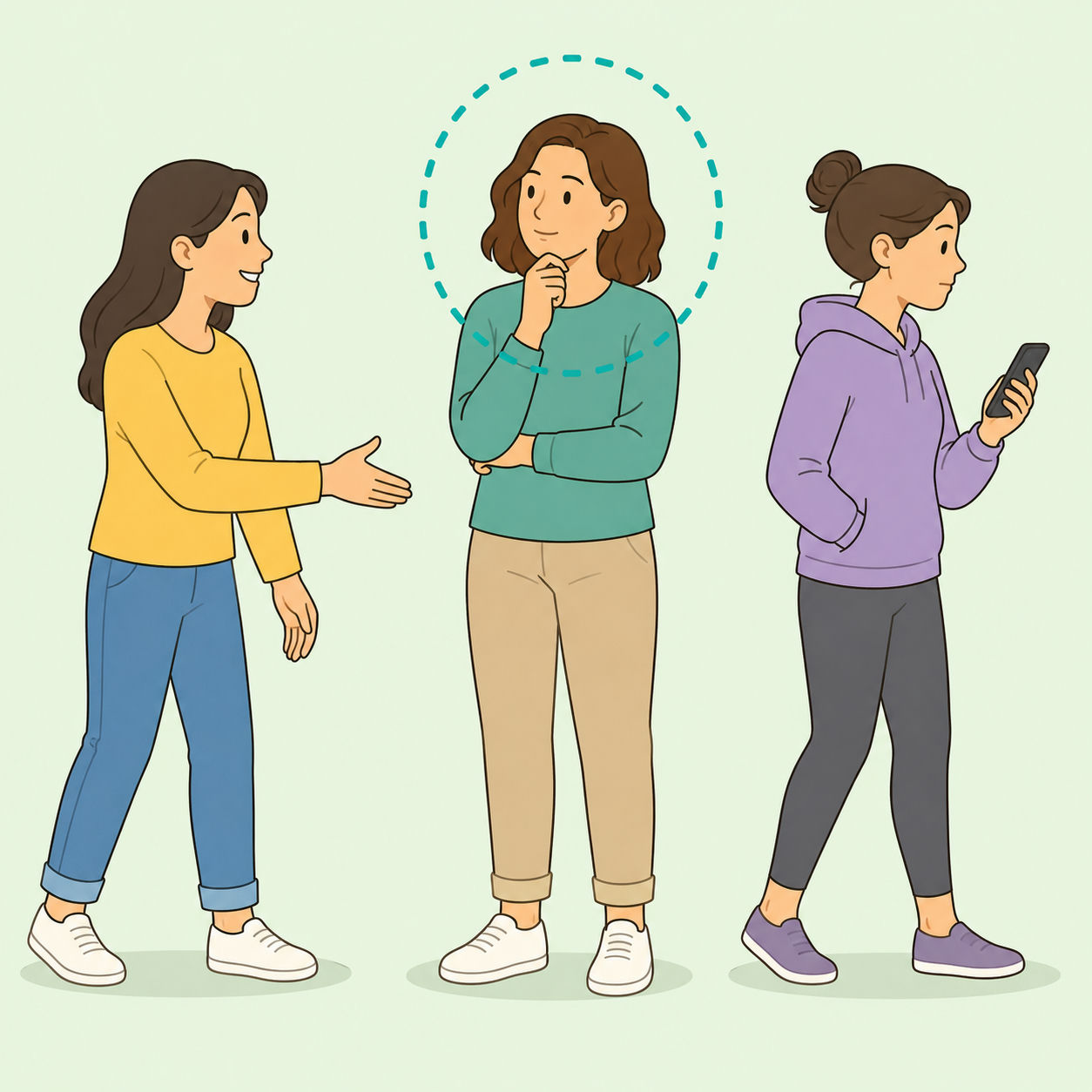
A fake friend is not someone who has one bad day or makes one mistake. The concern is a repeated pattern that leaves you feeling used, belittled, unsafe, or unsupported. This guide shows seven common behaviors to watch for and how to respond calmly without trying to diagnose anyone.
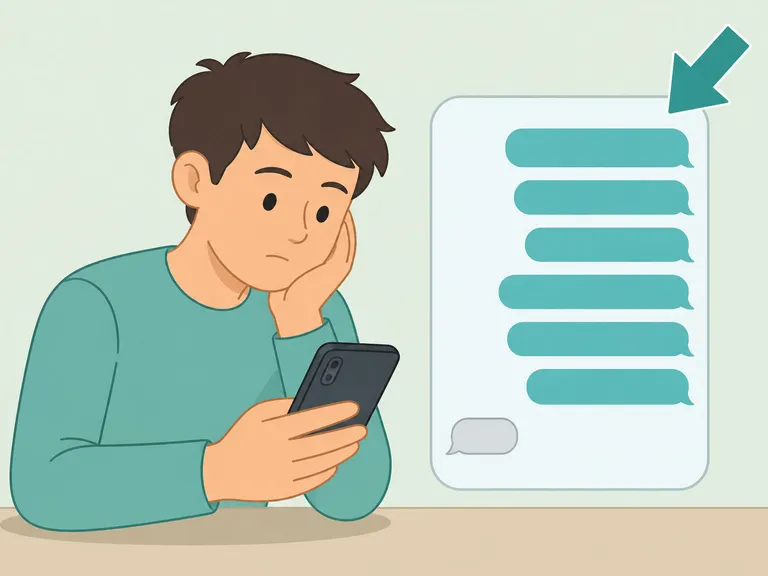
Look for repeated one-sided effort
Notice whether you are always the one texting first, making plans, apologizing, or giving emotional support. Healthy friendships usually involve give-and-take, and Mayo Clinic describes trust, kindness, listening, and mutual effort as part of maintaining good friendships. A single busy week is normal; a long pattern of imbalance is the warning sign.
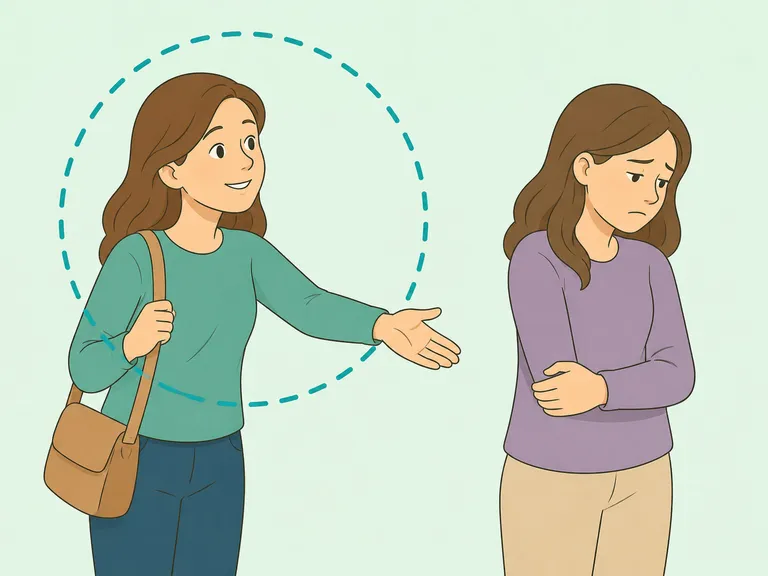
Notice whether they show up only when they need something
A fake friend may disappear during your hard times but become very warm when they want a favor, contact, ride, money, or attention. Supportive relationships help people feel cared for and valued, and the CDC notes that social connection includes the quality and supportiveness of relationships. If the friendship mainly activates around their needs, treat that as a clear pattern to evaluate.
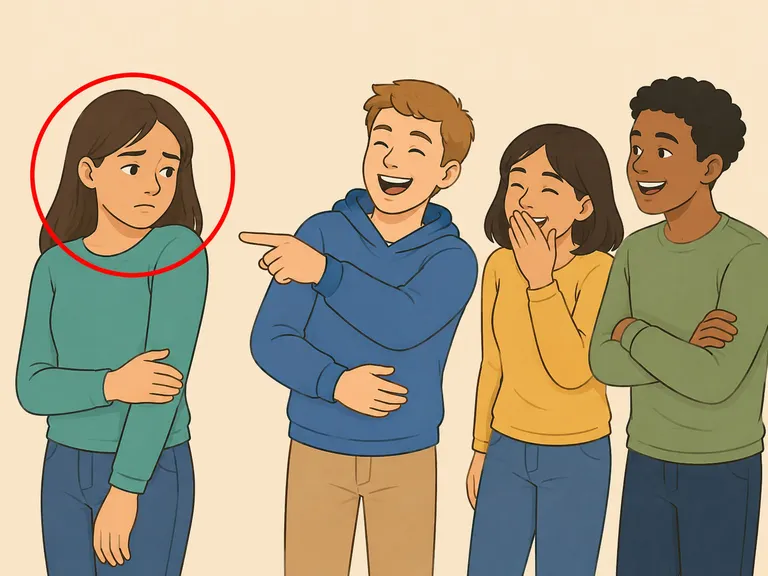
Watch for put-downs disguised as jokes
Pay attention to jokes that regularly leave you embarrassed, smaller, or anxious around other people. Friends can tease gently, but repeated insults, public humiliation, or comments that target your insecurities are not the same as playful humor. A healthier friend can hear, "That bothered me," without turning your discomfort into another joke.
Check how they handle your boundaries
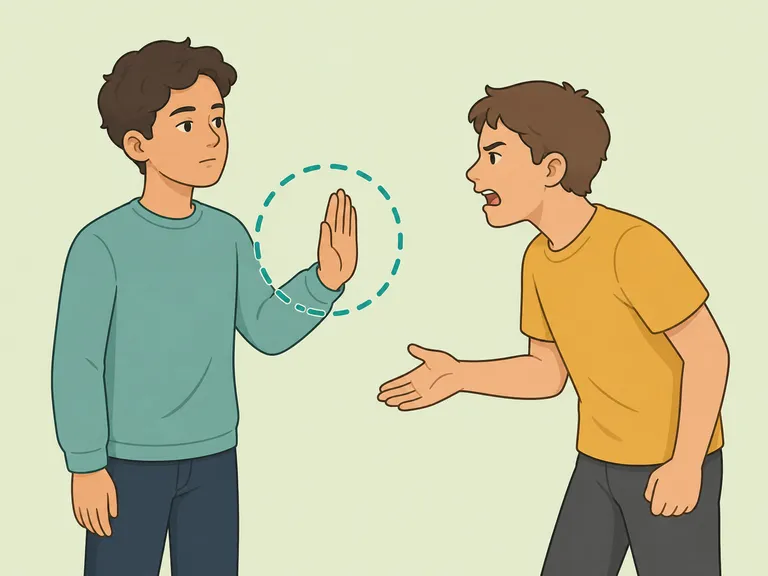
Set a small boundary, such as saying you cannot talk late at night, lend something, or share private details. In healthy relationships, people respect time and space apart, while The Hotline lists ignoring boundaries, dishonesty, control, and isolation as unhealthy relationship patterns. A fake friend may guilt-trip you, sulk, mock the boundary, or act as if your comfort does not matter.
Pay attention to gossip and privacy breaks
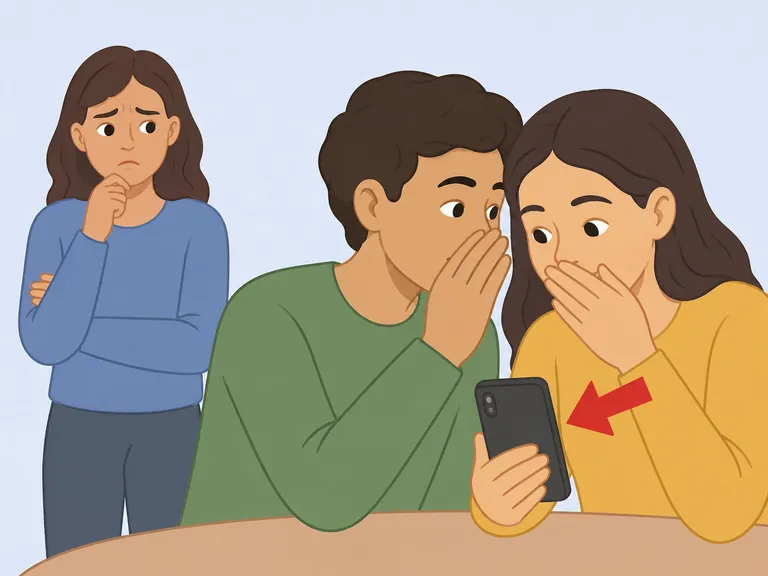
Be cautious if they tell you everyone else's secrets, because your private information may be handled the same way. Trust is a core part of friendship, and Mayo Clinic advises keeping what friends share in private. If they expose your personal details after you asked them not to, protect yourself by sharing less.
Question pressure to prove loyalty
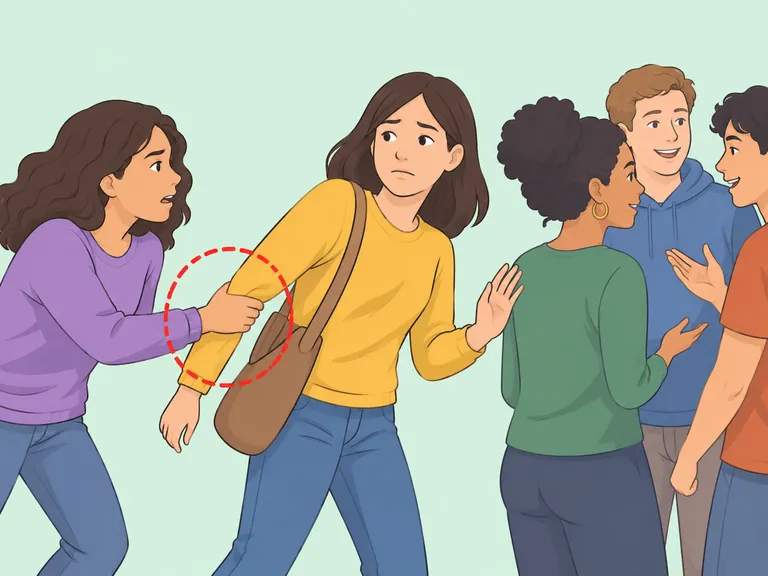
A fake friend may demand constant availability, push you to take their side in every conflict, or make you feel guilty for having other friendships. Healthy connection should not require isolation; the relationship spectrum from The Hotline identifies restricting contact with others as an unhealthy or abusive pattern in close relationships. Real loyalty still leaves room for your own values, privacy, and other support systems.
Compare their words with steady actions
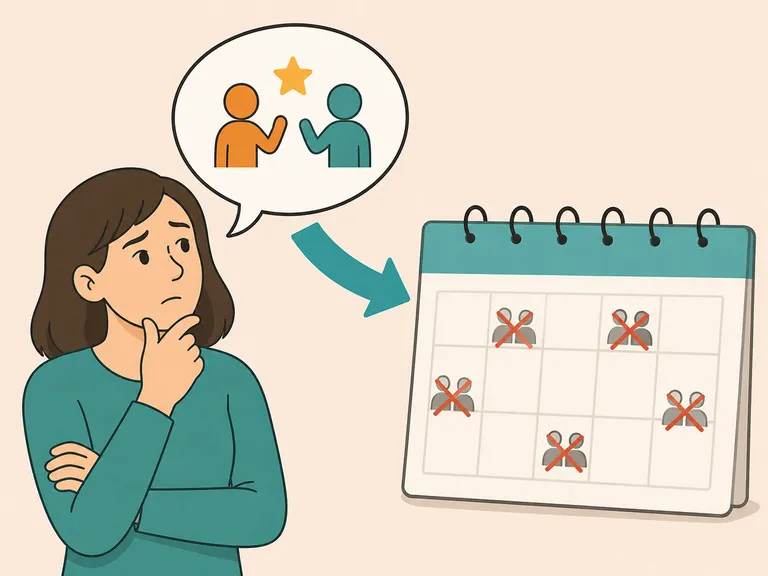
Some people say the right things after hurting you but repeat the same behavior later. Look for repair: do they listen, take responsibility, and change what they do? The CDC recommends addressing conflict or negative feelings when they arise, so a friend who refuses every repair conversation may not be acting like a safe friend.
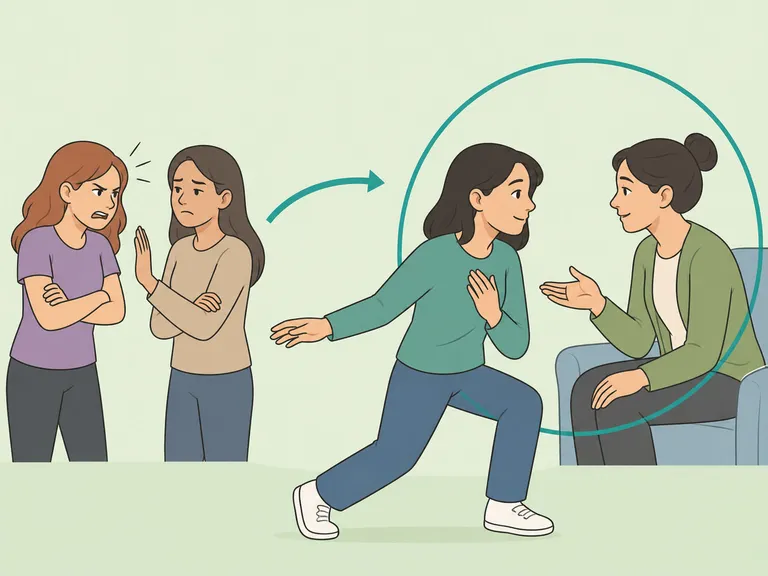
Protect your well-being and get support if needed
If the friendship keeps causing stress, sleep problems, fear, isolation, or trouble functioning, take it seriously. Long-term stress can affect health, and MedlinePlus recommends getting help for severe stress symptoms that last two weeks or more. Step back, talk with someone you trust, and seek professional help right away if you feel unsafe, unable to cope, or at risk of harming yourself.
Article Summary
The bottom line: judge the friendship by repeated behavior, not one awkward moment. Healthy friendships involve respect, trust, support, and give-and-take, so step back when the pattern keeps hurting your well-being.
Frequently Asked Questions
- Does one argument mean someone is a fake friend?
No. One argument, missed message, or awkward moment does not prove a friendship is fake. Look for repeated patterns, whether the person takes responsibility, and whether the friendship still includes respect and support.
- What is the biggest sign of a fake friend?
The biggest sign is a consistent lack of care when the friendship does not benefit them. If they only appear when they need attention, favors, status, or information, the relationship may be one-sided.
- Should I confront a fake friend?
You can, if it feels safe and worthwhile. Keep it specific, use calm language, and name the behavior rather than attacking their character. Their response will tell you a lot.
- Can a fake friendship become healthy?
Sometimes, if both people acknowledge the problem and change their behavior. If the same pattern continues after clear boundaries, it is reasonable to create distance.
- How do I distance myself without drama?
Reply less often, stop sharing private details, decline plans that drain you, and spend more time with people who treat you consistently. You do not have to announce every boundary unless a direct conversation is needed.
- When should I get outside help?
If the friendship involves threats, stalking, coercion, isolation, severe stress, or fear for your safety, reach out to a trusted person or professional support. If you are in immediate danger, contact emergency services.
References
Trusted culinary resources helped guide and refine this article.
- https://www.mayoclinic.org/healthy-lifestyle/adult-health/in-depth/friendships/art-20044860
- https://www.cdc.gov/social-connectedness/about
- https://www.cdc.gov/social-connectedness/risk-factors/index.html
- https://www.cdc.gov/social-connectedness/improving/index.html
- https://medlineplus.gov/stress.html
- https://www.thehotline.org/resources/healthy-relationships