
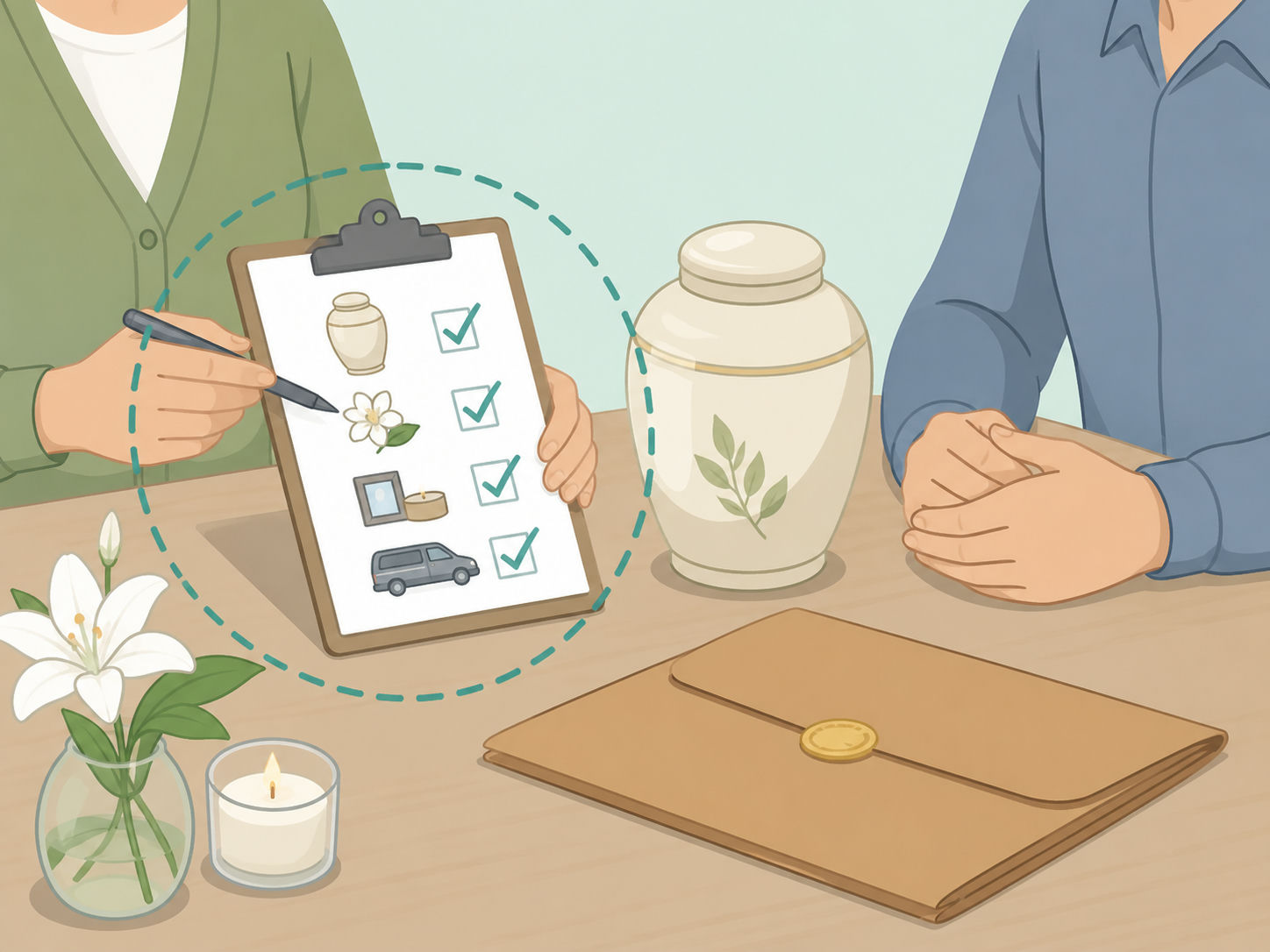
 Pin this recipe
Cremation can feel mysterious because most families do not see the technical process. This guide explains, in plain terms, what usually happens before, during, and after flame cremation, without sensational details. Rules vary by location, so use this as general information and confirm local requirements with a licensed funeral provider or crematory.
Separate fact from sensational claims
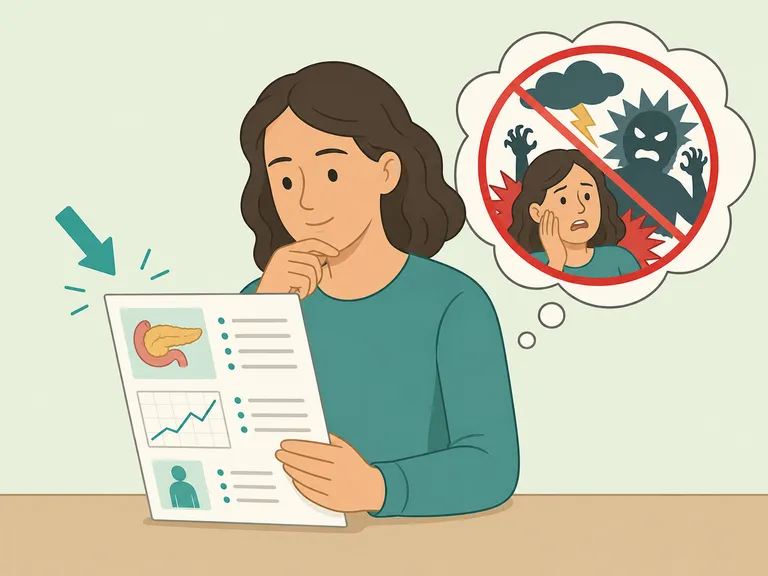
Start with the basics: flame cremation is a method of final disposition, not a secret medical event or a dramatic reveal. A crematory follows practical steps to identify the person, use a suitable container, complete the cremation, and return or place the cremated remains; the Cremation Society of Great Britain answers many common questions about this process. Do not confuse flame cremation with alkaline hydrolysis, which Mayo Clinic describes as a water-based final disposition method.
Confirm the paperwork before cremation
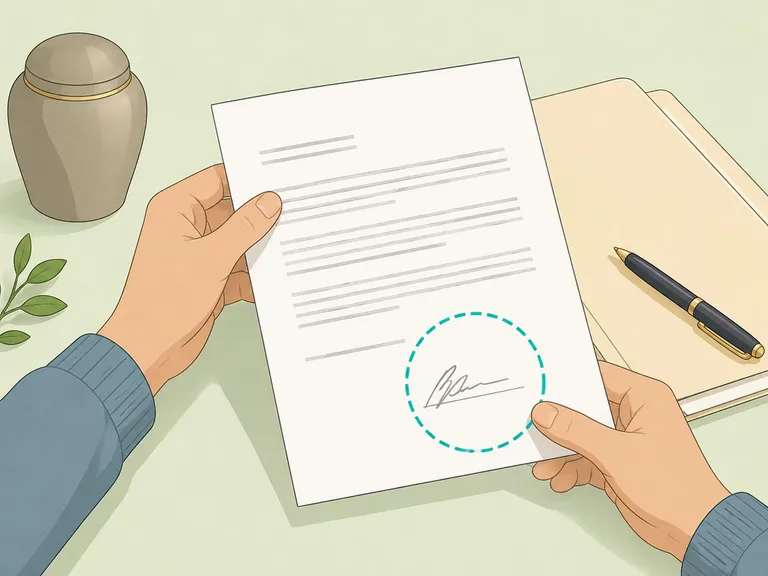
Cremation normally requires authorization from the person legally allowed to make funeral decisions, along with any death registration or permit required where the death occurred. If you are arranging services in the United States, the FTC says you have the right to buy only the funeral goods and services you want, instead of accepting a package. Ask for every required form in writing before you approve the final arrangements.
Check how identity is tracked
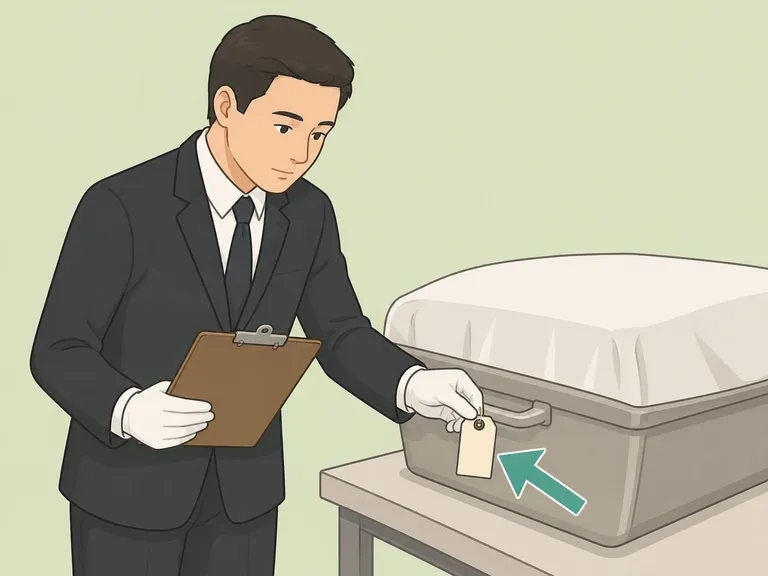
Ask the funeral home or crematory how they identify the body from transfer through return of the remains. The Cremation Society describes nameplate checks and an identity card that accompanies the coffin and remains through the process. A reputable provider should be able to explain its chain-of-custody procedure calmly and clearly.
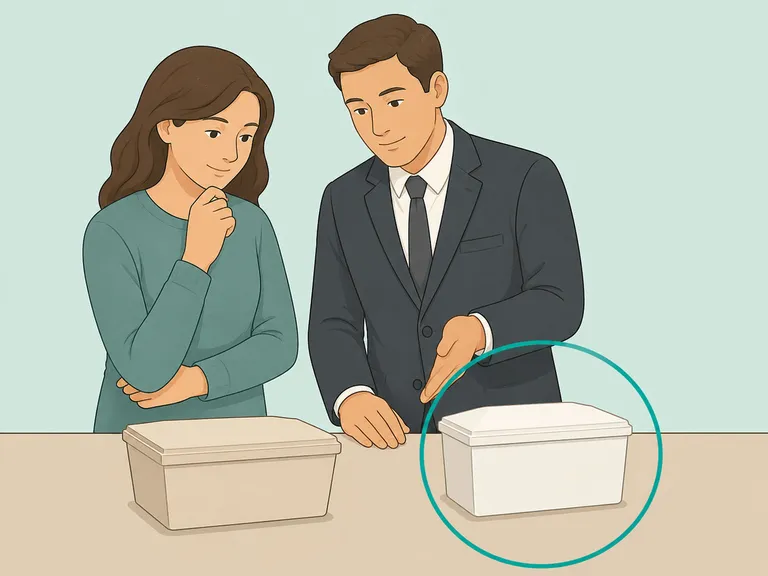
Choose a suitable container
The body is placed in a cremation-safe coffin or alternative container, depending on local law, crematory policy, and the family’s choices. In the United States, the FTC Funeral Rule says funeral providers that offer direct cremation must make an alternative container available and cannot require a casket for direct cremation. Tell the funeral director about jewelry, implants, batteries, or medical devices so they can explain what must be removed or handled separately.
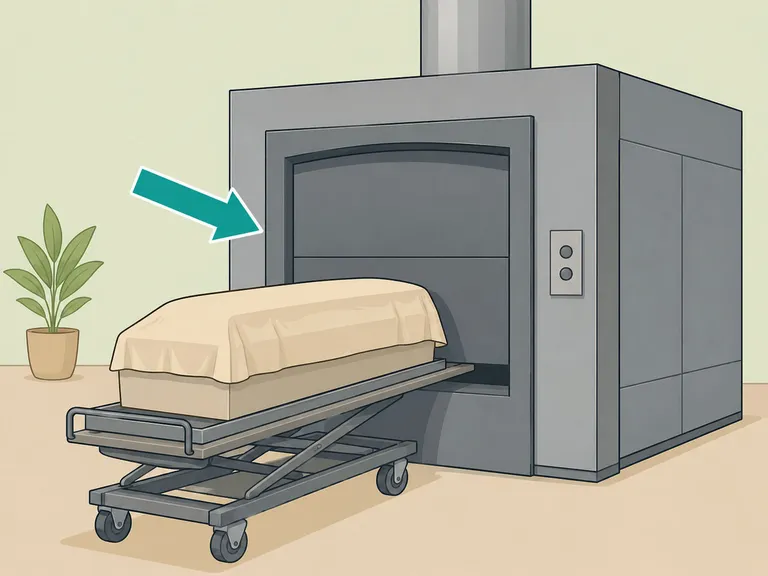
Understand what happens in the chamber
During flame cremation, the container and body are placed into a cremator, and intense heat reduces soft tissue and combustible materials. The process does not leave a whole body behind; the recoverable material is mainly bone mineral, which is why the Cremation Society notes that body parts made only of soft tissue may not produce cremated remains. Exact timing and equipment vary by facility.
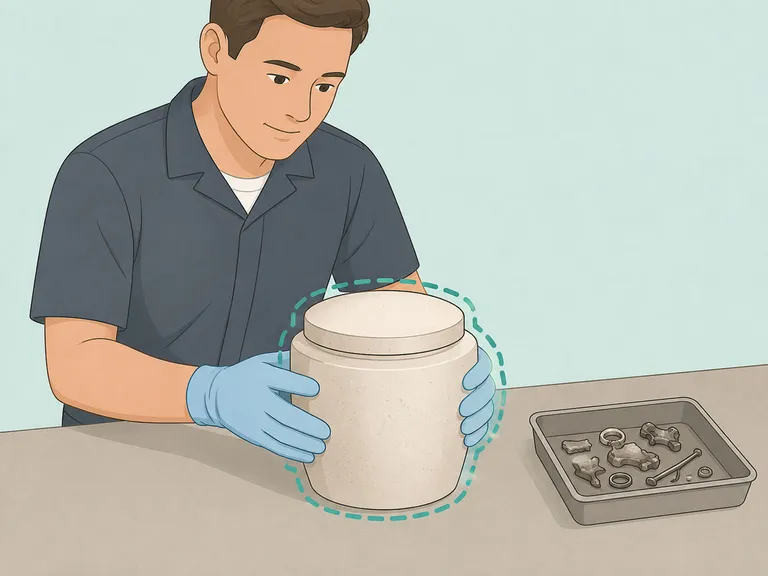
Know what cremated remains are
After cremation, the remaining material is removed and taken to a separate treatment area. Metal is handled according to crematory policy and the applicant’s instructions, while the remaining bone fragments are processed into the granular material commonly called ashes; the Cremation Society says an adult cremation commonly results in about 2 to 4 kg of cremated remains. The final amount varies from person to person.
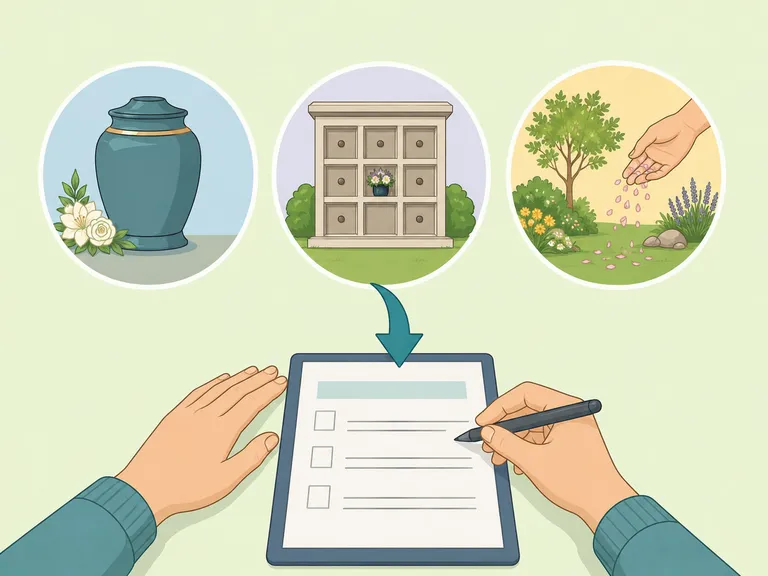
Decide what should happen to the remains
Before or soon after cremation, decide whether the remains will be collected, buried, scattered, placed in a niche, or held temporarily. The Cremation Society says ashes are disposed of according to the written instruction of the applicant, with options depending on the crematorium and local rules. If cost is a concern, compare itemized prices and ask what is optional.
Seek medical, legal, or grief help when needed
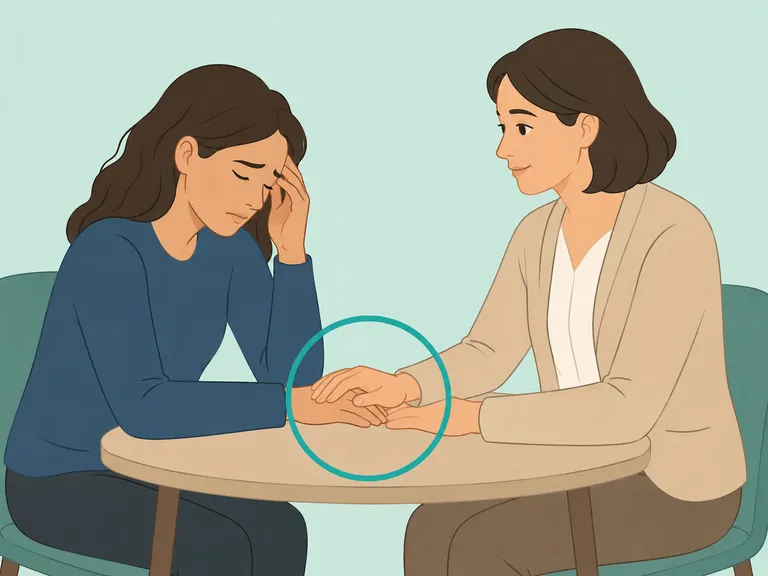
Contact the appropriate authority if a death was sudden, suspicious, unexplained, or not yet legally cleared for cremation. If grief after a death is affecting daily life, the NHS recommends talking with a friend, family member, healthcare professional, or counselor, and seeking medical help for persistent low mood, anxiety, or prolonged grief symptoms. You do not have to process the practical or emotional parts alone.
Article Summary
The bottom line: cremation is not a hidden or theatrical process. It is a regulated method of final disposition that relies on identity checks, written authorization, a suitable container, separate handling, and respectful return or placement of cremated remains.
Frequently Asked Questions
- Is cremation done with clothing on the body?
Usually, the person is cremated in the clothing or covering chosen by the family, unless local rules or crematory policies require something different. Ask the funeral director what is allowed before finalizing clothing, jewelry, or personal items.
- Are the ashes really ash?
What families receive is usually called cremated remains. It is mainly processed bone mineral left after cremation, not ordinary fireplace ash.
- Can more than one person be cremated at the same time?
Standard practice is separate cremation, with identity tracking throughout the process. The Cremation Society of Great Britain says its code requires each cremation to be carried out separately, with only narrow written-request exceptions.
- Do I have to buy a casket for cremation?
In the United States, the FTC says funeral providers cannot tell you that state or local law requires a casket for direct cremation if that is not true. Providers that offer direct cremation must make an alternative container available.
- Can family members witness part of the cremation process?
Some crematories allow witnessing by prior arrangement, while others do not. Ask the funeral director and crematory manager ahead of time so expectations, timing, and privacy rules are clear.
- What should I do if reading about cremation makes me feel overwhelmed?
Pause and talk with someone you trust. If grief, anxiety, or low mood is interfering with daily life, seek support from a doctor, counselor, crisis service, or qualified mental health professional.
References
Trusted culinary resources helped guide and refine this article.
- https://www.cremation.org.uk/Frequently-Asked-Questions
- https://consumer.ftc.gov/articles/shopping-funeral-services
- https://www.ftc.gov/business-guidance/resources/complying-funeral-rule
- https://www.mayoclinic.org/body-donation/biocremation-resomation
- https://www.nhs.uk/mental-health/feelings-symptoms-behaviours/feelings-and-symptoms/grief-bereavement-loss