
 Pin this recipe
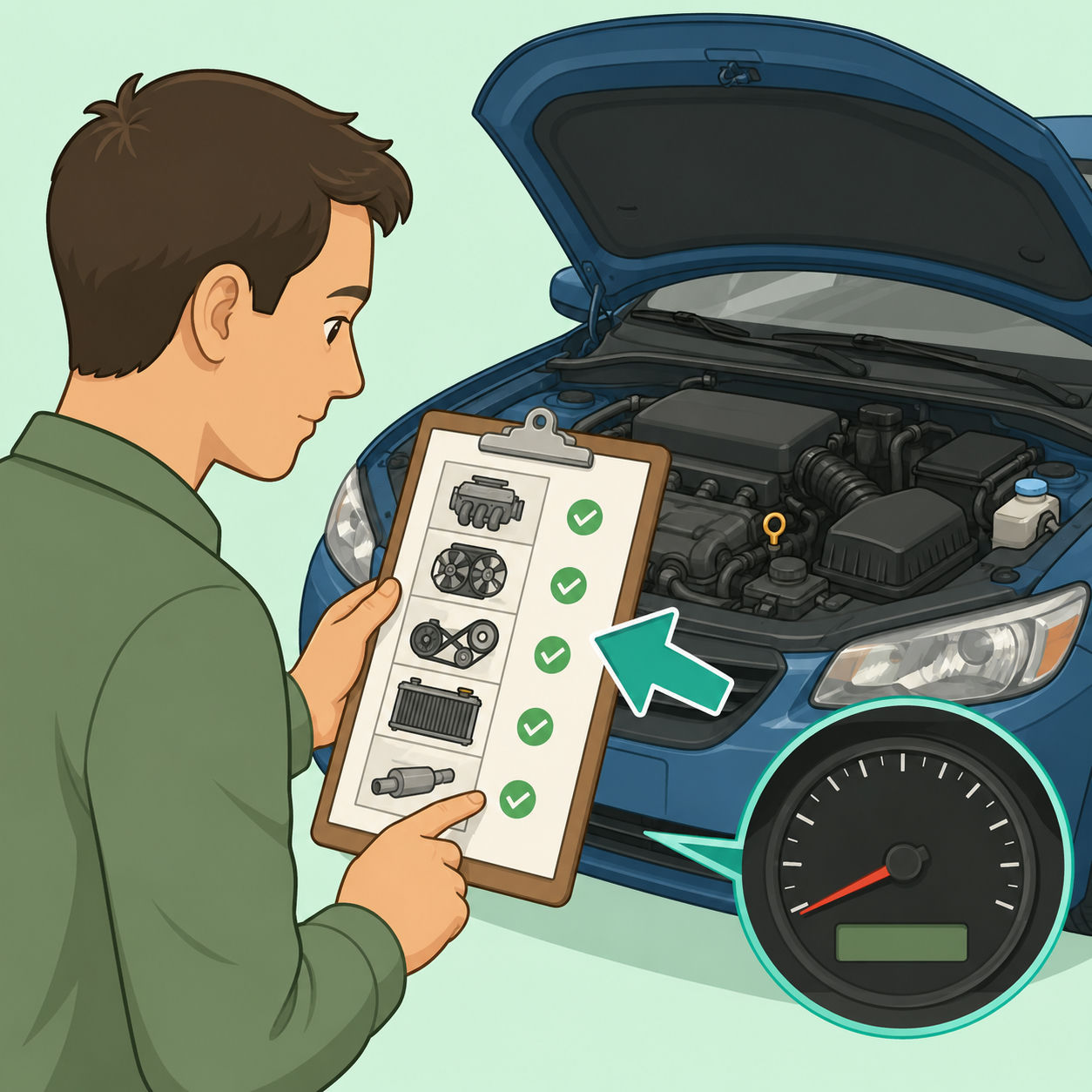
A 500,000-km engine is possible, but it is never automatic. The smartest approach is to treat engine reputation as only the starting point, then verify the exact vehicle’s maintenance, recalls, inspection results, and use history. This guide shows you how to shortlist five proven engine families and avoid overpaying for a tired car with a famous badge.
Treat 500,000 km as a target, not a promise
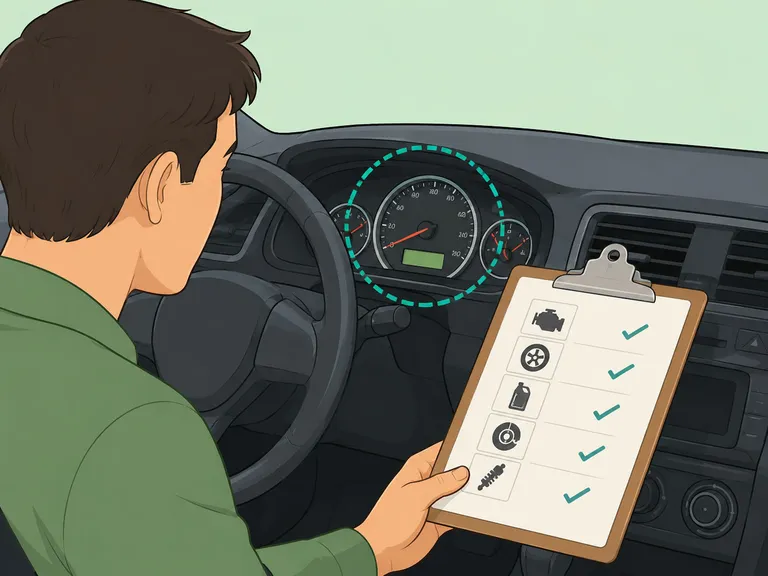
Five hundred thousand kilometers is about 310,000 miles, which is beyond the mileage most cars ever reach. Longevity studies can point you toward better odds, but even models with strong survival rates still need maintenance and some repairs; iSeeCars’ 2025 longevity study found wide differences in the chance of reaching 250,000 miles by model and brand.
Start with five proven engine families
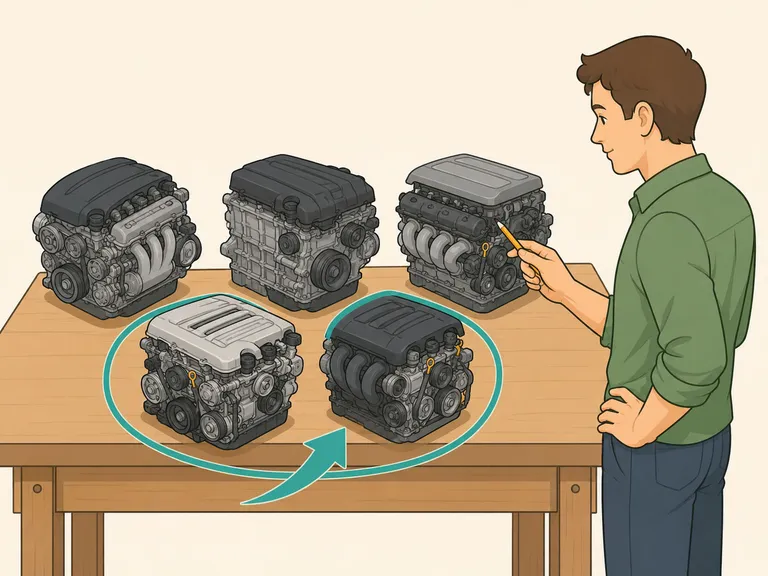
Use these as a research shortlist: Toyota/Lexus truck V8s in Tundra, Sequoia, Land Cruiser, and LX models; Toyota V6s in 4Runner and Tacoma; Honda K24 2.4-liter four-cylinders in Accord, CR-V, and Acura TSX-type models; Toyota 2.5-liter four-cylinder and hybrid powertrains in Camry, Avalon, RAV4, and related models; and GM small-block truck V8s in Silverado, Sierra, Tahoe, and Suburban. The exact engine code and model year still matter, so confirm the engine with the VIN before you buy.
Choose models with high-mileage data behind them
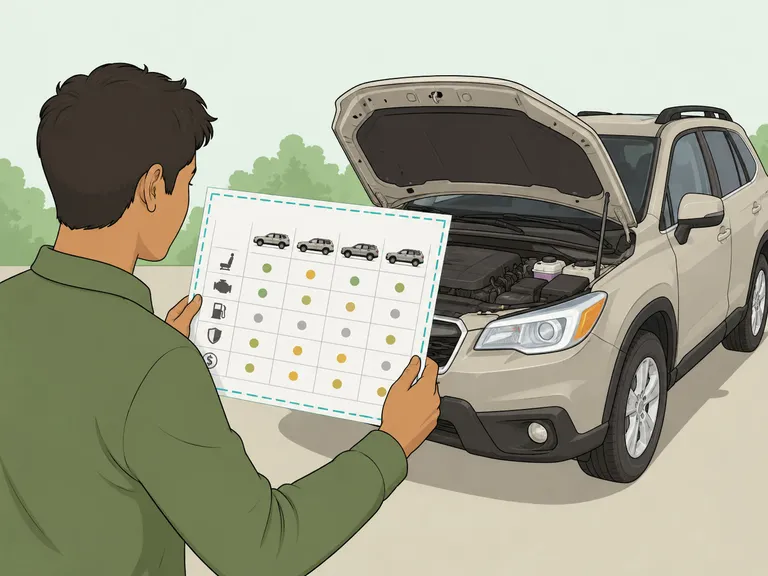
Look for the vehicle models that repeatedly appear in long-life rankings, not just engines praised in forums. In the iSeeCars analysis, Toyota Sequoia, Toyota 4Runner, Toyota Tundra, Toyota Tacoma, Lexus GX, Honda Ridgeline, Honda Pilot, Honda Odyssey, Chevrolet Silverado 1500, and Chevrolet Suburban all ranked above average for reaching very high mileage.
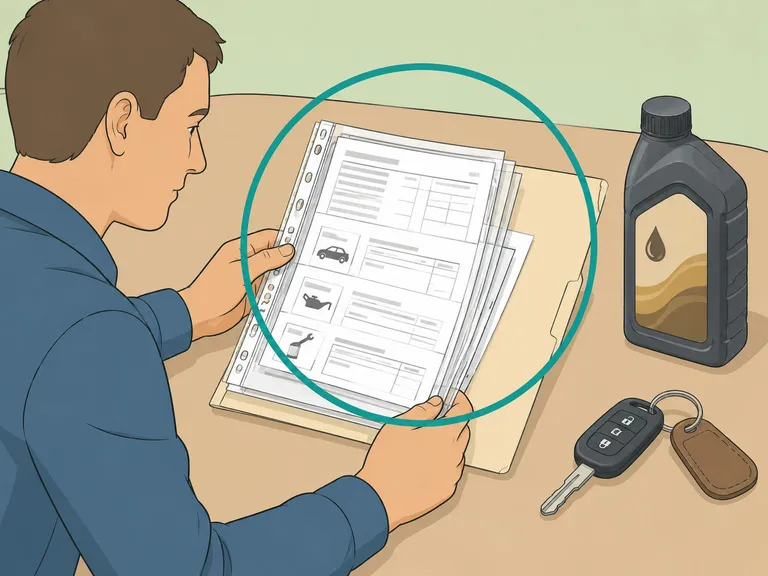
Demand service records before trusting the odometer
Ask for oil-change records, coolant service, transmission service, timing belt or timing chain work where applicable, and major repair invoices. The Federal Trade Commission advises used-car buyers to research repair records, mileage, safety tests, and ownership costs before purchase, and its used-car buying guide also recommends getting the key facts in writing.

Check recalls and known engine issues by VIN
Run the vehicle’s VIN through the NHTSA recall lookup before you schedule an inspection. NHTSA says a VIN search can show whether a specific vehicle has an unrepaired safety recall, and manufacturers are required to remedy safety recalls by repair, replacement, refund, or in rare cases repurchase.
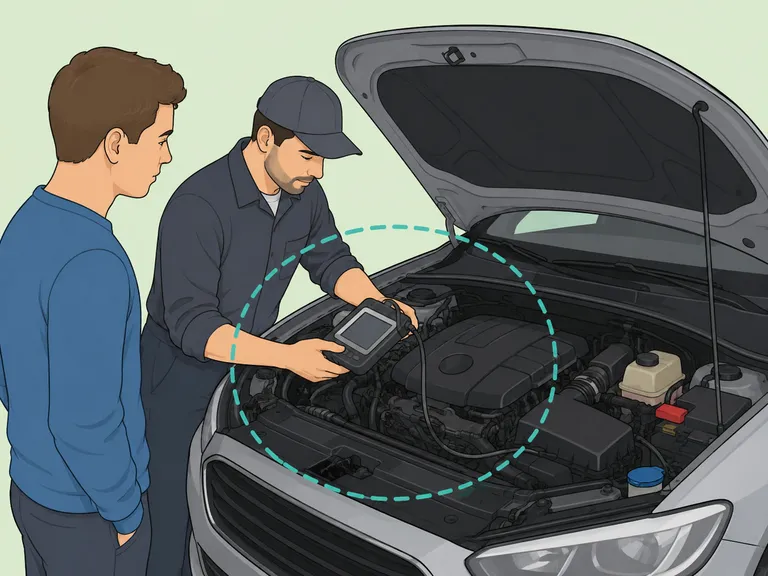
Pay for an independent mechanical inspection
Have a mechanic inspect the engine cold, scan for diagnostic codes, check for leaks, listen for timing-chain or bearing noise, inspect the cooling system, and road-test the car. The FTC notes that a vehicle history report is not a substitute for an independent inspection because history reports may not list mechanical problems, so a pre-purchase inspection is worth the fee.
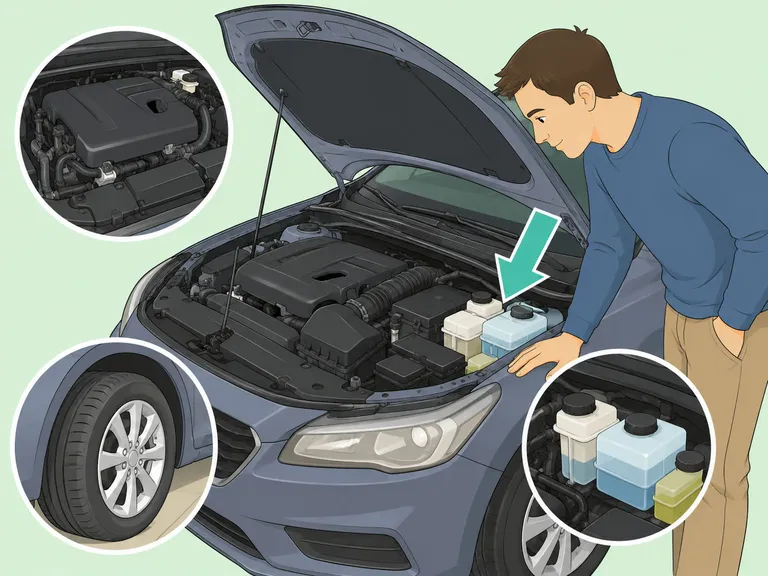
Look for signs of gentle, consistent use
A highway-driven car with steady maintenance is usually a better candidate than a low-speed work vehicle that towed heavy loads, idled for hours, or overheated. Check for mismatched fluids, sludge under the oil cap, coolant smell, rough idle, delayed transmission engagement, and fresh sealant that may hide recent leaks.
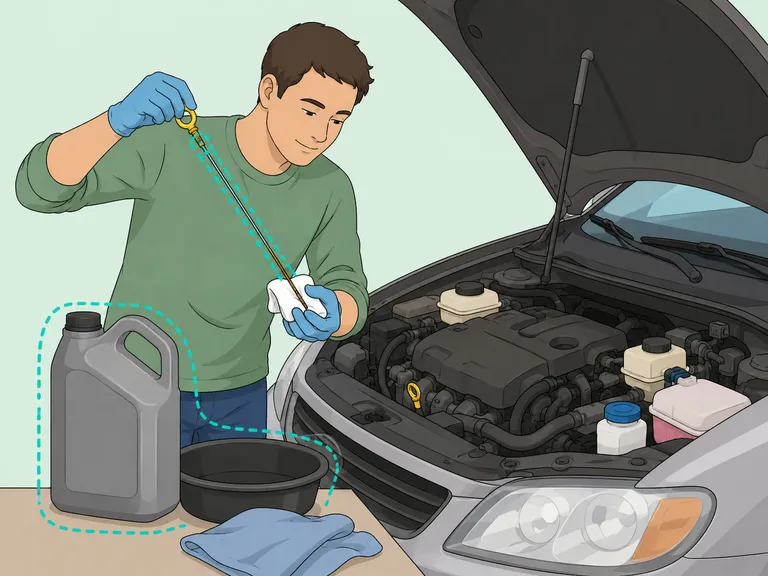
Maintain the engine exactly after you buy it
Use the oil grade, coolant, filters, and service intervals specified by the manufacturer, and fix warning lights quickly. The U.S. government’s fuel-economy site says the check-engine light can indicate anything from a loose gas cap to a serious issue that may reduce fuel economy, increase emissions, or lead to costly repairs, and it also recommends using the manufacturer’s recommended motor oil grade.
Article Summary
The bottom line: choose a proven engine family, but buy the condition, not the legend. A clean service record, no unresolved safety recalls, a good inspection report, and consistent maintenance matter more than any internet claim about an engine lasting 500,000 km.
Frequently Asked Questions
- Can any engine truly reach 500,000 km without problems?
No engine can be guaranteed to reach 500,000 km without repairs. That distance is about 310,000 miles, so age, oil service, cooling-system care, driving style, and previous neglect all matter.
- Which five engine families should I research first?
Start with Toyota/Lexus truck V8s, Toyota’s long-running V6s in models like the 4Runner and Tacoma, Honda’s K24 2.4-liter four-cylinder, Toyota’s 2.5-liter four-cylinder and hybrid engines, and GM small-block truck V8s. Then verify the exact model year and known issues before buying.
- Is a high-mileage Toyota or Honda always a safe buy?
No. Brand reputation helps, but a neglected Toyota or Honda can be worse than a well-maintained car from another brand. Always check records, recalls, leaks, overheating history, and inspection results.
- Should I prefer a diesel for 500,000 km?
Diesels can last a long time in the right use case, especially with highway driving and proper fuel-system maintenance. However, diesel emissions equipment and repair costs can be expensive, so inspect the whole vehicle, not only the engine block.
- How important are oil changes for a long-life engine?
They are critical, but the interval should match the owner’s manual and driving conditions. Look for regular oil-change records using the manufacturer’s recommended oil grade.
- Should I buy a car that already has 300,000 km?
Only if the price reflects the mileage and the car passes a proper inspection. At that point, suspension, cooling, transmission, electronics, rust, and interior wear can cost as much as engine repairs.
References
Trusted culinary resources helped guide and refine this article.