
 Pin this recipe
Newly surfaced footage of the Twin Towers can add important context to the historical record, but it should be viewed and shared carefully. This guide explains how to evaluate a video claim without amplifying misinformation or stripping away context. Use reliable sources, basic open-source verification methods, and respectful judgment before reposting.
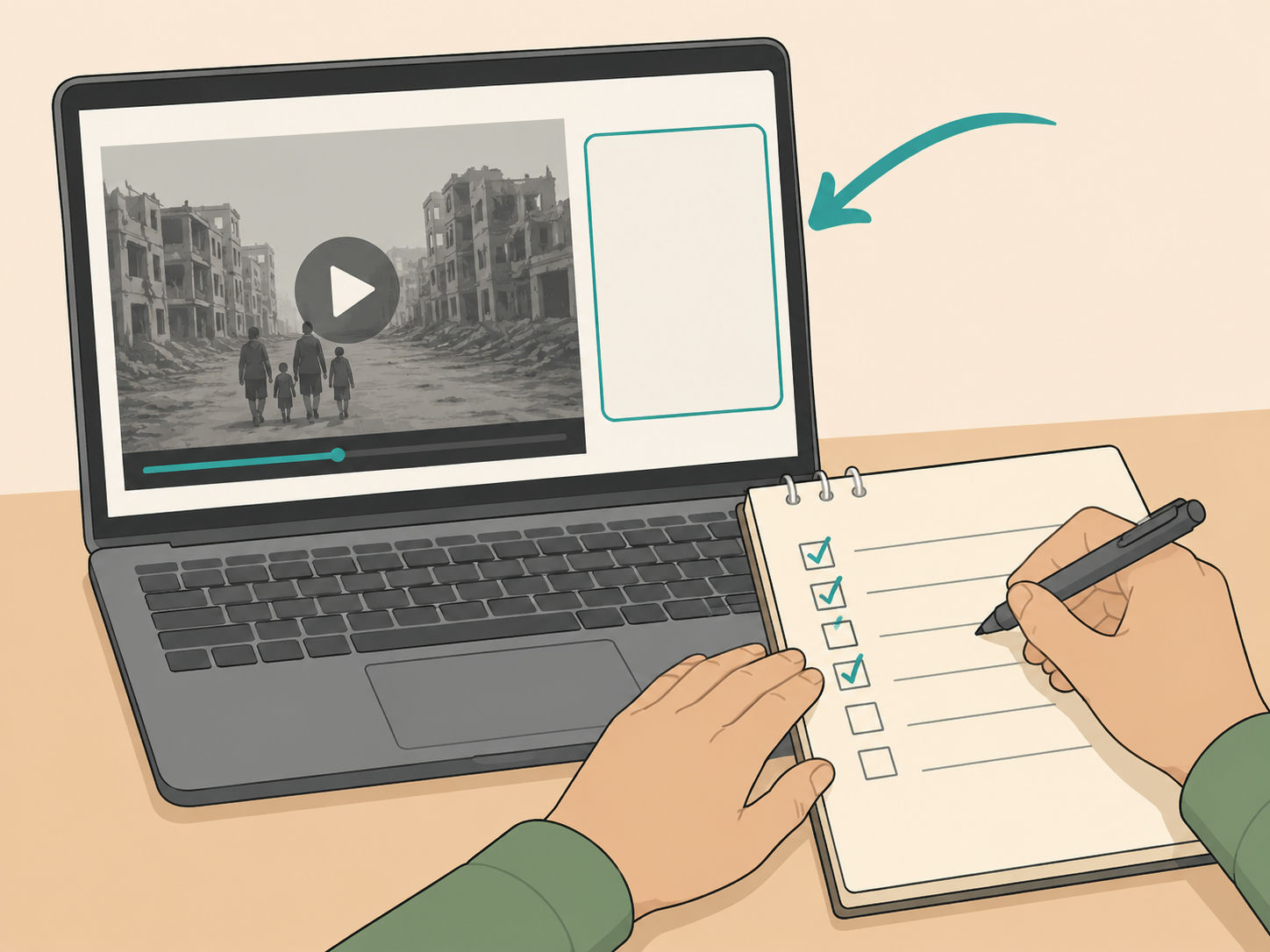
Identify exactly what the video claims to show
Write down the claim before judging the clip: who filmed it, where they were, what time it shows, and whether the footage is said to be unseen, newly digitized, or newly public. Large archives are still surfacing years later, including the New York Public Library's CameraPlanet Archive acquisition, so a new release is possible, but every specific claim still needs checking.
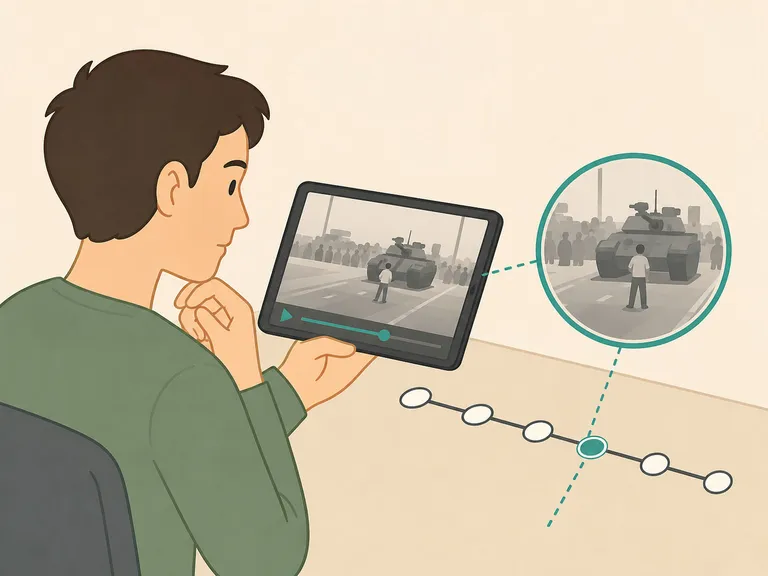
Compare the clip with established 9/11 timelines
Match the visible events to trusted timelines rather than relying on a caption. The FBI's 9/11 investigation history notes that Flight 11 struck the North Tower at 8:46 a.m. and that four hijacked airliners were involved, while the 9/11 Memorial primer provides foundational educational context for the attacks and aftermath.
Trace the footage back to the earliest available source
Look for the first upload, original archive listing, filmmaker statement, or news report that explains where the footage came from. Official records matter because the National Archives holds 9/11 Commission records and explains how some records were transferred, preserved, released, or restricted over time.
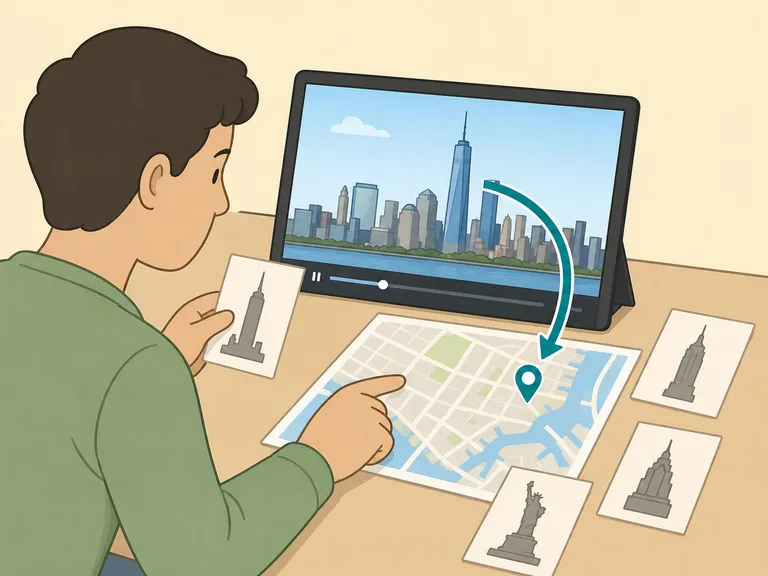
Check the camera angle against real landmarks
Pause the video and compare visible buildings, streets, bridges, rooflines, water, smoke direction, and camera movement with maps or historical images. Bellingcat's geolocation guide recommends using landmarks and road layouts to confirm where a video was filmed.
Review metadata without treating it as final proof
If you have the file, check its creation date, format, duration, resolution, and edit history, but remember that platforms and conversions often remove metadata. The Library of Congress lists key moving-image metadata such as release date, producer, country, language, and duration in its recommended formats guidance, which shows why documentation matters for preservation.
Separate visible evidence from interpretation
Describe only what the footage clearly shows, then label any interpretation as uncertain unless a reliable source supports it. NIST explains that its World Trade Center investigation gathered and analyzed thousands of pieces of video, photographic, and audio evidence, which is a reminder that footage gains value when it is studied alongside other records.
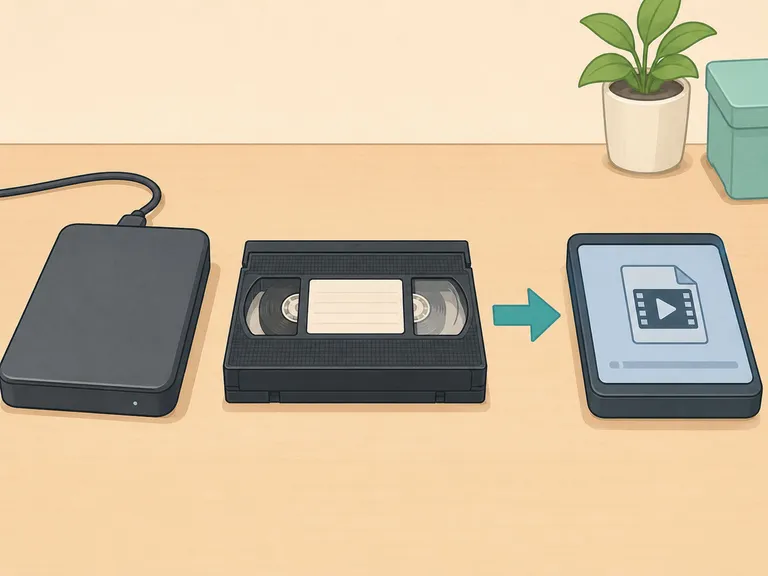
Preserve the original file or tape before editing
Keep the highest-quality original version, make a separate working copy, and write down who recorded it, where it was stored, and what changes were made during digitization. The Library of Congress notes that preservation planning depends on understanding digital formats and the technical information needed to manage files over time.
Share the footage with context and respect
If you share the clip, include the source, date, location claim, verification status, and links to reliable context. Avoid sensational framing; archives such as the NYPL CameraPlanet collection emphasize preservation and public study, not shock value, especially for material tied to loss, rescue, and remembrance.
Article Summary
The bottom line: treat newly released Twin Towers footage as historical material, not just viral content. Verify the source, timeline, location, and context, then share only what you can describe accurately and respectfully.
Frequently Asked Questions
- Does newly released footage automatically change the known history of 9/11?
- No. A new angle can add detail, but it should be checked against established records, timelines, and expert investigations before drawing conclusions.
- What should I look for first in a newly surfaced video?
- Start with provenance: who recorded it, who uploaded it, when it was digitized, whether it is raw or edited, and whether any archive or reputable outlet has reviewed it.
- Can metadata prove a video is authentic?
- Metadata can help, but it is not proof by itself. Metadata can be missing, changed during editing, or stripped by platforms, so compare it with visual clues and trusted records.
- How can I tell whether the location claim is plausible?
- Compare landmarks, street layout, skyline direction, camera height, shadows, and movement with maps and known images. If the visible details do not match, do not share the claim as verified.
- Should I repost graphic or upsetting footage?
- Avoid reposting graphic clips casually. If sharing is necessary for historical or educational reasons, add context, avoid sensational captions, and consider whether the same point can be made with a less distressing source.
- Where can important historical footage be preserved?
- Contact a reputable archive, museum, library, or historical institution. Keep the original file or tape, record what you know about it, and avoid compressing or editing the only copy.
References
Trusted culinary resources helped guide and refine this article.
- https://www.fbi.gov/history/cases-and-criminals/911-investigation
- https://www.911memorial.org/learn/resources/911-primer
- https://www.nist.gov/world-trade-center-investigation
- https://www.nypl.org/press/new-york-public-library-acquires-cameraplanet-archive-historic-1200-hours-september-11-video
- https://www.bellingcat.com/resources/how-tos/2014/07/09/a-beginners-guide-to-geolocation
- https://www.loc.gov/preservation/resources/rfs/moving.html
- https://www.archives.gov/research/9-11