
 Pin this recipe
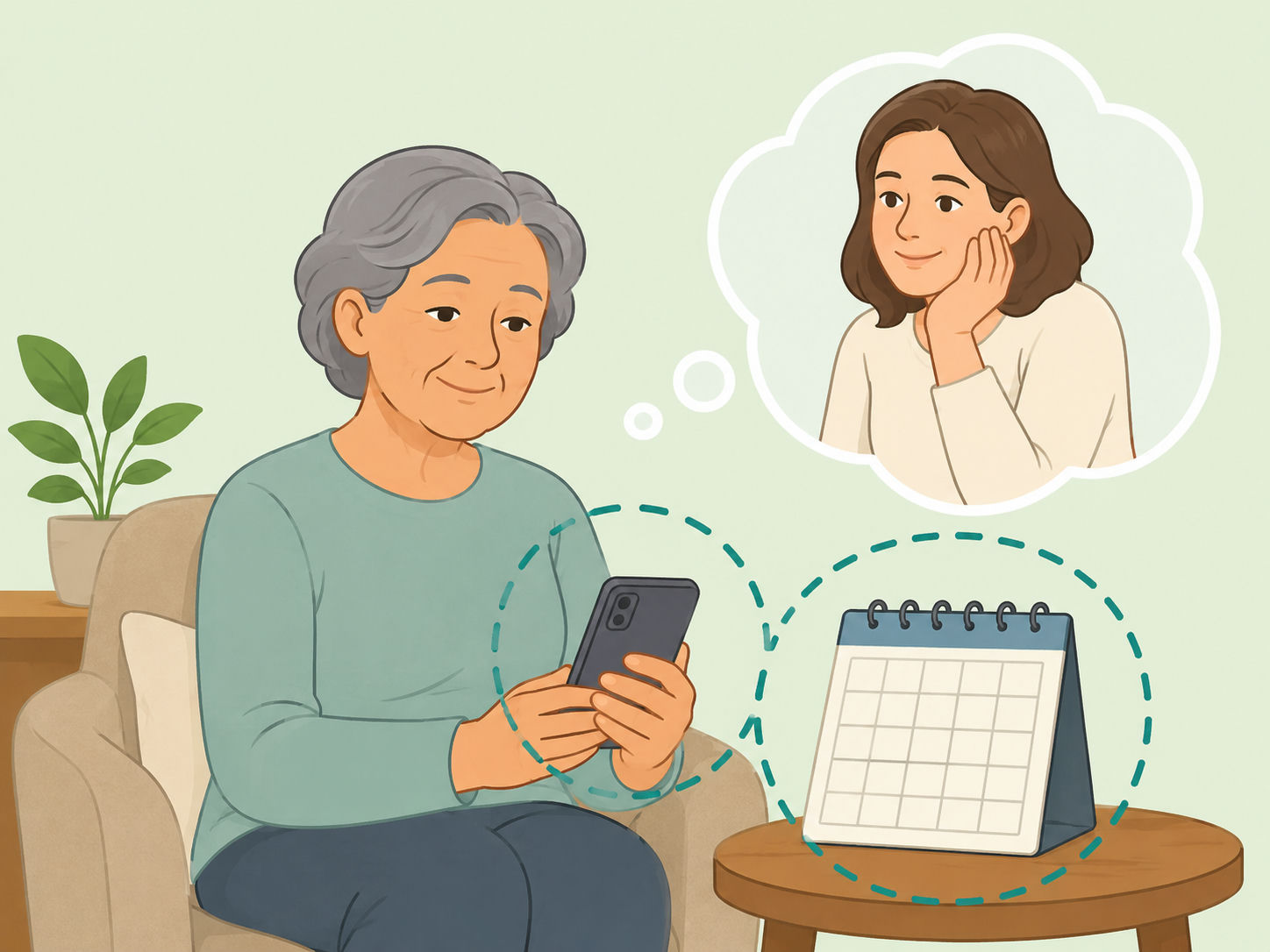
When adult children stop visiting, it can feel confusing, painful, and personal. The reason is rarely one simple thing: distance, work, partners, parenting styles, old hurts, and changing boundaries can all play a part. This guide explains the most common patterns and how to respond without making the distance worse.
Separate fewer visits from total rejection
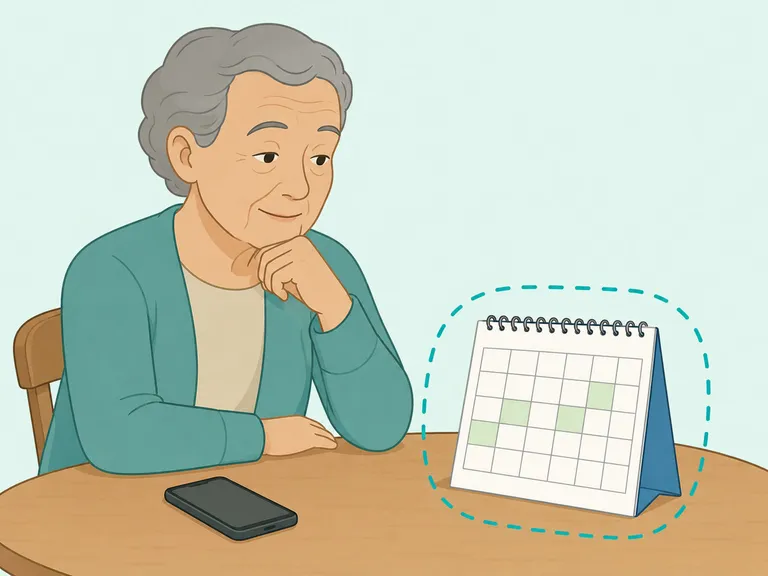
Start by asking whether your child has stopped visiting completely or is simply visiting less often. Adult relationships often require a new rhythm, and therapists quoted by Parents note that both parents and adult children share responsibility for maintaining contact. Look at the pattern before assuming the worst.

Consider practical pressures first
Work schedules, children, health needs, travel costs, and long distances can make visits harder even when the relationship is loving. Ask about practical barriers instead of leading with blame. A flexible offer, such as a shorter visit or a video call, may lower the pressure.

Respect their adult independence
Adult children may pull back when they feel treated like children rather than independent people. Guidance from Verywell Mind emphasizes that adult-child boundaries help preserve mutual respect and independence. Ask before giving advice, and let them make choices you would not make.

Look honestly for unresolved hurt
Sometimes fewer visits are connected to old conflict, harsh words, favoritism, divorce, addiction, abuse, or painful childhood memories. TIME's reporting on family reconciliation describes common estrangement roots as childhood adversity, value differences, and repeated conflicts over time. If your child names a hurt, focus first on understanding it rather than proving your intentions were good.

Notice whether boundaries are being ignored
Adult children often distance themselves when visits include criticism, guilt, surprise drop-ins, unwanted advice, or pressure about partners, children, religion, politics, or money. Healthy boundaries are not punishments; they define what helps a relationship feel respectful. If your child asks for a limit, write it down and follow it consistently.

Make contact easier and less emotionally loaded
Social connection matters for well-being, and the CDC describes supportive relationships as part of emotional health. Instead of making every invitation a major family event, suggest simple contact: coffee, a walk, a short meal, or a scheduled call. Short, calm interactions can rebuild comfort better than one intense conversation.
Reach out without pressure or guilt
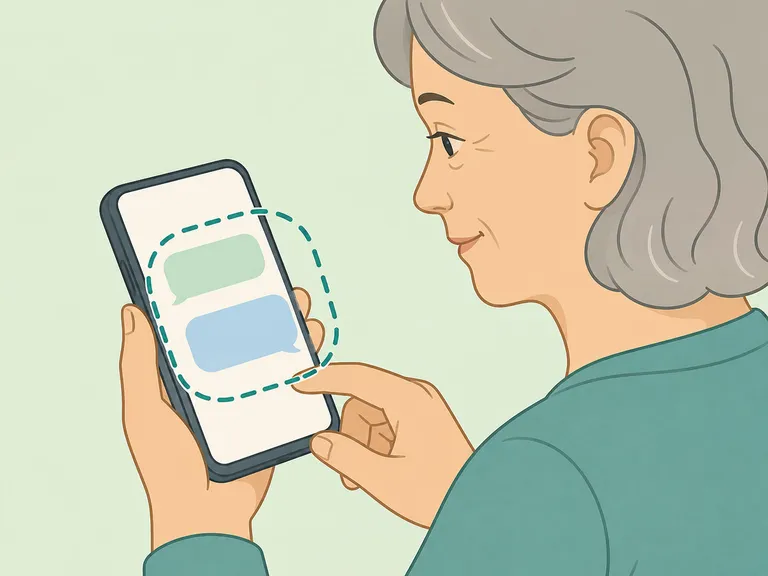
Send brief messages that show care without demanding a visit, an explanation, or an immediate reply. The Wall Street Journal highlights respectful listening, self-reflection, and non-defensive communication as ways families try to prevent deeper estrangement. Avoid statements like after all I did for you, because guilt usually makes contact feel less safe.
Seek support if the distance is harming your well-being
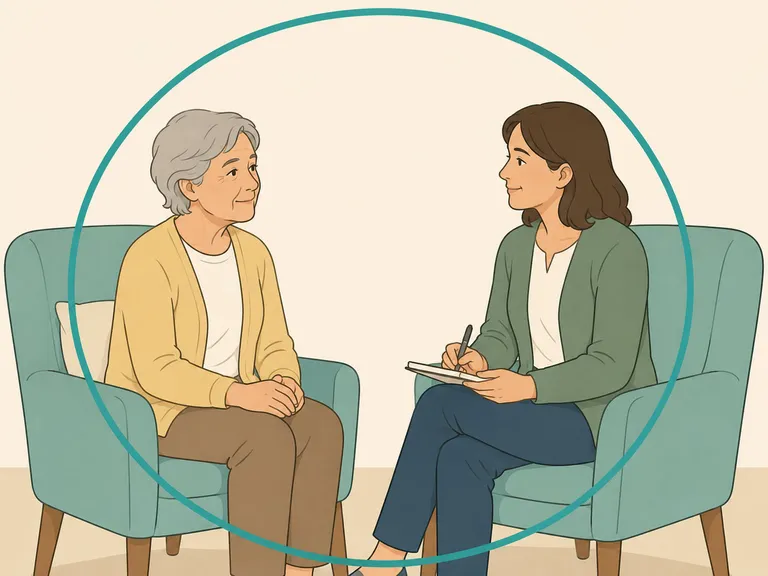
If the situation is causing lasting grief, anxiety, depression, anger, or unsafe conflict, talk with a doctor, therapist, counselor, or qualified family mediator. Cornell professor Karl Pillemer's research profile describes family estrangement as a serious area of study involving causes, consequences, and reconciliation. Outside support can help you respond with steadiness instead of panic.
Article Summary
The bottom line: fewer visits do not always mean less love, but they are a signal to look honestly at schedules, boundaries, communication, and old wounds. Respectful, low-pressure contact gives the relationship the best chance to become safer and more comfortable for everyone.
Frequently Asked Questions
- Does it mean my child does not love me if they stop visiting?
Not always. Less visiting can come from distance, work, childcare, money, stress, or a need for new boundaries. It is still worth asking calmly what would make contact feel easier.
- Should I ask directly why they do not visit?
Yes, but keep the question gentle and specific. Try asking what would make visits feel more comfortable, then listen without arguing or correcting their memory of events.
- What if my adult child says I crossed a boundary?
Take the boundary seriously, even if it feels painful. Ask what they need going forward, repeat it back in your own words, and show change through consistent behavior.
- Should I keep calling if they do not answer?
Repeated calls can feel like pressure. A short, occasional message that does not demand a reply is usually less stressful and leaves the door open.
- Can estranged families reconnect?
Sometimes, but not always. Reconnection is more likely when both people feel safe, boundaries are respected, and the parent can listen without making the child defend every detail.
- When should I get outside help?
Consider a therapist, counselor, doctor, or support group if grief, anxiety, depression, anger, or family conflict is affecting your daily life. Professional support can help you respond thoughtfully instead of reacting from pain.
References
Trusted culinary resources helped guide and refine this article.
- https://www.parents.com/how-to-have-strong-relationship-with-adult-children-11946866
- https://www.verywellmind.com/setting-boundaries-with-adult-children-8686106
- https://time.com/6331325/how-to-reconcile-estranged-family-member
- https://www.cdc.gov/emotional-wellbeing/social-connectedness/index.htm
- https://www.wsj.com/lifestyle/relationships/how-to-avoid-becoming-estranged-from-a-loved-one-8e3b2fba
- https://human.cornell.edu/people/karl-pillemer