
 Pin this recipe
The correct spelling is "ne t'inquiète pas", not "ne t'inquiètes pas", when you mean "don't worry." The mistake happens because tu t'inquiètes takes an s in the present indicative, but the imperative follows a different rule. This guide shows you how to recognize the construction and avoid the error.
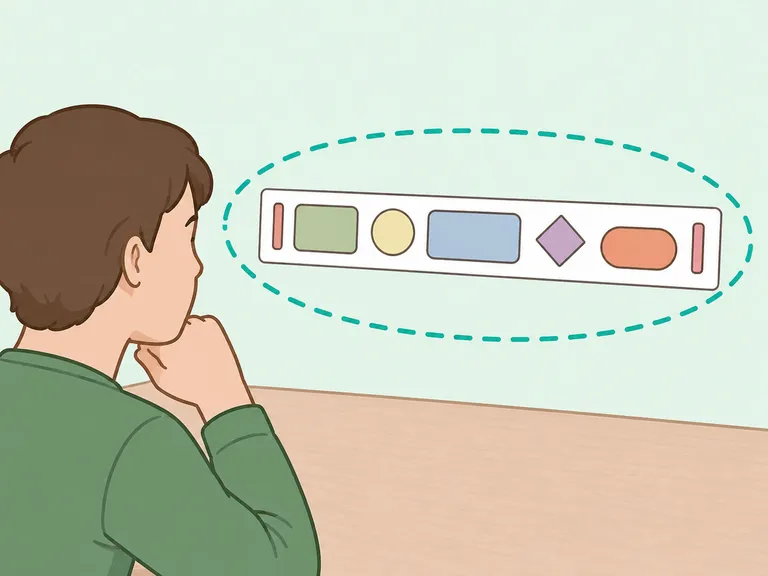
Recognize the phrase as a negative imperative
Start by noticing the structure ne ... pas around a command or reassurance. The French imperative can express an order, request, wish, recommendation, or prohibition, and a negative imperative can tell someone not to do something, according to the OQLF's overview of the imperative. In this phrase, the meaning is reassuring: "don't worry."
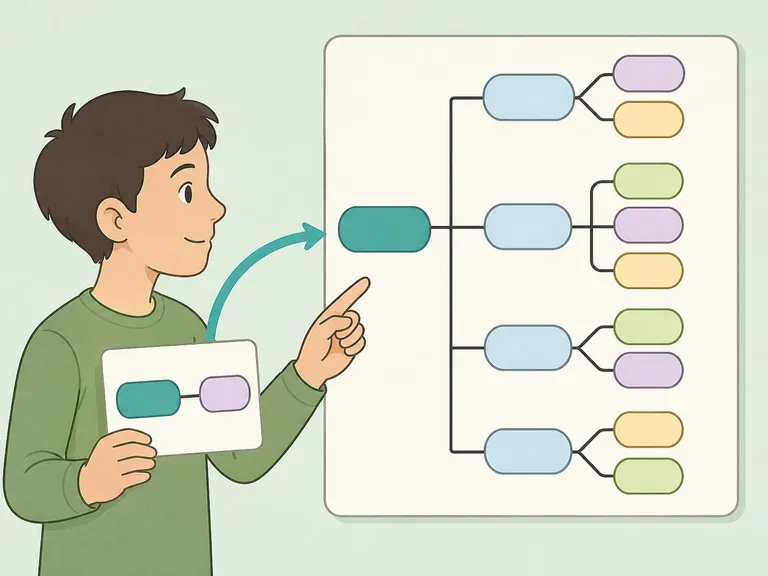
Identify the verb as "s'inquiéter"
The verb behind the expression is s'inquiéter, the pronominal form of inquiéter. The CNRTL entry for inquiéter gives the pronominal meaning as worrying or being concerned, which matches the everyday sense of ne t'inquiète pas. Once you know the infinitive is an -er verb, the imperative rule becomes easier to apply.
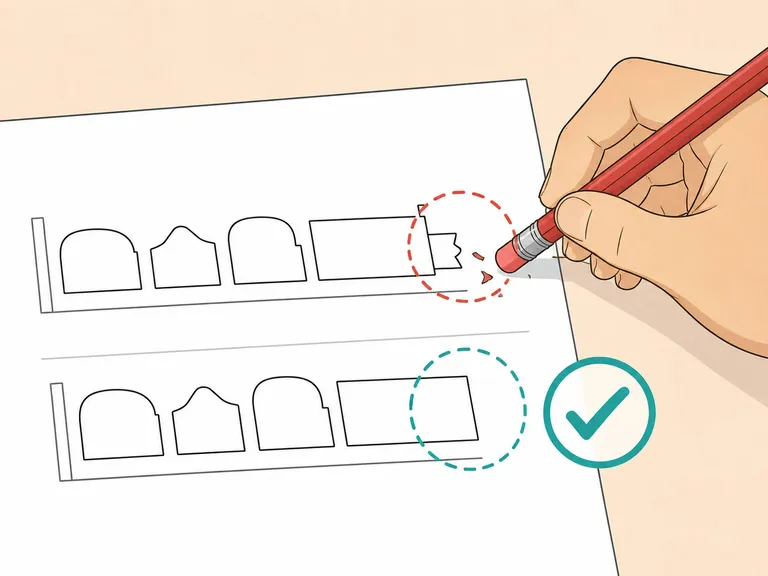
Use the second-person singular imperative without s
For -er verbs, the second-person singular imperative normally does not take a final s; the OQLF notes this as the main special form of the present imperative for these verbs in its page on forms of the imperative. The conjugation table for inquiéter also lists the present imperative as inquiète, inquiétons, inquiétez. So the command form is inquiète, not inquiètes.
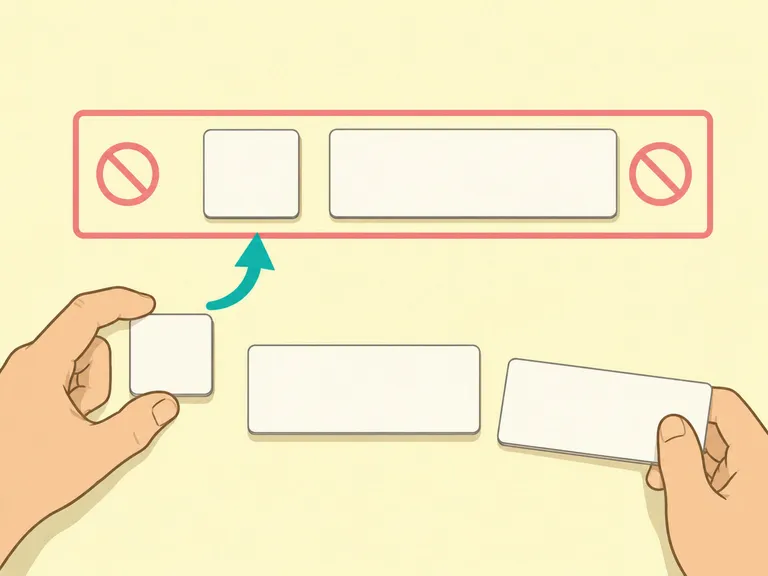
Place "te" before the verb in the negative form
In an affirmative pronominal imperative, the pronoun comes after the verb, as in inquiète-toi. In a negative imperative, personal pronouns move before the verb and are not joined to it by a hyphen, as the OQLF explains in its guide to pronouns with the imperative. That gives ne t'inquiète pas.
Keep the grave accent in "inquiète"
Do not write inquiete without accents or inquiéte with the wrong accent in careful French. The present forms shown in the conjugation of inquiéter use inquiète for the singular present forms and the singular imperative. The accent is part of the spelling, not a decoration.
Reserve "inquiètes" for forms with "tu"
The spelling inquiètes is correct when the subject is expressed, as in tu t'inquiètes. The same conjugation source lists tu inquiètes at the present indicative, while the imperative remains inquiète. If your sentence has tu, the s may belong; if it is a command without tu, remove it.
Ignore the "en" and "y" exception here
French does add an s to some -er imperatives before en or y, mostly for pronunciation, as the OQLF explains in its imperative spelling rules. Examples include forms like penses-y or manges-en. Ne t'inquiète pas is followed by pas, so this exception does not apply.
Check the sentence with a quick replacement test
Replace s'inquiéter with another -er verb such as se dépêcher: you would write ne te dépêche pas, not ne te dépêches pas. The same imperative pattern gives ne t'inquiète pas. This test is useful because the OQLF distinguishes imperative instructions from infinitive instructions and reminds writers to keep a consistent form in practical texts through its page on imperative and infinitive use.
Article Summary
The bottom line: use "ne t'inquiète pas" for the negative imperative because the second-person singular imperative of s'inquiéter is inquiète, without a final s. Save inquiètes for forms with an expressed subject such as tu t'inquiètes.
Frequently Asked Questions
- Which spelling is correct: "ne t'inquiète pas" or "ne t'inquiètes pas"?
The correct spelling is "ne t'inquiète pas" when you are telling one person not to worry. It is a negative imperative, so the verb form is inquiète, without a final s.
- Why is there no s in "ne t'inquiète pas"?
Because s'inquiéter is a first-group verb ending in -er, and the second-person singular imperative of these verbs normally drops the final s. That is why the imperative is inquiète, not inquiètes.
- When should I write "tu t'inquiètes"?
Write "tu t'inquiètes" when the subject tu is expressed and you are using the present indicative or present subjunctive form. It is not the same construction as the imperative ne t'inquiète pas.
- Is "t'inquiète pas" acceptable?
"T'inquiète pas" is common in informal speech and messages, but the complete standard negative form is "ne t'inquiète pas". In careful writing, keep ne.
- Does the rule change with "vous"?
Yes. With vous, the imperative form is "ne vous inquiétez pas", because the second-person plural imperative matches vous inquiétez.
- Can the imperative ever regain an s?
Yes, some -er imperatives add an s before the pronouns en or y, as in penses-y. That exception does not apply to "ne t'inquiète pas", because it is followed by pas, not en or y.
References
Trusted culinary resources helped guide and refine this article.
- https://vitrinelinguistique.oqlf.gouv.qc.ca/24203/la-grammaire/le-verbe/conjugaison/formes-de-limperatif
- https://vitrinelinguistique.oqlf.gouv.qc.ca/24202/la-grammaire/le-verbe/modes/imperatif/generalites-sur-limperatif
- https://vitrinelinguistique.oqlf.gouv.qc.ca/24206/la-grammaire/les-pronoms/pronoms-personnels/pronoms-personnels-employes-avec-un-verbe-a-limperatif
- https://vitrinelinguistique.oqlf.gouv.qc.ca/24208/la-grammaire/le-verbe/modes/imperatif/distinction-entre-limperatif-et-linfinitif
- https://fr.wiktionary.org/wiki/Conjugaison%3Afran%C3%A7ais/inqui%C3%A9ter
- https://www.cnrtl.fr/definition/inqui%C3%A9ter