
 Pin this recipe
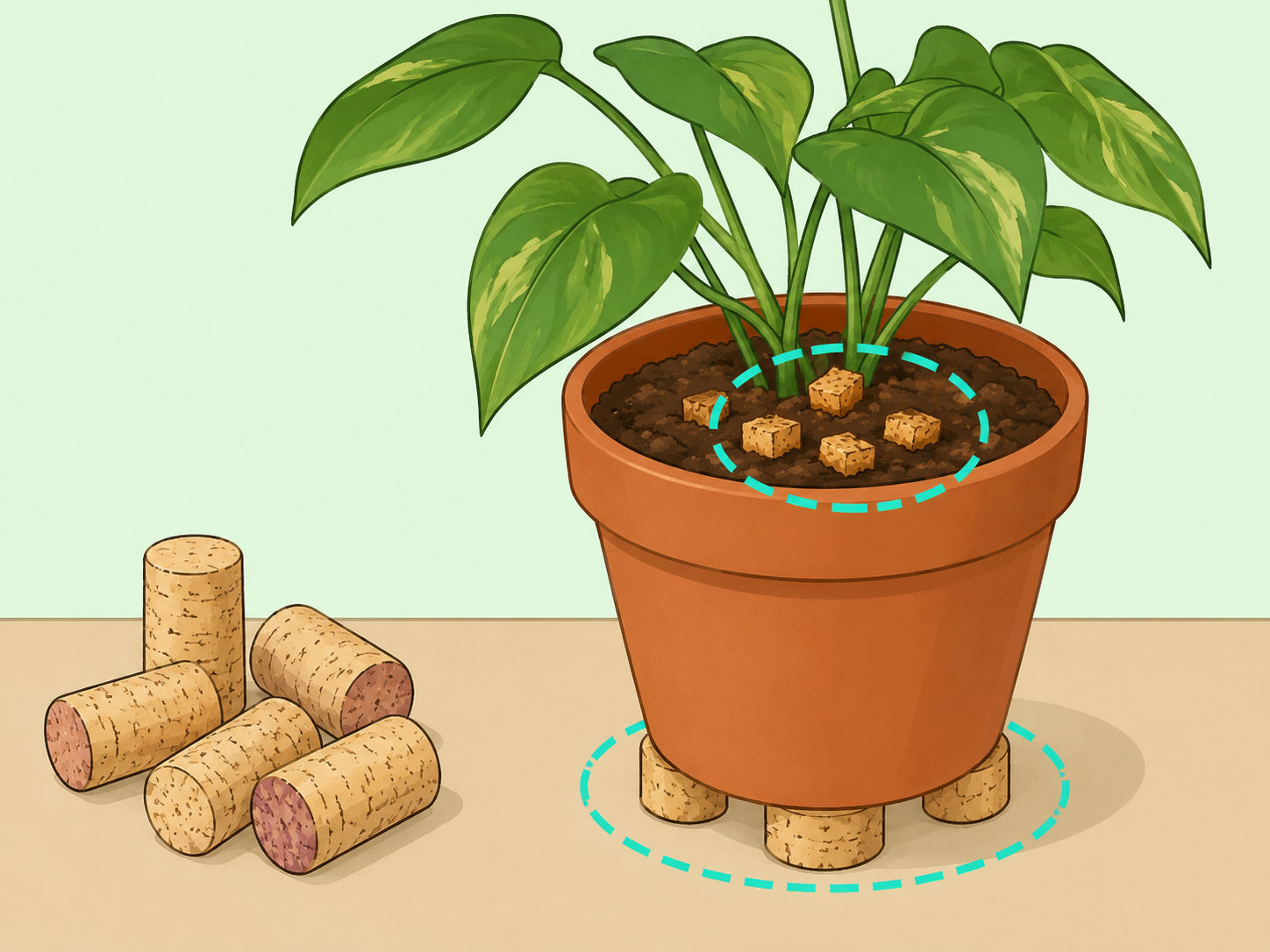
Gardeners put corks around plants because natural cork is light, water-resistant, and useful for simple container-garden jobs. It can act as a surface mulch, lift pots slightly for better airflow, become a plant marker, or break down slowly in compost. The trick is to use real cork safely and not treat it as a cure for poor drainage, weak soil, or overwatering.
Choose natural corks only
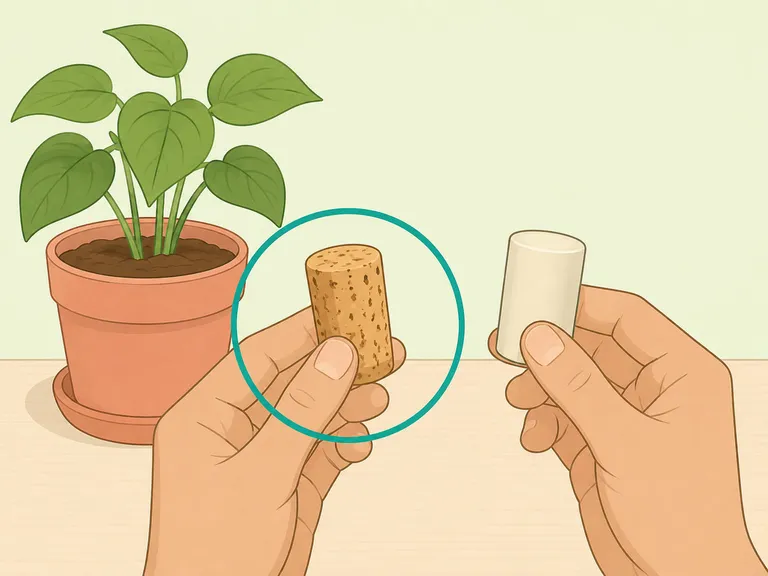
Use real cork from wine bottles, not smooth synthetic stoppers, foam, plastic, or painted decorative corks. Natural cork is made from cork oak bark and can be reused in gardens as mulch, pot feet, markers, or compost material, as described by Better Homes & Gardens' cork reuse guide.
Clean off foil, glue, and residue
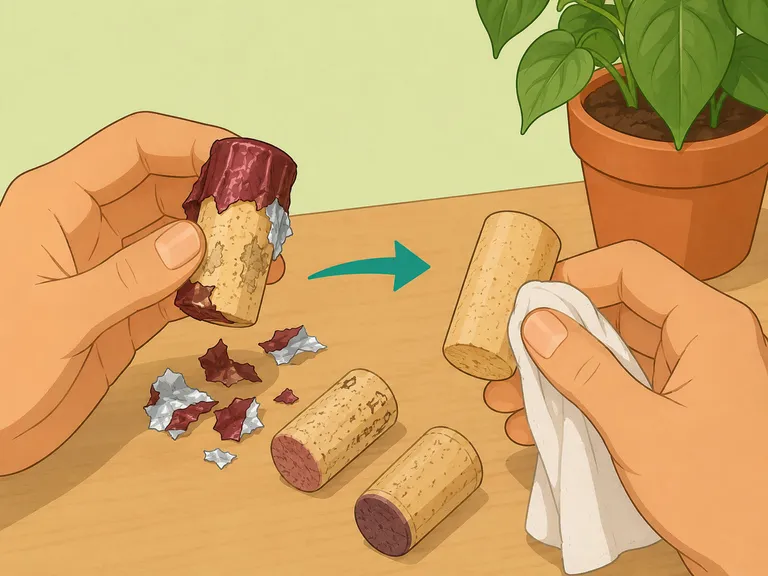
Remove foil caps, wire, stickers, wax, and obvious glue before using corks near plants. Rinse dusty corks and let them dry fully so you are not adding wine residue or debris to the pot surface.
Break corks into small chunks
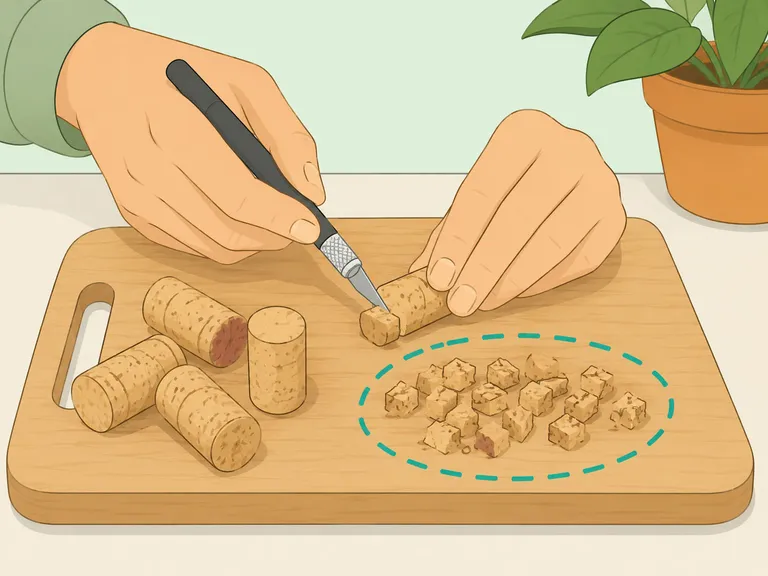
Slice or crumble natural corks into small pieces before placing them in a pot. Smaller pieces sit more evenly, are easier to spread as a surface layer, and break down faster if you later compost them; the EPA composting guide also recommends chopping tough compost ingredients to help them decompose.
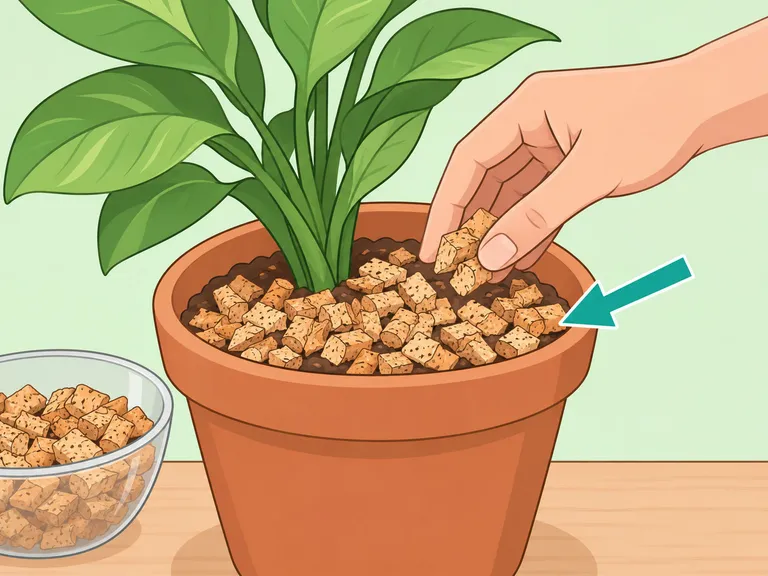
Spread a thin cork layer on container soil
Place the cork pieces on top of the soil, not buried deep in the root zone. Like other mulches, a loose surface layer can help reduce exposed soil, conserve moisture, and limit some weed growth, which are common mulch benefits explained by AP's gardening mulch guide.
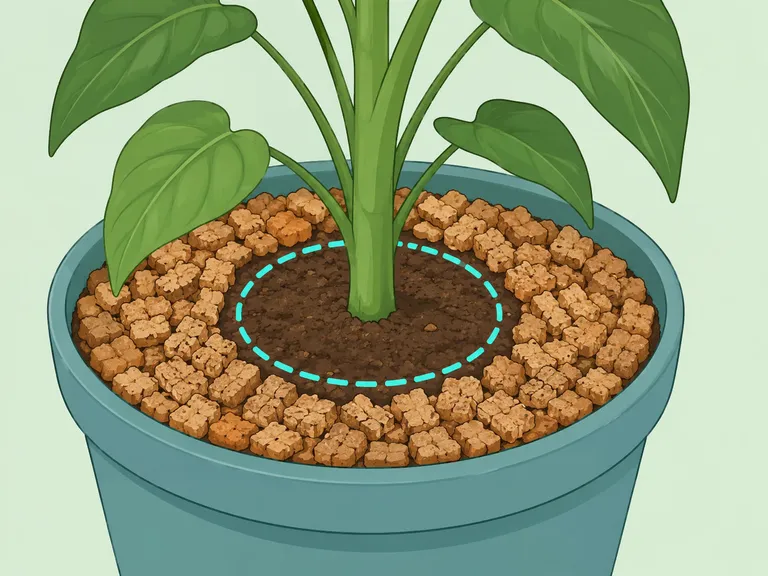
Keep cork away from stems
Leave a small open ring around the plant crown, stems, or trunk so moisture does not stay pressed against tender tissue. Mulch piled directly against stems can trap dampness and encourage rot, so keep cork pieces a little back from the base of the plant.
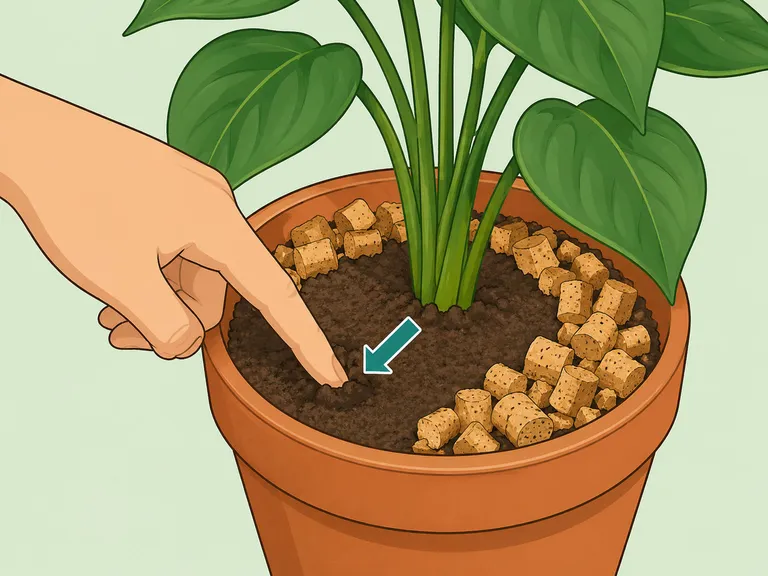
Check soil moisture before watering
Cork on the surface can make a pot look dry when the mix underneath is still damp. Check moisture with your finger before watering because container plants need both good moisture and oxygen around the roots, and container gardening guidance warns that excess water in the root zone can lead to root rot.
Use corks as pot feet instead of a drainage layer
For heavy patio pots, cut several corks to the same height and place or glue them under the pot to lift it slightly off the ground. This helps water leave the drainage holes and keeps the pot from sitting in a puddle, while the real drainage work still comes from holes and a suitable potting mix.
Turn extra corks into labels or stake caps
Push a natural cork onto a skewer to make a plant label, or cap the top of a sharp bamboo stake with a cork. This is a practical reuse for corks in herb pots, seedlings, and vegetable containers, and it keeps the cork visible instead of mixed through the soil.
Compost leftover cork pieces slowly
Add small pieces of natural cork to a home compost pile as a dry, carbon-rich brown material, then mix them with nitrogen-rich greens and moisture. The EPA recommends balancing browns, greens, water, and air for active composting, so do not add a large bag of corks all at once.
Article Summary
The bottom line: natural corks are best used on top of the soil, under the pot, or in the compost pile. Keep them clean, cut them small, avoid synthetic corks, and rely on proper potting mix and drainage holes for plant health.
Frequently Asked Questions
- Why do gardeners put corks in plant pots?
They usually do it to reuse natural wine corks as light mulch, pot feet, labels, stake caps, or compost material. Cork can help with moisture conservation on the soil surface, but it is not a replacement for good potting mix, drainage holes, or correct watering.
- Can corks improve drainage inside a plant pot?
Do not rely on buried cork chunks as the main drainage fix. Container plants need drainage holes and a loose potting mix; extra material at the bottom can reduce root space and may not solve waterlogging.
- Are synthetic wine corks safe for plants?
Synthetic corks are usually plastic or foam, so keep them out of soil and compost. Use them for crafts if you like, but choose natural cork for garden mulch or composting.
- Will corks fertilize my plants?
Not in any quick or meaningful way. Natural cork breaks down slowly, so think of it as a reuse material or a slow compost brown rather than plant food.
- Can I use corks on indoor houseplants?
Yes, but use a thin layer and check the soil before watering. Indoor pots dry more slowly than outdoor containers, so a thick cork layer can make it harder to judge moisture.
- Do corks stop fungus gnats?
Cork mulch may make the soil surface less exposed, but it is not a guaranteed fungus gnat treatment. Let the top layer of potting mix dry between waterings when the plant allows it, and address overwatering first.
References
Trusted culinary resources helped guide and refine this article.