
 Pin this recipe
Flies are worst in warm weather because food waste, pet mess, open doors, and uncovered bins give them easy places to feed and breed. The most reliable way to keep them out is not a single scent or spray, but a steady routine of exclusion, sanitation, and targeted trapping. This guide shows you how to make your home much less attractive to flies all summer.
Find the source before you start spraying
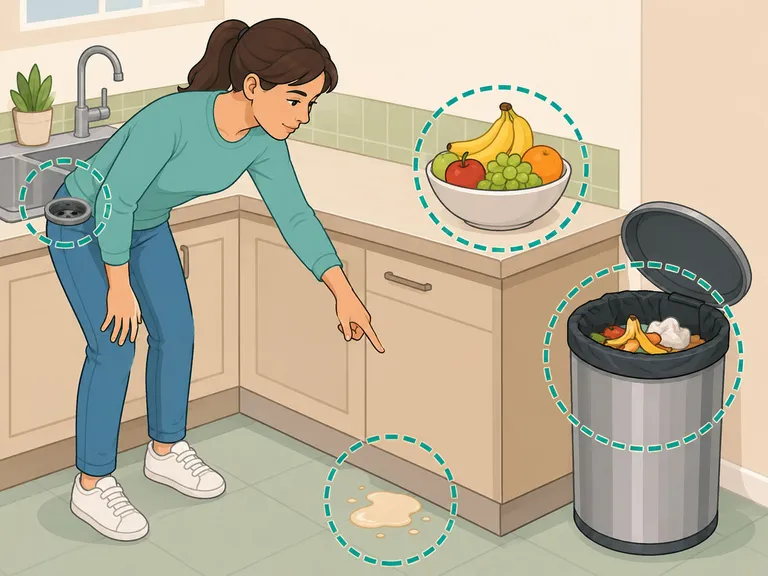
Walk through the kitchen, trash area, pet area, drains, pantry, porch, and garage to find what is attracting the flies. Integrated pest management starts with identifying the pest and removing its food, water, and shelter, which works better than chasing adult flies one by one.

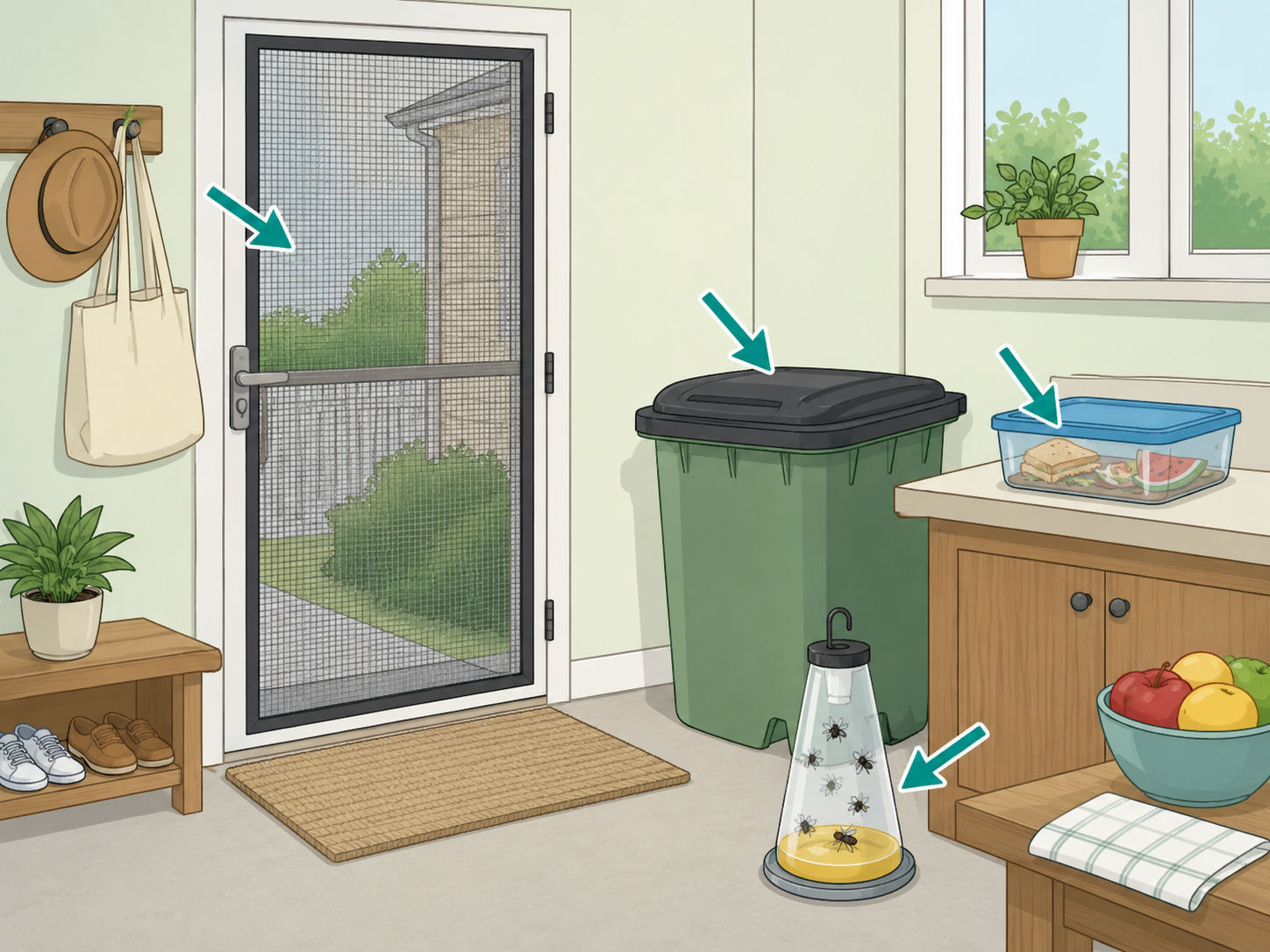
Repair screens and seal gaps around doors
Check window screens, sliding doors, weather stripping, vents, and gaps around pipes. UC IPM says flies found indoors usually entered from outside, and screens and sealed cracks are the first line of defense.
Empty kitchen trash before it smells
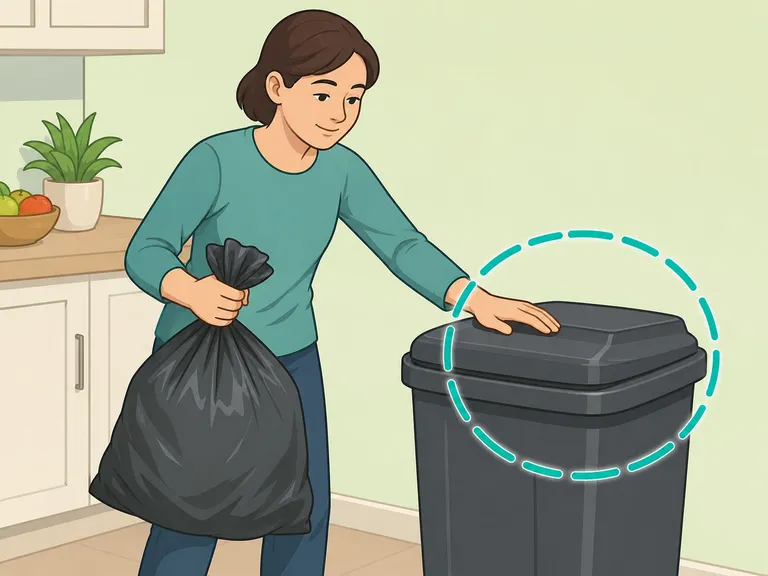
Bag food scraps tightly, keep the trash can lid closed, and empty kitchen trash often during hot weather. The EPA recommends keeping tight lids on trash and emptying it often because pests are drawn to easy food sources.
Move outdoor bins away from entrances
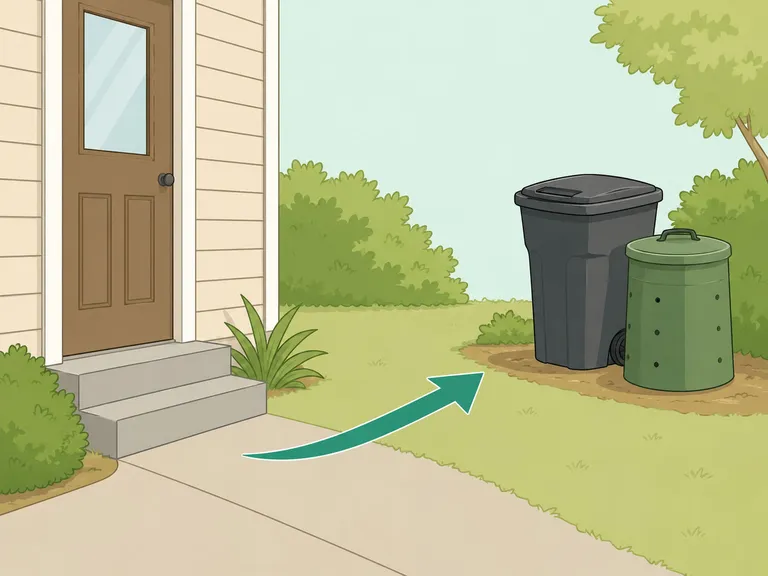
Place outdoor garbage, recycling, and compost containers as far from doors and open windows as practical. UC IPM recommends keeping garbage away from building entrances and using tight-fitting lids to reduce adult fly attraction and breeding sites.
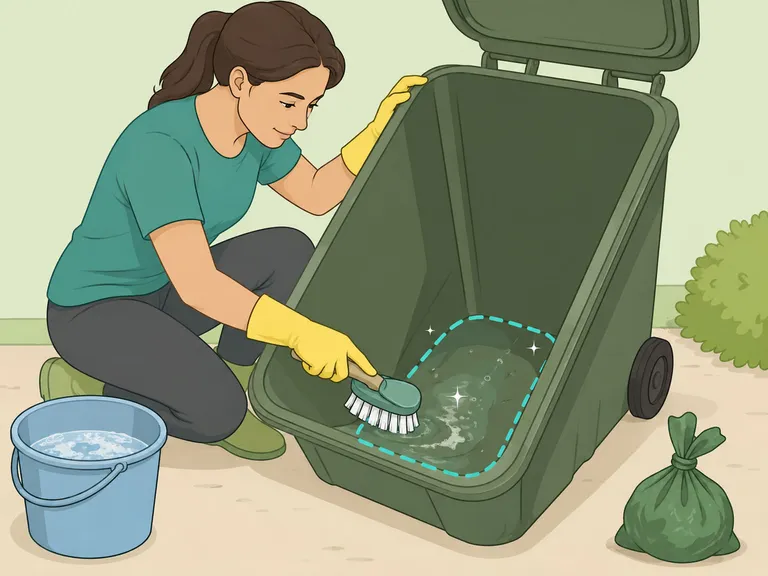
Clean bin residue and remove pet waste
Scrub sticky bin bottoms, rinse recycling containers, and pick up pet waste from the yard regularly. UC IPM notes that organic waste such as pet feces, rotting fruit, and kitchen waste can attract flies and support breeding.
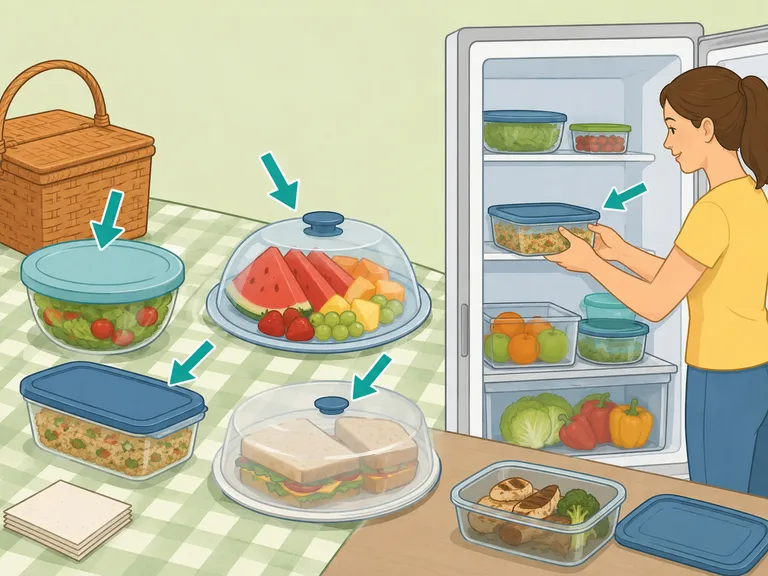
Cover food and refrigerate perishables quickly
Keep fruit, meat, leftovers, and picnic food covered when doors or windows are open. The CDC advises following food safety steps such as keeping surfaces clean and refrigerating perishable food promptly, which also reduces the odors and exposed food that attract flies.
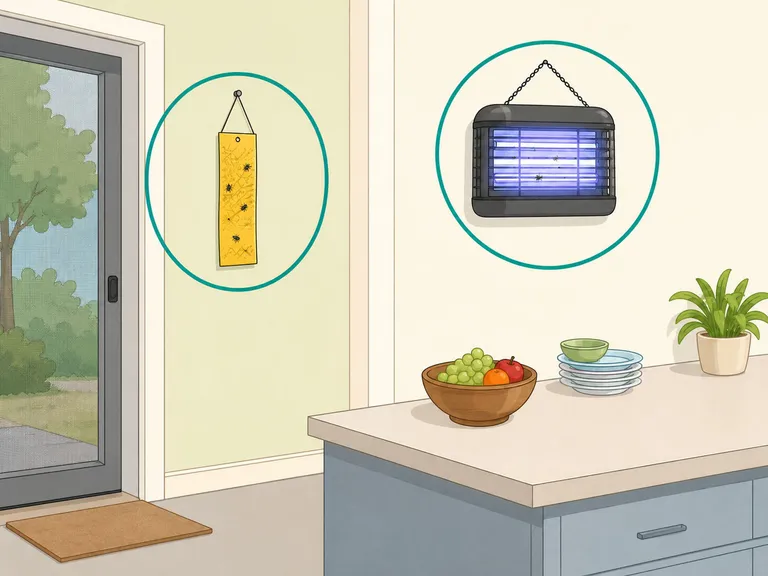
Use traps where flies gather, not near food
Place sticky ribbons, enclosed light traps, or outdoor baited traps where flies rest or enter, while keeping foul-smelling outdoor traps away from living spaces. UC IPM says sticky fly paper can help with a few indoor flies, but traps are not enough if garbage or pet waste is still nearby.
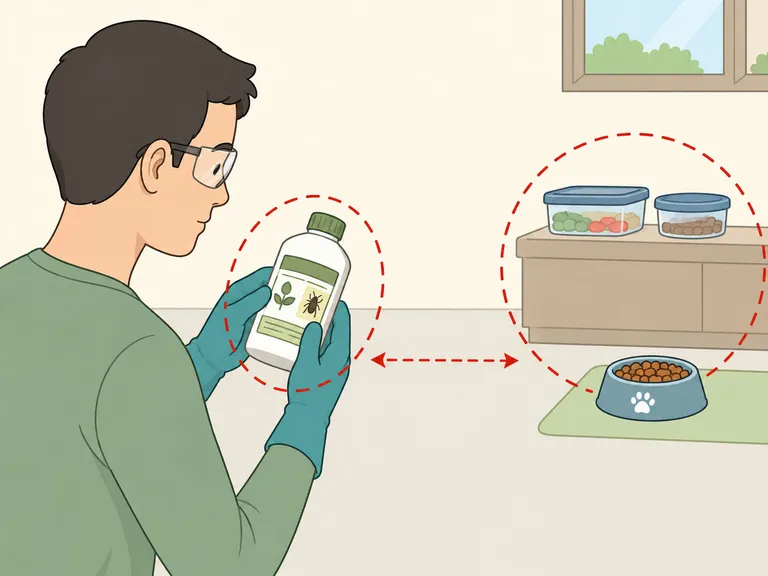
Save pesticides for last and follow the label
Use pesticides only after cleaning, sealing, and trapping have not controlled the problem. UC IPM says chemicals are rarely needed for residential fly management, and NPIC explains that pesticide labels provide legal directions, hazards, storage, and disposal instructions that must be followed carefully.
Article Summary
The bottom line: long-term fly control starts with sanitation and exclusion. Seal the openings, keep food and trash covered, remove organic waste quickly, and use traps or pesticides only as a careful backup.
Frequently Asked Questions
- What smell keeps flies away permanently?
- No smell keeps flies away permanently. Scented herbs or essential oils may seem helpful for a short time, but reliable control comes from removing food waste, sealing entry points, covering trash, and using traps where flies gather.
- Why do I suddenly have so many flies in summer?
- Warm weather speeds up fly activity, and small attractants become bigger problems: garbage residue, pet waste, rotting fruit, uncovered compost, or a torn screen. Look for the source first instead of only swatting adult flies.
- Do fly traps solve the problem by themselves?
- Traps can reduce adult flies, but they do not remove eggs, larvae, or the material attracting flies. Use traps after you clean trash areas, seal food, repair screens, and remove pet waste.
- Should I use bug zappers indoors?
- Avoid using bug zappers near kitchens, dining areas, or food preparation spaces. UC IPM warns that insect parts can be scattered when flies hit the wires, so sticky traps or enclosed light traps are a better indoor backup.
- How often should I clean outdoor garbage bins in summer?
- Rinse and scrub bins whenever you notice residue or odor, and bag food waste before it goes outside. In hot weather, a dirty bin can keep attracting flies even after the trash has been collected.
- When should I call pest control for flies?
- Call a licensed pest control professional if flies keep returning after you remove trash, pet waste, rotting food, and entry points, or if you suspect a hidden source such as a dead animal in a wall, attic, crawl space, or chimney.
References
Trusted culinary resources helped guide and refine this article.