
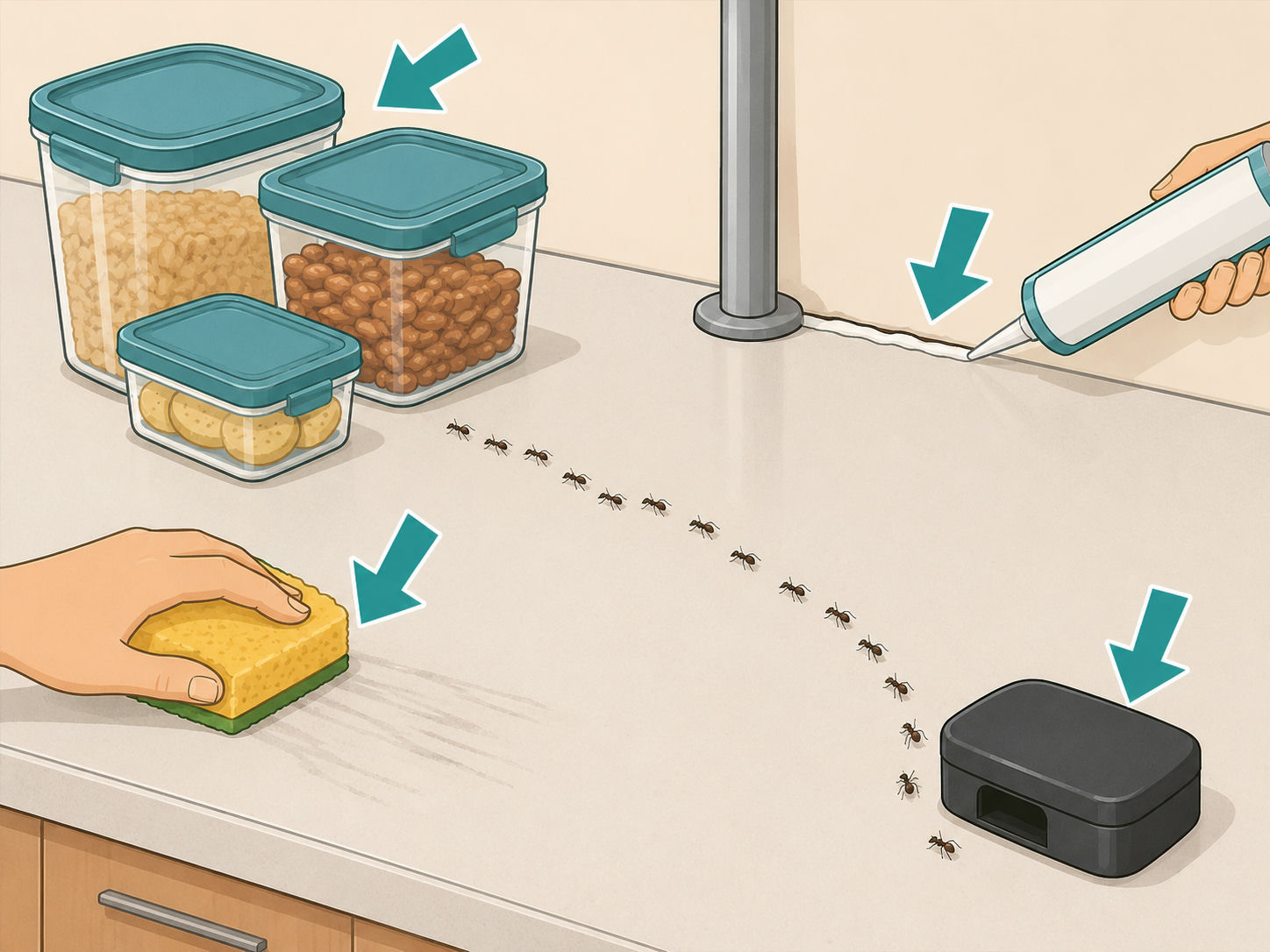
 Pin this recipe
Ants usually come indoors for food, water, or shelter, so the most effective fix is to make the home less inviting and target the colony instead of only the ants you see. This guide explains four practical tactics: clean up attractants, erase trails, block entry points, and use bait carefully. Follow the steps in order for a safer, longer-lasting result.
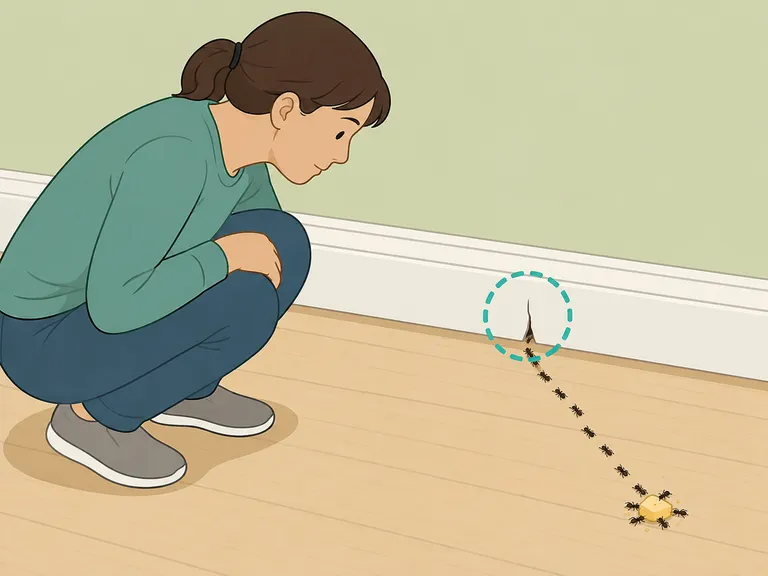
Follow the trail before you clean it
Watch the ants for a few minutes so you can see where they are entering and what they are feeding on. Correct identification matters because different ants nest and feed differently, and the University of Minnesota Extension notes that species affects the best control method. Once you know the route, you can treat the real problem instead of only wiping random spots.
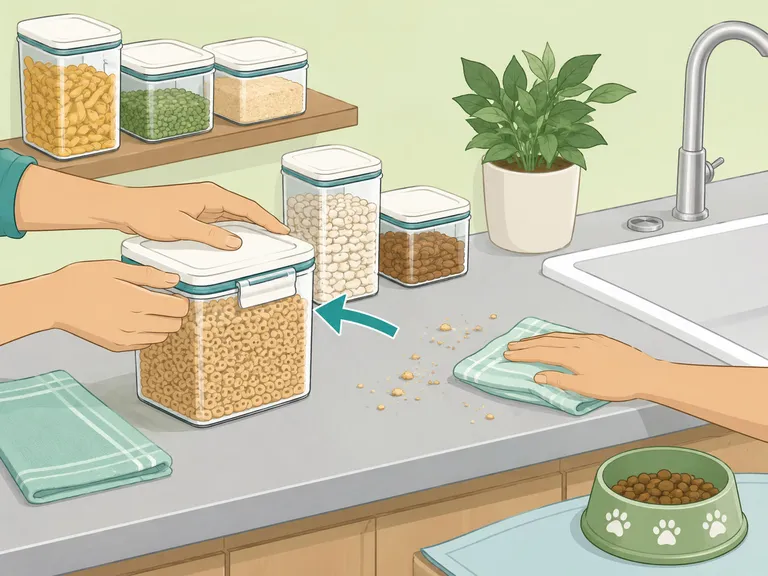
Remove food and water attractants
Put sugar, cereal, pet food, honey, and snacks into hard sealed containers, then clean sticky spills, grease, crumbs, and trash bins. Ants are often drawn indoors by food and water, and the EPA recommends controlling pests first by removing food, water, and shelter. Fix dripping faucets, dry wet counters, and avoid leaving pet food out overnight.
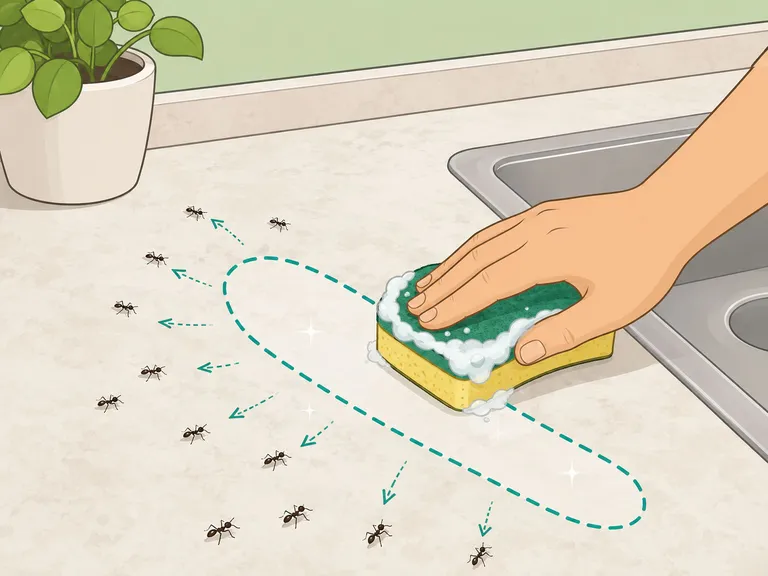
Wipe the ant trail with soapy water
Use a sponge or cloth with soapy water to wipe the trail from the food source back toward the entry point. This removes the scent path ants use to guide other workers, a step recommended by both NPIC ant control guidance and university IPM programs. Vacuum clusters if needed, then empty the vacuum outdoors promptly.
Seal the cracks ants are using
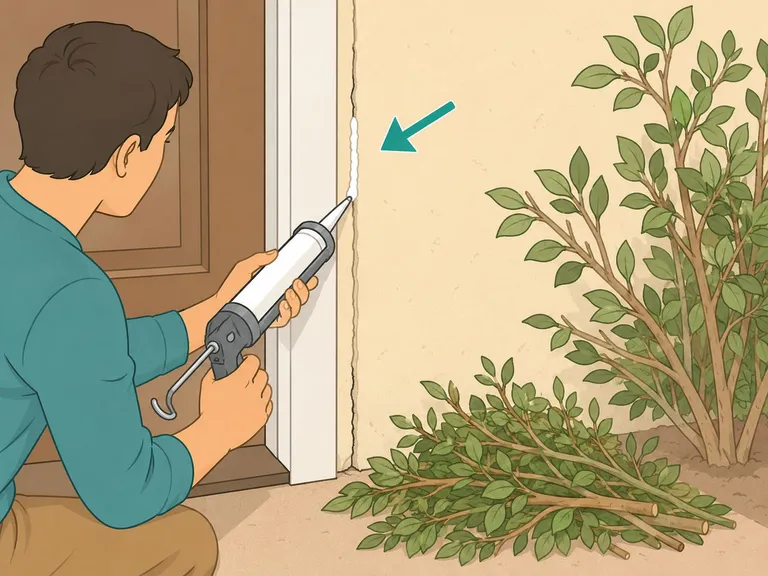
Caulk cracks around baseboards, windows, doors, pipes, and foundation gaps after you identify the entry route. The UC Statewide IPM Program recommends caulking openings, keeping vegetation and mulch away from foundations, and fixing leaks to make buildings less attractive to ants. Trim branches or shrubs that touch the house so ants have fewer bridges indoors.
Place bait where ants are already active
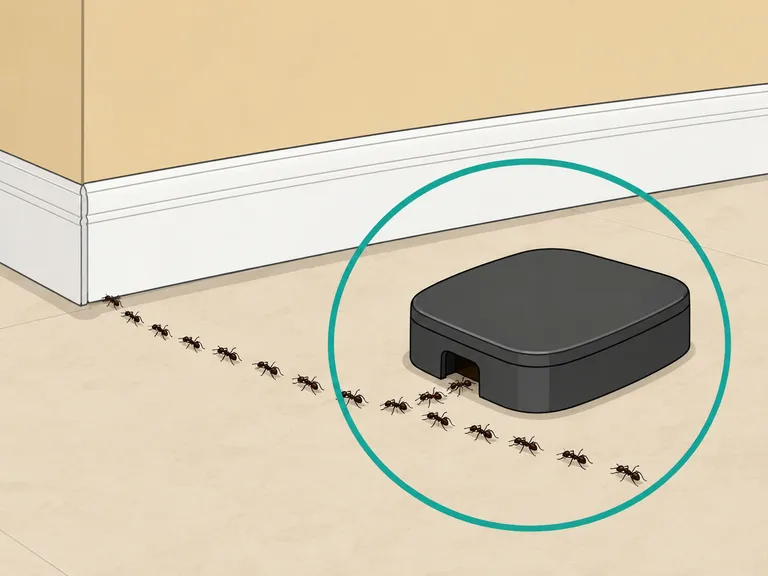
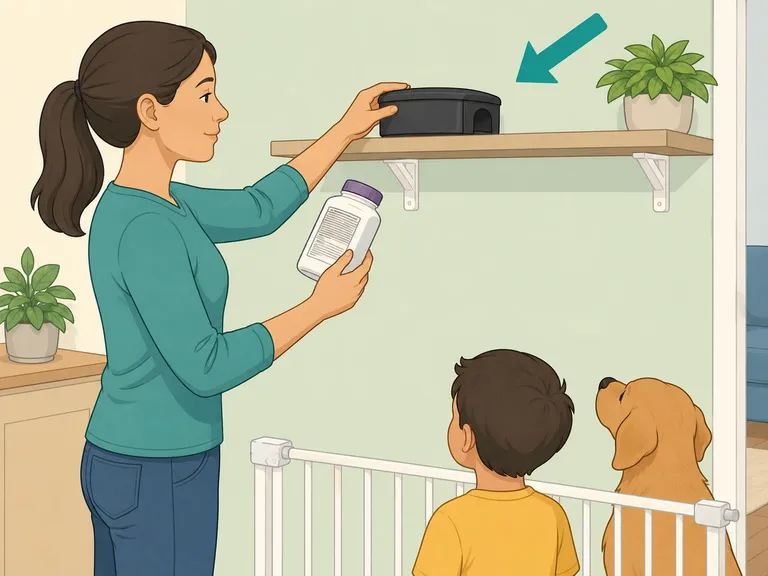
Set enclosed bait stations or labeled gel bait close to active trails, entry points, or outdoor nest openings, but keep them away from children and pets. Ant baits work because workers carry slow-acting bait back to the nest, where it can reach more of the colony, according to UC IPM bait guidance. If ants ignore one bait, move it slightly or try a different labeled bait type.
Avoid spraying over the bait
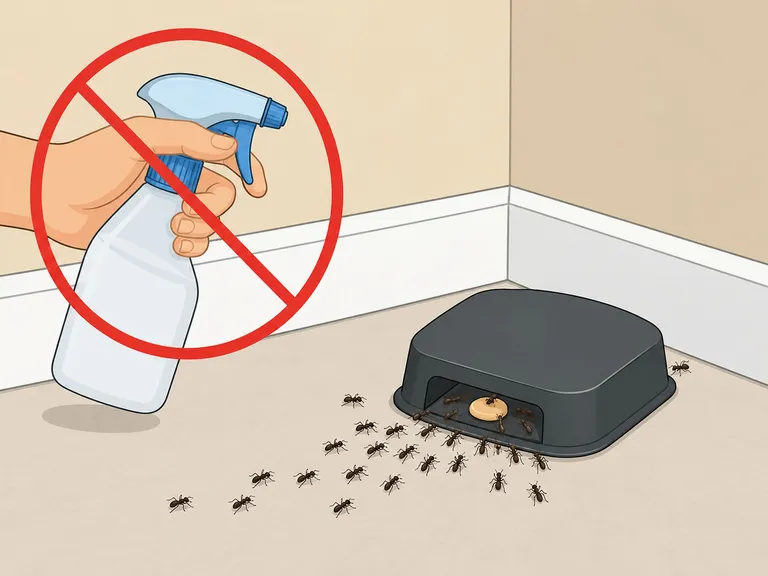
Do not spray insecticide on ants that are feeding from bait or along the trail leading to it. Sprays can kill foragers before they share bait with the nest, and University of Minnesota Extension warns that spraying foraging workers is not effective for hidden nests such as carpenter ants. Give bait several days to work and replace it when empty, following the product label.
Use pesticide products safely
Read the full label before buying or using any ant pesticide, and use it only in the places listed on that label. NPIC advises trying lower-toxicity options first and following all label instructions for ant products. Never use unlabeled powders, farm pesticides, or insecticide chalk indoors.
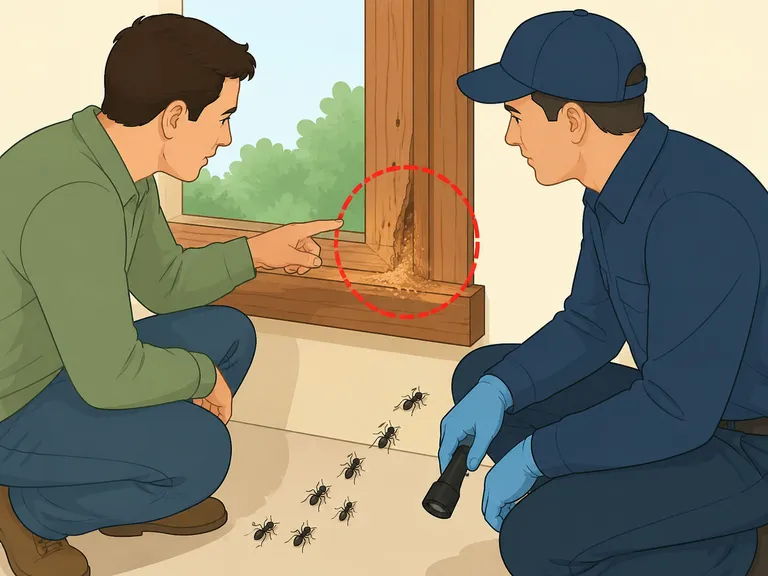
Get help for carpenter ants or stubborn infestations
Call a pest management professional if you see large black ants, winged ants indoors, sawdust-like material near wood, stinging ants, or trails that keep returning after cleaning, sealing, and baiting. Carpenter ants can damage wood by tunneling for nests, and Extension guidance on carpenter ants says control is often best handled by professionals because nests are hidden and may require targeted treatment. A professional can identify the ant and treat the nest without unnecessary whole-house spraying.
Article Summary
The bottom line: do not just spray the ants you see. Clean away food and water, erase the trail, seal the route, and place bait where ants are already feeding so workers can carry it back to the nest.
Frequently Asked Questions
- What is the fastest way to stop ants on a counter?
Wipe the ants and trail with soapy water, remove the food or spill that attracted them, and look for the entry point. Then place bait near the trail if ants keep returning.
- Should I spray ants indoors?
Spraying visible ants may reduce the number you see for a short time, but it usually does not reach the nest. Baiting and sealing entry points are better for repeated indoor trails.
- Why do more ants appear after I set bait?
Bait is designed to attract foraging ants, so activity can briefly increase. Leave the bait in place unless the label says otherwise, and avoid spraying nearby because that can stop ants from feeding on it.
- Can vinegar get rid of ants permanently?
Vinegar or soapy water can help wipe away scent trails, but it does not usually eliminate the colony. Use it as a cleanup step, not as the only treatment for a recurring trail.
- Are ant baits safe around pets and children?
Use only labeled products, choose enclosed bait stations when possible, and place them where children and pets cannot reach them. Always follow the product label exactly.
- When should I call a pest control professional?
Call a professional if you see large carpenter ants, sawdust-like material near wood, winged ants indoors, stinging ants, or trails that keep returning after cleaning, sealing, and baiting.
References
Trusted culinary resources helped guide and refine this article.
- https://ipm.ucanr.edu/home-and-landscape/ants
- https://npic.orst.edu/pest/ant.html
- https://www.epa.gov/safepestcontrol/do-you-really-need-use-pesticide
- https://www.epa.gov/safepestcontrol/avoid-illegal-household-pesticide-products
- https://extension.umn.edu/insects-infest-homes/ants
- https://extension.umn.edu/insects-infest-homes/carpenter-ants