
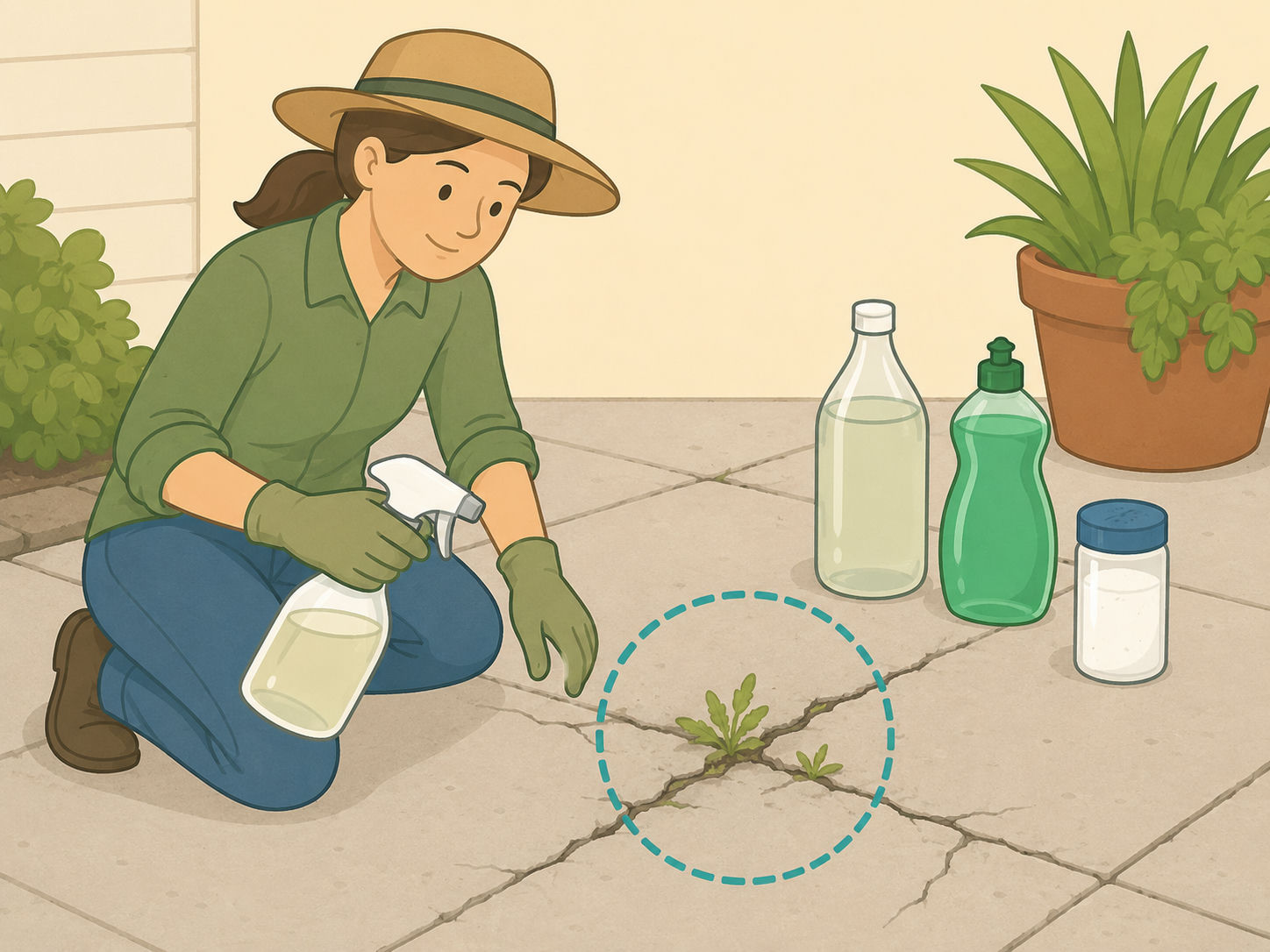
 Pin this recipe
The classic homemade weed killer uses vinegar, dish soap, and salt, but it needs to be used carefully. Vinegar sprays work best on small, young weeds on hard surfaces, not as a permanent fix for established roots. This guide shows how to mix it, where to use it, and when safer garden-bed methods are better.
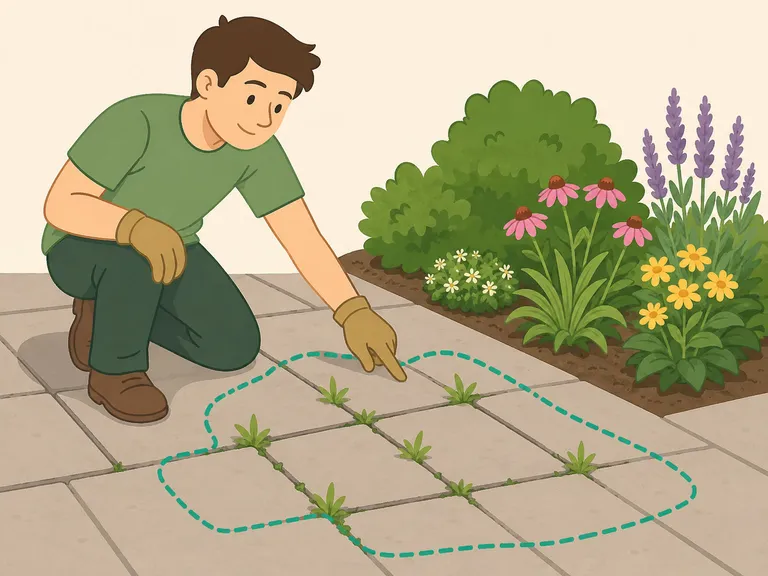
Choose a hardscape spot, not a garden bed
Use this spray only in places where you do not want plants growing, such as patio joints, driveway cracks, gravel edges, or path seams. Vinegar is nonselective and can damage grass, flowers, and vegetables if the spray drifts onto them.
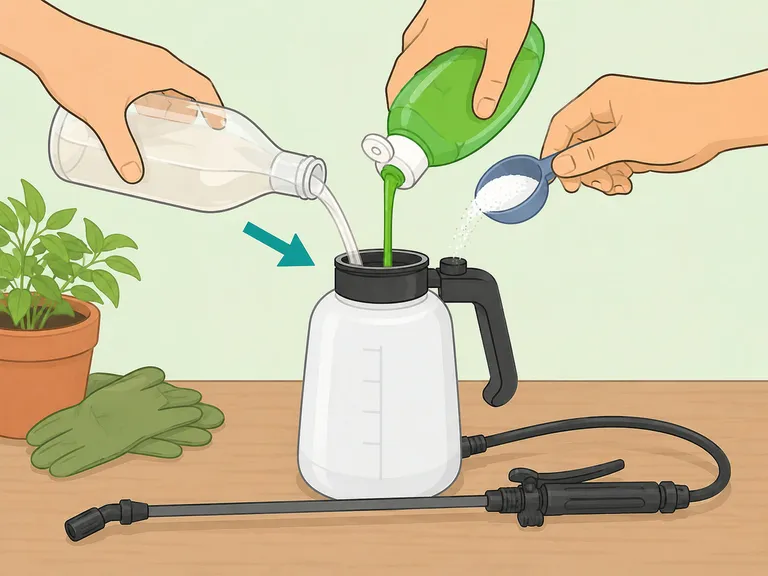
Mix vinegar, dish soap, and salt in a labeled sprayer
For the classic 3-ingredient mix, combine 1 gallon white vinegar, 2 tablespoons dish soap, and 1 cup salt, then stir until the salt dissolves as much as possible. Pour it into a sprayer and label the bottle clearly, following the same basic recipe described for homemade vinegar weed killer.
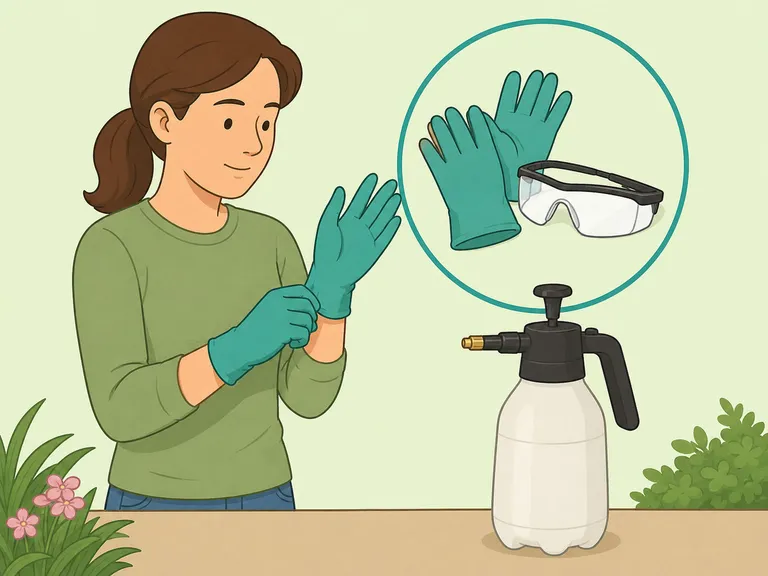
Put on gloves and protect your eyes
Wear gloves, long sleeves, and eye protection before spraying, especially if you are handling stronger vinegar products. Horticultural vinegar has a higher acetic acid concentration and can cause skin or eye burns, so treat it like a concentrated chemical.
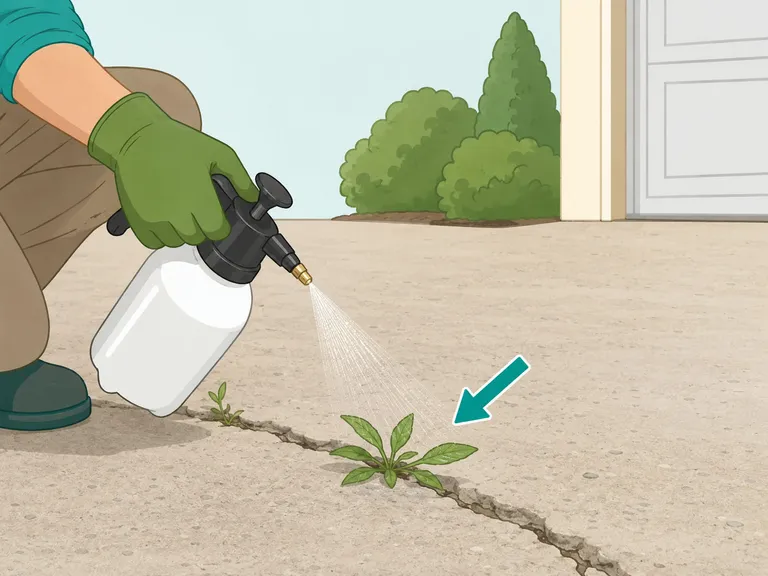
Spray young weeds on a dry, calm day
Pick a dry day with little wind so rain does not wash the spray away and mist does not drift onto wanted plants. Coat the weed leaves and growing center, because vinegar works by contact and is most useful on small annual weeds rather than deep-rooted perennials.
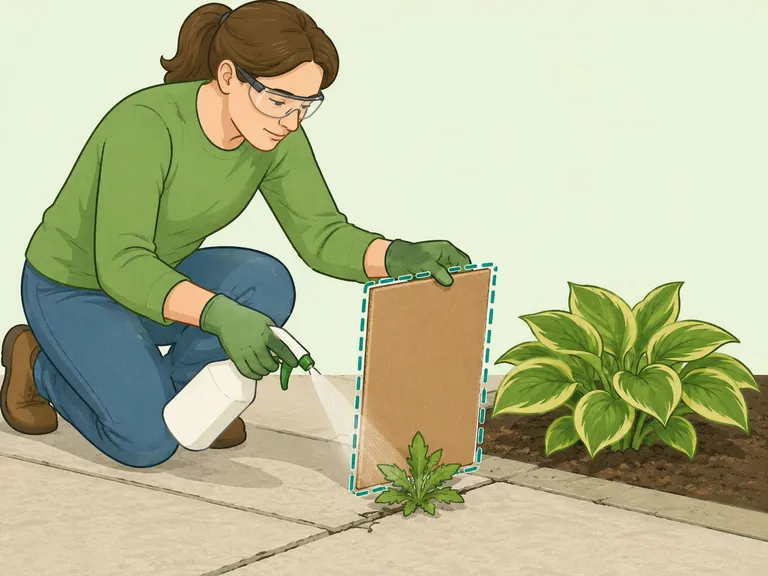
Shield nearby plants while you spray
Hold the nozzle close to the weed and aim low. If a wanted plant is nearby, place a piece of cardboard between it and the weed, or dab the mixture onto leaves with a small brush; these spot methods help reduce accidental damage from overspray.
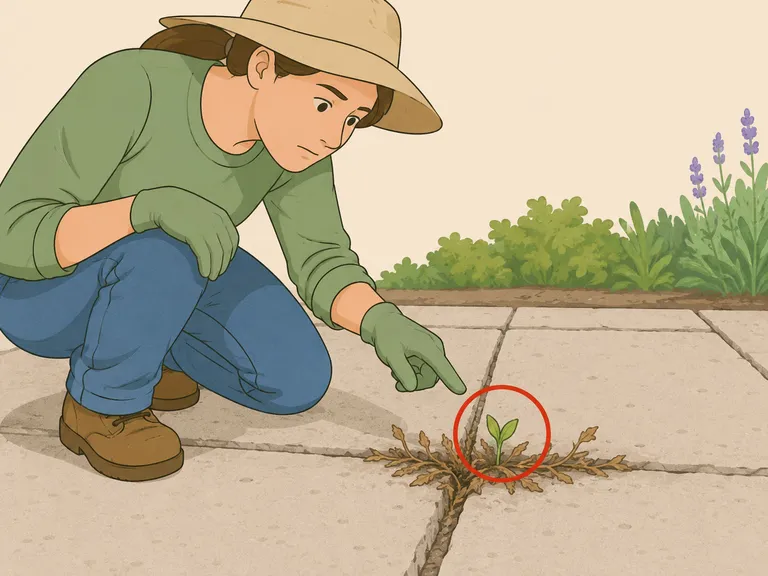
Let the foliage brown, then check for regrowth
Leave the treated weed alone for a few days and look for browning or wilting. Because household vinegar acts like a contact herbicide that burns leaves without reliably killing roots, check again after about two weeks and treat only new green growth if needed.
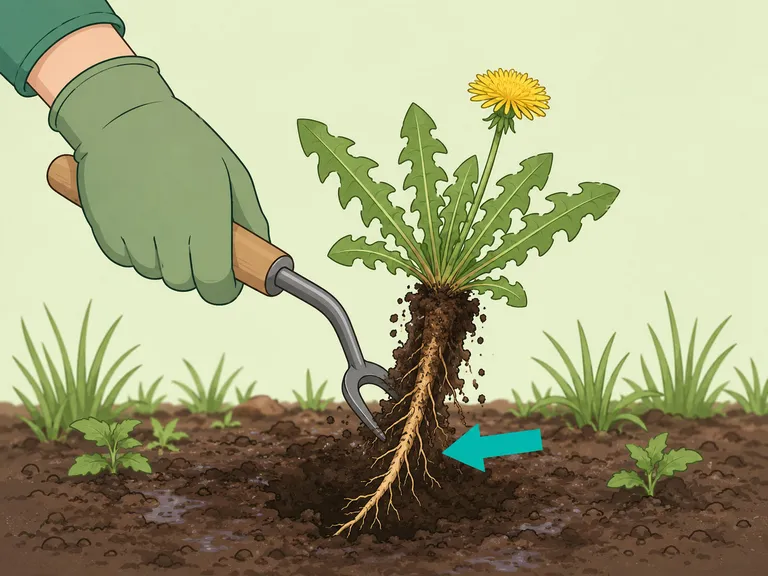
Pull deep-rooted weeds instead of respraying endlessly
For dandelions, thistles, bindweed, and other weeds with strong roots, loosen damp soil and pull out as much of the root as possible. Repeated vinegar use in planted areas can be hard on soil, while manual removal followed by mulch is a better garden-bed strategy.
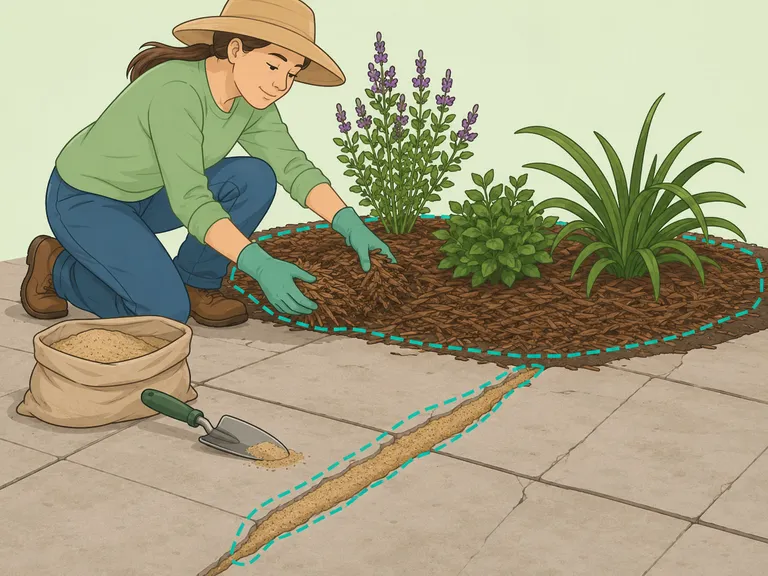
Prevent new weeds with mulch or sealed cracks
After removing weeds from beds, spread a 2- to 4-inch layer of organic mulch, keeping it away from plant stems. For patios and driveways, remove dead weeds and fill open cracks with sand or sealant; mulch, cardboard, and other barriers can block light and suppress new weeds without repeated spraying.
Article Summary
The bottom line: the vinegar, soap, and salt mix is best for small weeds in patio, path, or driveway cracks. Keep it out of lawns and garden beds, protect nearby plants, and prevent regrowth with pulling, mulch, or sealed cracks.
Frequently Asked Questions
- Does vinegar weed killer kill weeds permanently?
Usually not. Vinegar mainly damages the parts of the weed it touches, so deep-rooted or perennial weeds can grow back from the root.
- Can I use salt in garden beds?
No. Salt can build up in soil and make it harder to grow plants later, so keep salted mixes away from lawns, vegetable beds, flower beds, and tree roots.
- What weeds does this homemade spray work best on?
It works best on small, young annual weeds growing in hardscape cracks, gravel paths, or driveway edges where you do not want plants to grow.
- Can I leave out the salt?
Yes. A vinegar-and-soap spray is safer for areas near soil you may want to plant later, although it may be less aggressive and still only burns contacted foliage.
- Should I use stronger horticultural vinegar?
Only use stronger vinegar products if they are labeled for weed control and you can follow the label exactly. They can burn skin and eyes and can injure nearby plants.
- What is better for weeds in flower beds?
Hand-pull weeds while the soil is damp, remove as much root as possible, and cover bare soil with organic mulch. These methods are safer around plants you want to keep.
References
Trusted culinary resources helped guide and refine this article.
- https://www.bhg.com/gardening/pests/insects-diseases-weeds/vinegar-as-weed-killer
- https://www.bhg.com/gardening/how-to-garden/how-to-kill-weeds-naturally
- https://apnews.com/article/gardening-myths-vinegar-tilling-watering-c07faf7472e7a2dc40d3886b94f1b508
- https://www.gardeningknowhow.com/plant-problems/weeds/should-you-use-vinegar-for-weed-killer