
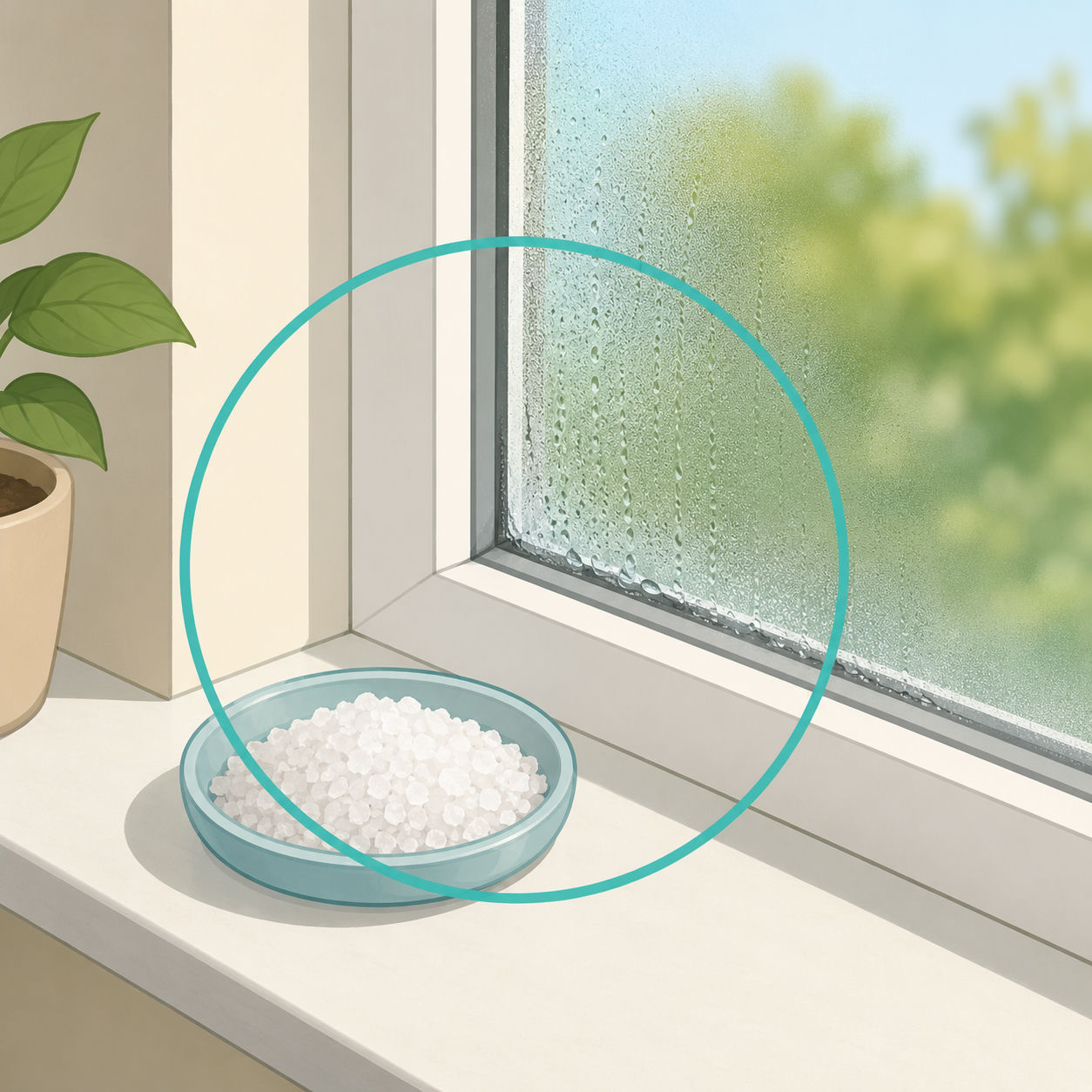
 Pin this recipe
Many older household tips say to leave coarse salt on the windowsill in summer. The practical reason is simple: salt can draw in moisture, so it may show you when a window area is damp. This guide explains how to try the trick safely, what it can help with, and where it is not enough.
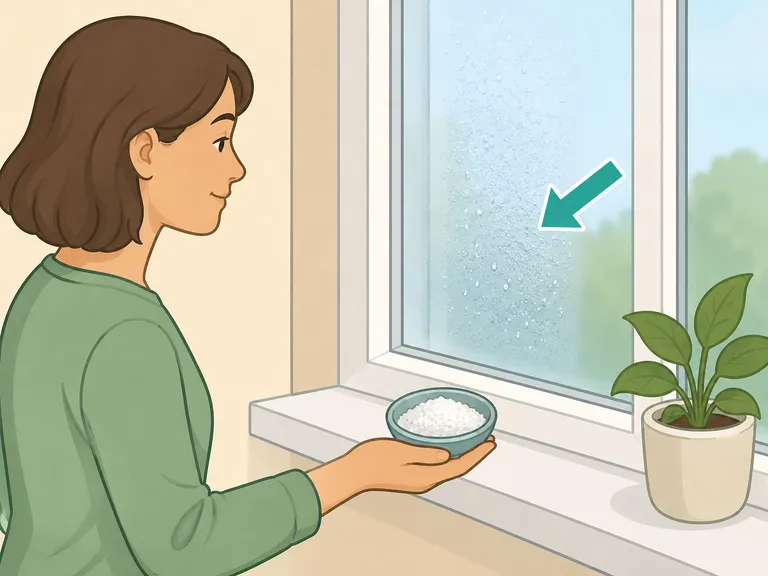
Use the trick for moisture, not magic
The old summer habit makes the most sense as a tiny moisture trick. Salt is sodium chloride, a common mineral described by the U.S. Geological Survey, and many salts can attract water from humid air through hygroscopy. Treat the salt as a small helper or dampness indicator, not as a full-room dehumidifier or guaranteed insect repellent.
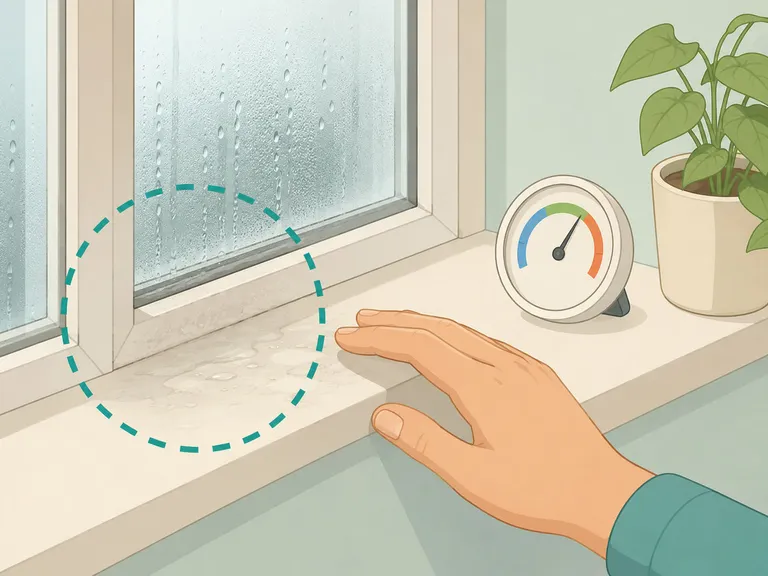
Choose a window that actually gets damp
Use this only on a windowsill that gets condensation, musty odors, or sticky-feeling humidity in summer. The EPA says indoor relative humidity should be kept below 60 percent and ideally between 30 and 50 percent when possible, so a consistently damp window is a sign to check the room more carefully with a humidity gauge. If the window is dry and clean, salt is unlikely to do much.
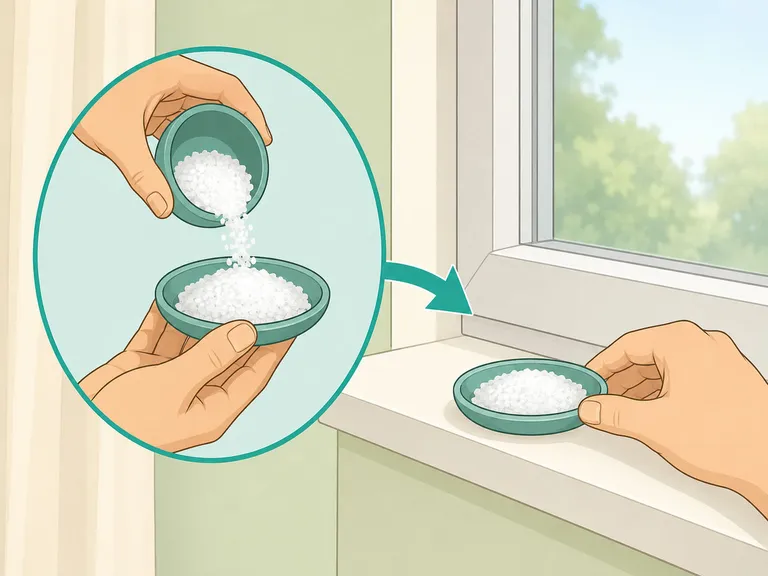
Put the salt in a shallow dish
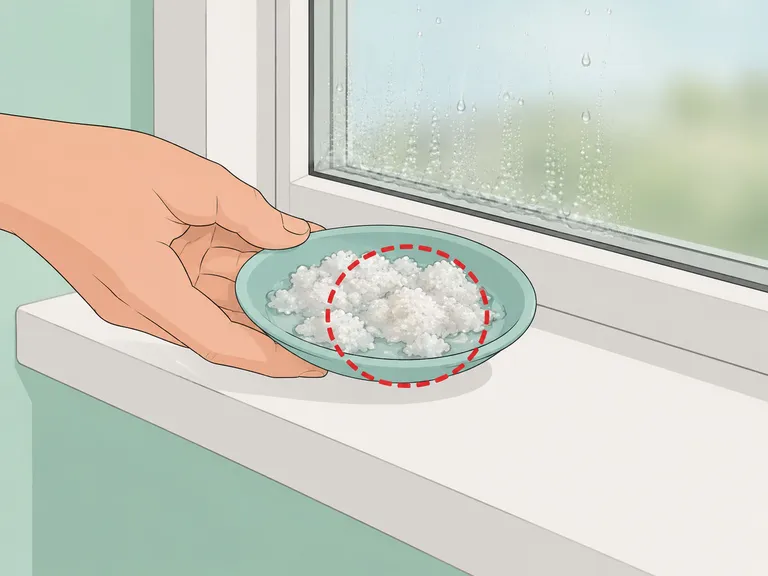
Pour a small handful of coarse salt into a saucer, jar lid, or shallow glass dish. Do not sprinkle it directly on the sill, because damp salt can turn into salty liquid and leave residue. Set the dish near the damp corner of the sill without blocking the window track.
Check the salt every few days
Look for clumps, wet crystals, crusting, or liquid in the dish. Those signs mean the salt has absorbed moisture from the air and should be replaced. If the window stays wet even after you replace the salt, follow EPA guidance that moisture control is the key to mold prevention.
Clean and seal if ants are the real problem
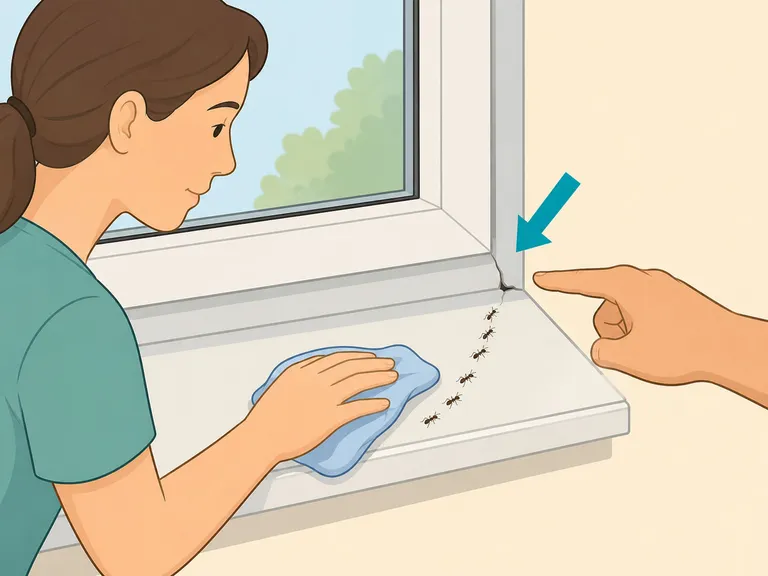
If you see ants near the window, do not depend on salt. University of Minnesota Extension recommends sanitation, storing food in insect-proof containers, wiping ant trails, and sealing cracks ants use to enter the home as nonchemical ant-control steps. If ants keep returning, use properly labeled bait or contact a pest professional.
Use proven barriers for outdoor crawling pests
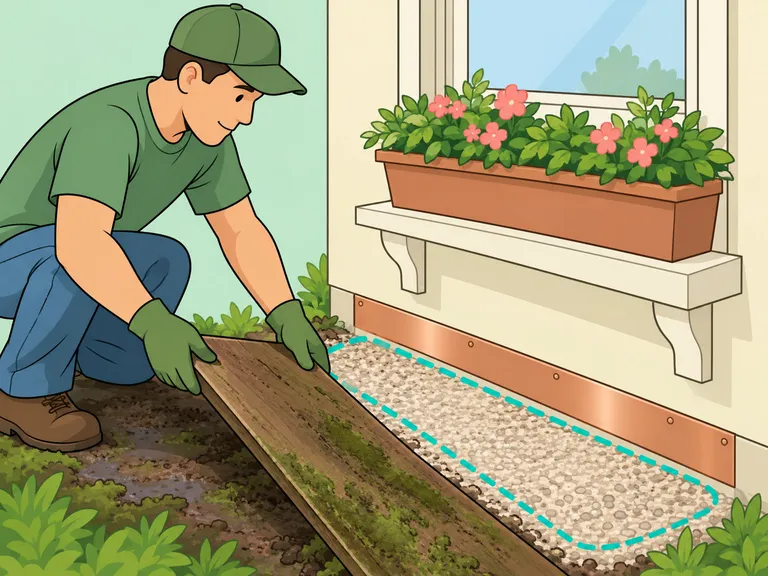
Salt on an indoor sill is not a good garden-pest plan. For slugs, University of Minnesota Extension recommends making garden areas lighter and drier, removing hiding places, and using practical barriers such as wide copper strips for small areas; it also notes that some dry powders lose effect when they absorb moisture and are not very effective deterrents. Keep outdoor pest steps separate from your indoor salt dish by following extension slug-control guidance.
Fix the cause of high humidity
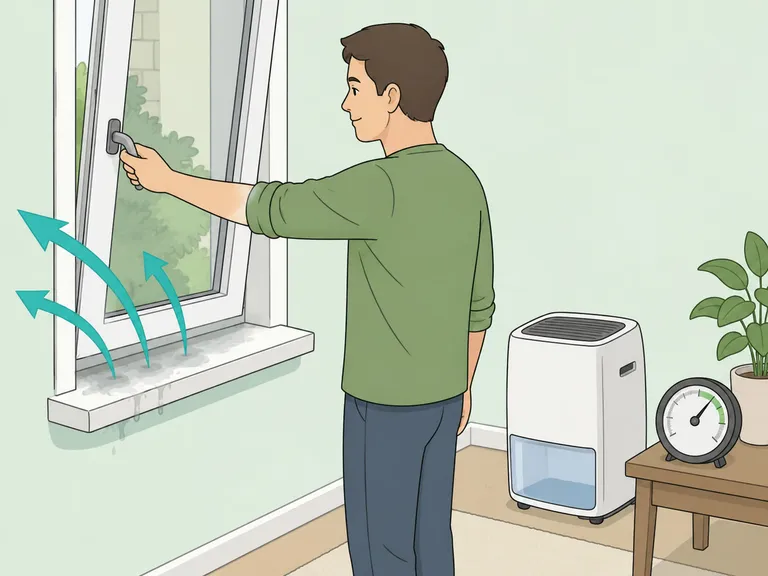
A handful of salt cannot solve leaks, poor airflow, or a humid room. The EPA notes that condensation can signal high humidity and that moisture problems may lead to mold growth, so improve ventilation, run exhaust fans, use air conditioning or a dehumidifier, and repair leaks when needed. Keep monitoring the room until the sill stays dry.
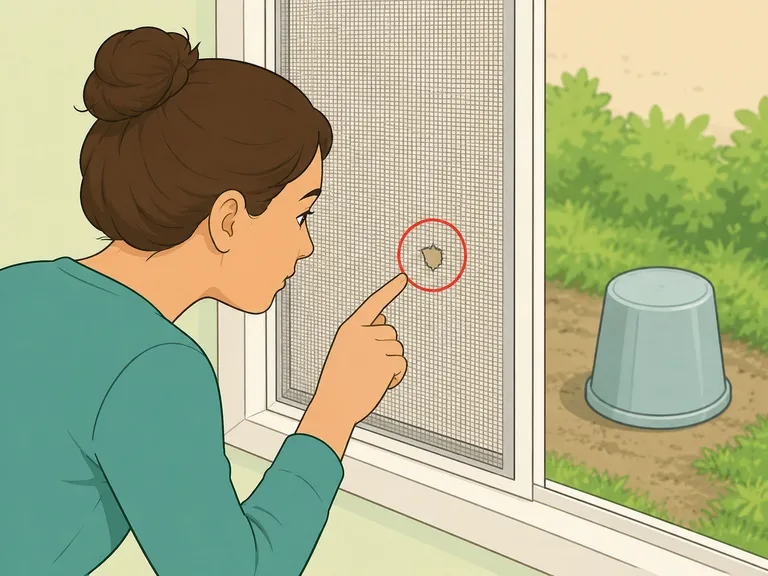
Do not use salt for mosquito control
Salt on a windowsill does not replace mosquito prevention. The CDC recommends using window and door screens, repairing holes in screens, and removing water-holding containers where mosquitoes can lay eggs. Follow CDC mosquito-prevention advice instead of relying on household folklore.
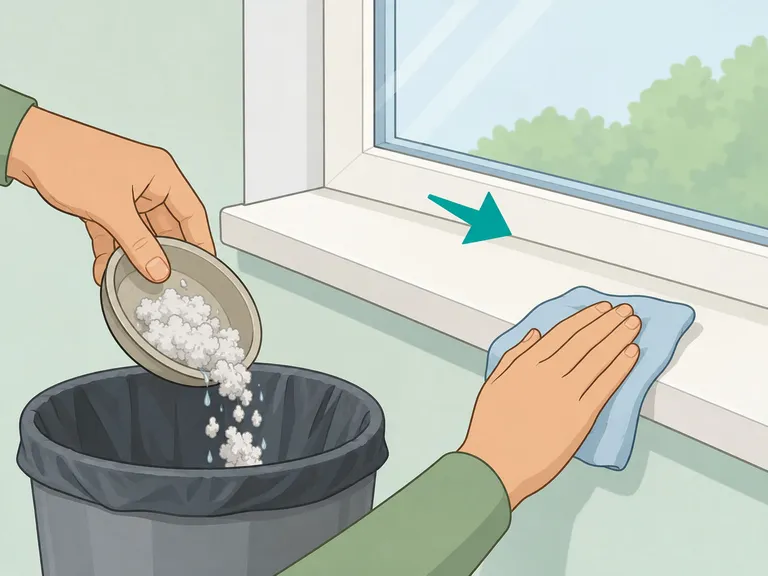
Dispose of the damp salt safely
When the salt is wet or dirty, throw it in the trash and wipe the dish and sill dry. Do not pour used salt into houseplants, garden beds, or window boxes, because concentrated salt is not useful for plants. Wash your hands afterward and keep the dish out of reach of small children and pets.
Article Summary
The bottom line: coarse salt on a windowsill is a small moisture trick, not a cure-all. Use it in a dish, replace it when it clumps, protect the surface underneath, and fix humidity, leaks, gaps, and pests directly.
Frequently Asked Questions
- Why did people put coarse salt on the windowsill in summer?
- The most practical reason is moisture. Salt can become damp or clumpy in humid air, so people used it as a simple way to notice damp window areas and reduce a small amount of surface moisture.
- Does coarse salt really dehumidify a room?
- No. A handful of salt is too small to control a whole room. Use a hygrometer, ventilation, air conditioning, or a dehumidifier if indoor humidity stays high.
- Can salt on a windowsill keep ants away?
- Do not rely on salt as ant control. Cleaning food residue, storing food tightly, wiping trails, and sealing entry cracks are more reliable steps.
- Does salt repel mosquitoes?
- No. For mosquitoes, focus on window screens, repairing holes, and removing standing water indoors and outdoors.
- Should I sprinkle salt directly on the windowsill?
- No. Put it in a shallow dish or jar lid so damp salt does not sit directly on wood, paint, stone, or metal.
- How often should I change the salt?
- Check it every few days during humid weather. Replace it when it clumps, turns wet, forms a crust, or leaves liquid in the dish.
References
Trusted culinary resources helped guide and refine this article.
- https://www.usgs.gov/centers/national-minerals-information-center/salt-statistics-and-information
- https://en.wikipedia.org/wiki/Hygroscopy
- https://www.epa.gov/mold/mold-course-chapter-2
- https://www.epa.gov/mold/brief-guide-mold-moisture-and-your-home
- https://extension.umn.edu/insects-infest-homes/ants
- https://extension.umn.edu/yard-and-garden-insects/slugs
- https://www.cdc.gov/mosquitoes/prevention/index.html