
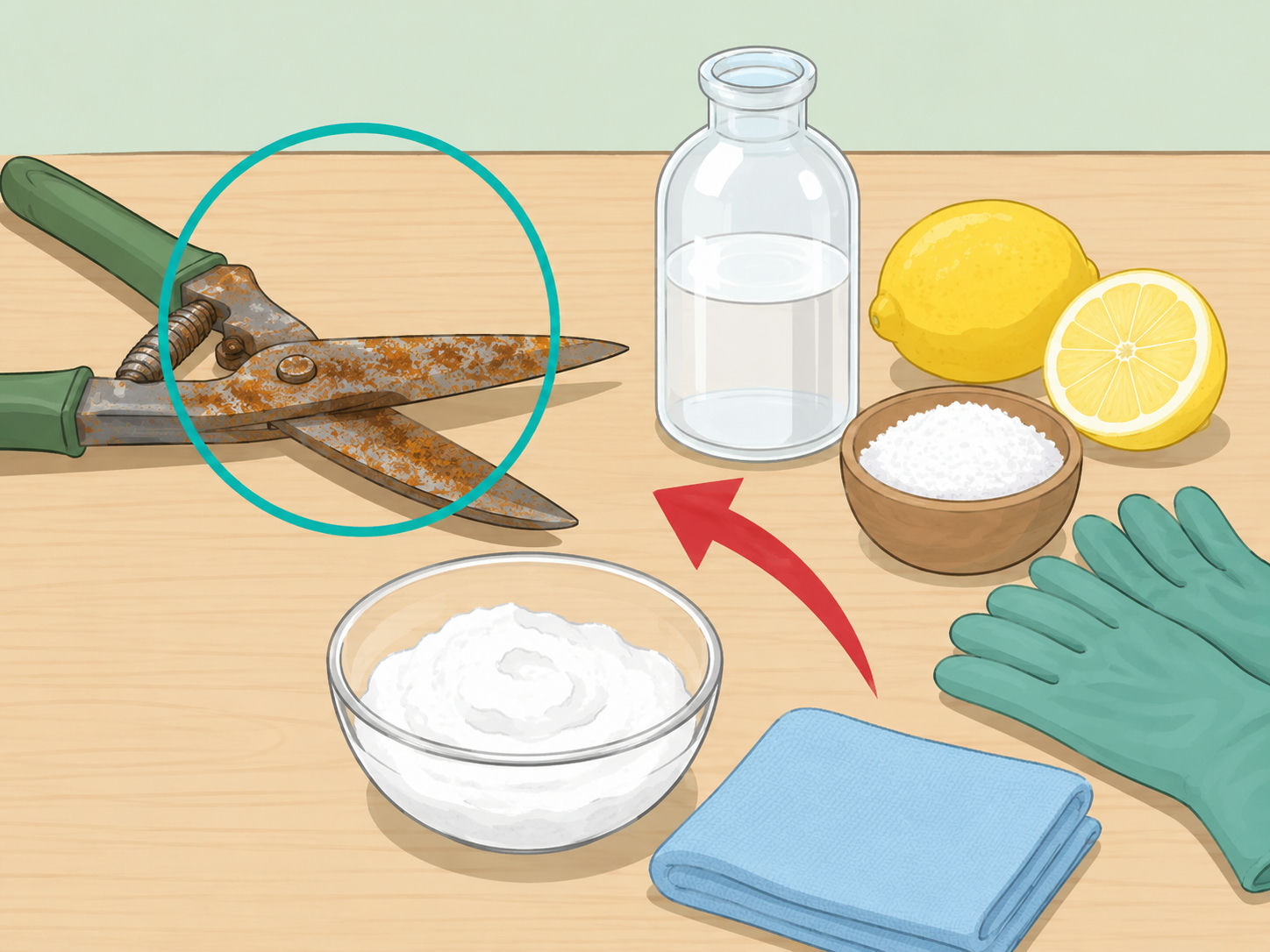
 Pin this recipe
Rust is easier to remove when you match the method to the surface and start gently. This guide explains simple ways to treat rusty tools, small metal items, fabric stains, sinks, tubs, and outdoor surfaces. It also covers basic safety habits so you do not damage finishes or mix cleaners that should stay separate.
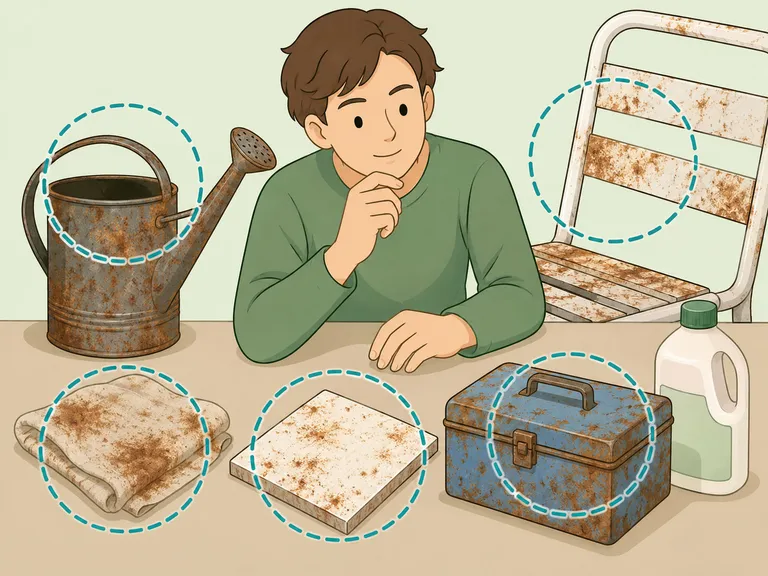
Identify the surface before choosing a cleaner
Check whether the rust is on bare metal, painted metal, fabric, porcelain, stainless steel, concrete, or natural stone. Rust removers vary by surface, and even products described as gentle should be used according to the label; rust remover guides consistently stress matching the product to the material. When in doubt, test a hidden spot first.
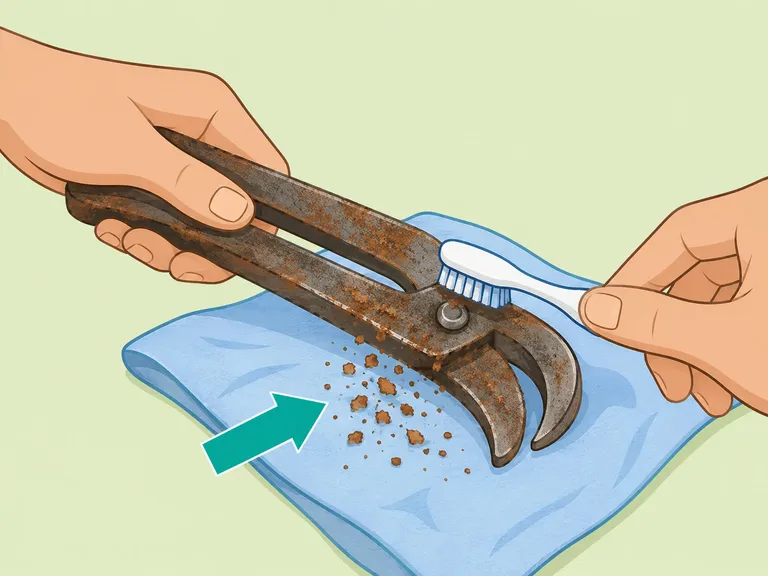
Brush away loose rust and dirt
Use a dry cloth, old toothbrush, nylon brush, or fine steel wool on sturdy unfinished metal to remove loose flakes before adding any cleaner. This helps the vinegar, lemon juice, baking soda, or commercial remover reach the rust underneath. Avoid steel wool on polished stainless steel, painted finishes, plastic, fiberglass, or anything that scratches easily.
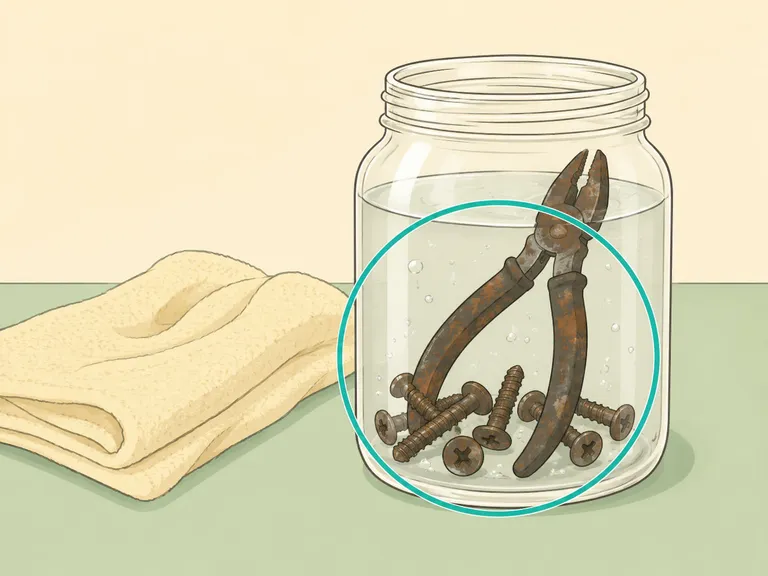
Soak small metal items in white vinegar
Place rusty screws, pliers, small tools, or removable hardware in a container and cover them with white vinegar. For light rust, check after 30 minutes; for heavier rust, soaking longer may help, and metal-cleaning guidance describes overnight soaking for more corroded items. Scrub, rinse with water, and dry the metal completely.
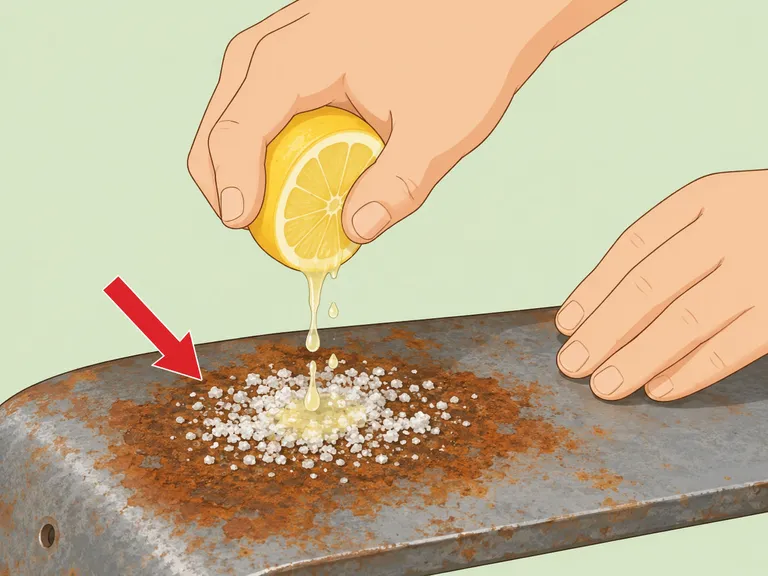
Scrub light rust with lemon and salt
Sprinkle salt over the rusty spot, squeeze lemon juice over it, and let it sit briefly before scrubbing with the lemon rind, a sponge, or a soft brush. Lemon juice contains citric acid, and cleaning lab advice notes that acidic lemon juice can help break down mineral deposits and rust on metal. Rinse well so the acid and salt do not keep sitting on the surface.
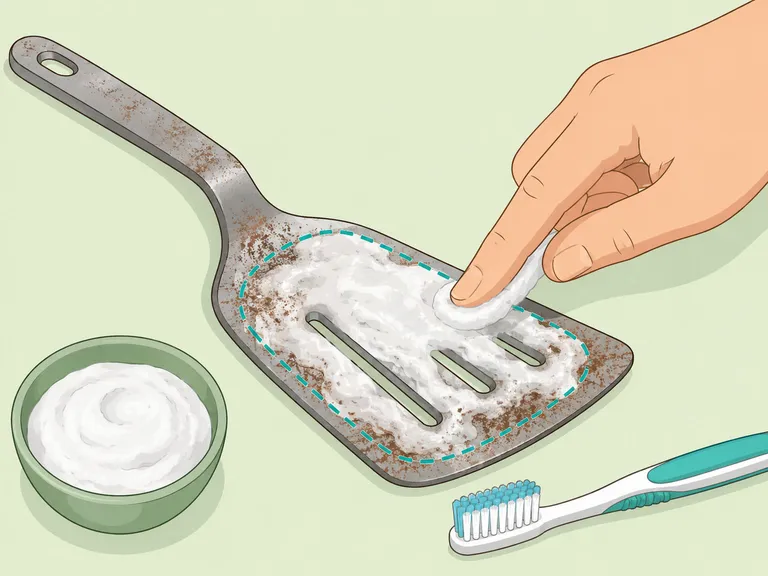
Use baking soda paste for gentle abrasion
Mix baking soda with just enough water to form a thick paste, spread it over light rust, and let it sit for about an hour. Scrub with a toothbrush, sponge, or non-scratch pad, then rinse and dry. This is useful when you want mild abrasion without soaking the whole item in acid.
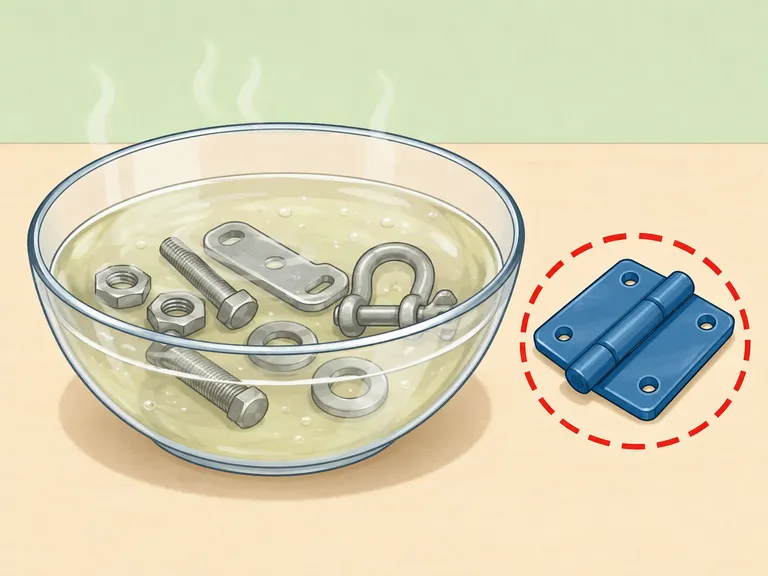
Try citric acid on unpainted metal only
Dissolve citric acid powder in warm water and soak unpainted, non-delicate metal pieces until the rust loosens, checking regularly. Citric acid can remove rust effectively, but rust removal instructions warn that it can also strip paint and coatings. Rinse, dry, and oil the metal afterward if the item is a tool.
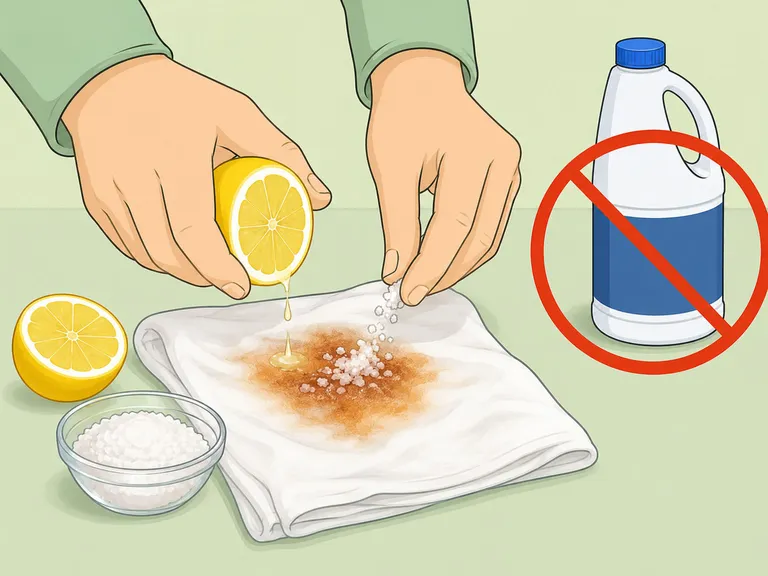
Treat fabric rust stains without bleach
For washable white or fade-resistant fabric, shake off loose rust, apply salt and lemon juice, let it work, rinse, and launder as usual. Fabric stain guidance warns that bleach can worsen rust discoloration, so use a clothing-safe rust remover for stubborn stains and follow the garment care label. Do not put the item in the dryer until the stain is gone.
Use a labeled rust remover for stubborn stains
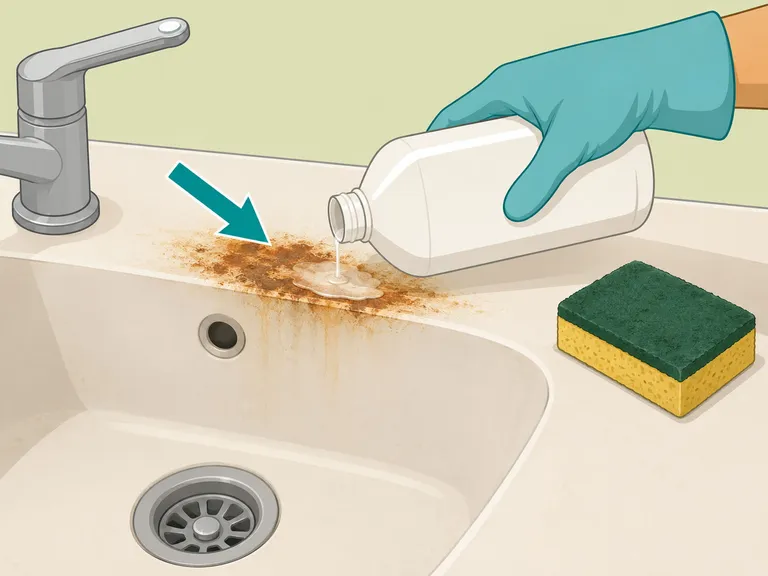
Choose a commercial rust remover labeled for the exact surface, such as tools, tubs, tile, porcelain, concrete, or outdoor furniture. The EPA explains that Safer Choice-labeled products must meet ingredient and performance criteria, and its product search can help you find certified cleaning products. Wear the recommended protection and never exceed the contact time on the label.
Keep rust removers away from bleach and mixed cleaners
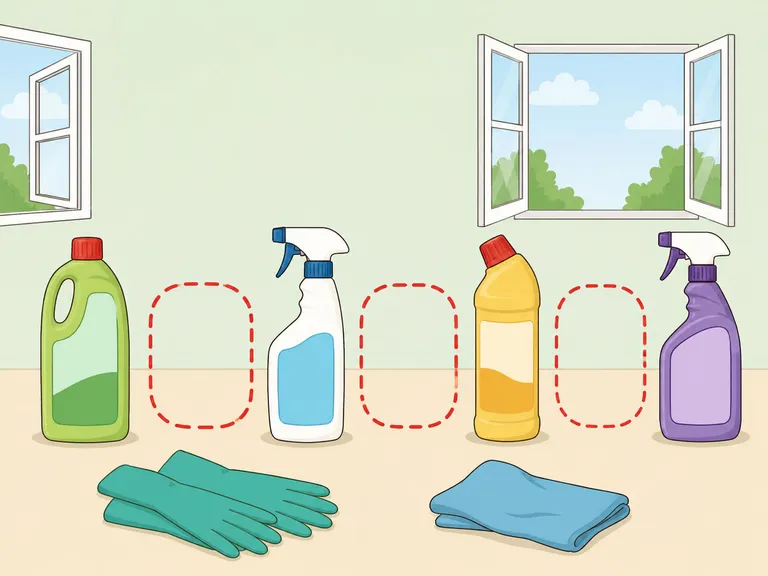
Use one cleaning product at a time, rinse between products, and keep the area ventilated. Cleaning experts warn that mixing bleach, acids, rust removers, ammonia, and other cleaning agents can release harmful fumes or cause other reactions; cleaning safety advice recommends reading labels, using gloves when directed, and leaving the area if fumes develop. Store cleaners in their original containers.
Rinse, dry, and protect the surface
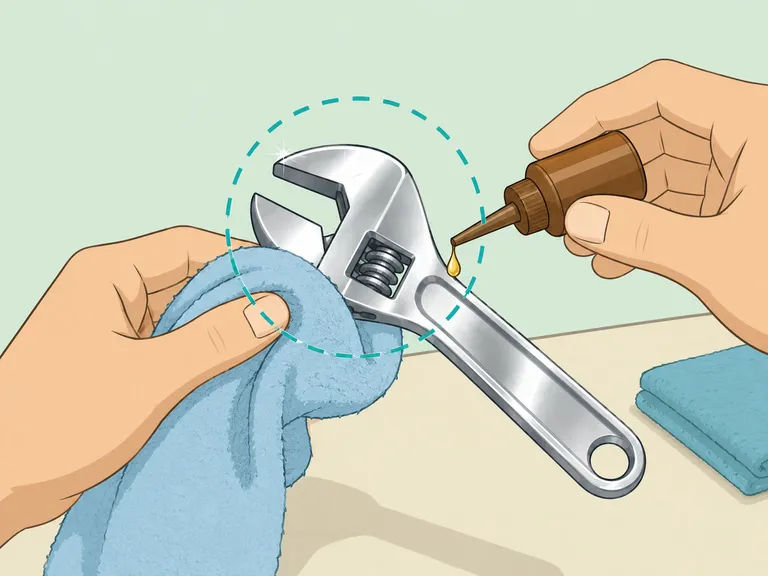
After the rust is gone, rinse away all cleaner residue and dry the item immediately with a clean towel. Moisture causes rust to return, so keep tools dry, store metal indoors when possible, and add a light protective oil or appropriate coating to bare metal. For outdoor pieces, repair chipped paint so water cannot sit against exposed metal.
Article Summary
The bottom line: loosen surface rust first, use a mild acid or gentle abrasive for light rust, choose a labeled rust remover for stubborn stains, and always rinse and dry the item completely afterward.
Frequently Asked Questions
- What is the easiest household item for removing rust from metal?
- White vinegar is often the easiest starting point for small metal items because you can soak the item, scrub it, rinse it, and dry it well. Use it only on surfaces that can tolerate mild acid.
- Can I use baking soda to remove rust?
- Yes. Baking soda mixed with a little water makes a gentle paste for light surface rust, especially when you want less acid. It works best with patience and light scrubbing.
- Should I use bleach on rust stains?
- No. Bleach is not a good rust remover and can worsen rust discoloration on fabric. It can also create hazardous gases if mixed with acidic rust removers.
- How long should vinegar sit on rust?
- For light rust, start with 30 minutes to 1 hour. For rusty tools or small hardware, an overnight soak may help, but check the item often and do not use vinegar on delicate finishes.
- Can lemon and salt damage surfaces?
- Yes. Lemon juice is acidic and salt is abrasive, so test first and avoid natural stone, delicate coatings, wood, electronics, and any surface that scratches easily.
- When should I use a commercial rust remover?
- Use a commercial rust remover when household methods do not work or when the stain is on a sink, tub, concrete, or outdoor surface. Choose one labeled for that exact material and follow the label directions.
References
Trusted culinary resources helped guide and refine this article.
- https://www.architecturaldigest.com/story/how-to-remove-rust-from-metal-surfaces
- https://www.southernliving.com/how-to-get-rust-stains-out-of-clothing-11855981
- https://www.bhg.com/best-rust-removers-7229601
- https://www.goodhousekeeping.com/home/cleaning/g70641172/lemon-cleaning-hacks-home
- https://www.epa.gov/saferchoice/learn-about-safer-choice-label
- https://www.epa.gov/saferchoice/products
- https://www.washingtonpost.com/home/2025/12/27/cleaning-hacks-that-experts-hate