
 Pin this recipe
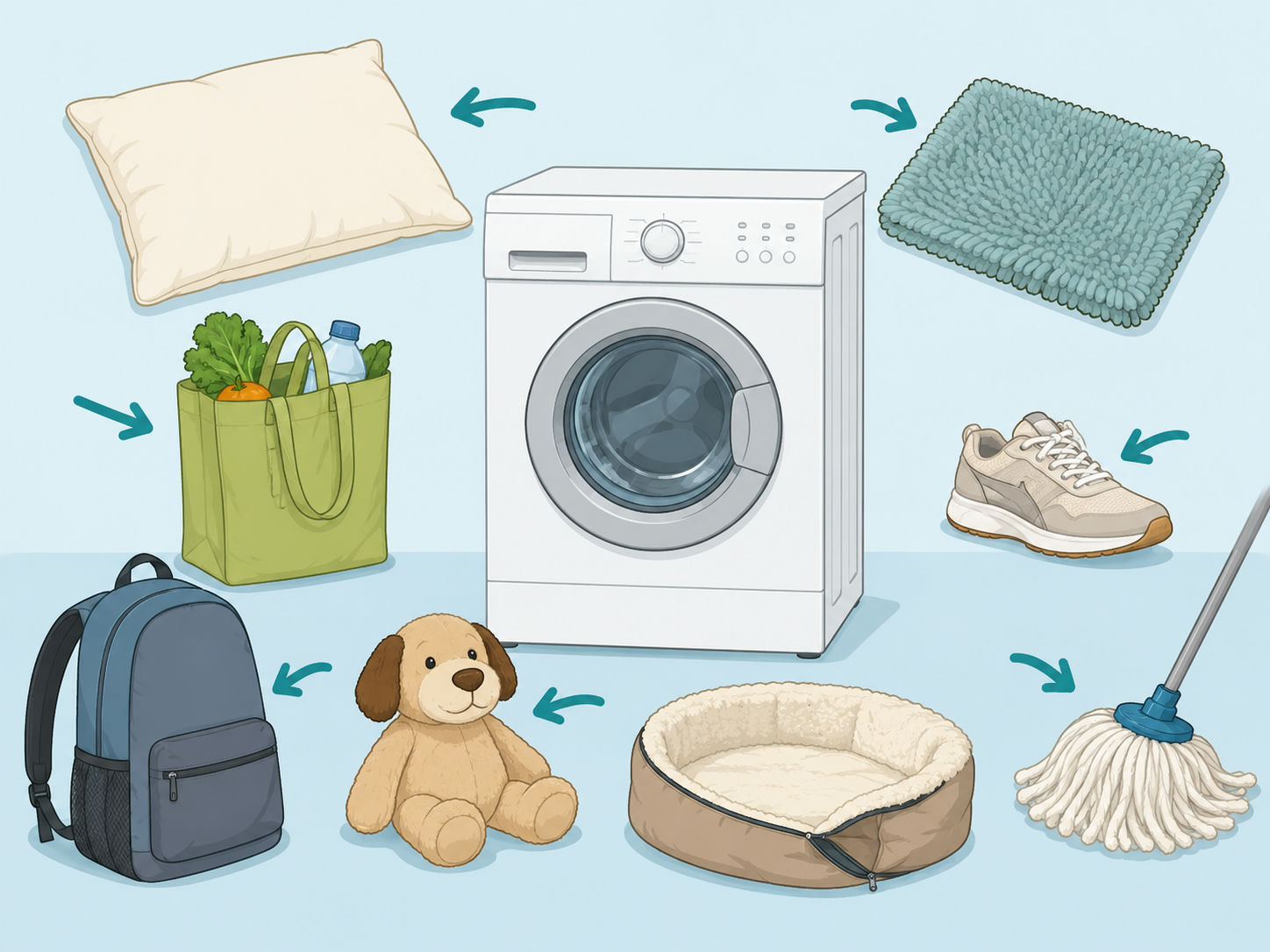
Your washing machine can refresh many everyday items that collect dust, spills, odors, and grime. The key is to check the care label, protect delicate parts, and choose a cycle that will not damage the item or your washer. This guide covers 11 common household items you can often clean safely in the machine.
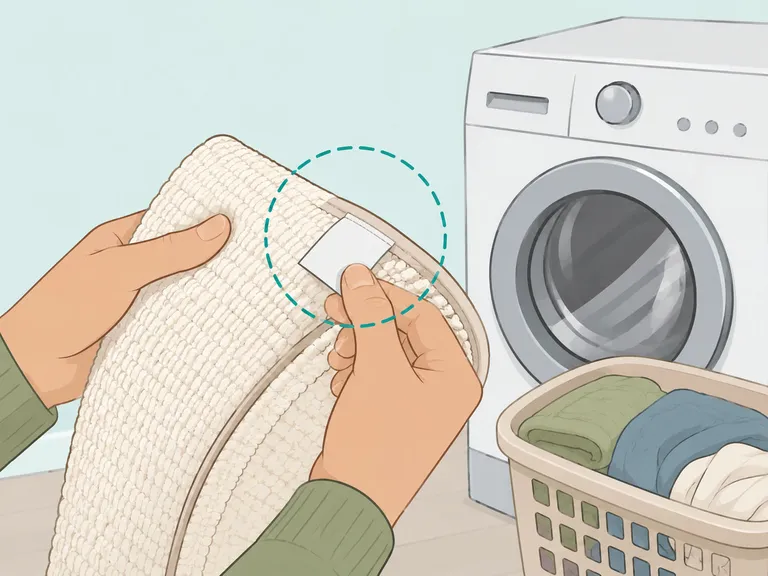
Read the care label before anything goes in
Start by checking the tag, stitched label, or manufacturer instructions for each item. The FTC explains that care instructions are meant to tell consumers how an item can be cleaned without substantial harm, so treat labels like the first rule rather than a suggestion. If there is no label, wash only sturdy fabric items you can afford to risk, and skip electronics, leather, suede, fragile trim, and anything glued together.
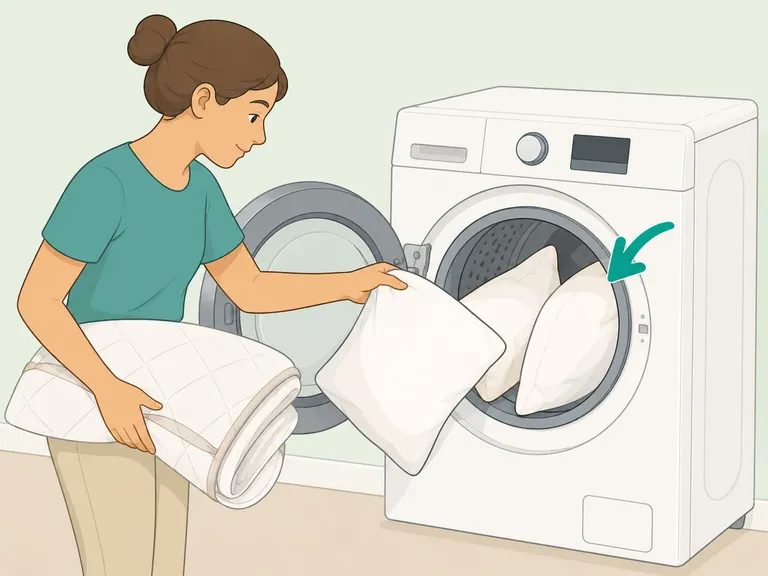
Wash pillows and mattress pads gently
Many polyester, down, or down-alternative pillows and washable mattress pads can go in the machine, while memory foam and latex usually should not. Mayo Clinic recommends washing bedding and washable stuffed items often when reducing dust mites, and the CDC advises laundering soft items according to the label with the warmest appropriate water and drying them completely. Wash two pillows at a time if possible to balance the drum, then dry them thoroughly so the filling does not stay damp.
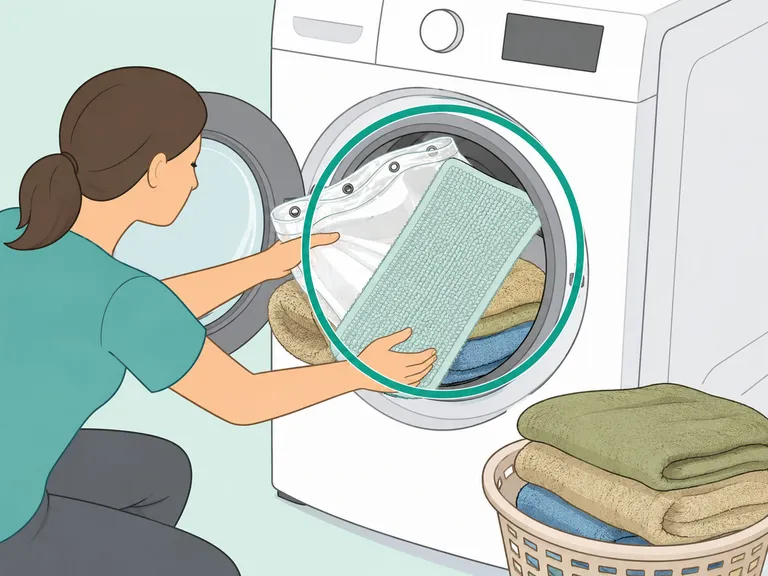
Refresh shower curtains and bath mats
Fabric shower curtains, many plastic liners, cotton bath mats, and microfiber mats can often be washed to remove soap film and odor. The Washington Post notes that shower curtains, liners, bath mats, and bathroom rugs are common washer-friendly household items, but rubber-backed mats should be dried gently to avoid cracking. Add a couple of towels for padding and use warm water only if the label allows it.
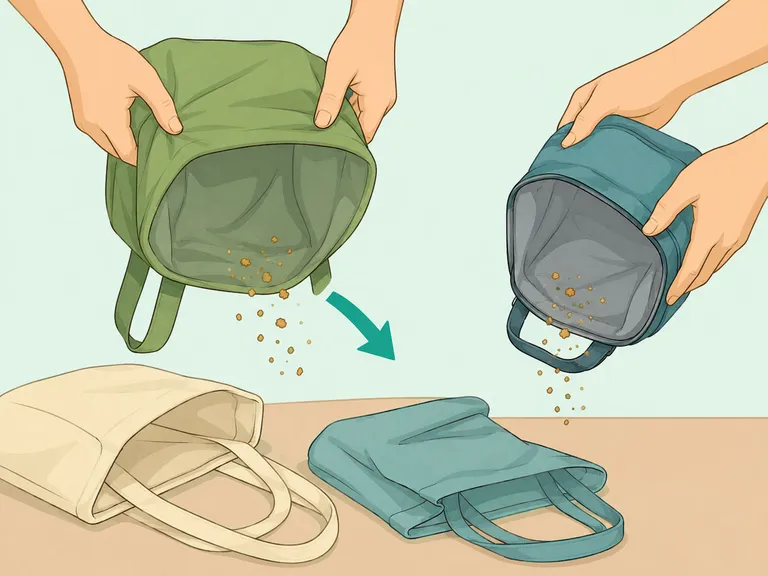
Clean reusable shopping bags and fabric lunch bags
Cotton, canvas, and many polyester grocery totes or soft lunch bags can be washed after spills or food leaks. The CDC recommends cleaning soft surfaces with soap or detergent and laundering items when possible according to the label. Turn bags inside out, remove inserts, and air-dry insulated bags unless the label clearly says machine drying is safe.
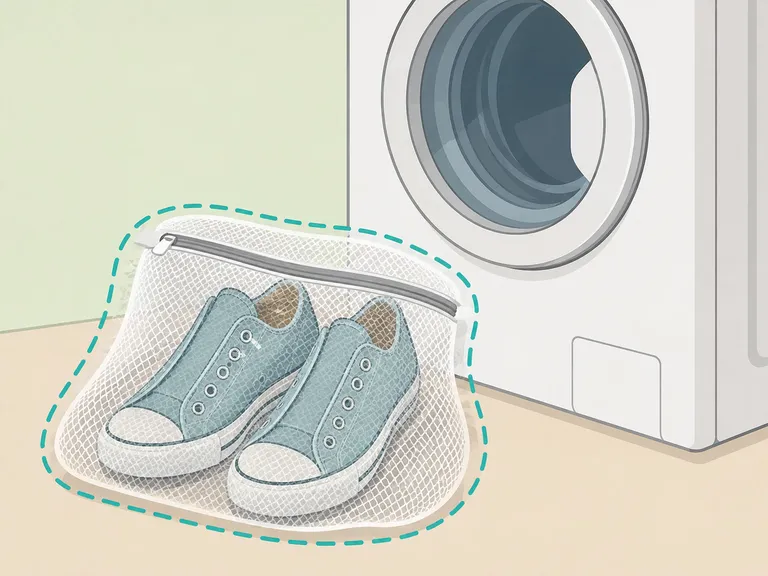
Protect sneakers with a mesh bag
Fabric, mesh, canvas, and rubber sneakers may be washable, but leather, suede, wool, velvet, embellished shoes, cleats, and some performance shoes are not good washer candidates. Real Simple recommends removing dirt, laces, and insoles, placing shoes in a mesh bag or pillowcase, and using cold water on a gentle cycle. Air-dry shoes away from direct heat because high dryer heat can weaken glue and warp materials.
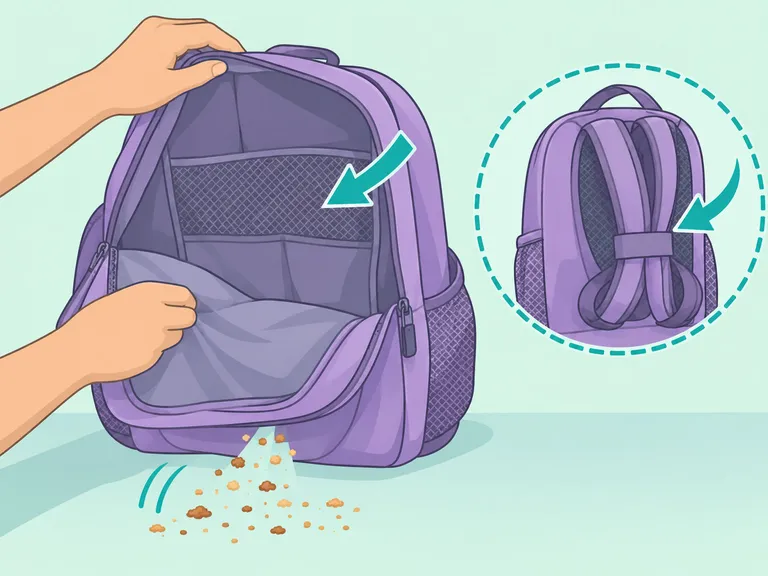
Empty backpacks and gym bags first
Most fabric backpacks made from nylon, polyester, canvas, or cotton can be machine-washed if their labels allow it. Better Homes & Gardens recommends emptying every pocket, making small repairs, pretreating dirty straps or bottoms, washing in cold water on a delicate cycle, and reshaping the backpack to air-dry. Skip machine washing if the bag has leather trim, rigid structure, electronics, or a care label that says hand-wash only.
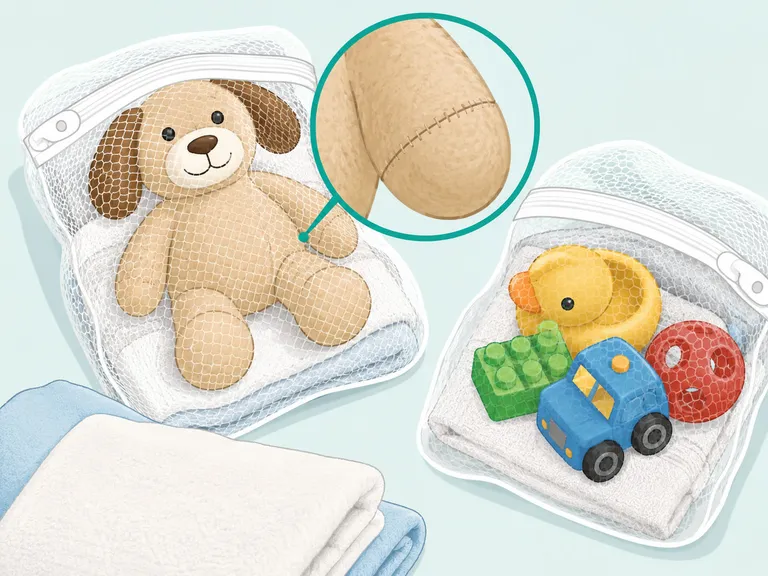
Bag stuffed animals and small plastic toys
Machine-wash sturdy plush toys on a gentle cycle after checking for batteries, music boxes, glued-on parts, loose seams, or delicate fabric. Mayo Clinic specifically advises buying washable stuffed toys, washing them often, and drying them all the way when managing dust mites. For small hard plastic toys, place them in a tightly closed mesh bag and add towels to cushion the drum.
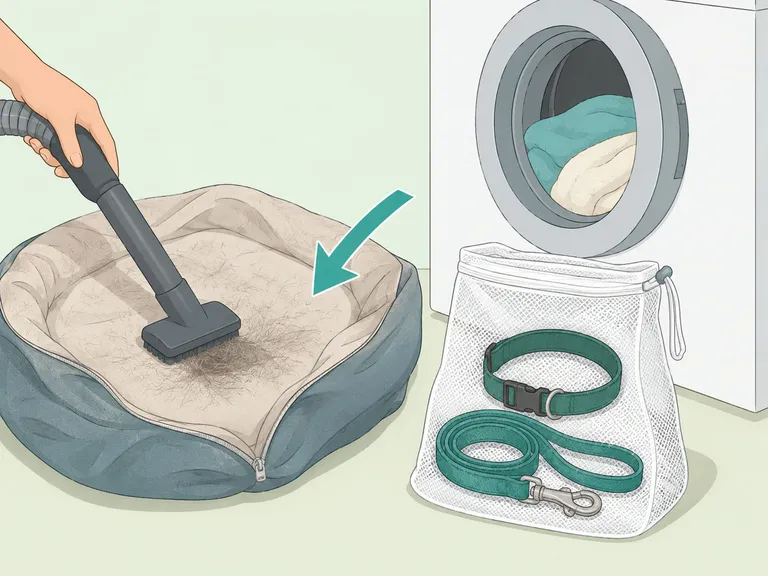
Wash pet beds and washable pet accessories
Many removable pet bed covers, small washable beds, fabric collars, leashes, sweaters, and booties can be cleaned in the washer. The Washington Post recommends vacuuming pet beds first, using unscented detergent, and choosing the hottest water the bed can tolerate. Use a mesh bag for collars and leashes so hardware does not bang around or twist into other items.
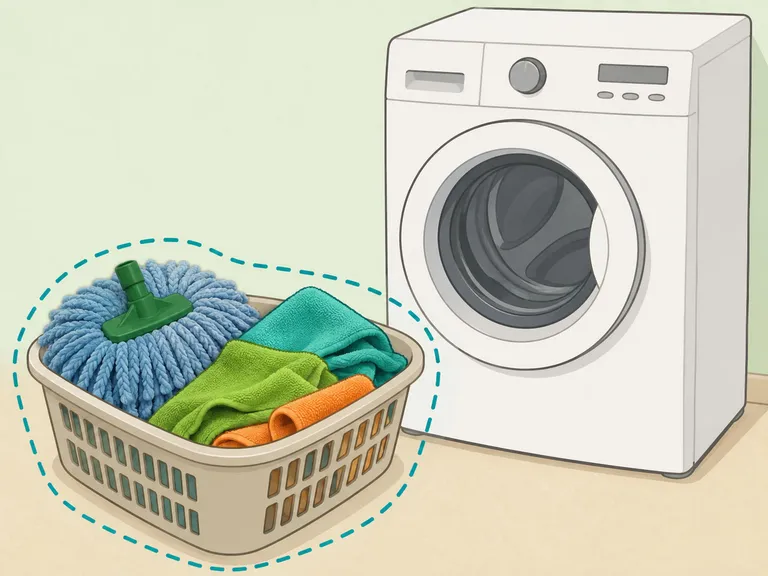
Sanitize mop heads and microfiber cleaning cloths separately
Reusable mop heads, washable dusting pads, and microfiber cloths can carry dirt, soap residue, and cleaning-product residue, so wash them in their own load. The CDC says cleaning with soap or detergent reduces germs on surfaces and also warns not to mix cleaning or disinfecting chemicals because it can be hazardous. Rinse heavily soiled mop heads first, avoid fabric softener on microfiber, and dry everything fully before storing.
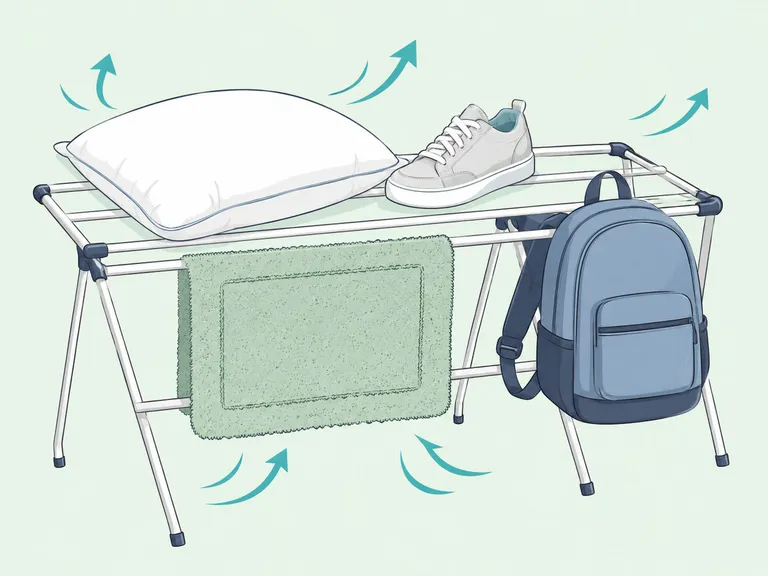
Dry every item completely before using it again
Drying matters as much as washing, especially for pillows, pet beds, mats, bags, and plush toys that can trap moisture inside. The CDC recommends drying laundry items completely, and the EPA notes that hot dryer treatment is important for washable items exposed to bed bugs if the item can handle high heat. Use low heat or air-drying for rubber, glue, plastic, and structured items, and give thick items extra time before putting them away.
Article Summary
The bottom line: a washer is useful for more than clothes, but it is not a shortcut for every item. Check labels, protect straps and small pieces, use the warmest safe water when hygiene matters, and dry items fully before putting them back into use.
Frequently Asked Questions
- Can I put any household item in the washing machine if it fits?
- No. Fit is only one concern. Check the care label, material, seams, glue, rubber backing, electronics, and removable parts before washing.
- Should I use hot water for these items?
- Use the warmest water the item can safely tolerate. The CDC recommends following label instructions and drying laundered soft items completely.
- Can I wash sneakers in the machine?
- Many canvas, mesh, and fabric sneakers can be machine-washed, but leather, suede, wool, embellished shoes, and some performance running shoes are safer to hand-clean.
- Why should I use a mesh laundry bag?
- A mesh bag protects straps, laces, toy parts, pet collars, and small plastic items from snagging, twisting, or striking the washer drum too hard.
- Can the washer kill bed bugs on washable items?
- The EPA says heat treatment in a household dryer on high heat for 30 minutes can kill bed bugs and eggs on items that can withstand that heat. Washing alone may not be enough.
- How do I avoid mildew after washing bulky items?
- Dry bulky items completely before storing or using them. Pillows, pet beds, bath mats, and padded bags can hold moisture deep inside, so give them extra drying time.
References
Trusted culinary resources helped guide and refine this article.
- https://www.cdc.gov/hygiene/about/when-and-how-to-clean-and-disinfect-a-facility.html
- https://www.ftc.gov/business-guidance/resources/clothes-captioning-complying-care-labeling-rule
- https://www.mayoclinic.org/diseases-conditions/dust-mites/diagnosis-treatment/drc-20352178
- https://www.epa.gov/bedbugs/preparing-treatment-against-bed-bugs
- https://www.washingtonpost.com/home/2025/03/24/what-can-i-put-in-the-washing-machine
- https://www.realsimple.com/how-to-clean-shoes-in-washing-machine-11710983
- https://www.bhg.com/how-to-clean-a-backpack-8716998