
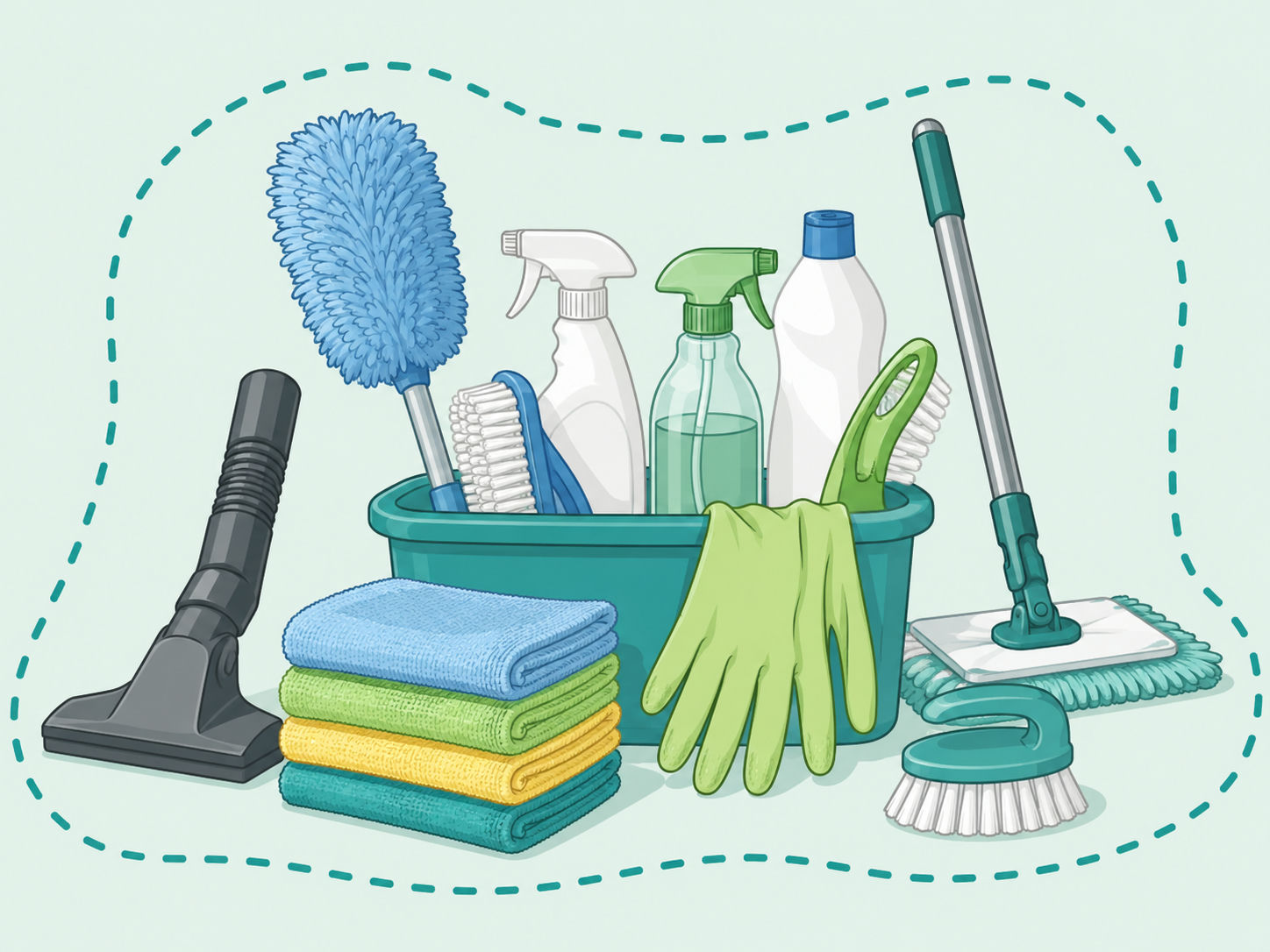
 Pin this recipe
A good cleaning kit does not need dozens of gadgets. The most useful accessories are the ones that remove dust, reach tight spaces, protect surfaces, and help you clean safely. This guide shows how to choose and use 16 practical cleaning tools around the house.
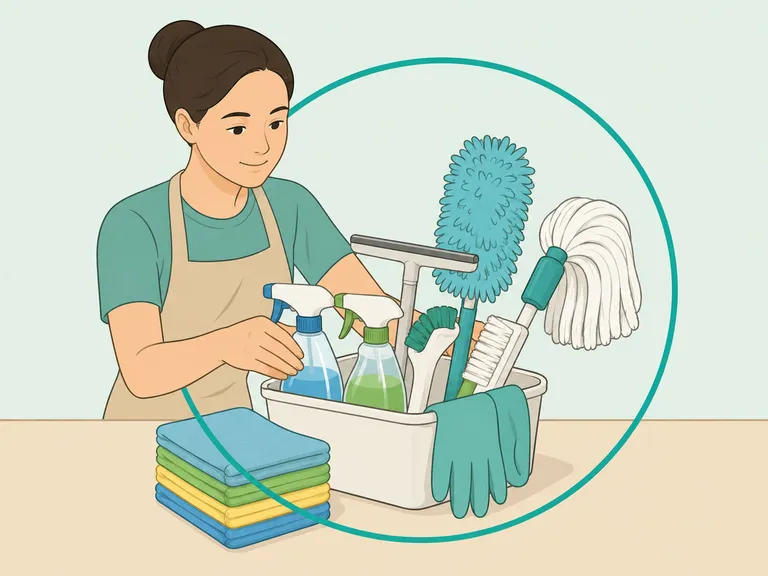
Build a compact 16-tool kit
Start with tools that solve different problems instead of buying duplicates: microfiber cloths, color-coded cloths, an extendable duster, a vacuum, a crevice tool, an upholstery brush, a flat mop, a refillable spray mop, a squeegee, a grout brush, a detail brush, a non-scratch scrub sponge, spray bottles, a handled caddy, reusable gloves, and a lint roller. The CDC explains that cleaning removes germs, dirt, and impurities, so prioritize accessories that help you scrub, wipe, rinse, and dry well.
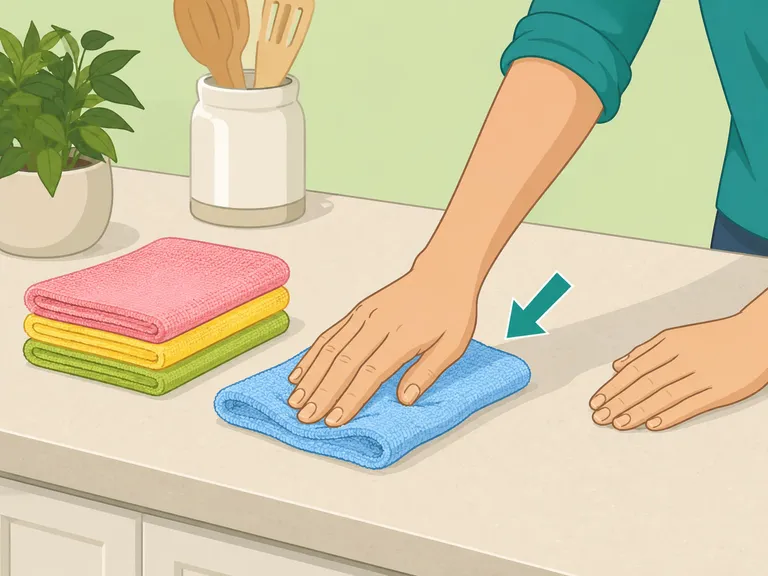
Use microfiber cloths for everyday wiping
Keep several microfiber cloths where you actually clean: one set for counters, one for glass, one for dusting, and one for bathrooms. Use a damp cloth for grime and a dry cloth for dust or polishing. Color-coding the cloths makes it easier to avoid moving bathroom residue onto kitchen surfaces.
Reach dust with an extendable duster
Use an extendable duster for ceiling corners, fan blades, vents, tall shelves, and the tops of cabinets. Work from high to low so settled dust ends up on surfaces you have not cleaned yet. Wash or shake out the duster head outside according to the product directions.
Choose a vacuum with useful attachments
A vacuum becomes much more helpful when it has a crevice tool for edges and an upholstery brush for sofas, mattresses, stairs, and pet hair. If dust, pollen, or mold particles are a concern in your home, a true HEPA filter can theoretically remove at least 99.97% of certain airborne particles, according to the EPA. Empty the bin or change the bag before it is packed full so suction stays strong.
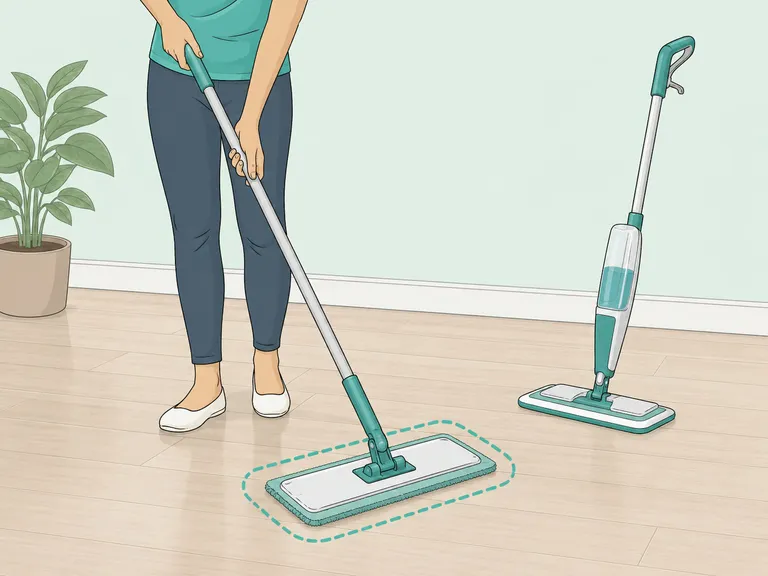
Match mop heads to your floors
Use a flat microfiber mop for routine hard floors and a refillable spray mop for quick spills in kitchens, entries, and bathrooms. The CDC recommends cleaning soft surfaces by vacuuming and laundering washable items when possible, while hard surfaces can be cleaned with soap and water or a surface-appropriate cleaner. Avoid soaking wood or laminate floors, and let mop pads dry fully after washing.
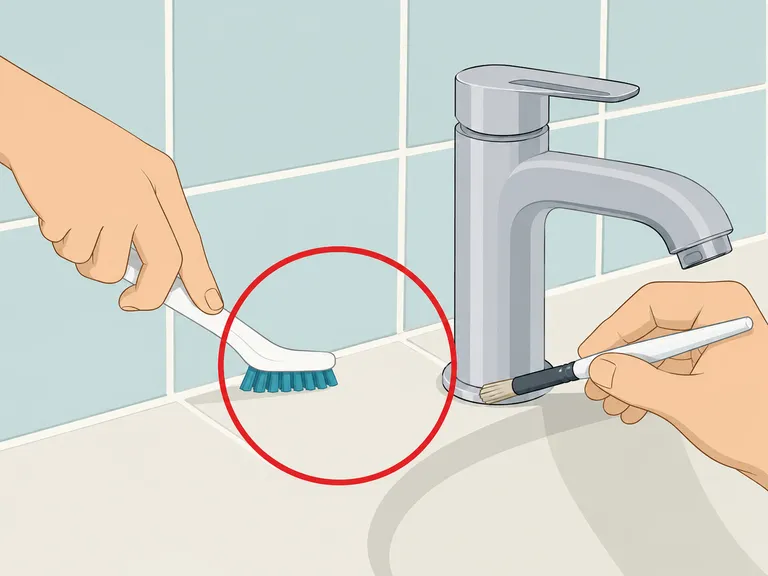
Scrub small spaces with dedicated brushes
Add a grout brush, a small detail brush, and a non-scratch scrub sponge for sink edges, shower tracks, faucet bases, tile lines, and stovetop corners. Dedicated brushes give you pressure and control without using harsh abrasives on delicate surfaces. Test scrub pads on a hidden spot before using them on stainless steel, glass, stone, or coated appliances.
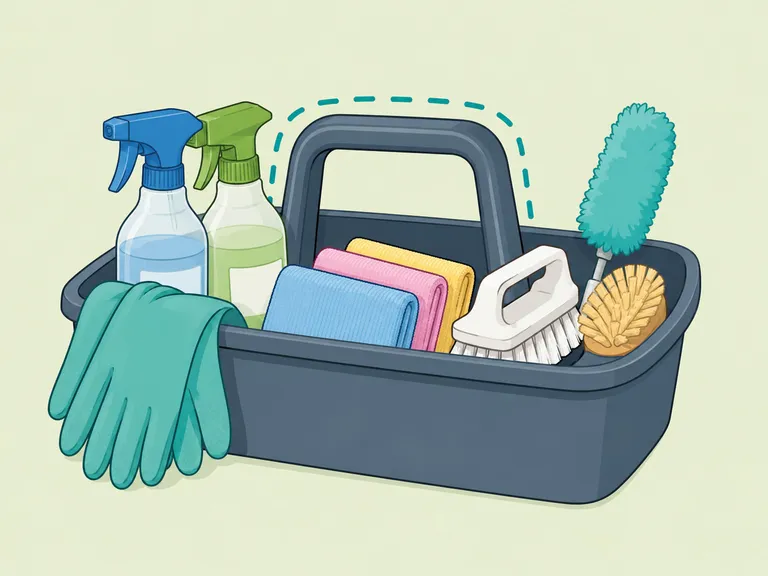
Keep bottles, gloves, and a caddy ready
Use clearly labeled spray bottles only for cleaners you can identify, and never reuse a bottle if you are unsure what was inside it. Gloves help protect your skin from prolonged contact with cleaning products, while a handled caddy keeps cloths, brushes, bottles, and trash bags moving with you from room to room. Store chemicals out of reach of children and pets, as the EPA advises for household products that may release volatile organic compounds indoors.
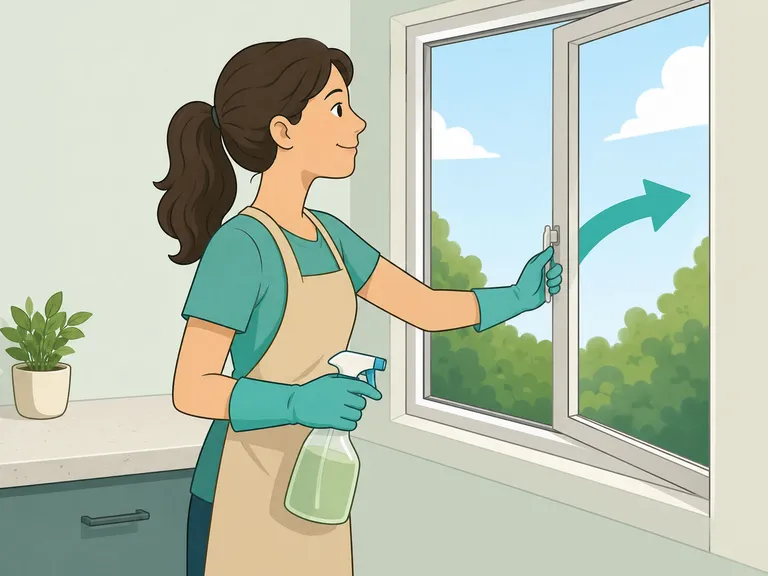
Pick safer products and ventilate
Choose the mildest cleaner that works for the job, and look for credible labels instead of vague claims. The EPA says products with the Safer Choice label must meet criteria for ingredients, performance, pH, packaging, and VOC content. Open windows or run a fan when using sprays, strong cleaners, or disinfectants indoors.
Disinfect only when it is needed
Clean first, then disinfect if someone is sick, recently visited while sick, or is at higher risk of infection. The CDC says disinfectants need the right contact time, meaning the surface should stay wet long enough for the product to work, and you should follow the label directions. If you use bleach, follow CDC guidance to use appropriate household bleach, ventilate, and never mix bleach with other cleaners.
Article Summary
The bottom line: choose reusable, surface-safe tools that solve common cleaning problems, then store them together so you can use them consistently. A compact 16-tool kit can make everyday cleaning faster without turning your closet into a supply store.
Frequently Asked Questions
- Do I really need 16 cleaning accessories?
- No, but 16 is a useful upper limit for a complete home kit. If you live in a small space, start with microfiber cloths, a vacuum, a mop, a scrub brush, gloves, and a caddy.
- Are microfiber cloths better than paper towels?
- For most routine cleaning, microfiber cloths are more reusable and better suited to dusting, wiping, and polishing. Keep separate cloths for kitchens, bathrooms, glass, and general dusting.
- What is the most useful cleaning accessory for pet hair?
- A vacuum with an upholstery brush or pet-hair attachment is usually the most useful. A reusable lint roller or rubber squeegee can also help lift hair from couches, stairs, and rugs before vacuuming.
- Should I disinfect every time I clean?
- Usually no. The CDC says regular cleaning with soap or detergent is enough in most home situations, while disinfecting is mainly useful when someone is sick or at higher risk.
- How should I store cleaning accessories?
- Keep everyday tools in a handled caddy or shallow bin, and store refills nearby. Let wet cloths, brushes, and mop pads dry before putting them away so they do not develop odors.
- Which cleaning tools should I replace most often?
- Replace worn scrub sponges, frayed mop pads, damaged gloves, clogged vacuum filters, and any brush that no longer rinses clean. Reusable cloths and mop heads last longer if you wash and dry them after use.
References
Trusted culinary resources helped guide and refine this article.
- https://www.cdc.gov/hygiene/about/when-and-how-to-clean-and-disinfect-your-home.html
- https://www.cdc.gov/hygiene/about/cleaning-and-disinfecting-with-bleach.html
- https://www.epa.gov/saferchoice/learn-about-safer-choice-label
- https://www.epa.gov/indoor-air-quality-iaq/volatile-organic-compounds-impact-indoor-air-quality
- https://www.epa.gov/indoor-air-quality-iaq/what-hepa-filter