
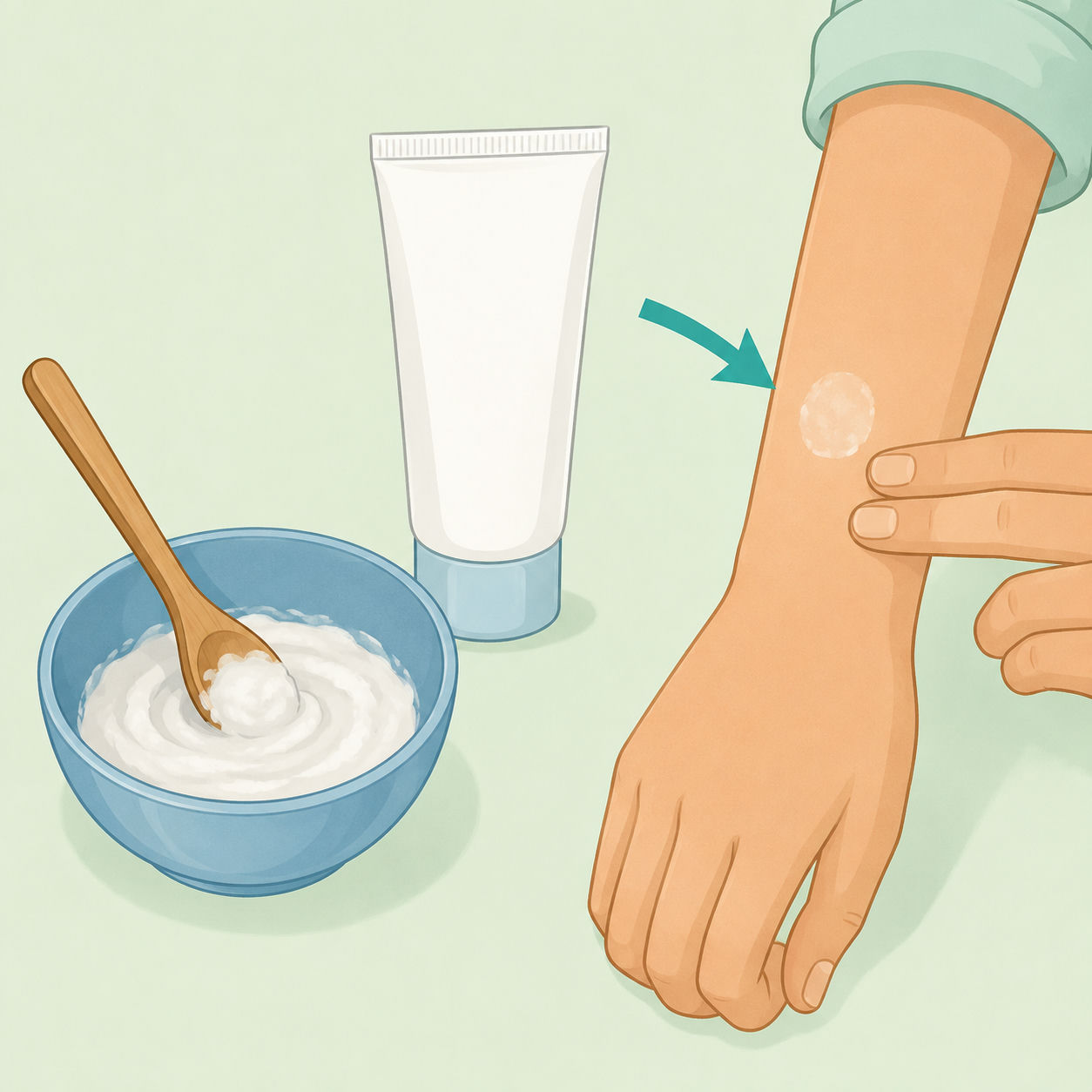
 Pin this recipe
Baking soda cream is often shared as an old-fashioned home remedy, but it should be treated as a cautious DIY skin-care paste rather than a cure. This guide shows how to make a small, diluted batch, test it safely, and avoid irritating your skin. It is meant only for occasional use on intact rough areas, not for rashes, acne, eczema, wounds, or medical skin conditions.
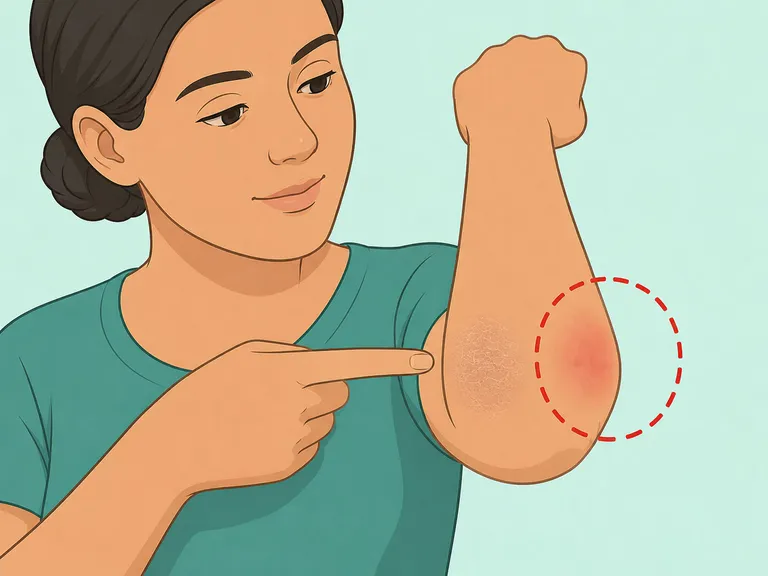
Decide whether baking soda cream is appropriate
Use baking soda cream only as a short, occasional paste for intact rough areas such as elbows, knees, or heels. Do not use it on your face, genitals, broken skin, sunburn, rashes, eczema, acne, or any area that is painful or inflamed, since contact dermatitis can be triggered by irritants. If your skin is already itchy or very dry, look for the cause instead of covering it with a DIY mixture.
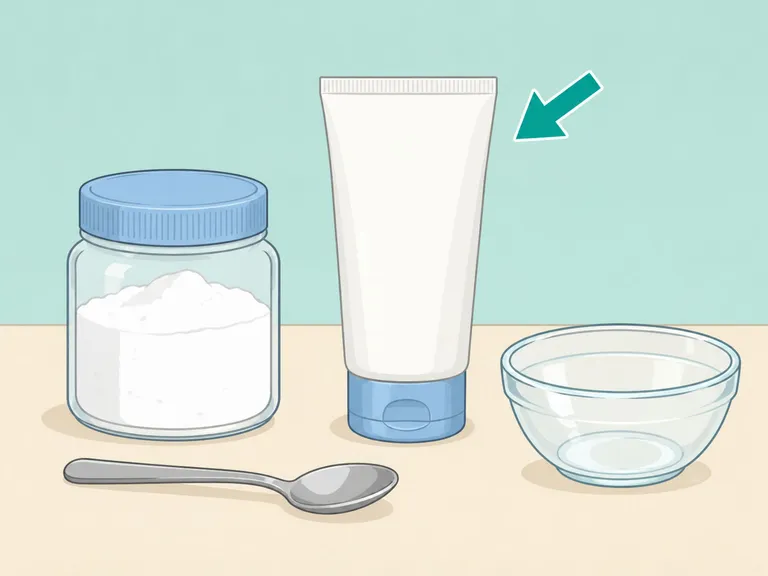
Gather simple, fragrance-free ingredients
Set out baking soda, clean water or a plain fragrance-free moisturizer, a clean spoon, and a small clean bowl. Dermatologists recommend fragrance-free moisturizing products for dry skin, so avoid perfume, essential oils, lemon juice, toothpaste, or vinegar in this mixture. Make only enough for one use so you are not storing a homemade product.
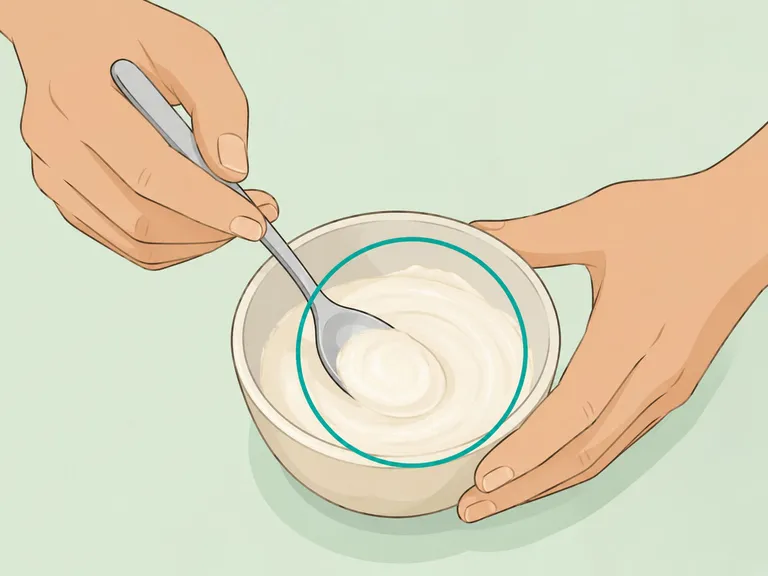
Mix a loose, non-gritty paste
Start with 1 teaspoon of baking soda and stir in 2 to 3 teaspoons of water or plain moisturizer until the texture is thin, creamy, and easy to spread. The paste should not feel sandy or stiff; if it does, add more moisturizer or water. A gentler texture matters because the American Academy of Dermatology warns that scrubbing can irritate skin.
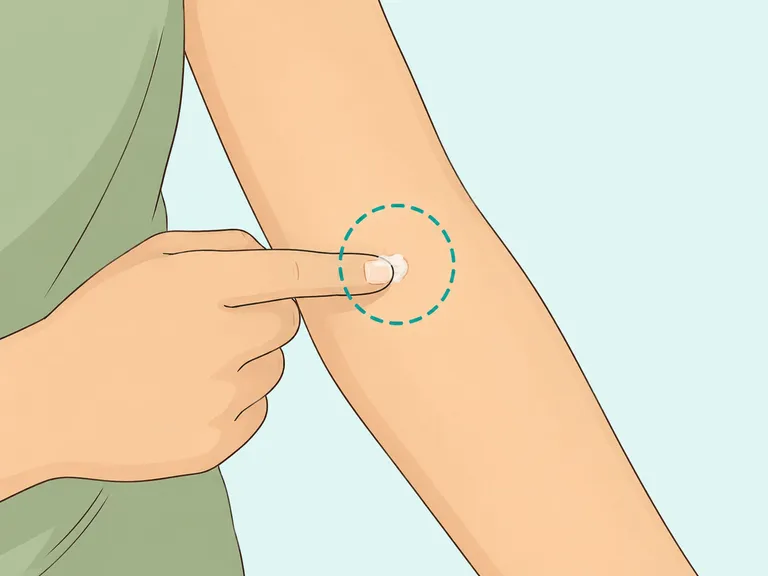
Patch test before full use
Apply a pea-sized amount to a small spot on the inner arm or another discreet area of intact skin, then rinse it off after a few minutes. Wait until the next day before using it elsewhere, because irritant or allergic reactions may show up hours later. Do not continue if you notice redness, burning, itching, swelling, dryness, cracking, or blistering.
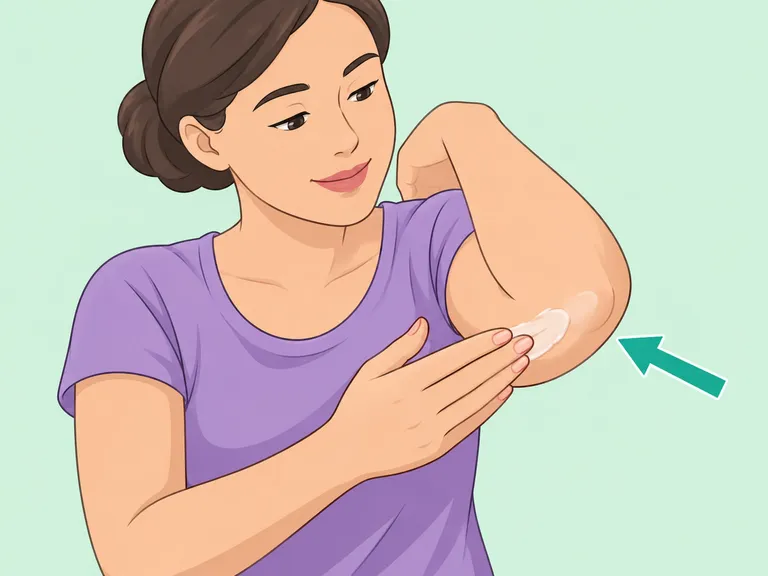
Apply only to small rough areas
Use clean fingertips to smooth a thin layer over one small rough area, such as one elbow or a small patch of heel. Do not scrub, rub hard, or spread it over large areas of the body. Keep it away from eyes, lips, nostrils, fresh shaving irritation, and any skin that feels tender.
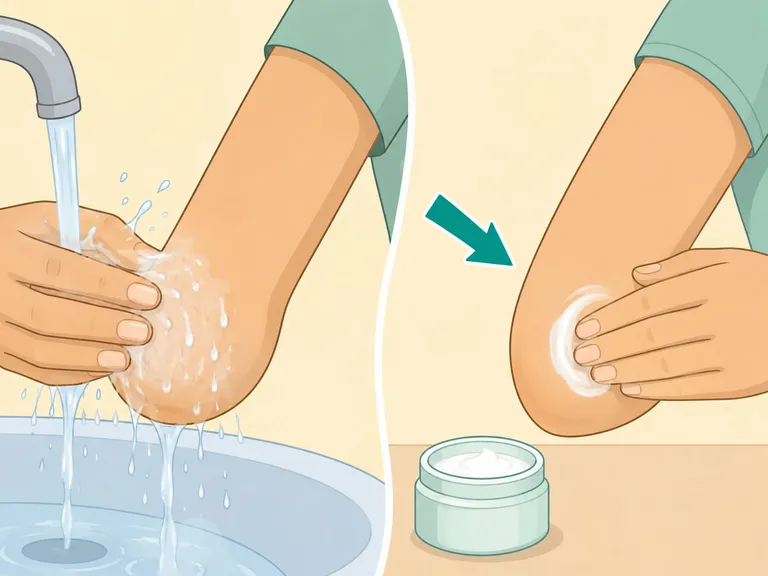
Rinse gently and moisturize
Rinse the paste off with lukewarm water, then pat the skin dry with a soft towel. The AAD recommends applying moisturizer while skin is still damp, so follow with a plain fragrance-free cream or ointment. This step is more important than repeating the baking soda paste.
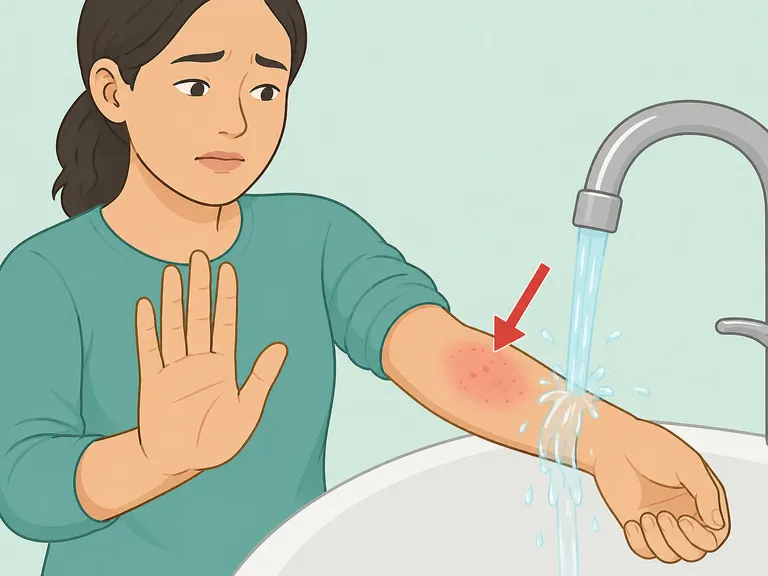
Stop immediately if your skin reacts
Wash the area with lukewarm water if you feel burning, stinging, or unusual tightness. Do not scratch irritated skin; dermatologists advise people with itch to avoid scratching and look for the source of the itch. Use a bland moisturizer and do not reapply the baking soda mixture.
Know when to see a doctor
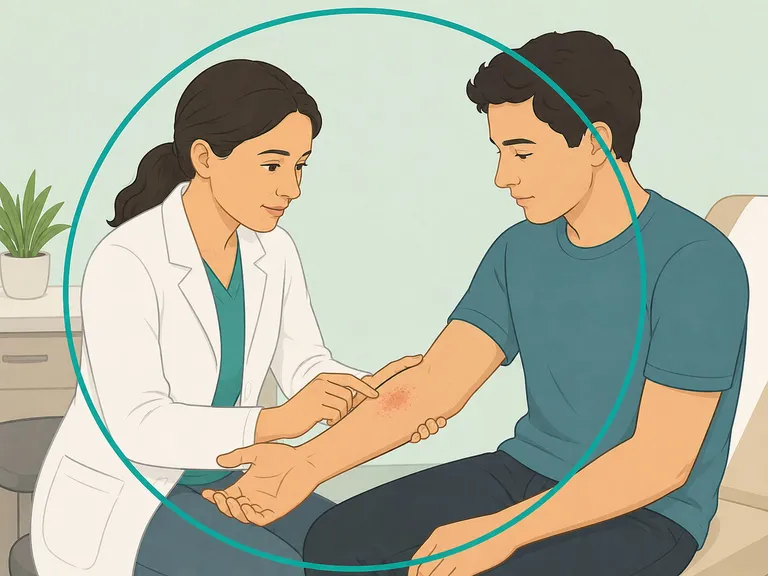
See a doctor, dermatologist, or qualified health professional if irritation is severe, spreading, blistering, infected-looking, recurrent, or not improving after you stop using the mixture. The NHS advises medical care for persistent, recurrent, or severe contact dermatitis symptoms. Get urgent help for swelling of the face or lips, trouble breathing, or a rapidly worsening reaction.
Article Summary
The bottom line: keep baking soda cream weak, brief, and occasional. Patch test first, avoid sensitive or broken skin, rinse it off, moisturize well, and get medical advice for persistent, severe, or recurring irritation.
Frequently Asked Questions
- Can I use baking soda cream on my face?
- It is better to avoid using baking soda cream on the face. Facial skin is more sensitive, and dermatology guidance favors gentle, non-abrasive cleansing and avoiding scrubbing.
- How often should I use baking soda cream?
- Use it only occasionally, if at all. Frequent use can increase the chance of dryness or irritation, especially if you scrub or leave it on too long.
- Can baking soda cream treat acne, eczema, or dark spots?
- No. Do not use it as a treatment for acne, eczema, dark spots, infection, or any diagnosed skin condition. Ask a doctor or dermatologist about persistent or recurring skin concerns.
- What should I mix with baking soda for a gentler cream?
- Use a small amount of plain, fragrance-free moisturizer or water to make a loose paste. Avoid lemon juice, essential oils, perfume, toothpaste, or harsh exfoliating ingredients.
- What should I do if it burns or stings?
- Rinse it off right away with lukewarm water, stop using it, and apply a plain fragrance-free moisturizer. Seek medical advice if symptoms are severe, spreading, blistering, or not improving.
- Can I store homemade baking soda cream?
- It is best to make a tiny fresh batch and discard any leftovers. Homemade mixtures do not contain preservatives and can become contaminated.
References
Trusted culinary resources helped guide and refine this article.
- https://www.aad.org/public/everyday-care/skin-care-basics/care/face-washing-101
- https://www.aad.org/public/everyday-care/skin-care-basics/dry/dermatologists-tips-relieve-dry-skin
- https://www.nhs.uk/conditions/contact-dermatitis
- https://www.aad.org/public/everyday-care/itchy-skin/itch-relief/relieve-uncontrollably-itchy-skin